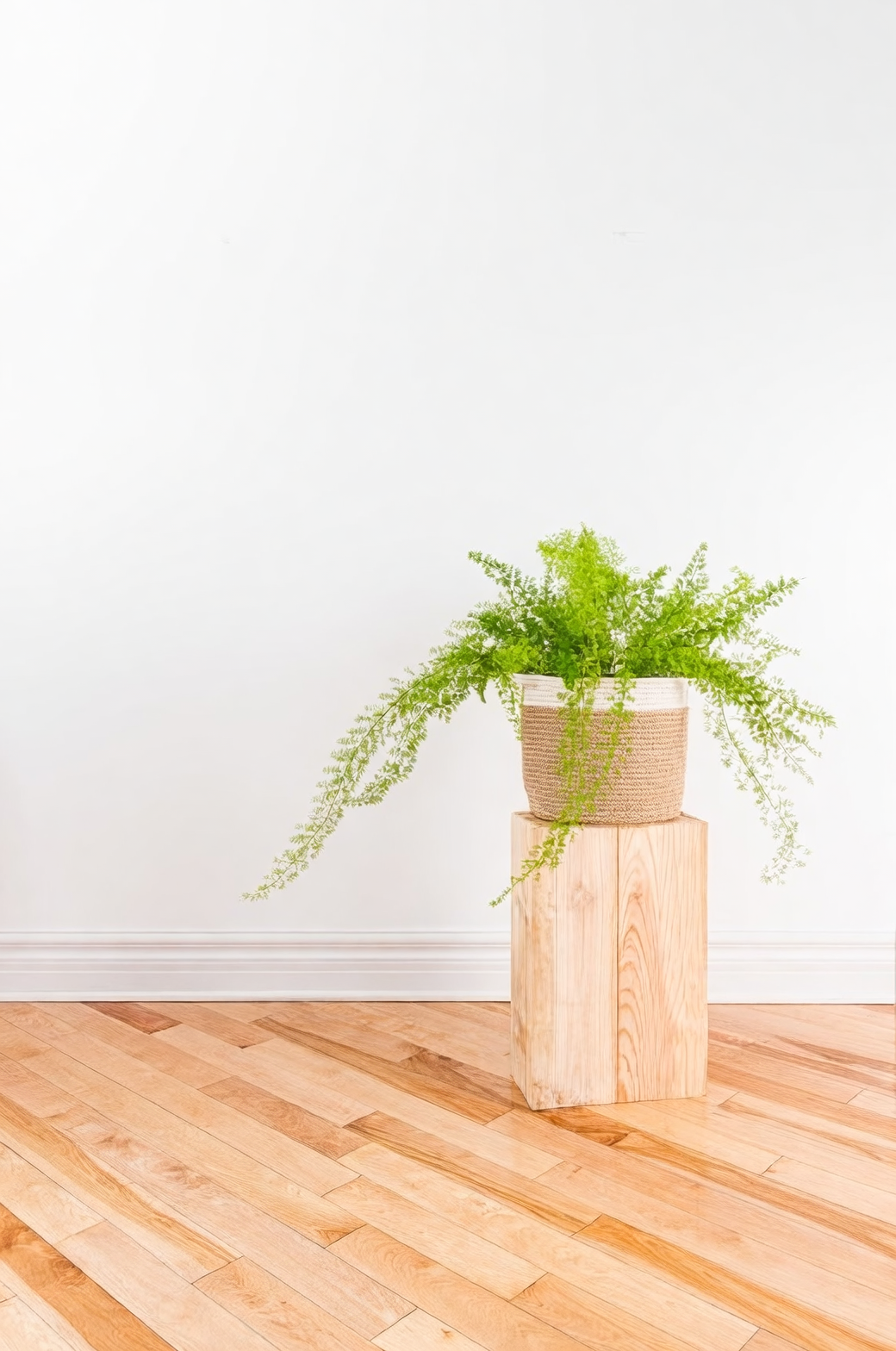
Feathery, elegant, and endlessly misunderstood, Asparagus setaceus (often sold as “asparagus fern,” 文竹) looks like a true fern at first glance—but what you’re seeing are not leaves at all. They’re cladodes: tiny, needle-fine, leaf-like stems. Once you understand that anatomy, everything about caring for this plant—light, watering, and pruning—clicks into place.
Meet Asparagus setaceus at a glance
- Family: Asparagaceae (it’s an asparagus relative, not a fern)
- Origin: Southern Africa to eastern/southern Africa
- Habit: Fast-growing, evergreen, arching and scrambling; can trail or climb if given support
- Size indoors: Typically 30–90 cm tall; stems can extend 1–3 m if trained
- Personality: Loves bright filtered light, even moisture (not soggy), and a touch of humidity
Cladodes, not leaves: the anatomy that changes everything
Those delicate “needles” are actually cladodes—modified, photosynthetic stems. The plant’s true leaves are reduced to tiny scales you’ll barely notice at the nodes.
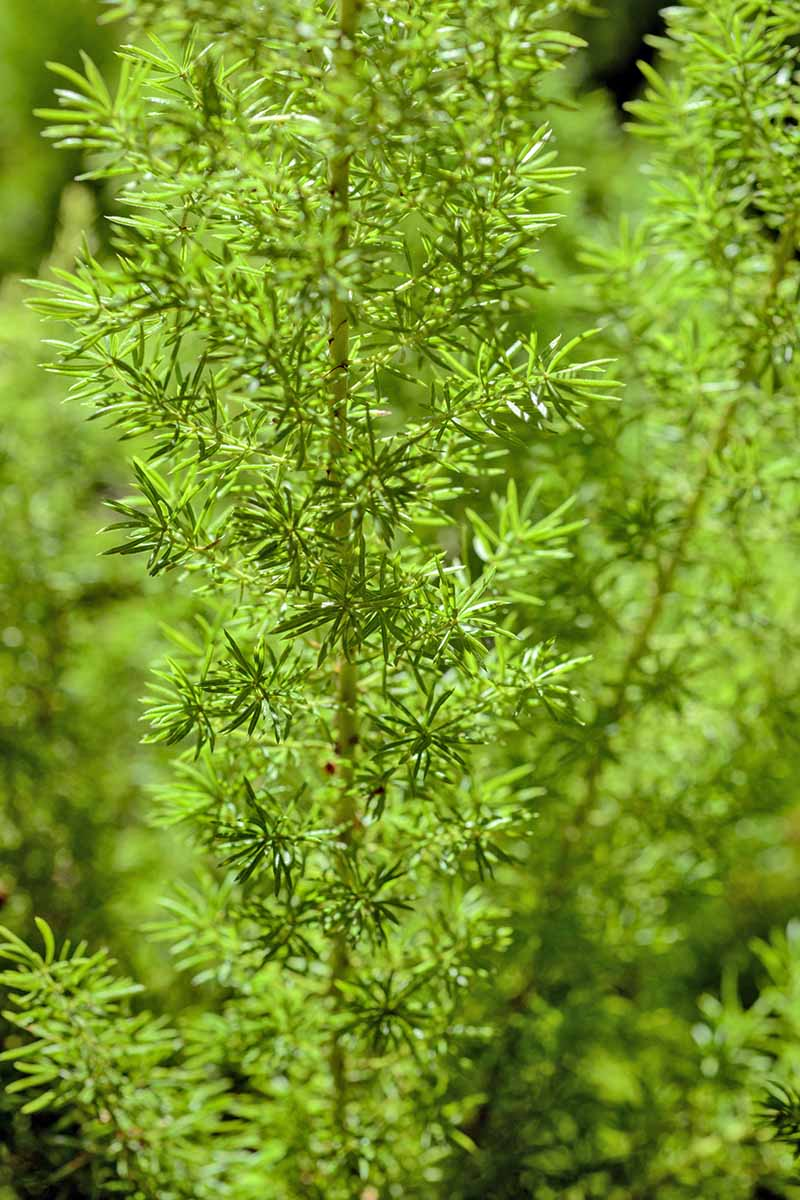
Why this matters:
- Light sensitivity: Cladodes are very thin and high-surface-area, so they photosynthesize efficiently in bright, indirect light—but scorch in harsh direct sun.
- Water use: Cladodes lose moisture quickly in hot, dry air; tips brown if humidity and watering are inconsistent. Meanwhile, the root system forms tuberous storage organs that hold water. This combo favors evenly moist, well-drained soil—not drought, not waterlogging.
- Pruning logic: Yellowed or bare cladode sprays won’t “leaf out” again. New growth pushes from the crown/soil line and young shoots, so you remove old, yellow, or leggy stems at the base to refresh the plant.
Think of it as a soft green cloud of tiny stems powered by plump water-storage roots—keep the cloud gently lit and consistently hydrated, and let new plumes replace the tired ones.
—
Light: filter the sun for feathery perfection
Cladodes are sun-sensitive; they love brightness without the burn.
- Best spot: Bright, indirect light or light shade. An east window, or set a few feet back from a bright south/west exposure with sheer curtains.
- Avoid: Midday or prolonged direct sun—this bleaches and crisps cladodes, especially at the tips and outer edges.
- Lower light: Tolerated, but growth becomes thinner and slower; sprays lose that billowy fullness.
- Anatomy cue: If cladodes pale or yellow mainly on the sunward side, you’re likely dealing with light stress (too much intensity), not just nutrition.
Light routine to try:
- Rotate the pot a quarter-turn every 1–2 weeks for balanced growth.
- If moving from low to bright light, increase exposure gradually over 10–14 days to prevent scorch.
—
Watering: balance the airy top with tuberous roots below
Your plant is a study in contrasts: fine, thirsty cladodes above; water-storing, tuberous roots below. The sweet spot is even moisture without stagnation.
- Core rule: Water thoroughly, then let the top 2–3 cm (about 1 inch) of mix dry slightly before watering again.
- Never: Let it sit in a saucer of water. Tuberous roots rot fast in waterlogged soil.
- Seasonal shift:
- Spring–summer (active growth): More frequent watering; don’t allow bone-dry spells.
- Autumn–winter (cooler, slower): Water less often; keep soil just lightly moist.
- Anatomy cue:
- Brown, crisp tips = low humidity or irregular, too-dry intervals.
- Generalized yellowing and collapse = overwatering, poor drainage, or compacted soil.
Pro tip: Learn the “weight of the pot.” Lift before and after watering to calibrate when the top layer has dried that 2–3 cm without drying the entire root ball.
—
Humidity and temperature: a gentle cushion of moisture
- Humidity: Prefers moderate to high (~50%+). Pebble tray, humidifier, or grouping plants helps; mist lightly in hot, dry spells but avoid leaving foliage wet overnight.
- Temperature: 15–25°C (59–77°F) is comfortable; best growth around 20–25°C (68–77°F). Keep above 4–5°C (39–41°F). Hot, dry air from heaters or vents can trigger yellowing and cladode drop.
Anatomy cue: Those microscopic sprays transpire quickly; a little extra ambient moisture keeps them plush.
—
Soil and pots: drain well but don’t dry out too fast
- Mix: Loose, well-draining yet slightly moisture-retentive—quality potting mix plus organic matter (leaf mold/compost, peat or coco coir) and perlite/coarse sand.
- pH: Slightly acidic to neutral works fine.
- Repotting: In spring, every 1–2 years (or when root-bound). Move up just one size, refresh mix, and gently loosen circling roots. Tuberous roots fill pots rapidly.
- Pot sizes (indoor guide): 12–15 cm for standard plants; 15–18 cm for hanging baskets; 20–25 cm encourages maturity and may improve flowering/berry set.
—
Smarter pruning—because old sprays won’t re-leaf
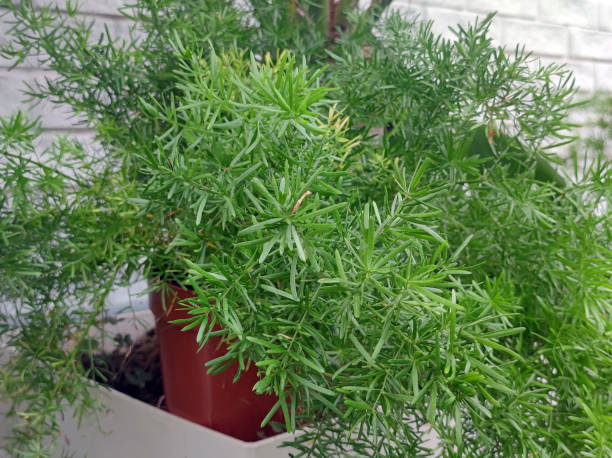
Think in plumes. Once a stem’s cladodes yellow or thin out, that stem won’t repair itself.
- Best timing: Spring, often alongside repotting.
- How:
- Remove yellow, dead, or overly long stems at the base (flush with the crown) to prompt fresh shoots.
- Tip-trim/pinch very young shoots (about 2–3 cm long) to encourage branching and a fuller, cloud-like silhouette.
- Train on a small trellis or hoop to lift and spread stems for airflow—reducing pests and preventing a tangled, shaded center.
- Anatomy cue: New growth emerges from the soil line and young shoot tips. Invest energy there rather than “haircutting” tired stems.
—
Feeding: light and regular beats heavy and rare
- Spring–summer: A balanced liquid houseplant fertilizer at half strength every 4–6 weeks.
- Autumn–winter: Reduce to every 2 months or pause if growth slows.
- For blooms/berries (on mature plants): A single, light phosphorus-leaning feed before the flowering period can help. Don’t overdo nitrogen—excess can lead to weak, lanky stems.
—
Flowering and berries (if you’re lucky)
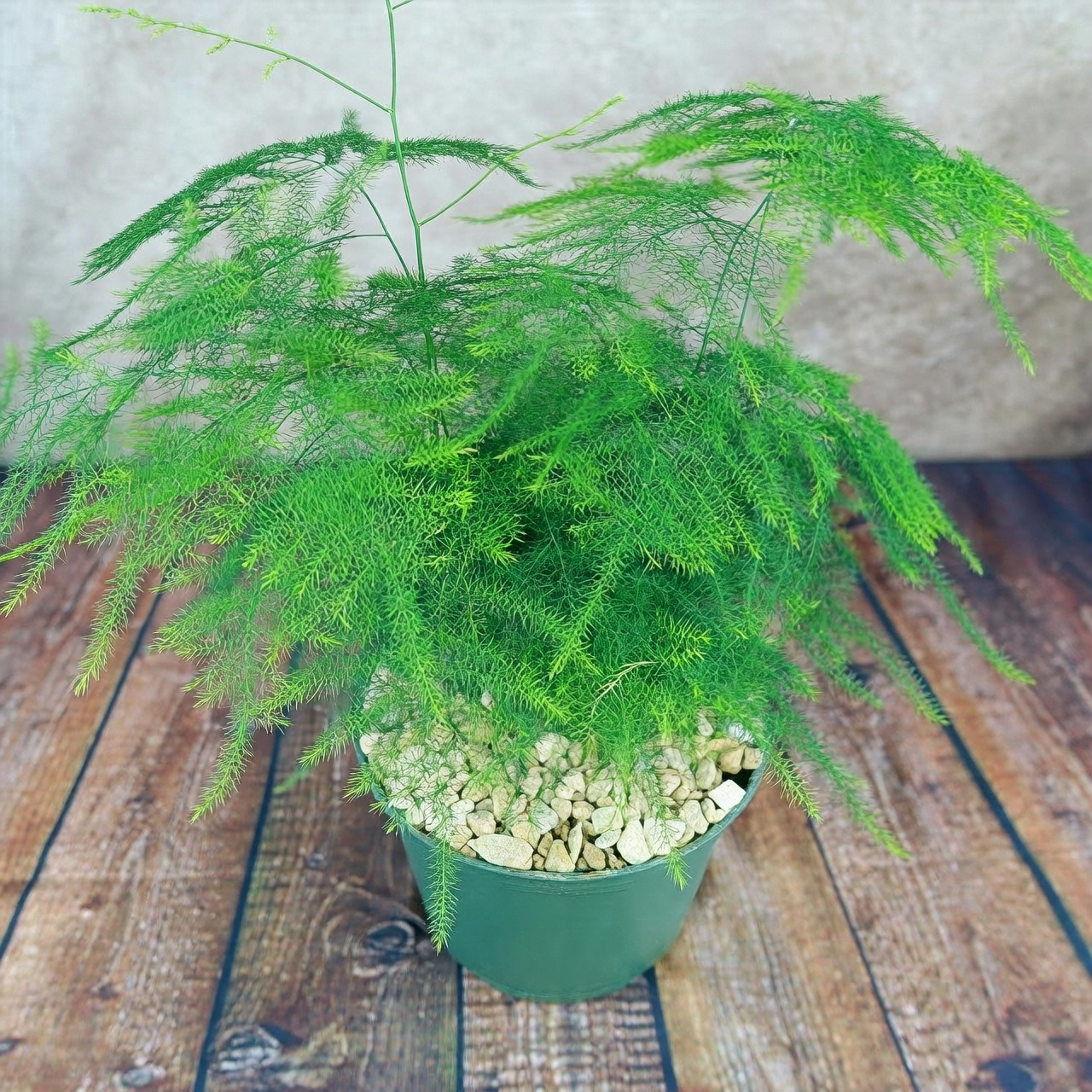
- Flowers: Small, starry white to greenish-white, often summer into autumn indoors (overall spring–late summer/autumn depending on conditions).
- Berries: If pollinated, ripen from green to deep purple-black, usually 1–3 seeds.
- Note: Berries are mildly toxic if ingested—keep away from pets and children.
—
Placement ideas
- Indoors: Bright living rooms, studies, bedrooms, or a naturally humid bathroom with filtered light.
- Warm-season outdoors (frost-free or summer only): Bright shade on an east or north balcony/patio; shelter from wind and harsh sun.
- Terrariums: Great in larger/open or well-ventilated tropical displays—loves humidity, but needs airflow to avoid mold.
—
Troubleshooting by symptom (anatomy decoder)
- Brown, crispy tips: Air too dry or watering too sporadic. Increase humidity and keep soil evenly moist.
- Whole sprays yellowing/falling: Overwatering, compacted mix, or too much sun. Refresh soil, adjust watering, filter light.
- Pale, thin growth: Not enough light or overfeeding with low light. Move to brighter filtered light; moderate fertilizer.
- Sudden drop after a move: Environmental shock. Stabilize light/water/humidity; new shoots should resume from the base.
—
Pests and diseases
- Likely culprits: Spider mites (especially in hot, dry rooms), scale, mealybugs, occasionally aphids.
- Response: Rinse foliage, then use insecticidal soap or horticultural oil; repeat every 7–10 days as needed. Increase humidity to deter mites.
- Disease watch-outs: Root rot from waterlogging; Botrytis/leaf blight in stagnant, overly wet conditions. Improve drainage, water earlier in the day, prune for airflow.
—
Safety and handling
- Toxicity: Mildly toxic if ingested; berries are the main concern (vomiting/diarrhea in pets and people). Sap/fine foliage may irritate sensitive skin. Keep out of reach, especially when fruiting.
- Handling tip: Stems can be slightly prickly in some conditions—use care when pruning or training.
—
Propagation
- Division (easiest): In spring, split the root mass into sections with 3–5 stems (or 2–4 shoots) each, minimize root damage, and replant in bright shade while they re-establish.
- Seed: Sow shallowly in a well-draining seed mix at 20–22°C (68–72°F), keep evenly moist. Soak seeds ~24 hours pre-sowing to improve germination.
—
A note on outdoor planting
In warm, frost-free regions (USDA 9–11) it can thrive outdoors. In some places it spreads vigorously—check local guidance, as it’s considered invasive in parts of the world.
—
Flower language and cultural notes
Often gifted as a symbol of enduring love and long-lasting affection, Asparagus setaceus has been cherished for its gentle, protective presence—hence its popularity in study and work spaces for a “calm focus” vibe. These meanings stem from cultural tradition and its long use in floristry (softening and “holding together” arrangements), rather than anything botanical. Think of it as plant poetry: a lacework of quiet support.
—
Quick care recap (guided by its anatomy)
- Light: Bright, indirect—protect those thin, sun-sensitive cladodes.
- Water: Evenly moist, never soggy—respect the tuberous roots’ aversion to waterlogging.
- Humidity: Aim for ~50%+ to keep the fine sprays plush.
- Prune: Remove old stems at the base; pinch young tips to branch. New grace comes from new shoots.
- Soil: Loose, well-draining mix with some moisture retention.
- Train: Give a small support for airflow and a tidy, cloudlike form.
Understand the cladodes, and you unlock the plant: a floating green veil that stays lush when you filter the light, steady the moisture, and prune with intention.