

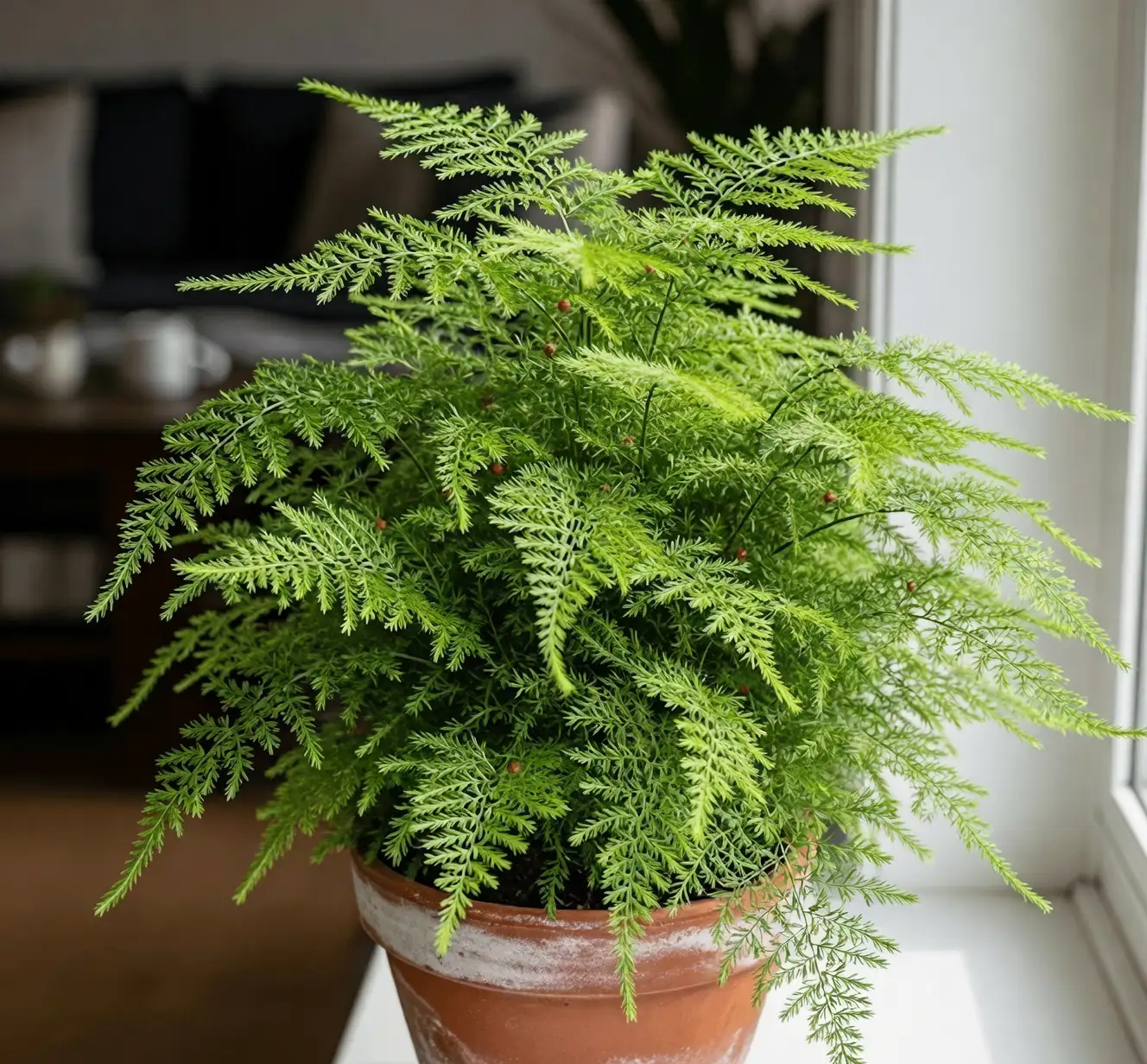
If you’ve ever wished your Asparagus setaceus (a.k.a. asparagus fern, lace fern, plumosa) would stay dense, cloud-like, and maybe even reward you with tiny starry blooms followed by glossy berries—this is your playbook. Think of it less as “trimming a fern” and more as training a climber with feather-soft foliage. With a few timely pinches, a sensible prune, and a simple support, you can shape it beautifully and even nudge it into flowering.
Meet the plant you’re shaping
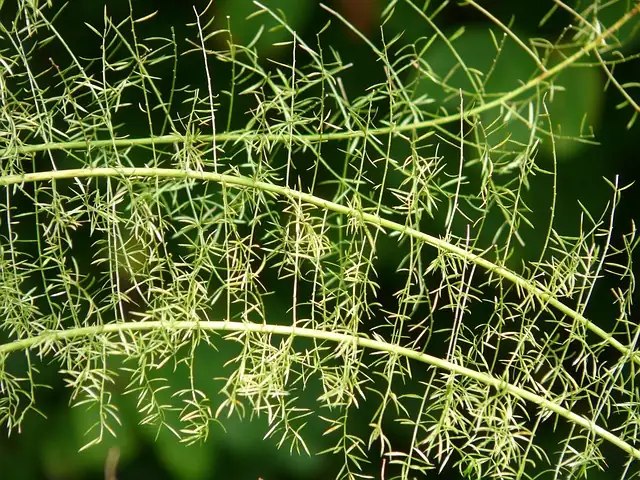
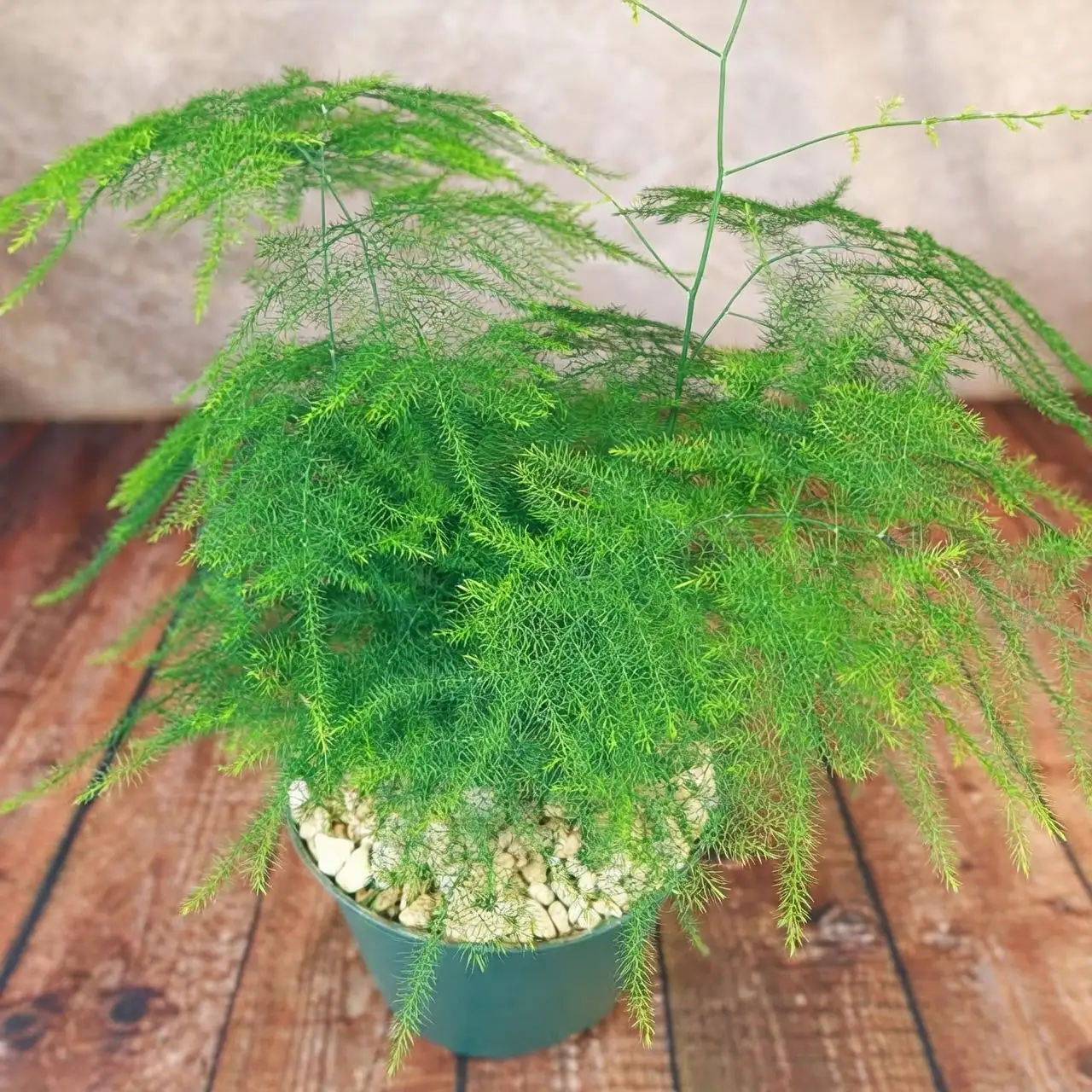
- Not a true fern: those “needles” are actually cladodes—leaf‑like modified stems—arrayed along slender, arching canes.
- Habit: a fast-growing, evergreen perennial that trails, scrambles, or climbs if you offer support. Indoors it’s commonly 30–90 cm tall, but individual canes can extend 1–3 m if you let them wander.
- Personality quirk that matters for pruning: older canes don’t “back-bud” well. Cut a mature cane in the middle and you often get a bare, stubby stick. New vigor comes from the base.
Light, water, and comfort (the foundation of fullness)
- Light: bright, indirect light or light shade. Morning sun is fine; harsh midday sun scorches and yellows the sprays. East windows or a few feet back from bright south/west windows behind a sheer are ideal.
- Water: keep evenly moist but never soggy. Water thoroughly, then let the top 2–3 cm of mix dry slightly before watering again. Drought + low humidity = crispy tips; waterlogging = yellowing and collapse.
- Temperature: happiest around 20–25°C (68–77°F); keep above 4–5°C (39–41°F). Avoid hot, dry blasts from heaters/vents.
- Humidity: 50%+ keeps the lace fresh. Pebble trays, humidifiers, or grouping work—just maintain airflow.
- Soil: loose, well-draining, slightly moisture‑retentive mix (quality potting soil + compost/leaf mold or coco coir + perlite/coarse sand).
When to prune (and why timing matters)
- Best season for shaping: spring, often paired with repotting. The plant responds with fresh shoots as days brighten.
- Light grooming: any time—snip out yellow, brown, or wind-whipped canes as they appear. Save major reductions for spring to avoid a thin look in winter.
How to prune for a lush, tidy plant
Think “remove entire canes” rather than “give it a haircut.”
1) Prepare
- Sterilize clean, sharp pruners.
- Identify targets: yellow, dead, or overlong canes; congested interior stems that block airflow.
2) Make decisive cuts
- Cut problem canes cleanly at the base (right where they emerge). This opens space for new shoots and prevents awkward, bare mid-stems.
- Resist shearing the tips across the top—mature canes rarely branch from cut points.
3) Thin for air and light
- In dense plants, remove a few interior canes to prevent a matted center. Better airflow keeps sprays fresher and helps future flowers set.
4) Aftercare
- Water to settle the mix; keep in bright, filtered light. Resume feeding once you see active growth.
Pro tip: If a cane is simply too long but otherwise healthy, either loop and tie it onto a support (see trellis ideas below) or remove it entirely at the base. Half-measures usually look, well…half-finished.
Pinching for fullness: where, when, and how
Pinching is your secret for side-branching—if you do it early.
- Target: very young shoots about 2–3 cm (0.8–1.2 in) long while they’re still soft and tender.
- How: nip out the soft tip with clean nails or scissors. This encourages lateral branching and a denser spray.
- What not to pinch: older, wiry canes with fully developed cladodes. These seldom branch well from a pinch; remove from the base instead if they’ve outgrown their welcome.
- Frequency: a light, strategic pinch to a handful of the newest shoots every spring can compound fullness over the season.
Simple trellis and training setups (no workshop required)
Asparagus setaceus loves a frame to lean on. Supporting canes prevents a tangled center and shows off that floating, feathery look.
- The hoop ring
- Insert a small metal or bamboo hoop (or a DIY ring from sturdy garden wire) into the pot.
- Gently arc long canes over the ring and secure with soft ties. Great for 15–20 cm pots.
- The fan trellis
- Push a narrow fan-shaped trellis or decorative grid into the back of the pot.
- Splay canes across it like a green hand-fan, tying loosely with jute or silicone ties.
- Three-stake corral
- Place three slim bamboo stakes around the pot’s rim; run twine around them at two heights.
- Tuck and tie canes inside the corral for an airy, fountain‑like silhouette.
- Hanging basket finesse
- For baskets (15–18 cm standard), let some canes trail while tying a few upward to keep the crown open. Trim a couple of oldest trailing canes at the base each spring to refresh the cascade.
Training tips
- Tie gently and loosely—cladodes bruise if pinched.
- Rotate the pot monthly so light and growth stay balanced.
- Avoid packing too many canes into the center; think “open heart, full skirt.”
Encouraging flowers (and those glossy berries)
The blooms are tiny starlets—white to greenish-white—and appear on mature plants, with berries ripening to deep purple-black if pollinated.
What actually helps:
- Maturity and pot size
- Older, well-established plants flower more readily. A 20–25 cm (8–10 in) pot for a mature specimen can improve chances of flowering/seed set.
- Light, consistently
- Bright indirect light for much of the day. Harsh mid-day sun scorches; too little light means thin growth and few blooms.
- Feeding rhythm
- Spring–summer: feed every 4–6 weeks at half strength with a balanced liquid fertilizer.
- Bloom nudge: give one light, phosphorus‑leaning “bloom” feed just before the expected flowering window—without overdoing it. Heavy feeding can push lanky, weak canes instead of flowers.
- Water and humidity
- Evenly moist, never waterlogged. Maintain 50%+ humidity with decent airflow.
- Temperature steadiness
- Aim around 20–25°C (68–77°F). Avoid hot, dry blasts that cause yellowing and drop.
- Airflow and thinning
- A slightly opened canopy improves pollen movement and reduces fungal issues. That spring thinning makes a real difference.
- Pollination indoors
- Lightly tap or swirl the plant when flowers are open, or use a soft paintbrush to move pollen between blossoms.
Seasonal expectations
- Flowering may occur from spring–summer into late summer–autumn (often summer into autumn indoors). Berries typically follow into autumn if pollination succeeds.
Safety note: The berries are mildly toxic if ingested and can upset pets and people. Display out of reach, especially when fruiting.
A year of hands-on shaping (quick calendar)
- Spring
- Repot or refresh mix if root-bound; divide if desired.
- Do your main prune: remove yellow, dead, or wayward canes at the base; thin the center.
- Begin training on a small trellis or ring; start monthly half‑strength feeding.
- Pinch a few very young shoots (2–3 cm) to promote branching.
- Summer
- Keep evenly moist; boost humidity during heat waves; protect from harsh sun.
- Tie in new lengths; continue monthly feeding.
- Watch for spider mites in hot, dry air; raise humidity and rinse foliage if needed.
- Autumn
- You may see flowers/berries on mature plants. Consider gentle hand pollination.
- Ease off watering slightly as growth tapers; reduce feeding frequency.
- Winter
- Bright light, sparing water, absolutely no cold drafts. Keep above 4–5°C (39–41°F).
- Light grooming only; save big cuts for spring.
Troubleshooting shape and vigor
- Yellowing sprays
- Common causes: waterlogged mix, harsh sun, or nutrient issues. Check drainage, filter the light, refresh or loosen compacted soil.
- Brown tips
- Often low humidity or irregular watering. Raise humidity and aim for steady moisture (not sopping wet).
- Thin, stretched growth
- Not enough light or overly rich, frequent feeding. Move to brighter filtered light; return to a light, monthly feed.
- Tangled, matted center
- Lack of thinning and no support. Remove a few interior canes at the base in spring and train onto a small frame.
- Pests
- Spider mites (especially in dry rooms), scale, mealybugs. Rinse, then treat with insecticidal soap or horticultural oil; repeat every 7–10 days and improve humidity/airflow.
Potting, repotting, and division for better structure
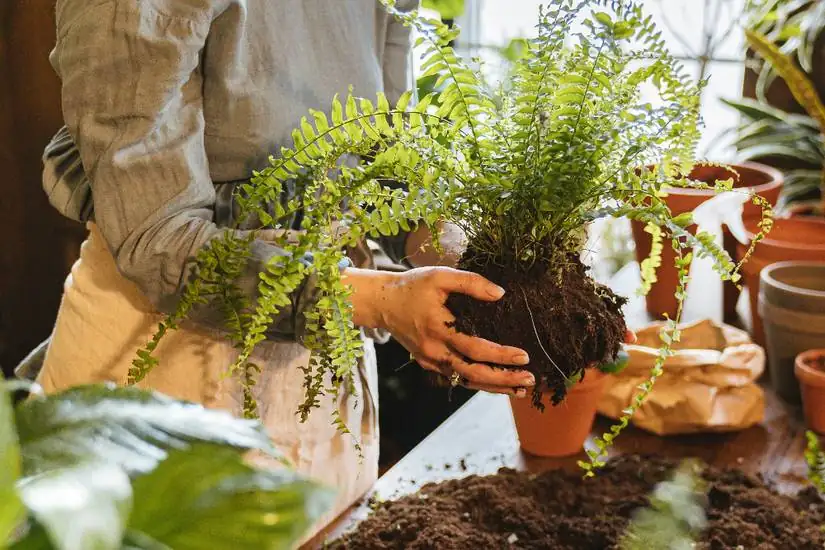
- Repot in spring every 1–2 years (2–3 years for slower plants) into just one size up.
- Use a well‑draining mix and gently loosen circling roots.
- Division is simple: split the root mass into sections with a few canes each; pot separately and keep in bright shade while they re-establish. Dividing can reset a crowded plant and makes shaping much easier.
Placement ideas that keep it pristine
- Indoors: living room shelves, desks, or bright bathrooms (hello, humidity) in filtered light.
- Outdoors in mild seasons (USDA 9–11 if left out year‑round): bright shade on an east/north balcony; shelter from wind and blazing sun.
- Note: In some regions it can spread vigorously outdoors—check local guidance and avoid letting berries drop into the landscape.
Symbolism, thoughtfully considered
Often gifted as a graceful, enduring companion plant, Asparagus setaceus is associated with long-lasting affection and gentle protection. In contemporary feng shui practice it’s seen as supportive, steady energy for study or career spaces. These meanings aren’t ancient canon so much as modern cultural associations—but they dovetail beautifully with the plant’s calm, persistent growth and soft, shielding sprays.
Quick facts to love
- Family: Asparagaceae; native to southern Africa.
- Not a true fern; the “needles” are cladodes.
- Forms tuberous roots that store water (still, don’t let it bake dry).
- Indoors usually 30–90 cm tall; trained canes can reach 1–3 m.
- USDA Zone 9–11 outdoors; otherwise a houseplant.
With a confident spring prune, early pinches, and a simple support, your asparagus fern shifts from “fluffy but unruly” to “cloudlike and composed”—and with the right light and care, it just might sprinkle itself with delicate flowers and a few jewel-like berries. Keep it bright, gentle, and evenly moist, and it will repay you with poise all year.


