
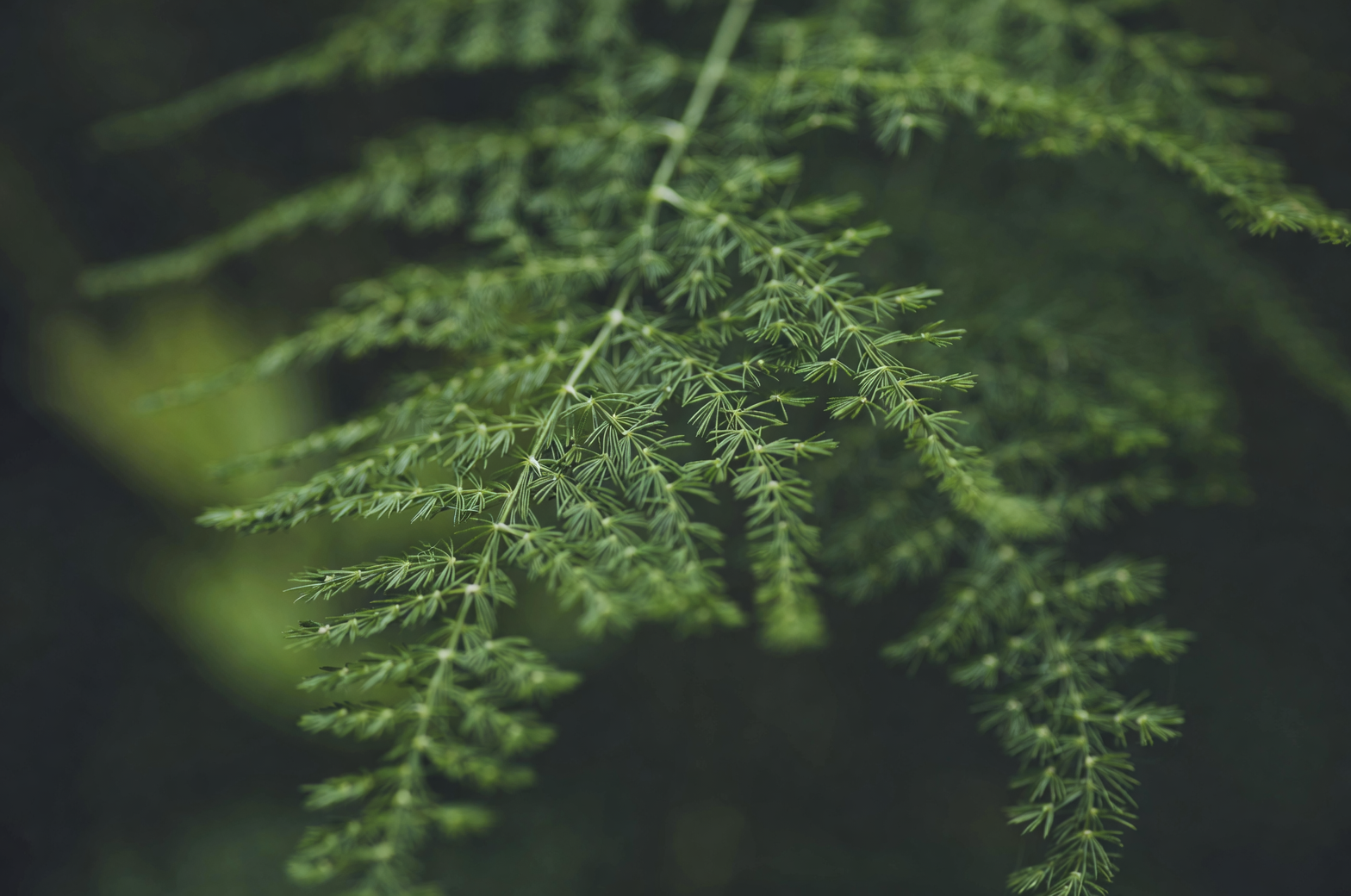
Feathery, cloud-soft, and endlessly useful, Asparagus setaceus (Kunth) Jessop—best known as “asparagus fern”—is the secret sauce that turns a good arrangement into a dreamy one. Its airy cladodes (those “needles” are actually tiny leaf-like stems) add movement, veil harsh mechanics, and soften bold blooms. Here’s your pro playbook for cutting, hydrating, pairing, and keeping every plume lush, long-lived, and shed-free.
Know your greenery: quick ID and insider context
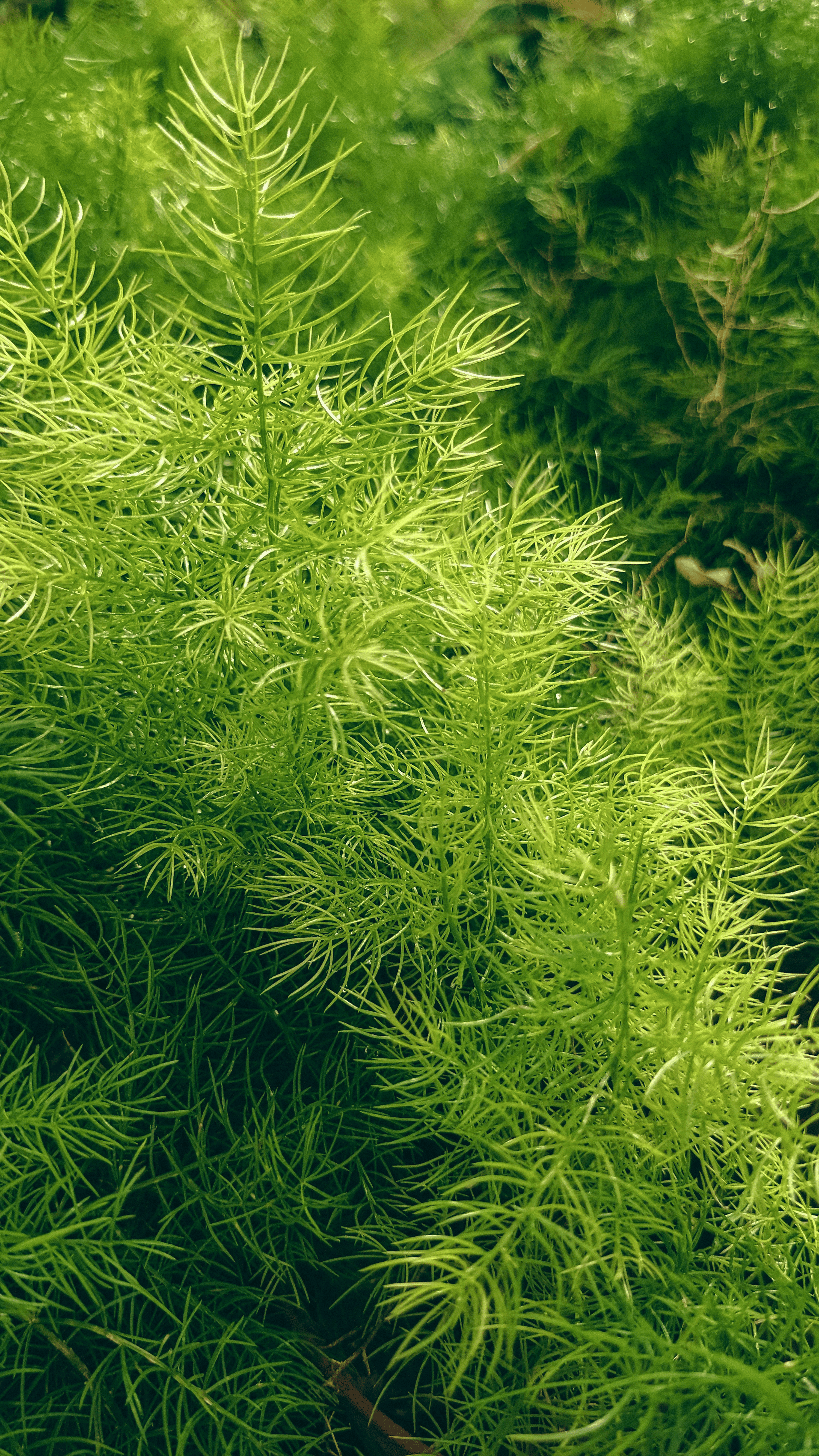
- Not a true fern: It’s an Asparagus relative with finely divided cladodes that read as lace on camera and in person.
- Appearance: Bright to deep green feathery sprays on slender, flexible stems; new growth is extra fluffy.
- Availability: Year-round from floral suppliers; also easy to snip from mature houseplants (handle with care).
- Vase life (when conditioned well): About 14–20 days.
- Storage temperature (cut foliage): 36–41°F (2–5°C). Cool, not freezing.
- Ethylene sensitivity: Not considered ethylene-sensitive—still, keep all product away from ripening fruit.
Harvesting and purchasing: how to start strong
If you’re buying
- Choose stems that are turgid, flexible, and plume evenly from base to tip.
- Avoid yellowing, dryness, or “shedding” needles (cladodes) at the touch—this signals dehydration.
- Ask for form: Some vendors list “1st Feathers,” “Long Topped,” or “Extra Feathers.” “Long Topped” gives longer, showier plumes for overscale designs; “1st Feathers” excels in tight work and bouquet collars.
If you’re cutting from a plant
- Time your cut: Early morning, when plants are fully hydrated.
- Pick mature plumes with good density; avoid very new, lime-green tips if you need durability.
- Cut with a clean, sharp blade at a 45° angle. Strip only the minimum cladodes that would sit below the waterline.
Pro tip: If your plant has berries (on mature specimens), remove them for event work—pretty, but mildly toxic if ingested and prone to drop as they ripen.
Conditioning and hydration: lock in that lushness
Asparagus setaceus is exquisitely beautiful—and sensitive to dehydration. The goal is to maximize water uptake and reduce transpiration.
- Sanitation first: Disinfect buckets and shears. Warm-to-cool clean water is perfect.
- Recut: Remove 1–2 inches from the base with a sharp knife.
- Water-only baseline: Many pros hydrate this foliage in plain water for 2 hours before storage or use, then keep it in water-only. It’s simple and effective.
- Anti-transpirant advantage: A dip or light spray with a commercial anti-transpirant (often used as a “wax” or polymer coating) helps maintain turgor and reduce browning and shed—especially for outdoor weddings, foam work, or long installs.
- Cool and rest: Sleeve lightly, then rest stems in a floral cooler at 36–41°F for several hours (or overnight) before designing. Keep them upright to prevent tangling and kinks.
- Keep foliage above water: Only bare stem should be submerged; change water every 1–2 days and recut bases for maximum vase life.
Note: While many designers rely on water-only for asparagus fern, if you trial a commercial floral solution, use as directed and test on a few stems first—some foliages perform best without added solutes.
Foam vs. foam-free: mechanics that respect the foliage
- Foam-free (vases/compotes):
- Create a breathable greenery grid with stronger stems (e.g., ruscus) and tuck asparagus setaceus as the finishing “mist.”
- Keep the water line clean; change water frequently to prevent bacterial load that triggers shed.
- Foam designs:
- Pre-soak foam fully and use deep insertions or cluster 2–3 stems per insertion for better uptake.
- Pre-treat with an anti-transpirant and mist very lightly during setup; avoid saturating foam faces late in the day (Botrytis risk).
- Top up water daily—this foliage is quick to signal dehydration with needle drop.
Shed-free handling: small habits, big payoffs
- Touch less: Handle by the stem, not the plume. Friction = shed.
- Avoid hot, dry air: Keep away from vents, heaters, direct sun, and strong fans.
- Transport smart: Lightly sleeve or net to prevent abrasion; keep cool and hydrated.
- Space to breathe: Don’t crush stems in crowded buckets; give them airflow and vertical room.
- Gentle misting only: If you mist, do it lightly and early in the day—wet, stagnant foliage invites Botrytis. In most coolers, hydration at the stem does the heavy lifting.
Vase-life boosters (the fast checklist)
- Recut and refresh water every 24–48 hours.
- Store cool (36–41°F) before design; keep finished pieces in bright, indirect light only.
- Avoid drafty, hot, or sunbaked placements on site.
- Use anti-transpirant for travel or outdoor installs.
- Don’t cram: airy spacing keeps the “cloud” intact for longer.
Pairing playbook: what asparagus setaceus loves
Think of this foliage as atmosphere—it softens edges and heightens romance.
Blooms it flatters
- Romantic classics: garden roses, ranunculus, peonies, sweet peas.
- Modern sculptural: anthurium, calla lilies, phalaenopsis orchids.
- Airy partners: butterfly ranunculus, cosmos, gypsophila (the feathery-on-feathery combo), scabiosa.
- Spring elegance: tulips, anemones, hellebores.
- Statement forms: dahlias and protea get a softer aura when “veiled” with one or two strategic plumes.
Foliage friends
- For structure: Italian ruscus, salal, camellia.
- For drape and line: smilax, jasmine vine.
- For scent and contrast: eucalyptus (seeded or parvifolia) adds a textural counterpoint to the lace.
Palette notes
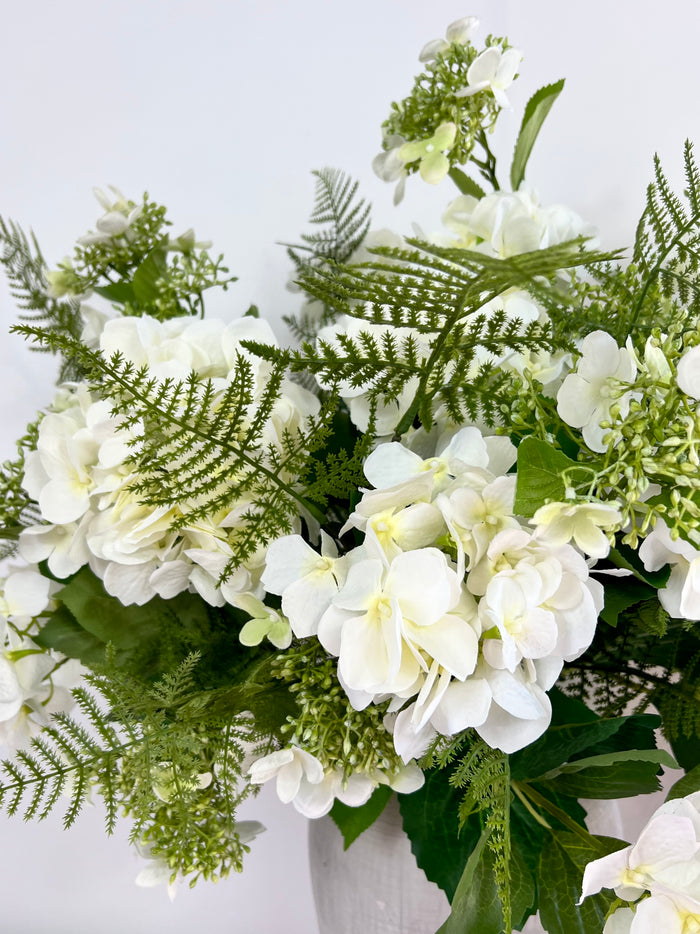
- Whites and pastels: amplifies lightness and movement—bridal favorite.
- Moody jewel tones: prevents heaviness by adding “breath” between blooms.
- Dyed/tinted stems: trending in fashion/editorial work (think copper, champagne, or black). Rinse lightly before use to reduce color transfer; pair with saturated blooms for high drama.
Design moves that wow
- Cloud collar: Circle a bouquet with short, even plumes for a halo effect that hides mechanics.
- Whispering cascade: Let a few longer “Long Topped” stems trail off an asymmetrical arrangement for gardeny movement.
- Elevated veil: Float a single, airy arc above the flowers—especially lovely over orchids or large-headed roses.
- Meadow finesse: Use sparingly through a meadow-style base to add sparkle without visual weight.
Troubleshooting and quick fixes
- Sudden needle drop: Recut and rehydrate in clean, cool water; move to a cooler, draft-free spot. Consider an anti-transpirant if you’re headed outdoors.
- Yellowing/browning: Usually dehydration or heat. Lower the light, increase water changes, and avoid dry air sources.
- Slime or clouded water: Clean buckets, change water, and remove any submerged greenery.
- Tangles or collapse: Store upright, unsleeve gently, and avoid stacking.
Safety notes
- Mildly toxic if ingested—berries are the main concern for pets and children. Remove berries for household arrangements and keep all designs out of reach.
- Sensitive skin may react to sap or fine foliage; wear gloves if you’re prone to irritation.
A note on identity (and why it matters in design)
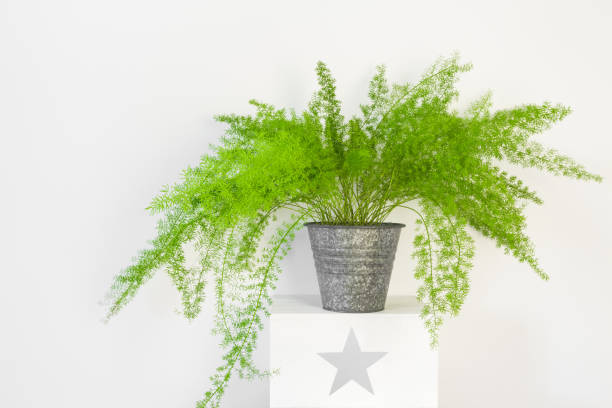
Asparagus setaceus is often confused with Sprengeri fern (Asparagus densiflorus ‘Sprengeri’) or other Asparagus greenery. Setaceus is finer, more feathery, with that signature “mist.” Choosing the right species ensures the exact texture and drape you’re envisioning.
Symbolism and “flower language”
In Victorian floriography, evergreen, enduring foliage often stood for steadfast affection—an idea that suits asparagus setaceus perfectly. Its long-lasting greenery and gentle, protective “veil” echo themes of enduring love and quiet support. In contemporary Feng Shui-inspired décor, it’s also associated with soft protection and steady growth—why it’s a favorite in studies and peaceful corners. While these meanings are cultural rather than botanical, they lend a poetic layer that resonates in weddings and milestone events.
The 48-hour event playbook
- T−48 to T−24 hours: Receive or harvest; recut; plain-water hydrate for at least 2 hours; apply anti-transpirant if desired; rest in cooler overnight.
- T−24 to T−6 hours: Design in clean mechanics; keep foliage above waterline; store completed pieces cool and out of direct sun.
- T−6 to showtime: Light touch-ups, minimal misting, careful transport with sleeves or soft netting. Place away from heat and drafts.
Your 10-second cheat sheet
- Cut foliage storage: 36–41°F, upright, lightly sleeved.
- Vase life: 14–20 days with clean water and recuts.
- Hydration: Recut 1–2 inches; water-only is a proven baseline; anti-transpirant helps.
- Shed-free: Handle by stems; avoid heat, friction, and dry air.
- Pairing: Ideal “veil” for roses, ranunculus, orchids, callas, tulips, and airy textures.
- Safety: Remove berries for pet- and child-friendly spaces.
Handle it gently, hydrate it well, and let asparagus setaceus be the breath between your blooms—the lace that turns structure into poetry.