
Feathery, floaty, and gloriously green—yet not a fern at all. Asparagus setaceus (Kunth) Jessop, a.k.a. the “asparagus fern,” is more like a lacey cloud that learned to climb. It’s speedy, shapely, and full of botanical plot twists: those “leaves” are really stems, its roots stash water like tiny canteens, and the flowers are so demure you have to lean in to notice them. Ready to meet a plant that’s soft to the touch…until it isn’t? (Yes, there can be thorns.)
Meet Asparagus setaceus
- Identity: An evergreen member of the Asparagaceae (the asparagus family), native to southern and eastern/southern Africa (especially South Africa, also recorded from Botswana, Lesotho, Mozambique, Eswatini/Swaziland, Tanzania, Zambia, and Zimbabwe).
- Aliases in the wild and in shops: Asparagus Fern, Climbing Asparagus (or Climbing Asparagus Fern), Common Asparagus Fern, Ferny Asparagus, Lace Fern, Plume/Plumosa Fern; in Chinese, 文竹.
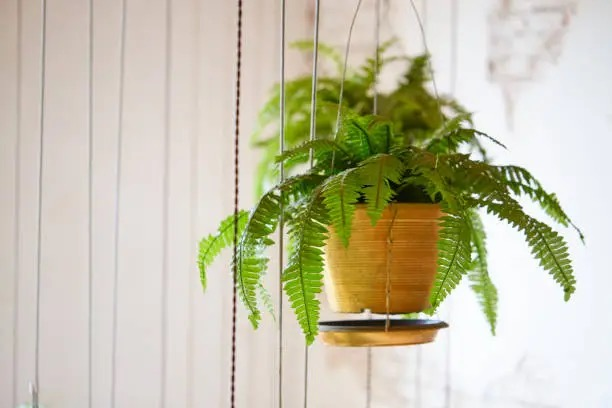
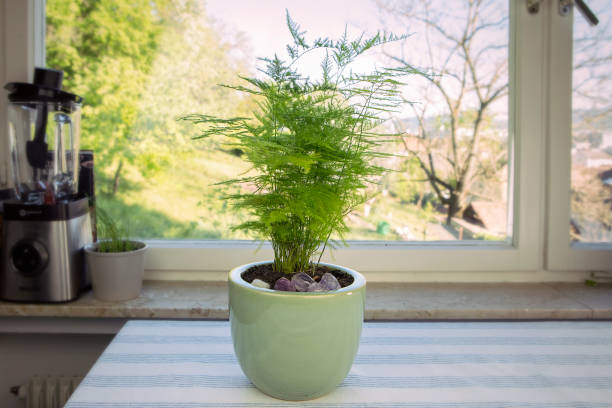
- Habit: Fast-growing and evergreen, with arching stems that trail, scramble, or climb if you give them a support. Indoors it’s a stellar tabletop or hanging-basket plant.
Fast, fun quirks (the quick tour)
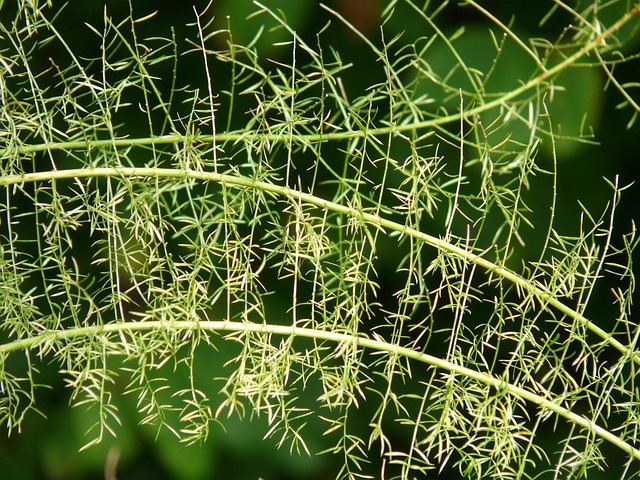
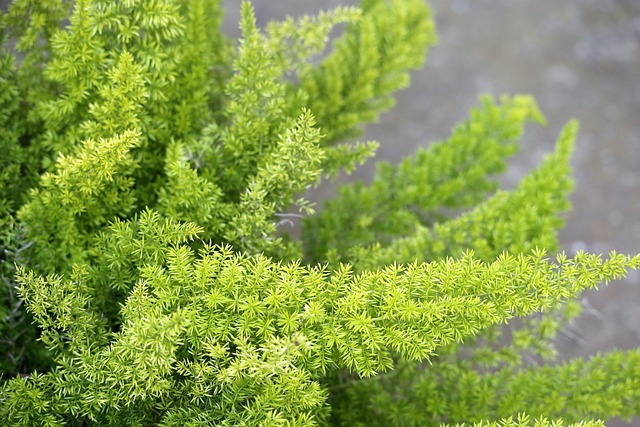
- Not a fern: Those soft “needles” aren’t leaves at all—they’re cladodes, tiny leaf-like stems that do the photosynthesizing while the true leaves are reduced to minute scales.
- Built-in water bottles: It forms tuberous roots that store water. Handy in a short dry spell, but don’t push your luck—prolonged drought still leads to crispy tips.
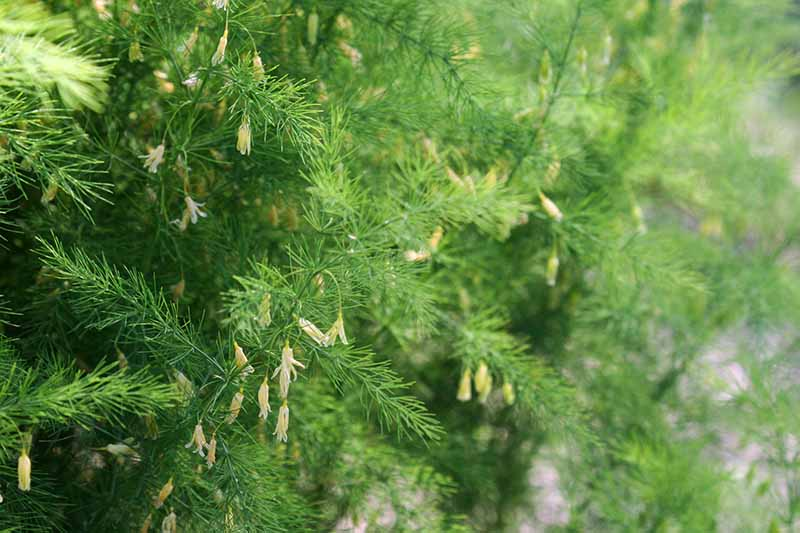
- Flowers worth a whisper: Mature plants produce petite, starry white to greenish-white blossoms. Pollinated flowers set little berries that ripen from green to deep purple-black.
- A gentle…climber with a catch: Stems are wiry and can carry small thorns, especially on older growth. Mostly it’s airy, but it can snag—so mind your sleeves.
- Why florists love it: Those feathery sprays have been a classic filler for bouquets and wreaths for decades.
- Why it’s sometimes a menace outdoors: Bird-dispersed seeds + underground persistence = a recipe for invasiveness in warm, frost-free regions.
Light, water, and air: the “middle path” care
Light
- Best: Bright, indirect light or light shade. East windows are golden; a few feet back from a bright south/west window with sheers also works.
- Avoid: Harsh midday sun that scorches and yellows the cladodes. It tolerates lower light but gets thinner and slower.
Water
- Aim: Evenly moist, never soggy. Water thoroughly, then let the top 2–3 cm (about 1 inch) of mix dry slightly before watering again.
- Never: Leave water standing in the saucer.
- Clues:
- Brown tips = low humidity or underwatering/irregular watering.
- Yellowing and collapse = overwatering or compacted, airless soil.
Humidity
- Sweet spot: Around 50%+ with reasonable airflow.
- How: Pebble tray, humidifier, grouping, or light morning mist during hot/dry spells.
Temperature and hardiness
- Comfort zone: 15–25°C (59–77°F), with best growth often around 20–25°C (68–77°F).
- Threshold: Keep above 4–5°C (39–41°F). Not frost tolerant.
- Outdoors long-term: USDA Zones 9–11 (or grow as a houseplant and bring it in for winter).
Soil and potting
- Mix: Loose, well-draining yet slightly moisture-retentive. Think quality potting mix + compost/leaf mold/peat or coco coir + perlite or coarse sand.
- Repotting rhythm: About every 1–2 years (hanging baskets often ~2 years); slower growers can go 2–3 years. Gently loosen circling roots—those tubers can fill a pot fast.
- Pot sizes: 12–15 cm (4.7–5.9 in) for standard plants; 15–18 cm (5.9–7.1 in) for hanging baskets. Larger, mature plants in 20–25 cm (7.9–9.8 in) pots are more likely to flower and set seed.
Feeding
- Spring–summer: Every 4–6 weeks with a balanced liquid fertilizer at half strength.
- Autumn–winter: Ease off to every 2 months or pause if growth stalls.
- Flower nudge: One light phosphorus-leaning “bloom” feed before the flowering period can help—no heavy dosing.
Styling and shaping
- Train it: A small trellis turns a fluffy tumble into a neat, breathable lacework. Better airflow = happier plant and better odds of blooms.
- Prune smart: In spring, remove yellow, dead, or overly long stems right at the base to make way for fresh shoots. Pinch very young tips (2–3 cm long) to encourage branching and fuller texture.
Propagation playbook
- Division (easiest): In spring, lift and split into chunks with roughly 3–5 stems (or 2–4 shoots) per division. Pot up, keep in bright shade, and maintain even moisture while they re-establish.
- Seed: Sow shallowly in a well-draining seed mix, keep warm at 20–22°C (68–72°F), and evenly moist. Soak seeds ~24 hours pre-sowing to speed things up. Germination takes a few weeks.
Flowers, berries, and a note on safety
- Season: Spring–summer into late summer–autumn; often summer into autumn indoors. Berries typically follow into autumn if conditions and pollination cooperate.
- Look closely: Flowers are small and delicate, best appreciated up close.
- Safety: Mildly toxic if ingested—berries are the main concern and can cause gastrointestinal upset in pets and people. Sap/fine foliage may irritate sensitive skin. Keep out of reach of children and pets, especially when berries are present.
Pests, problems, and quick fixes
- Usual suspects: Spider mites (especially in hot, dry air), scale, mealybugs, and occasional aphids.
- Response: Rinse foliage, then treat with insecticidal soap or horticultural oil; repeat every 7–10 days as needed. Boost humidity to deter mites.
- Diseases: Root rot from waterlogging; Botrytis/leaf blight or leaf spots in stagnant, overly wet conditions. Improve drainage and airflow; avoid late-day wet foliage.
- Stress signals:
- Yellowing: too wet, too much sun, or nutrient issues.
- Brown tips: low humidity or irregular watering.
- Leaf drop: sudden changes in light/temperature/humidity.
Indoors vs outdoors—and how it can turn invasive
- Indoors: Moderate difficulty overall (often easy once settled). Give bright filtered light, steady moisture, and decent humidity, and it will stay lush.
- Outdoors in warm months: Bright shade on east/north balconies or patios; avoid blasting sun and windy, drying spots.
- Invasiveness watch: In warm, frost-free regions it can spread vigorously—seeds are often carried by birds, and underground growth helps it rebound. It’s listed as invasive in places such as parts of Australia, New Zealand, Hawaii, and various Pacific islands.
- Garden smarts:
- Containerize in susceptible regions.
- Deadhead or remove berries to cut seed spread.
- Never dump garden waste in natural areas.
- Check local regulations before planting outdoors.
Size guide and where it shines
- Indoors: Commonly 30–90 cm (12–35 in) tall, with arching stems that can extend 1–3 m (3–10 ft) if trained and unpruned.
- In habitat: Roughly 1.8–2.4 m (6–8 ft).
- Best placements: Living room shelves, bright office corners, bedrooms, or a humidity-friendly bright bathroom. Hanging baskets show off the drape.
- Bonus: A florist’s favorite for airy “filler” greenery.
Flower language, symbolism, and history
- Symbolism: Often gifted to express enduring love and long-lasting affection—the plant’s persistent, graceful greenery stands in for steady devotion. In Feng Shui it’s associated with gentle protection, steady growth, and supportive study/work energy.
- Why it stuck: Its long history in floral design and as a resilient ornamental helped seed the “lasting love” theme; the plant keeps its poise year-round with minimal fuss.
- Laurels: Recognized for ornamental value and garden performance (e.g., by the Royal Horticultural Society).
Quick FAQ
- Why is my asparagus fern yellowing and dropping?
- Likely overwatering/poor drainage, harsh sun, very dry air, or compacted old mix. Move to bright indirect light, refresh the soil, water evenly (not soggy), and raise humidity.
- Can it grow in low light?
- It tolerates it, but growth will be thinner and slower. For that fluffy, lacey look, bright filtered light wins.
- How do I increase humidity without mold?
- Use a humidifier or pebble tray and give the plant breathing room. If misting, do it lightly and early so foliage dries by night.
- It flowers but no berries—why?
- May be too young, or pollination is poor in dense, still air. Improve light and airflow; a light bloom-leaning feed before flowering can help.
Final cheat sheet
- Do: Bright, indirect light; evenly moist, well-draining soil; 50%+ humidity; prune from the base; train on a small trellis.
- Don’t: Blast with midday sun; let it sit in water; keep it in cold, drafty spots; ignore mites in dry air.
- Remember: Cladodes, not leaves. Tuberous roots store water (but won’t save it from chronic drought). Flowers are subtle, berries can form—lovely to look at, not for snacking. In frost-free regions, keep it contained to keep it kind.