

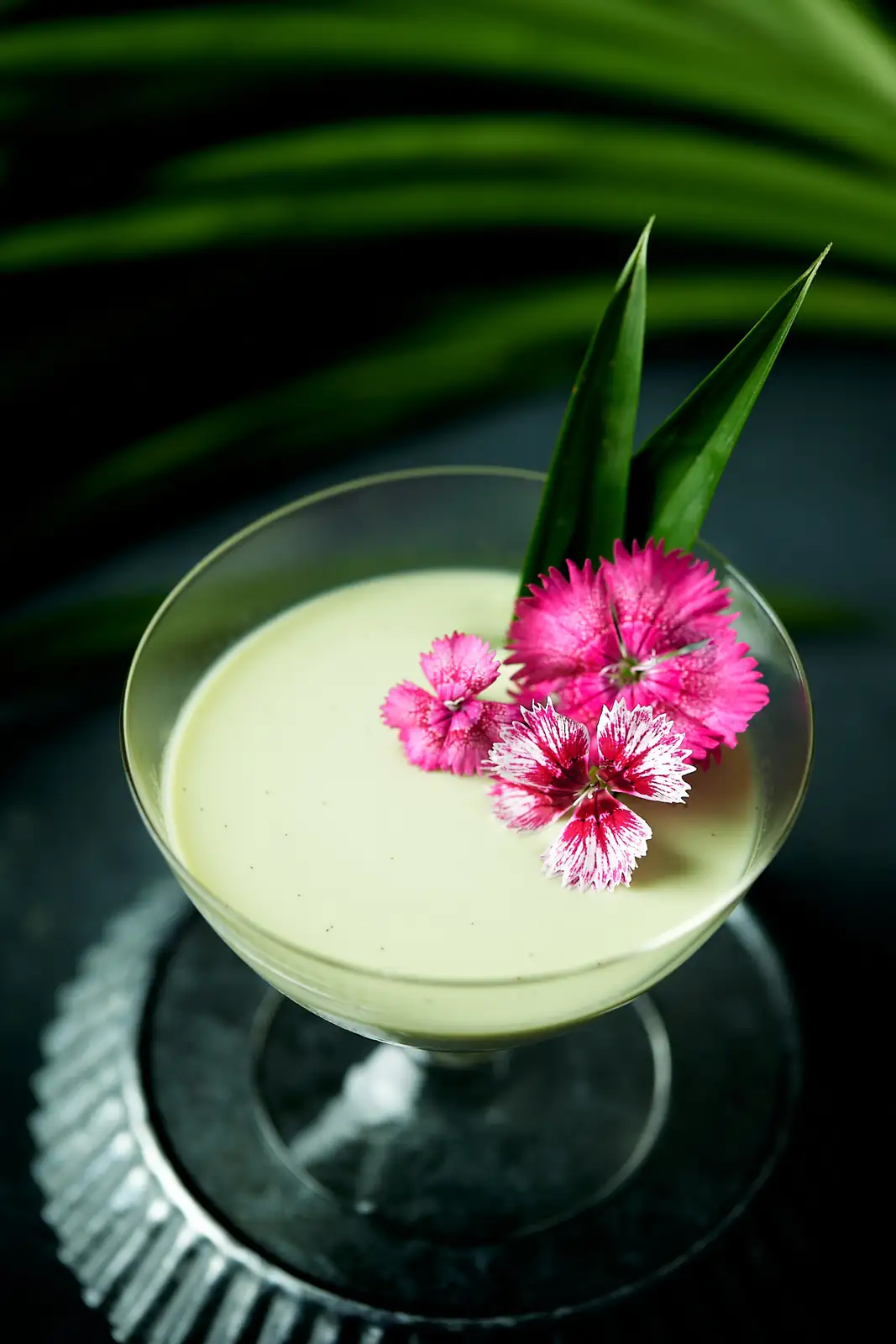
Imagine a low mound of green, bristling with fringed, candy-colored flowers that smell faintly of clove—and then imagine sprinkling those very petals over a panna cotta or a summer salad. That’s the magic of Chinese pink (Dianthus chinensis). When you grow it deliberately for the kitchen—never sprayed, carefully tended—you get blooms that are as safe to eat as they are beautiful to behold.
Here’s your field-to-fork guide: how to raise pesticide-free plants, when and how to harvest edible petals, foolproof candying, and what to know about safety for pets and people.
Meet Chinese Pink (Dianthus chinensis)—the edible-petal darling
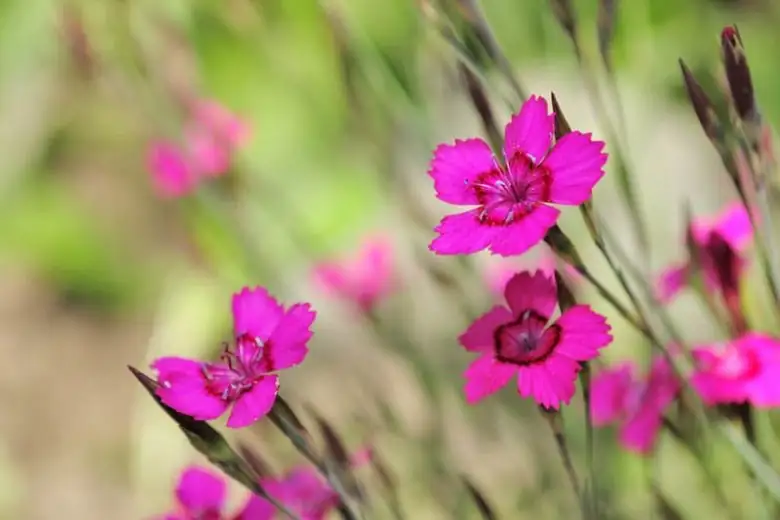
- Names you may see: Chinese Pink, China Pink, Rainbow Pink, “pinks” (a nod to the fringed, pinked edges)
- Habit and size: compact, clump-forming mounds about 20–40 cm tall (8–16 in) and 15–30 cm wide (6–12 in)
- Looks and scent: bright single or bicolor blooms, often with a dark “eye,” delicately fringed petals; many have a light, spicy clove-like fragrance
- Best season: shines in cool, bright weather—most floriferous from spring into early summer, and again in cool shoulder seasons
- Culinary note: only the petals are used for garnish; they must come from plants grown specifically for food and never treated with pesticides or other chemicals
Start clean: how to raise pesticide-free Dianthus for the table
Edible flowers should be managed like produce. Begin pure, stay pure.
1) Choose food-intended plant material
- Best: grow from seed you intend for culinary use.
- If buying starts, ask the grower, “Have these ever been treated with pesticides, fungicides, or growth regulators?” If the answer isn’t a confident “no,” don’t use them for eating.
2) Give them the right conditions
- Sun: full sun for 6–8 hours/day; in very hot summers, light afternoon shade keeps petals fresher.
- Temperature: happiest around 7–20°C (45–68°F). In heat waves, blooms can stall or crisp.
- Soil: loose, sharply drained sandy or gritty loam; neutral to slightly alkaline is ideal. Heavy clay and soggy pots are the fast track to rot.
- Airflow: space plants for breeze; it keeps petals pristine and reduces rust.
3) Water like a chef, not a sprinkler
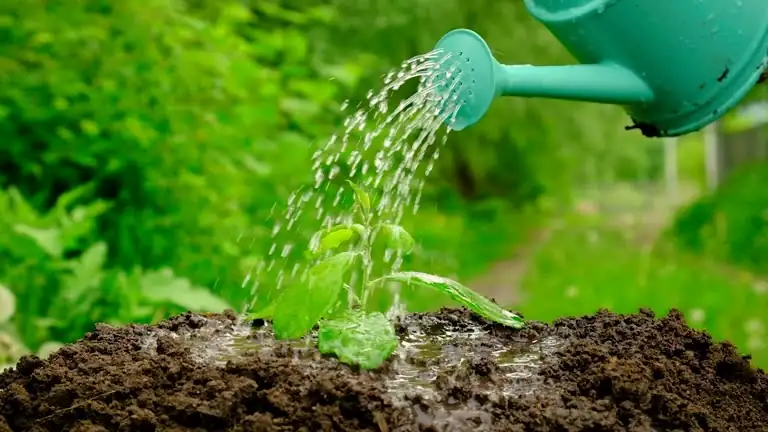
- Water at the base only. Overhead watering batters petals and invites foliar disease.
- Consider drip irrigation or a targeted spout. Mulch the soil (straw, fine bark, or a thin grit layer in containers) to limit soil splash on blooms.
- Let the top layer of mix dry slightly between waterings—never waterlog.
4) Feed gently
- During active growth, feed about monthly at half strength with a balanced fertilizer. Skip heavy nitrogen; it makes soft, disease-prone growth.
- For container plants blooming in cool weather, a light, low-nitrogen, higher-potassium feed every 10–14 days can help—use sparingly and only while growth is active.
5) Keep it no-spray
- Mechanical and cultural controls first: excellent drainage, bright sun, spacing, and regular deadheading.
- If pests appear, use no-chemical methods:
- Pinch off and discard infested tips.
- Isolate stressed plants; reduce heat stress.
- Use fine insect netting to exclude pests.
- For spider mites, which love hot, dry conditions: improve airflow, keep roots evenly moist (not wet), and wipe or rinse undersides of leaves early in the day so foliage dries quickly.
- If you ever resort to any spray (even “organic” soaps or oils), do not use those flowers for eating.
A quick grower’s calendar for edible blooms
- Sow: early autumn in many regions for spring bloom; cover seeds lightly (about 3 mm/1⁸ in). Germination at 13–15°C (55–59°F) in 7–10 days.
- Transplant: when seedlings have 4–5 true leaves into small, free-draining pots first (avoid overpotting).
- Pinch: once at 10–15 cm (4–6 in) tall for more branches and blooms.
- Bloom: often 16–17 weeks from sowing under good light and cool conditions.
- Ongoing: deadhead to extend the show; after a main flush, a light cutback encourages fresh growth.
Recognize the safe harvest stage (and prep petals the right way)
Edible-petal flavor peaks with freshness and perfection.
When to harvest
- Stage: just fully open flowers with crisp edges; avoid tight buds (bland to bitter) and past-prime blooms (flavor drops).
- Time of day: early morning or late evening when plants are cool and turgid.
- After rain or overhead moisture? Wait until petals are dry to avoid bruising and mold.
How to harvest and store

- Snip entire blossoms into a clean container; keep them shaded and cool.
- For short storage (1–3 days): refrigerate in an airtight container lined with a barely damp paper towel. Limp petals can perk up with a brief float on ice water, then pat dry.
Kitchen prep (the crucial step)
- Only the petals are edible. Gently pull petals free and discard:
- The green calyx and any attached white “claw” at the petal’s base (it’s usually bitter),
- Stamens and pistils.
- Rinse petals briefly, then pat dry on a paper towel before use.
Flavor notes and easy pairings
Dianthus petals are delicate and subtly spicy—think a whisper of clove or nutmeg. They add color first, fragrance second.
- Sweet pairings: vanilla desserts, citrus custards, berries, shortbread, dark chocolate
- Savory pairings: goat cheese, herbed ricotta, spring salads, rice pilafs, deviled eggs
- Drinks: float on lemonade or tea; freeze into clear ice cubes for show-stopping cocktails and mocktails
Use sparingly at first—a little goes a long way for aroma and texture.
Simple, reliable candying (for cakes, cookies, and cocktail rims)

Candying locks in color and shape with a delicate sugar shell.
Ingredients
- Fresh, perfectly clean dianthus petals
- 1 pasteurized egg white lightly whisked with 1 tsp water (or aquafaba for a vegan option)
- Superfine (caster) sugar
- Soft brush, tweezers, parchment-lined tray
Steps
1) Prep petals: separate and trim away any bitter white bases.
2) Paint lightly: using the brush, coat both sides of each petal with a sheer film of egg white or aquafaba.
3) Sugar: sprinkle evenly with superfine sugar until coated but not clumpy.
4) Dry: arrange in a single layer on parchment; air-dry 12–24 hours in a cool, low-humidity spot until crisp.
5) Store: in an airtight container with a food-safe desiccant or a little uncooked rice. Use within 1–2 weeks for best texture.
Safety note: Always use pasteurized egg whites for candying. If humidity softens the candy shell, re-dry briefly in a food dehydrator on the coolest setting.
Zero-spray pest and disease playbook (for edible use)
- Spider mites: most common in hot, dry spells. Keep plants unstressed and cool; prune out hotspots; increase airflow. If an infestation forces you to treat with any product, retire that plant from culinary use.
- Rust and foliar disease: avoid wet foliage; water at soil level; space plants; remove infected leaves promptly.
- Root issues: never let containers sit in water. Use sharply draining mixes and pots with generous drainage holes.
Pro tip: Good hygiene is half the battle—clean pruners, fresh potting mix, and no crowded, steamy corners.
Food safety for people and pets
- Only eat petals from plants grown intentionally for culinary use and never sprayed with pesticides or other chemicals. Don’t harvest from roadsides, public plantings, or typical ornamentals from garden centers unless you can verify they’re food-safe.
- Use correct ID: Dianthus chinensis is safe for garnish when grown chemical-free; even then, only petals are used.
- Introduce gradually: try a few petals first—some people are sensitive to pollen or floral compounds.
- Pregnancy and health conditions: while dianthus has historical medicinal references, self-medication is not recommended. If pregnant or managing a health condition, stick to small culinary amounts only and consult a professional before any herbal use.
- Pets: generally low-toxicity, but nibbling foliage or flowers can cause mild stomach upset in some pets. Keep arrangements out of reach and don’t share candied petals with animals.
Quick plating ideas you’ll actually use
- Scatter on a berry tart or lemon bars right before serving.
- Fold chopped petals into whipped cream or mascarpone for a speckled, perfumed topping.
- Press whole petals onto frosted cakes and cupcakes (or use candied petals for crunch).
- Sprinkle over a spring salad with goat cheese, toasted almonds, and a citrus vinaigrette.
- Infuse a small jar of sugar with fresh, completely dry petals for a week; sift out and use the floral sugar for shortbread.
Troubleshooting at a glance
- Leggy growth, few flowers: not enough sun. Aim for 6–8 hours and pinch once early for bushiness.
- Buds blast or petals brown in heat: provide afternoon shade and keep roots evenly moist (not wet).
- Yellowing, collapse, sour smell: drainage failure. Repot into gritty mix and a pot with ample holes.
- Flecked, stippled leaves with fine webbing: suspect spider mites; isolate, prune affected tips, and improve airflow. Do not eat from any plant you chose to spray.
A note on symbolism (flower language)
Across East Asian and Western garden traditions, dianthus often carries themes of joy, honor, affection, and good fortune. Victorian “floriography” popularized assigning meanings to flowers, and modern spins sometimes call dianthus a “guardian flower.” Treat these as charming cultural footnotes rather than rules—lovely for a table card or menu note, but not a guide to cultivation or edibility.
Grow it cool and bright, harvest only perfect, untreated petals, and keep your handling as careful as you would with berries. Do that, and Chinese pink will reward you with a season of color—and the prettiest edible confetti you can imagine.


