

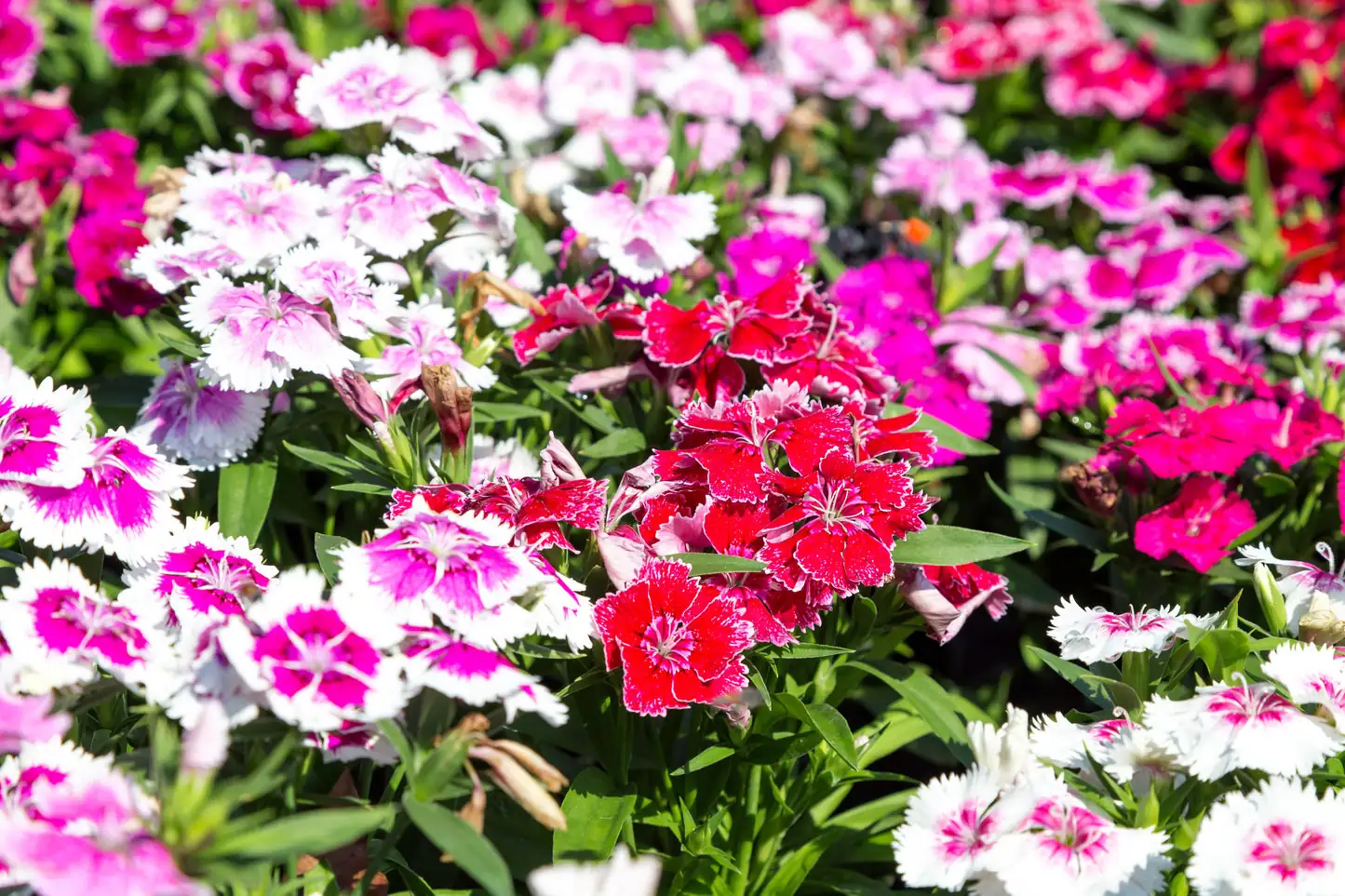
Think of Chinese pink (Dianthus chinensis) as a cool-weather confetti cannon: tiny seeds, crisp grassy foliage, and then a burst of fringed blooms with that classic clove-y sweetness. If you’ve ever wondered exactly how to go from packet to first bouquet, here’s your crisp, confidence-boosting, step-by-step playbook—sowing depth, ideal temperatures, thinning, pinching for branching, and precisely when those first flowers should pop.
Meet your plant briefly
- What it is: Chinese pink, a compact dianthus loved for bicolors and a tidy, mounding habit.
- Size: Typically 20–40 cm tall, 15–30 cm wide.
- Best conditions: Bright, cool weather and full sun (aim for 6–8 hours). It thrives around 7–20°C and stays happiest with sharp drainage and excellent airflow.
- Bloom season: In mild climates, winter to spring; more commonly spring to early summer in temperate gardens. Deadheading prolongs the show.
The seed-to-bloom game plan (about 16–17 weeks)
You can sow in early autumn for cool-season color where winters are mild, or start in late winter for spring blooms in cooler climates. Expect flowering roughly 16–17 weeks after sowing when light is strong and temperatures are cool.
- Autumn sow (mild climates): Sow in early autumn for buds and flowers through winter–spring.
- Late-winter sow (temperate climates): Start seeds indoors, keep them cool and bright, then plant out for spring–early summer bloom.
Step 1 — Sowing (Week 0)
- Containers and mix: Use clean seed trays or small cells filled with a fine-textured, free-draining seed mix. Dianthus despises soggy, heavy media.
- Depth matters: Cover seeds very lightly—about 3 mm (1/8 inch) of mix is perfect.
- Ideal germination temperature: Keep the tray at 13–15°C (55–59°F). This cool range is the sweet spot.
- Moisture: Moisten the mix evenly before sowing; then keep it evenly damp (not wet). A loose cover (clear lid or film with air gaps) helps hold humidity until sprouts appear.
- Light: Bright, indirect light is ideal. Don’t bake them on a hot windowsill.
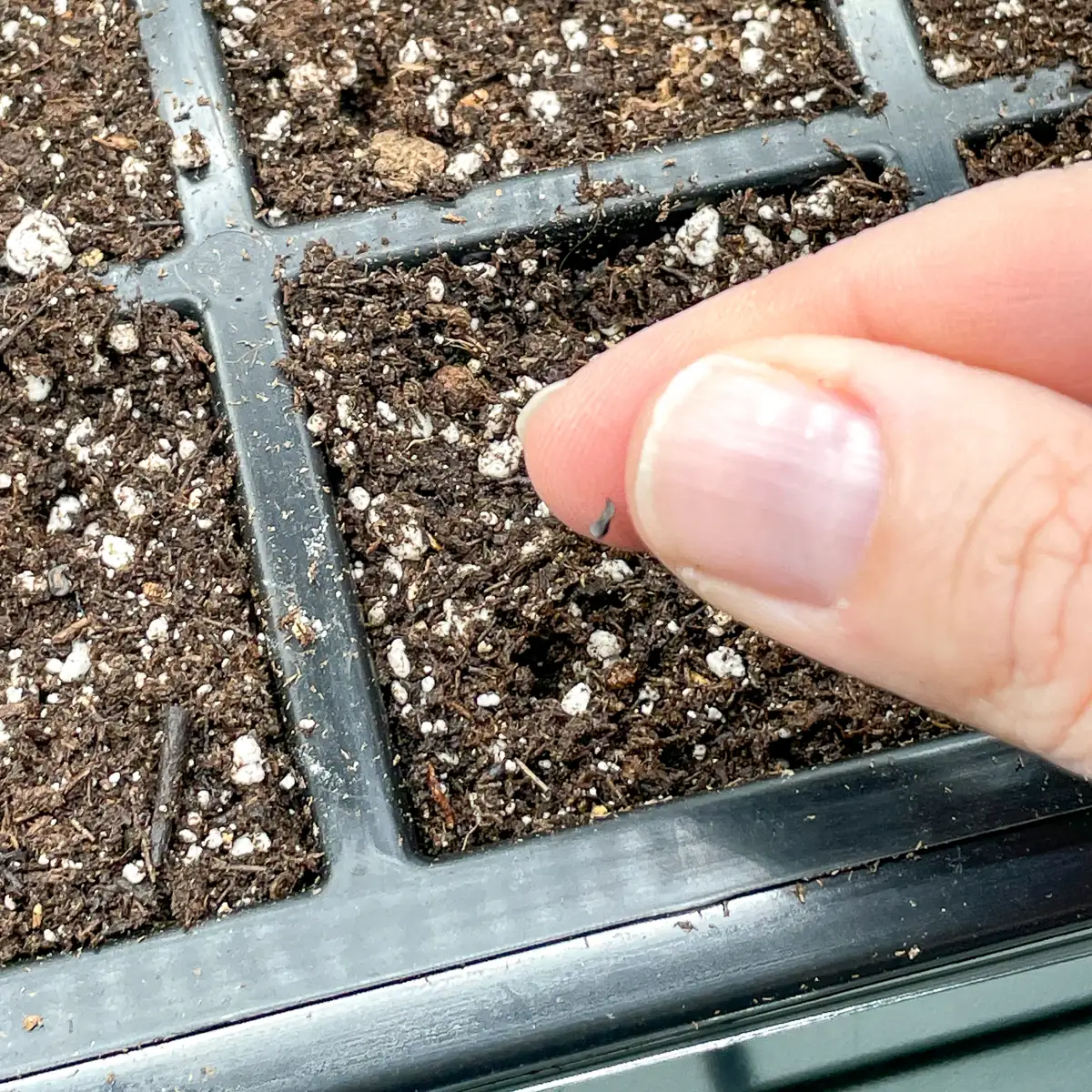
What you’ll see: Germination typically takes about 7–10 days. If your room is cooler or the seed is older, it can run a bit longer—stay patient and avoid overwatering.
Step 2 — After germination (Days 7–14)
- Remove the cover as soon as most seeds sprout to reduce damping-off risk.
- Give seedlings strong, cool light and plenty of air movement. A small fan on low helps.
- Water at soil level; never leave trays sitting in water.
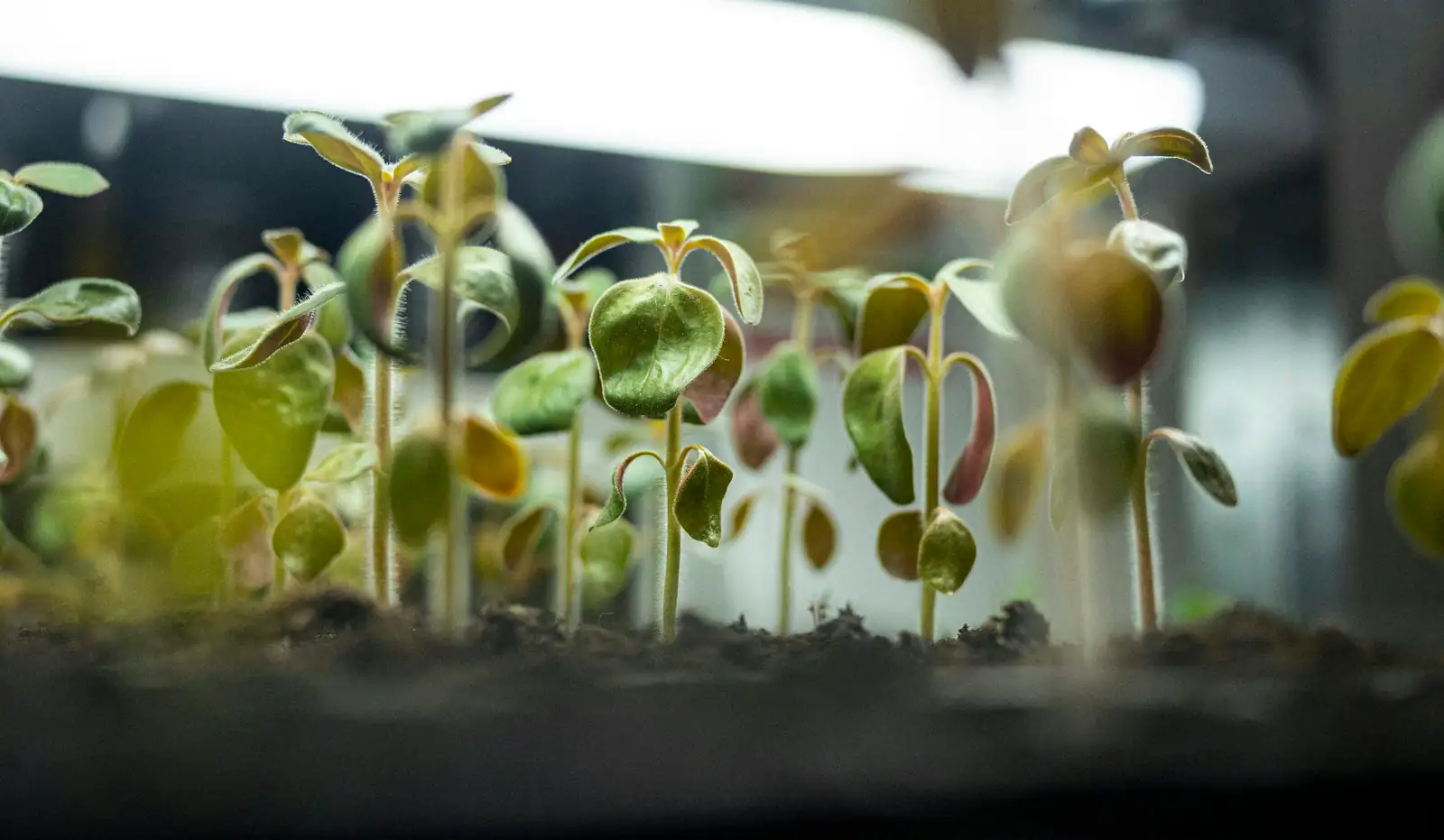
Common pitfalls now:
- Leggy seedlings = not enough light or too warm. Move closer to bright light and nudge temps toward the cool side of the range.
- Sudden collapse at soil line = damping-off. Improve airflow, water in the morning at the base, and let the surface dry slightly between waterings.
Step 3 — Thinning and spacing (Weeks 2–3)
- If you broadcast-sowed in trays, thin to one strong seedling per cell or small pocket of mix by snipping extras at the base (don’t yank).
- Direct-sown outdoors? Thin to about 20–25 cm (8–10 in) between plants once seedlings have a couple of true leaves. That spacing matches the plant’s mature spread and airflow needs.
Step 4 — First transplant (Weeks 3–5)
Transplant when seedlings have 4–5 true leaves.
- Pot size: Move to a small pot first—about 10–12 cm (4–5 in) diameter—with excellent drainage. Avoid overpotting, which keeps soil wet too long.
- Soil: Loose, fertile, and very well-drained—sandy or gritty loam. Dianthus appreciates neutral to slightly alkaline media; a pinch of garden lime is welcome if your mix skews acidic.
- Nutrition: No heavy feeding. Start gently later (see Step 6).
If planting out: Harden off for 7–10 days. Choose a sunny site with sharp drainage. Water at the base and keep crowns just above the soil surface.
Step 5 — Pinch for branching (Weeks 4–6)
When plants reach 10–15 cm (4–6 in) tall, pinch out the main growing tip just above a leaf node (often the 3rd–4th node).
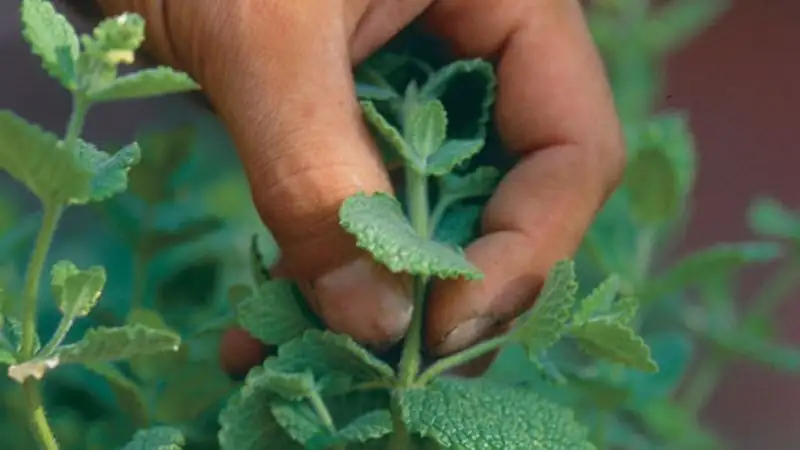
- Why it matters: Pinching redirects energy into side shoots, multiplying future flowering stems and creating a fuller, mounded plant.
- Aftercare: Give bright light and steady moisture at the root zone to power new breaks.
Step 6 — Grow-on and gentle feeding (Weeks 6–12)
- Light: Full sun is key (6–8 hours). In hot spells, light afternoon shade keeps blooms crisp.
- Watering: Water when the top layer of soil dries—lightly moist, never soggy. Always water at soil level to keep foliage and petals dry.
- Airflow: Space plants well and avoid crowding to reduce rust and rot pressure.
- Feeding: During active growth, feed about monthly with a balanced fertilizer at half strength. Avoid fast, heavy nitrogen; it invites weak growth and disease. For container displays in cool bloom weather, a low-nitrogen, higher-potassium feed every 10–14 days can help—apply lightly and only while plants are actively growing.
Watch for issues:
- Spider mites love hot, dry stress—improve airflow and treat early with gentle horticultural soap or oil.
- Rust and rot follow still, humid air and wet foliage—water at the base and keep spacing generous.
Step 7 — Buds to first flowers (Weeks 12–17)
With bright light and cool conditions, expect the first flush about 16–17 weeks from sowing.
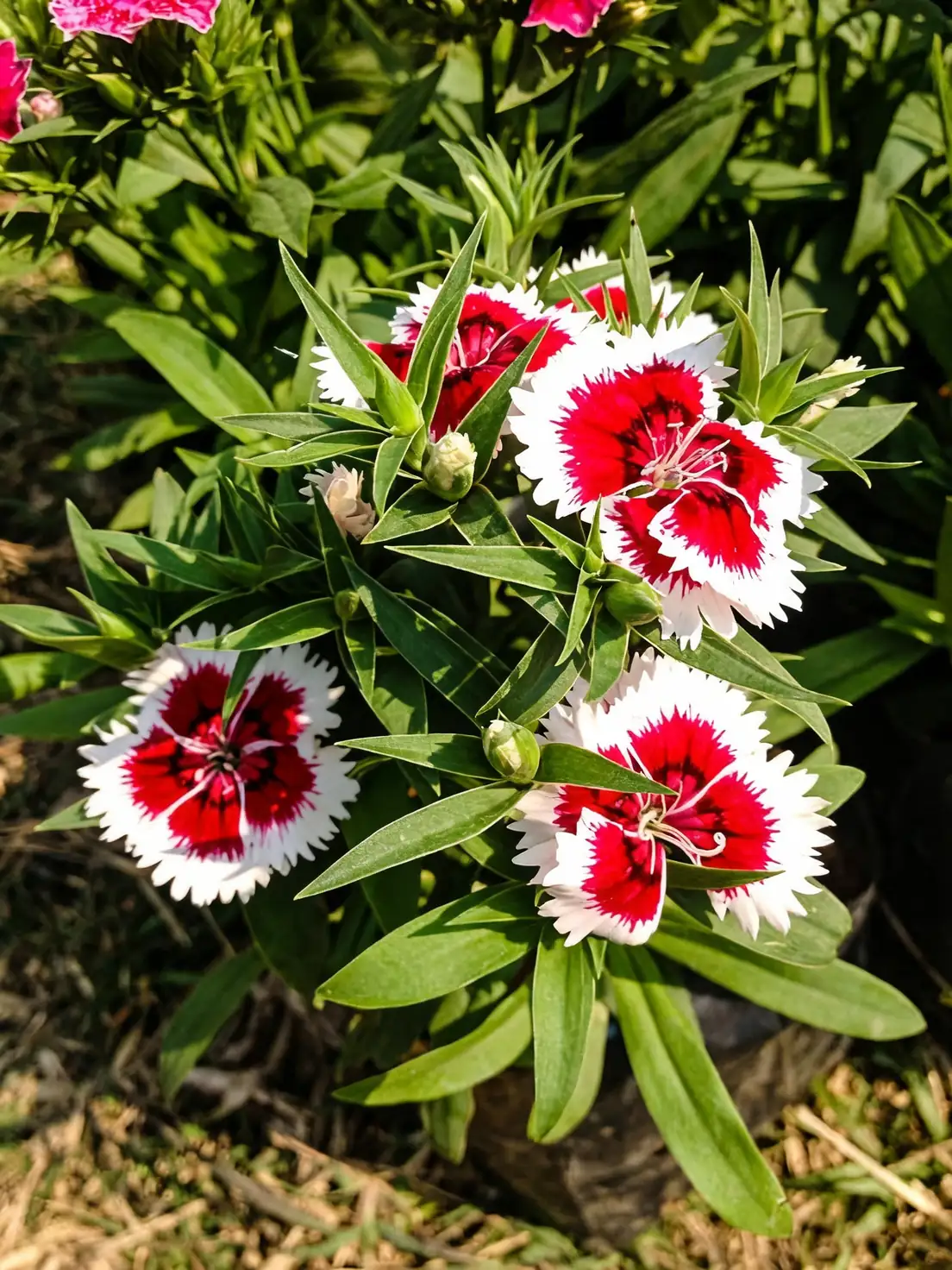
- Bloom window:
- Mild climates: winter–spring, often extended with regular deadheading.
- Temperate gardens: spring to early summer; bloom quality dips in extreme heat.
- Extend the show: Deadhead spent blooms promptly. In longer seasons, shear lightly after a big flush to spark follow-up flowering.
Direct-sowing outdoors (for the right climates)
- Timing: Sow in early autumn where winters are mild, or in very early spring once the soil is workable in cooler regions.
- Depth and spacing: Cover seeds with 3 mm (1/8 in) of soil. Keep evenly moist until germination. Thin to 20–25 cm (8–10 in) once seedlings have a couple of true leaves.
- Site: Full sun, fast drainage, and good air movement set the stage for nonstop color.
A fast timeline you can pin to your potting bench
- Week 0: Sow; cover 3 mm; hold 13–15°C.
- Week 1–2: Germination; uncover; give bright, cool light; begin gentle airflow.
- Week 3–5: Transplant at 4–5 true leaves into 10–12 cm pots; keep media sharply drained.
- Week 4–6: Pinch at 10–15 cm tall to boost branching.
- Week 6–12: Grow on in full sun; water at the base; modest feeding; maintain airflow.
- Week 12–17: Buds swell and open; deadhead to keep the carousel turning.
Quick troubleshooting
- Poor germination: Sowing too deep, temps too warm, or mix kept soggy. Re-sow lightly at 3 mm and hold 13–15°C.
- Seedlings flop or stretch: Raise light intensity and cool the room; add airflow.
- Yellow, lush foliage but few buds: Too much nitrogen or not enough sun. Dial back feed; move to brighter light.
- Buds blast or flowers spot: Wet foliage + still, humid air. Water at the base and space for breeze.
- Mites (fine webbing, stippling): Improve vigor with better watering rhythm and airflow; use horticultural soap or oil early.
Small-space and container tips
- Choose a gritty, free-draining potting mix and containers with large drainage holes.
- Top-dress with fine gravel around the crown to keep it dry and clean.
- Let the surface dry slightly between waterings; never let pots sit in saucers of water.
A brief note on meaning and “flower language”
Across many cultures, dianthus is linked with joy, affection, and admiration; Chinese pink often gets tied to good fortune and honor in ornamental lore. Treat “flower language” as a cultural tradition rather than botanical fact—it’s a human story layered on a plant we love. In the garden, you’ll feel that “meaning” most clearly when pinching early turns one sprig into a chorus of stems and your first cool-day bloom carries that faint clove-like perfume.
Safety note: Petals are sometimes used as a garnish, but only from plants grown specifically for culinary use and never treated with pesticides. Keep curious pets from nibbling; mild stomach upset is possible.
With the right sowing depth, cool germination, a decisive early pinch, and steady airflow, Dianthus chinensis rewards you quickly and generously—precisely the kind of plant that makes seed-starting feel like a superpower. Happy sowing!


