
Picture a cool spring morning: the kind of day that makes colors seem louder. In a pot by a courtyard gate, a pint-sized plant throws confetti—fringed petals with a dark, daring “eye,” a hint of clove on the breeze. That little firecracker is Dianthus chinensis—Chinese Pink—born in China, baptized in Greek as “the flower of the gods,” and now a globe-trotting charmer in window boxes and borders everywhere.
A name fit for Olympus—and a life rooted in China
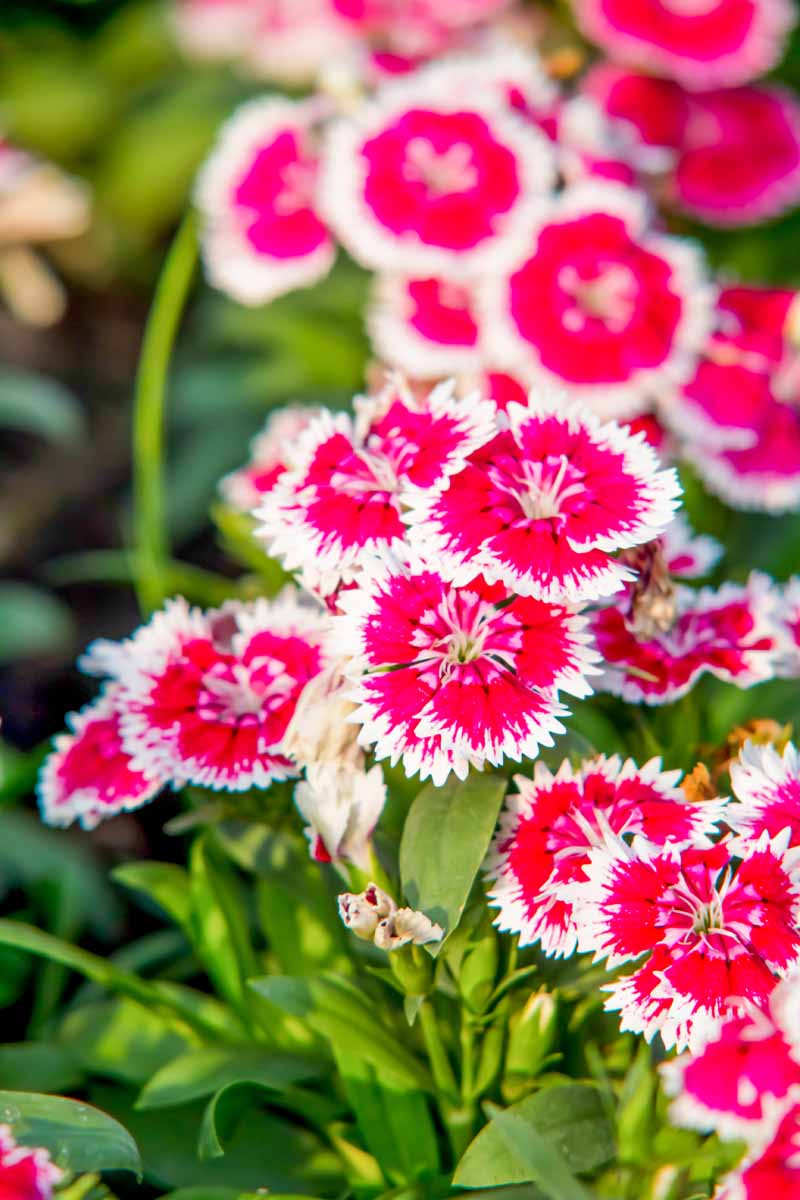
The genus name Dianthus comes from the Greek dios (of Zeus, or “divine”) and anthos (flower). Ancient botanists such as Theophrastus loved these perfumed, notched-petal blooms so much they gave them celestial billing: the “flower of the gods.”
In China, the plant answers to 石竹 (shízhú), often rendered “stone bamboo”—a poetic nod to its wiry, jointed stems and its fondness for sunlit, well-drained, sometimes stony ground. Chinese Pink belongs to the carnation family, Caryophyllaceae, but don’t mistake it for the tall florist carnation; this one is typically a compact, clump-forming gem, perfect for today’s small-space gardens.
- Native home: China
- Habit and size: mounding and upright to about 20–40 cm tall, 15–30 cm wide
- Look and scent: bright single flowers, often serrated or finely fringed, in pink, red, white, purple, and flashy bicolors—frequently with a dramatic darker “eye”; a light, spicy clove-like fragrance is common
- Season: at its best in cool weather—winter to spring in mild climates; spring to early summer in temperate gardens
Mentions in East Asian tradition
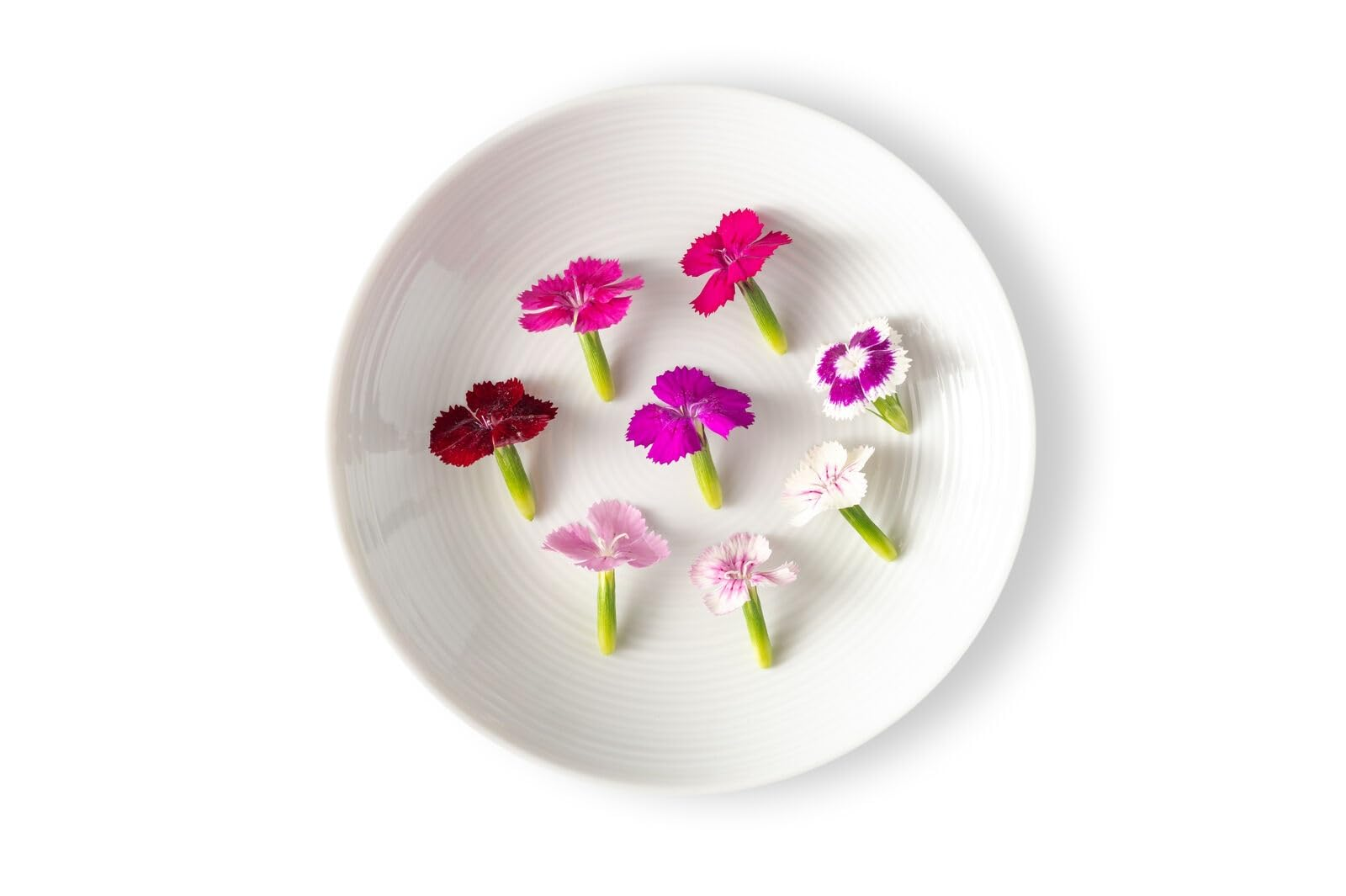
Chinese Pink has long appeared in East Asian ornamental culture and traditional herbals—entries that reflect its cultural presence more than modern clinical use. Petals have occasionally made their way onto festive plates as a garnish, but only when flowers are grown specifically for culinary use and absolutely chemical-free. Historically noted does not mean medically recommended; today, any medicinal self-use should be approached with professional guidance and special caution during pregnancy.
From courtyard favorite to global garden star
How did a cool-loving Chinese native become a staple from London stoops to Los Angeles balconies?
- Early admiration: Its tidy habit, elegant grass-green leaves, and perfumed, patterned blooms made it a natural for pots and courtyard beds in China.
- East Asian spread: Over centuries, it was grown, shared, and naturalized in parts of the region beyond China, weaving itself into local plantings and records.
- The age of plant exchange: As plant exploration and trade accelerated, seeds and clumps slipped into botanic gardens and nurserymen’s hands. European gardeners, smitten with bold bicolors and crisp markings, ushered it into the bedding-plant craze.
- Modern breeding: Selection and hybridization honed compact shapes, earlier and longer bloom, and color breaks from porcelain-pale to electric magenta. Today’s cultivars are container-smart, floriferous, and refreshingly unfussy in cool conditions.
Why gardeners fall in love with Chinese Pink
- Cool-season fireworks: It flowers hardest in bright, mild weather, just when many borders are yawning awake.
- Pattern play: Bicolors with dramatic “eyes” pop in mass plantings and small pots alike.
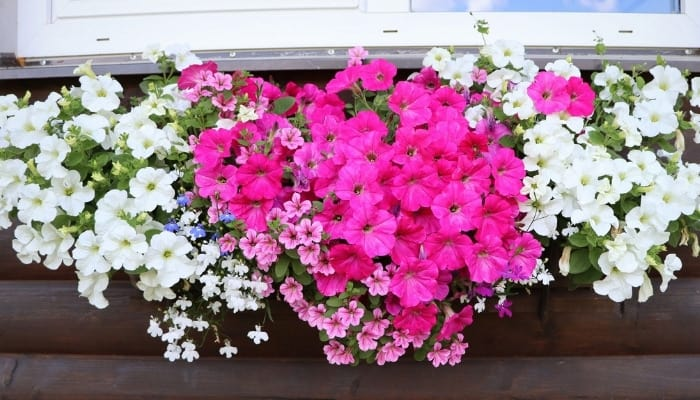
- Container natural: Compact, branching plants thrive in window boxes and balcony planters.
- Gentle fragrance: A light clove note invites you in without overwhelming small spaces.
- Cuttable charm: Short stems, long-lasting blooms—perfect for posies and small bouquets.
Growing it like it remembers the mountains
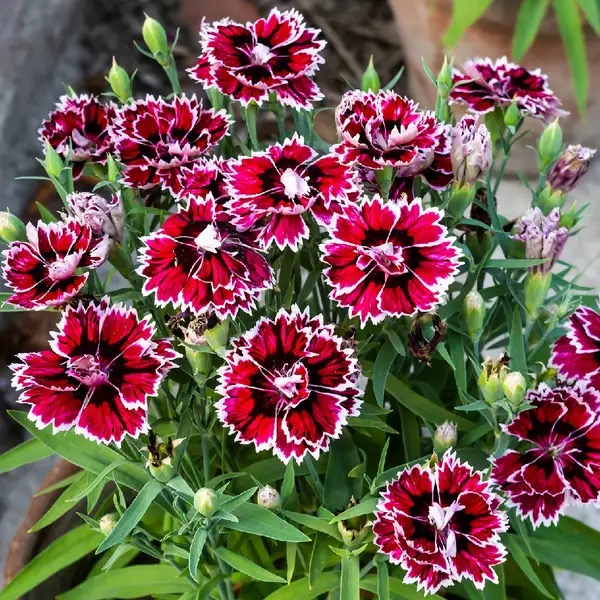
Give Chinese Pink the bright sun and sharp drainage of its heritage, and it will respond with weeks of color.
- Sun: Full sun for 6–8 hours is ideal; in very hot summers, a little afternoon shade helps petals stay perky.
- Soil: Loose, fertile, very well-drained sandy or gritty loam; neutral to slightly alkaline is welcome. In pots, prioritize drainage.
- Water: Water when the top layer dries; keep evenly moist but never soggy. Always water at the base—wet foliage encourages rust and rot.
- Airflow: Low humidity or excellent ventilation keeps foliage clean and pest pressure low.
- Temperature: Best around 7–20°C (45–68°F). Brief dips to about -10°C (14°F) are tolerated, but winter wet is a bigger enemy than cold.
- Habit help: Pinch once at 10–15 cm tall to encourage branching; deadhead to extend bloom. After a main flush, a light trim keeps plants tidy.
- Feeding: During active growth, feed monthly at half strength or use a gentle slow-release fertilizer. Favor modest, steady nutrition.
- Lifespan and zones: Often grown as a cool-season annual or short-lived perennial; roughly hardy in USDA 6–9, with performance hinging on drainage and winter wet.
- Pests and diseases: Watch for spider mites in hot, dry spells; increase humidity around the plant (not on the leaves), improve airflow, and use horticultural soap or oil early if needed. Avoid crowding and soggy soil to sidestep rust and root issues.
- From seed: Sow in early autumn where cool-season color is desired; cover lightly (about 3 mm). Expect germination in 7–10 days at 13–15°C and first flowers roughly 16–17 weeks later with good light and temperatures.
Safety note: Petals can be used as garnish only from plants raised specifically for culinary use and never treated with chemicals. For pets, it’s generally low-toxicity but may cause mild tummy upset—discourage nibbling.
Flower language: how meanings took root
In the broader lore of dianthus, the “flower of the gods” carries a bouquet of meanings—affection, admiration, guardianship. Chinese Pink in ornamental culture is often linked with joy, good fortune, and honor. Much of this “flower language” is a blend of:
- Classical echoes: The genus’s divine Greek name lends a halo of esteem.
- Victorian sentiment: Europe’s 19th-century passion for assigning meanings to blooms amplified associations with love and virtue.
- Modern tradition: Contemporary garden writing and gifting customs keep those themes alive.
Read these as poetic traditions rather than fixed, ancient rules. If a pot of Chinese Pink brings someone luck at a new doorstep or brightens a study window through exam season, that lived meaning is the one that matters.
A brisk timeline
- Ancient Greece: “Dianthus,” the divine flower, earns its exalted name.
- China: Chinese Pink takes root—literally and culturally—in gardens and herbals.
- Plant exchange era: Seeds travel; botanic gardens and nurseries popularize its cool-season sparkle.
- Today: Compact, long-blooming cultivars light up containers, edges, and cutting jars from spring’s first good days into early summer—with a second encore where heat is kind.
Chinese Pink isn’t loud or tall. It wins by wit and timing: a compact chorus of fringed petals, perfectly on cue when the air is bright and the soil still cool. From its Chinese homeland to your balcony rail, it keeps the same simple promise—a small plant with a big smile, and just enough clove on the breeze to make you pause.