

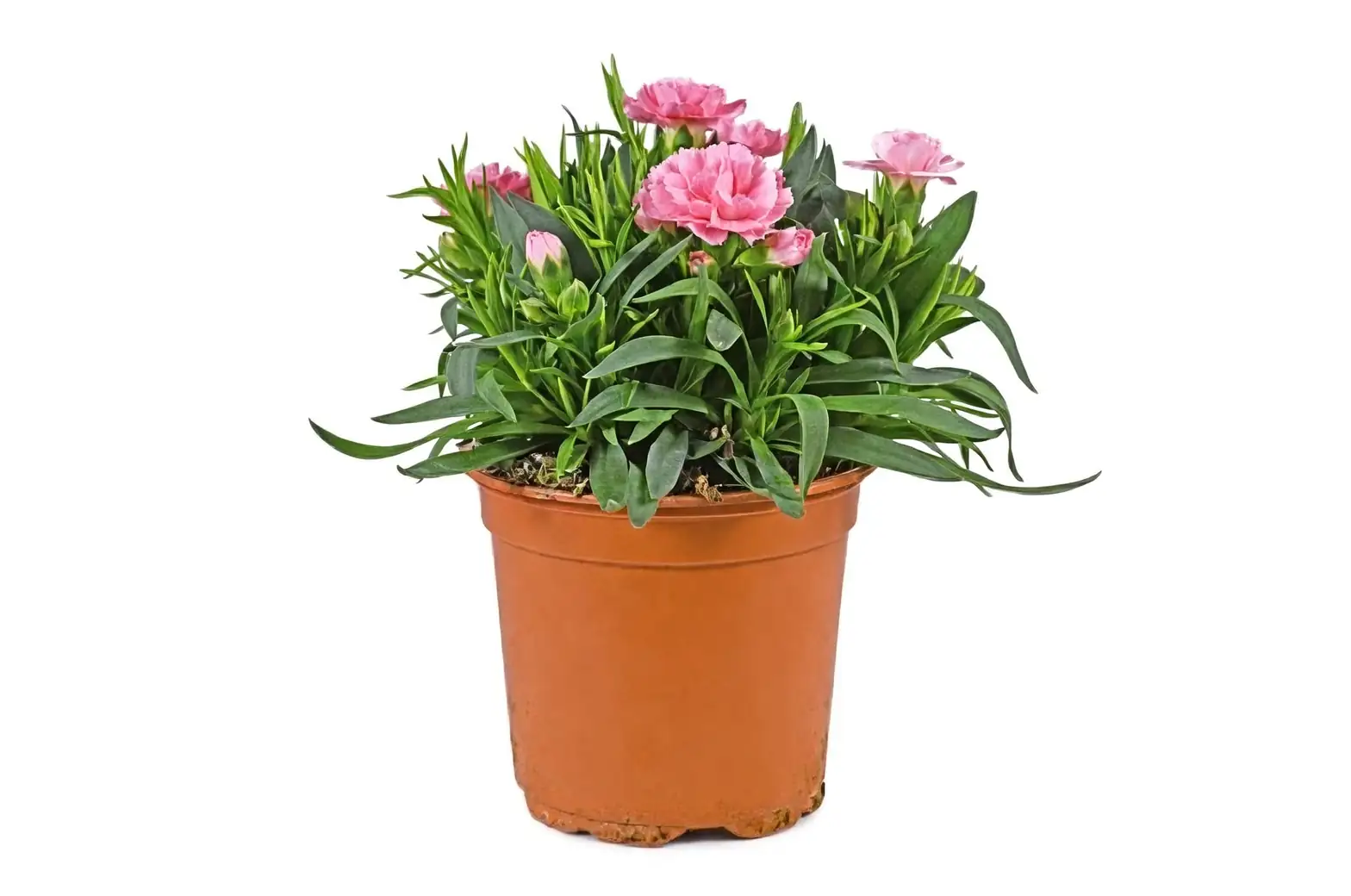
If you love flowers that work hard in cool, bright weather and still look crisp in containers and borders, Chinese pink (Dianthus chinensis) is your ally. Think fizzy, fringed petals with a spicy clove hint, compact mounds of grassy foliage, and color that keeps coming when nights are cool. Here’s a climate‑smart, no‑nonsense playbook for more flowers, fewer problems—down to exact light targets, a seasonal watering rhythm, airflow tricks, and rot‑proof mixes for pots and beds.
Meet Dianthus chinensis at a glance
- Habit and size: Compact, clump-forming mounds, typically 20–40 cm tall, 15–30 cm wide.
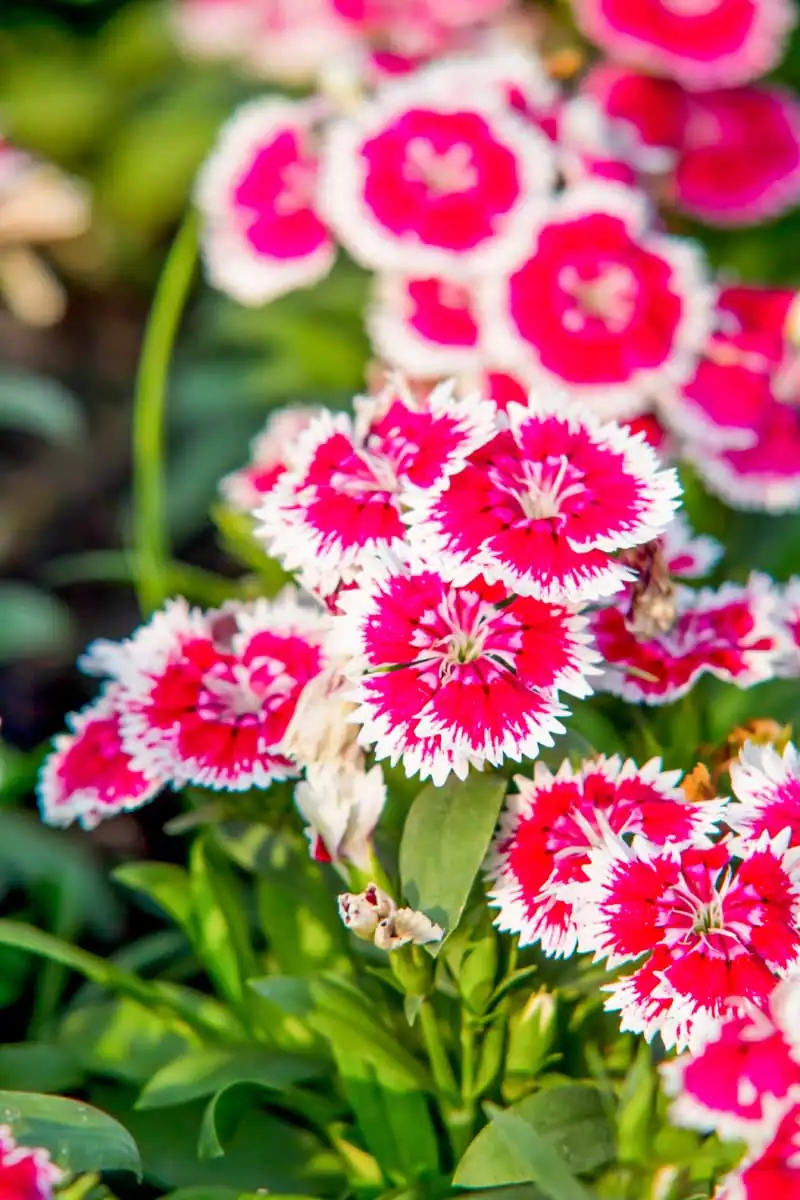
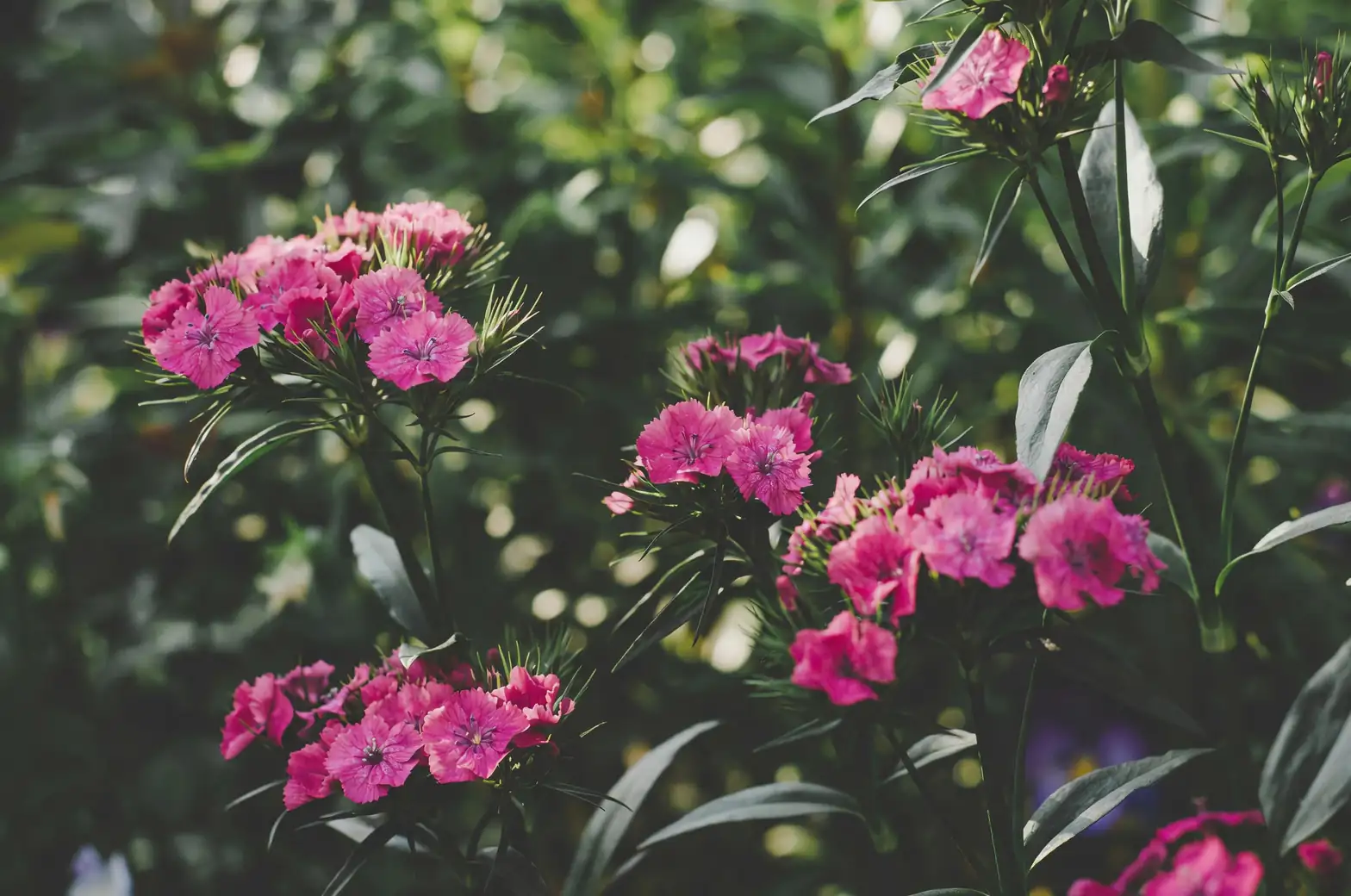
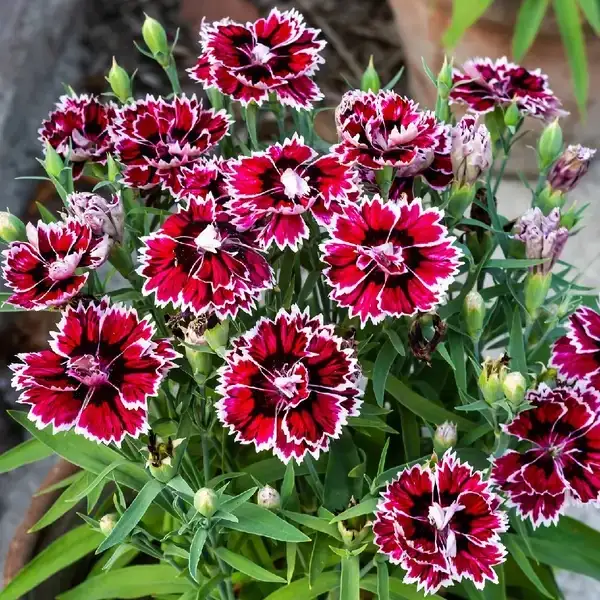
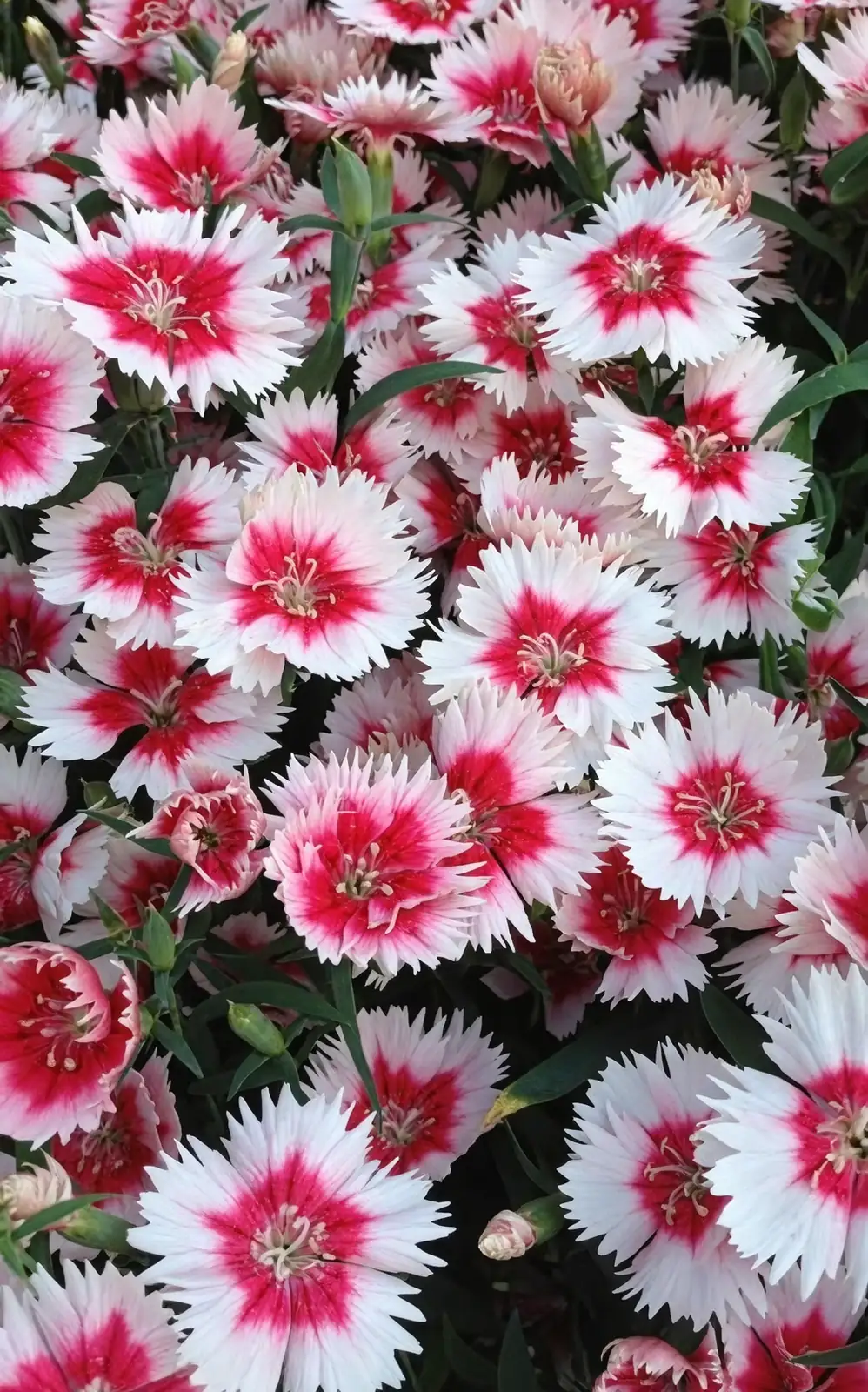
- Bloom: Pink, red, white, purple, and striking bicolors (often with a darker “eye”); best in cool to mild conditions.
- Fragrance: Light, spicy clove-like note (varies by variety).
- Hardiness and use: Commonly grown as a cool-season annual or short-lived perennial, roughly USDA 6–9 (winter wet is the big limiter). Excellent for containers, window boxes, and sunny borders.
Light that drives bloom (exact targets you can hit)
Dianthus chinensis blooms heaviest in bright, cool light. Target these numbers and you’ll see the difference.
Outdoors (best for bloom density)
- Hours: Full sun, aim for 6–8 hours daily.
- Hot-summer tweak: In regions with intense summers, give morning sun + light afternoon shade to keep petals crisp and plants stress-free.
- Daily Light Integral (DLI): Aim for 15–25 mol/m²/day. This naturally happens in full sun during cool seasons.
- Microclimate tip: East or southeast exposure with good breeze = vivid color and longer-lasting flowers.
Indoors/balconies and window boxes
- Window target: At least 4–6 hours of direct sun on a bright south or east window. Midday intensity of 15,000–25,000 lux is a good baseline.
- LED assist (if window light is marginal): Provide 200–300 µmol/m²/s at the canopy for 12–14 hours/day. Keep lights 20–30 cm above foliage; ensure airflow to dissipate heat.
- Rotation: Quarter-turn pots weekly for even, sturdy growth.
A watering rhythm that changes with the season
General rule: keep the mix lightly moist but never soggy; always water at the base and avoid wetting petals and foliage.
- Spring (prime growth): About once a week in containers, when the top 2–3 cm of mix is dry. Water early morning; let 10–15% excess drain.
- Early summer/heat waves: Increase frequency to 2–3 times weekly in fast-draining pots if heat and wind demand it—but only when the top layer is dry. In-ground plants may need deep water every 5–7 days in sandy soils; less often in loams.
- Autumn to winter (cool-season bloom in mild climates): Keep evenly moist—not wet. Expect roughly every 7–10 days in containers as growth slows. Protect from winter wet; fast drainage matters more than warmth.
- Arid climates: Use a slightly more retentive but still airy potting blend (see mixes below). Deeply soak, then allow the surface to dry.
- Humid climates: Water earlier in the day and lean into faster-draining media. Never let pots stand in saucers of runoff.
Pro move: Use the lift test for pots—know the “just-watered” weight versus the “needs-water” weight. It’s more reliable than the calendar.
Airflow tricks that beat mites, rust, and rot
Chinese pinks like bright, cool air—not steamy stagnation.
- Spacing: 20–25 cm between plants in borders; one plant per 20–25 cm pot for best airflow in containers.
- Elevate: Set pots on feet or grids so water escapes and air reaches the drain holes.
- Breeze lanes: Place containers where morning breezes pass—balcony railings, near but not flush against walls (keep 10–15 cm clearance).
- Indoors: A small oscillating fan on low, a few hours a day, keeps foliage dry and deters spider mites.
- Water at soil level: Drip, spout, or narrow rose; avoid leaf splash to reduce rust.
- Top-dress with grit: A 1–2 cm layer of coarse sand or fine gravel around the crown dries quickly and discourages crown rot.
Potting mixes that prevent rot (and still feed flowers)
Dianthus chinensis thrives in loose, lime-friendly, very well-drained media. Choose the recipe for your climate and container.
Container mixes (by climate)
- Temperate/balanced:
- 40% fine pine bark
- 30% perlite or pumice
- 20% coarse sharp sand or granite grit
- 10% quality compost
- Add 1–2 tbsp dolomitic lime per 4 L (1 gal) of mix to keep pH ~6.8–7.4
- Humid/coastal:
- 50% perlite/pumice
- 30% fine pine bark
- 10% coarse sharp sand/grit
- 10% compost
- Same lime addition as above. This drains fast and keeps crowns dry.
- Arid/high-evaporation:
- 40% fine pine bark
- 25% perlite
- 20% coco coir (adds gentle retention)
- 15% compost
- Lime as above; don’t skip the grit in top-dress.
Pot choice and planting depth:
- Start small: 10–12 cm diameter pots for young plants; avoid overpotting, which keeps soil wet too long.
- Material: Terra-cotta or breathable nursery pots with multiple holes.
- Planting: Keep the crown at or just slightly above the final soil line. Top-dress with grit, not bark.
- Avoid saucers of standing water and heavy water reservoirs during cool seasons.
In-ground borders and beds
- Soil: Sandy or gritty loam, neutral to slightly alkaline. Heavy clay is the classic failure point—amend generously with sharp grit and coarse sand.
- Elevation: Plant on slight berms or 5–8 cm mounds to shed water from the crown.
- Mulch: Skip dense organic mulches at the crown; use gravel or grit for a fast-drying surface.
Feeding for sturdy, floriferous plants
- During active growth: Balanced fertilizer monthly at half strength or a gentle slow-release.
- For cool-season container bloom: Switch to a low‑nitrogen, higher‑potassium feed every 10–14 days, lightly, while plants are clearly growing.
- Avoid heavy, fast-acting nitrogen—it stretches growth and invites rot.
Pinching, deadheading, and seasonal tune-ups
- Pinch once at 10–15 cm tall to encourage branching and more flowering stems.
- Deadhead regularly: Snip spent stems back to a side shoot or healthy leaves to keep blooms coming.
- After a main flush (in climates where it overwinters): Shear lightly to prompt fresh growth.
Climate cues and calendar
- Sowing from seed: Early autumn works well. Cover lightly (~3 mm). Germinates in 7–10 days at 13–15°C; flowering often begins ~16–17 weeks later, light/temperature permitting.
- Temperature sweet spot: Best growth ~7–20°C. Brief dips to about −10°C can be tolerated, but prolonged hard freezes and winter wet cause losses.
- Heat management: In hot spells, provide afternoon shade, water early, and watch for mites. Flowering may pause in extreme heat; it rebounds as temperatures cool.
Troubleshooting fast
- Lanky, few blooms: Light is too low. Increase sun hours or supplement; improve DLI to 15–25 mol/m²/day.
- Wilting but soil is wet: Root rot risk. Improve drainage, elevate pot, prune for airflow, allow the top layer to dry more between waterings.
- Crispy leaf tips: Underwatering or fertilizer salts. Flush pot with clear water; adjust rhythm.
- Rusty spots on leaves: Too humid/still air. Increase spacing, water at soil level, and improve airflow.
- Fine webbing/yellow stippling: Spider mites, common in hot, dry weather. Rinse undersides, improve airflow, then treat early with horticultural soap or oil.
Smart plant shopping
Pick compact, thick-stemmed plants with tight branching, evenly green leaves, and abundant buds. Skip any with stippling, webbing (mites), or leaf spots.
Safety and edibility
Generally low-toxicity. Petals are sometimes used as a garnish, but only from plants grown specifically for culinary use and never treated with pesticides. If pets nibble, mild stomach upset is possible—discourage chewing.
Design quick hits
- Containers and window boxes: Solo or mixed with airy grasses and silver foliage. Keep neighbors from crowding the crown.
- Borders and edging: Repeats of bicolors create a dotted-ribbon effect; morning sun along paths keeps petals fresh.
- Cutting: Snip in the cool of morning when 1–2 flowers per stem are open for a small, long-lasting posy.
Flower language, meaning, and where it comes from
Dianthus carries a long cultural halo—the genus name is often read as “flower of the gods.” In modern ornament, Chinese pink is linked with joy, good fortune, and honor; broader dianthus lore speaks to affection and admiration. These meanings were popularized through centuries of garden use and later amplified by Victorian “floriography,” a code of sentiments exchanged in bouquets. Take them as poetic tradition rather than rules—lovely stories that travel with the flowers, not scientific truths.
Ready to grow climate-smart Chinese pinks? Give them bright, cool light, let their crowns breathe, keep water moving through a gritty mix, and deadhead with gusto. Do that, and Dianthus chinensis will repay you with a long, colorful chorus—especially when the air turns crisp.


