If you’ve ever watched a Boston fern crisp up because you missed a watering, water culture can feel like turning chaos into calm. Nephrolepis exaltata naturally thrives where air is humid and roots stay evenly moist—two things LECA or stones plus a small reservoir can deliver on autopilot. This guide walks you through rinsing the roots, setting up a simple semi-hydro system, dosing gentle nutrients, nailing your water-change rhythm, and reading the “body language” of happy hydro roots.
What “water culture” means for a Boston fern
- It’s semi-hydro, not fully aquatic: keep the crown (the growing point where fronds emerge) above the waterline. The roots can sit in LECA or stones with a small, clean water reservoir below.
- Bright, indirect light, steady humidity (50–70%+), and gentle feeding keep fronds lush and arching like a green fountain.
- Done right, it’s beginner-friendly and wonderfully consistent—no more bone-dry soil or waterlogged compost.
What you’ll need
- Plant: Nephrolepis exaltata (Boston fern), healthy fronds, minimal browning
- Inert media: LECA (expanded clay pebbles) or rounded, aquarium-safe stones
- Containers:
- Option A: Net pot or slotted inner pot that sits inside a watertight cachepot (reservoir)
- Option B: A simple jar/vase (opaque or dark glass helps prevent algae)
- Water: Rain, distilled, or filtered tap if yours is hard
- Nutrients: A balanced liquid fertilizer you can dilute well (or a hydroponic foliage formula)
- Optional: pH/EC pens if you like numbers; a turkey baster or squeeze bottle for easy water changes
Prep the media (5–20 minutes)
- Rinse, rinse, rinse: Wash LECA or stones until the water runs clear to remove dust.
- Pre-soak: Soak LECA for 12–24 hours in plain water, then drain. If you like, “charge” with a very light nutrient solution (about 1/8–1/4 strength), then rinse again. This helps stabilize moisture and reduces early tip burn from salts.
How to rinse Boston fern roots (the gentle way)
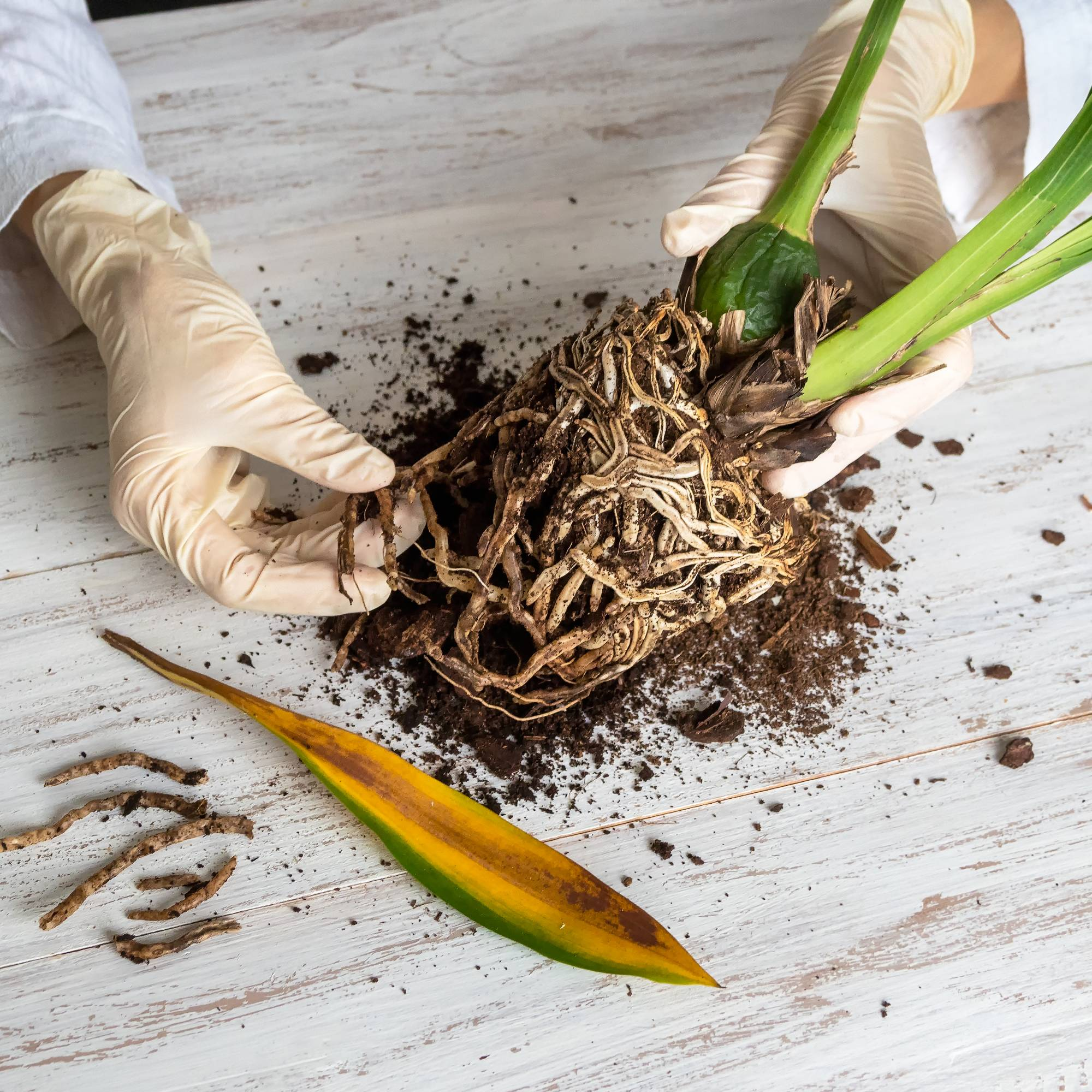
- Water the plant the day before to soften the old mix.
- Unpot and loosen: Gently tease away as much soil as you can.
- Soak and swish: Place roots in a bucket of room‑temperature water; swish, change water, and repeat until most soil is gone. Don’t panic about a few stubborn specks.
- Trim wisely:
- Remove: Mushy, foul‑smelling, hollow roots; dead fronds at the base.
- Keep: Firm, wiry roots—even if they’re dark. Boston fern roots are naturally brown to nearly black when mature. Look for pale/whitish root tips as a good sign.
Potting into LECA or stones
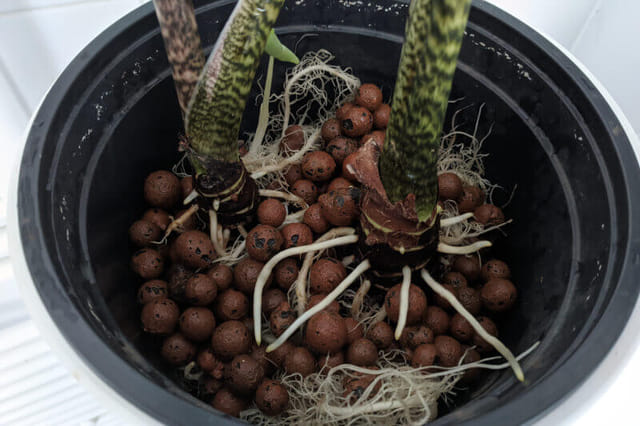
- Build the base: Add a layer of rinsed LECA/stones to the container.
- Position the fern: Hold the crown level with or slightly above the rim so it never sits wet.
- Backfill: Pour LECA/stones around the roots, gently shaking so pieces settle without crushing them.
- Set the waterline:
- Goal: Water should sit 1–3 cm (about 1/2–1 in) below the crown, wetting only the lower media. Capillary action will wick moisture upward.
- In a net pot + reservoir: Keep a small reservoir that just kisses the bottom of the LECA layer.
- In a jar: Fill so only the lowest third to half of the roots are in contact with moisture—never submerge the crown.
First week after conversion
- Fill with plain water only for 7–10 days. Let the plant adjust before feeding.
- Light and air: Bright, indirect light; avoid harsh midday sun. Keep 16–24°C (61–75°F) with moderate to high humidity. Light airflow prevents fungal issues.
- Humidity boost: A humidifier, grouping, or a loose humidity tent can help in dry homes.
Nutrients: gentle and occasional
- In active growth (spring–early autumn):
- Use a balanced liquid fertilizer at 1/4–1/3 strength every 2 weeks, or 1/2 strength monthly.
- If you track numbers: aim around EC 0.3–0.8 mS/cm; pH slightly acidic (about 5.8–6.5) suits ferns.
- In winter or low light: Reduce to monthly at very dilute strength, or pause feeding.
- Flush salts: Once a month, run plain water through the LECA/stones and reservoir to prevent buildup that can crisp frond tips.
Water-change cadence that works
- Weeks 1–4: Refresh the reservoir weekly. Top up with plain water midweek if needed.
- After establishment: Change every 10–14 days. In heat waves or if the water gets cloudy, switch to weekly.
- Housekeeping:
- Use room‑temp water.
- Keep the outer pot opaque to limit algae.
- Every 2–3 months, lift out the root ball, rinse LECA/stones, and wash the container; reassemble with fresh water.
How to spot happy hydro roots (and fronds)
- Roots
- New growth: Bright white to tan tips poking between LECA/stones
- Texture: Firm, slightly wiry roots; healthy fern roots may look dark overall
- Smell: Fresh/earthy water, never sour
- Fronds
- New fiddleheads unfurling regularly
- Fronds feel springy and arch gracefully
- Minimal browning on tips when humidity and salts are managed
- Runners: Slender stolons may appear and attempt to root—proof your fern is settled and vigorous.
Early warning signs (and fast fixes)
- Slimy, collapsing roots; sour smell:
- Action: Lower the waterline so only the lowest LECA is wet; trim rot; refresh water and improve airflow; shorten feeding interval or dilute more.
- Browning tips despite good humidity:
- Action: Flush thoroughly with plain water; reduce fertilizer strength/frequency; use softer water if yours is very hard.
- Yellowing fronds and sparse growth:
- Action: Move to brighter indirect light and feed lightly every 2 weeks in the growing season.
- Crown rot (blackening where fronds emerge):
- Action: Keep the crown dry and at/above the media surface; lower water level; remove affected fronds.
- Algae in jars:
- Action: Switch to an opaque cachepot or sleeve; change water more often; keep direct sun off the reservoir.
A simple seasonal rhythm
- Spring: Convert or repot now if needed; begin light, regular feeding; raise humidity.
- Summer: Maintain weekly-to-biweekly water changes; shield from hot, direct sun; watch reservoirs in heat.
- Autumn: Taper feeding; keep humidity steady.
- Winter: Brighter spot indoors; cool drafts and vents off-limits; reduce feeding and let the top media dry slightly between top-ups while keeping the reservoir modest.
Styling and placement ideas
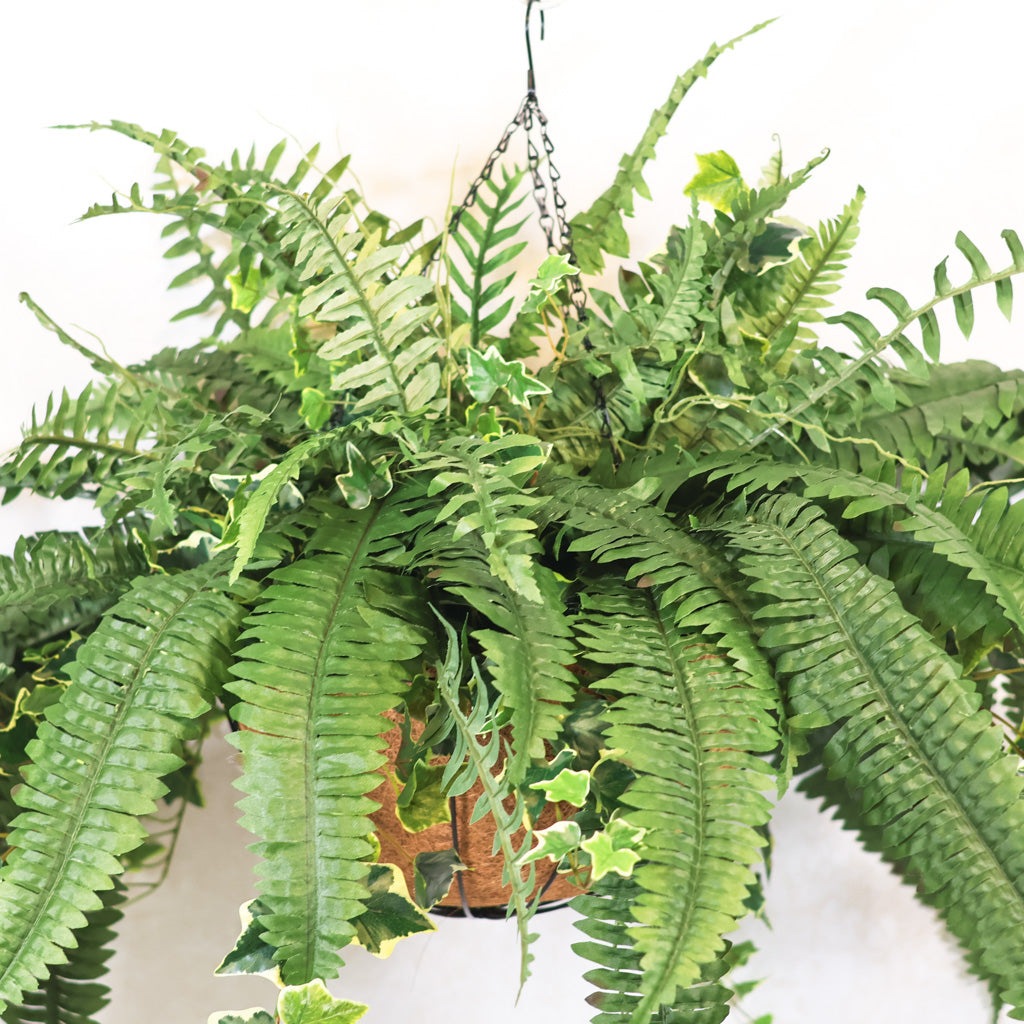
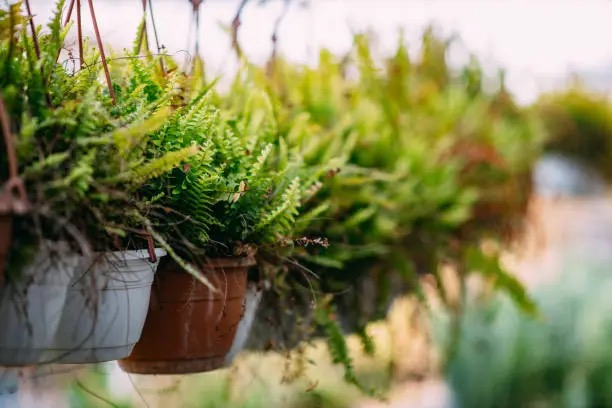
- Hanging basket look with a net pot inside a decorative, watertight cachepot—classic fountain fronds, minimal mess.
- Shelf-safe stones in a ceramic vase or opaque glass; great in bright bathrooms and kitchens with good ventilation.
- Keep away from heaters and AC vents; gentle morning sun is fine, but avoid strong midday/afternoon rays.
Quick answers
- Is Boston fern really okay in water? Yes—with the crown above water, roots in clean, lightly fed water, and regular refreshes, it adapts well to semi-hydro.
- Pet safety? Generally regarded as non-toxic to cats and dogs.
- Flowers? It’s a fern—no flowers or seeds. It spreads by runners and produces spores on mature fronds.
Symbolism, if you’re into meanings
Boston fern is often linked to freshness, renewal, and calm—a little woodland softness brought indoors. While “flower language” traditions didn’t grow from ferns specifically (no blooms!), the sentiment fits: a well-kept fern quietly freshens a room and your mood.
Your 30-day conversion snapshot
- Day 0: Rinse roots; pot in LECA/stones; plain water; bright, indirect light.
- Day 7–10: Begin 1/4–1/3 strength feeding; set a weekly water-change reminder.
- Day 14–21: Look for pale root tips and new fiddleheads; keep reservoir modest.
- Day 30: Shift to a 10–14 day water-change cycle if growth is steady; flush monthly.
With a crown held high, roots cuddled by LECA or stones, and a clean, gentle feeding routine, Nephrolepis exaltata becomes delightfully low-drama. Set your cadence, watch for those creamy new root tips, and enjoy the soft, arching fronds that made the Boston fern a houseplant legend.