
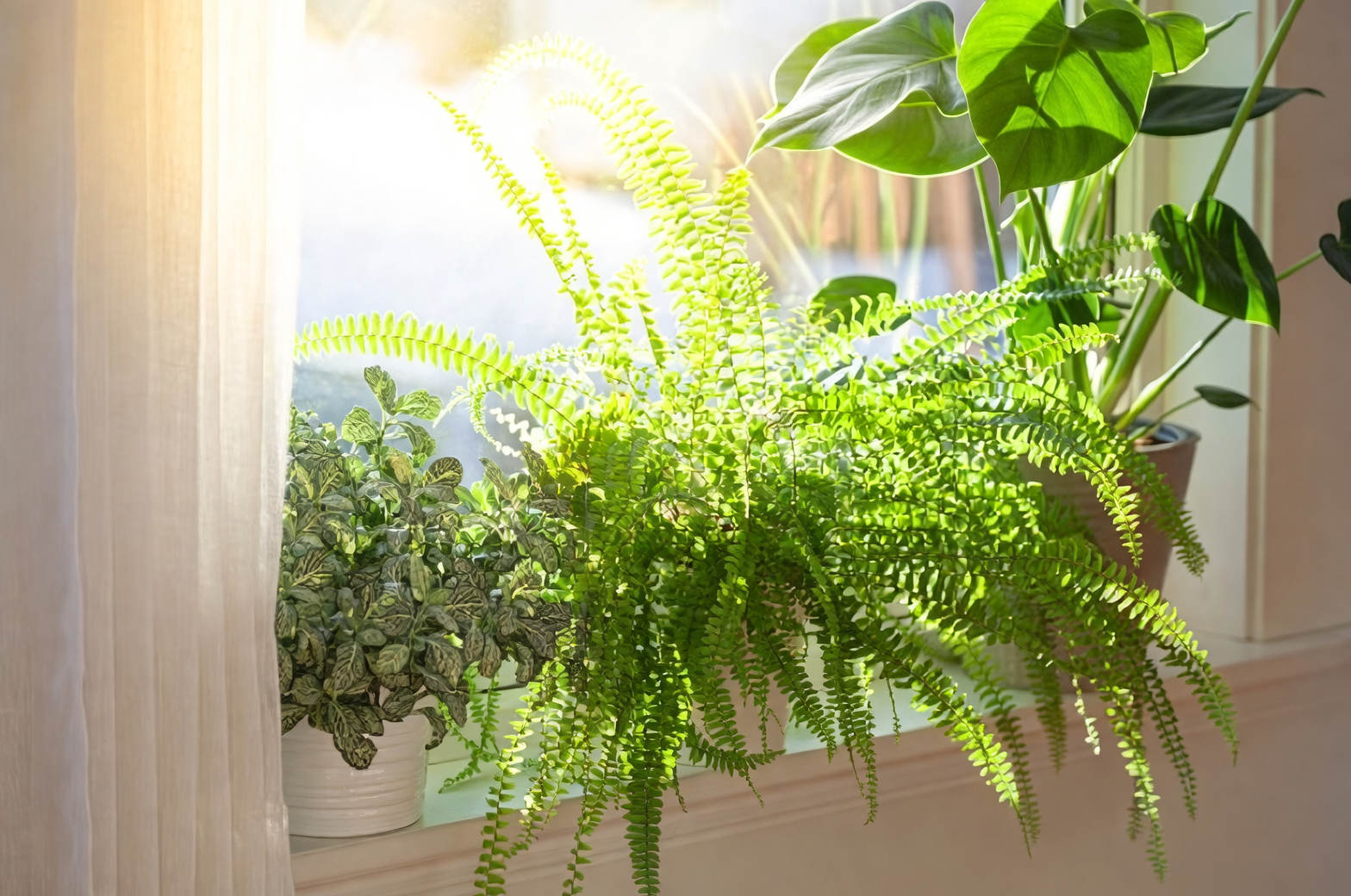
Think of a Boston fern as a soft green fountain that cools a room just by being there. Now think of the internet headlines that promise it will “scrub your air like NASA.” Let’s keep the fern—and lose the hype. Here’s what those famous chamber studies actually found, what happens in real homes with real ventilation, how Boston ferns genuinely help (hello, dust-trapping), and how many plants you’d need to see a measurable difference in pollutants.
Meet Nephrolepis exaltata: the living green fountain
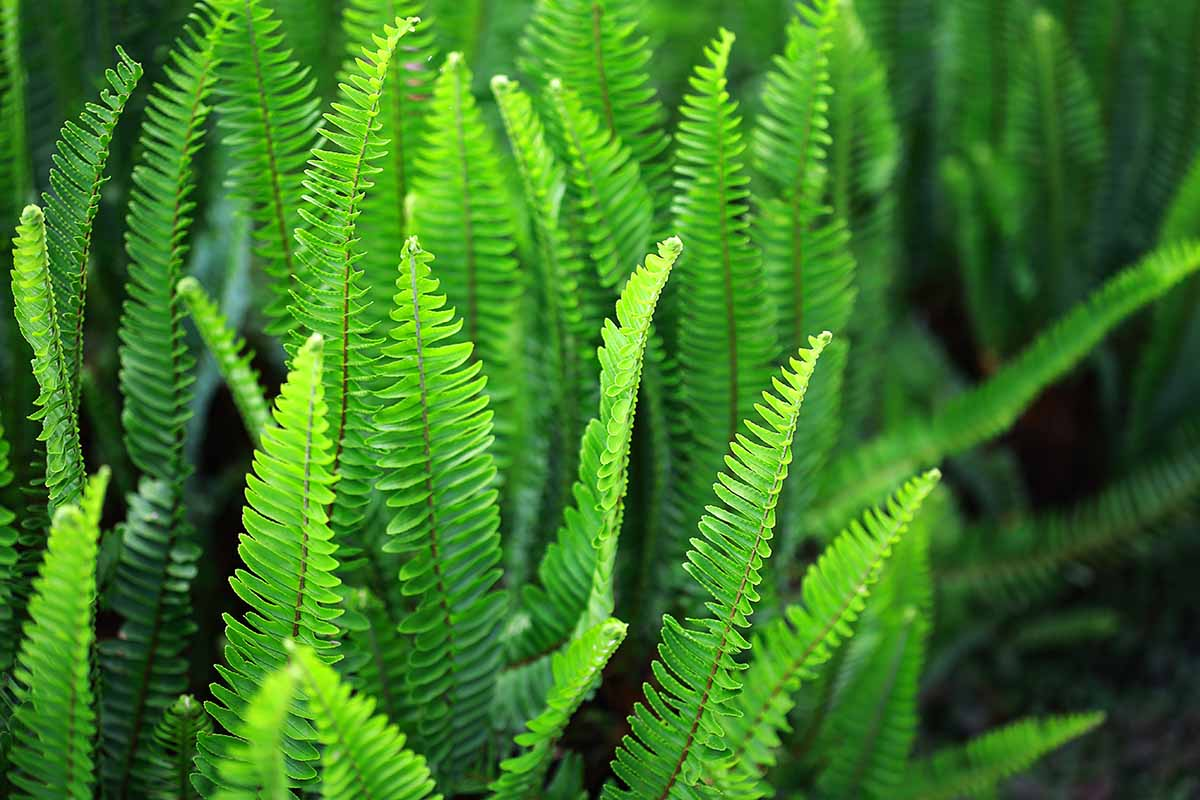
- Names: Boston fern, sword fern, ladder fern (Nephrolepis exaltata; family Nephrolepidaceae)
- Look: Dense, arching, finely divided fronds that spill from pots or baskets—fresh, bright green when happy
- Size indoors: Typically 30–90 cm tall and 60–90 cm wide; fronds can reach up to ~120 cm in great conditions
- Personality: “Easy for a fern”—forgiving if you give it bright, indirect light, evenly moist soil, and, above all, humid air
- Placement: East- or north-facing windows, set back from harsh sun; bathrooms and kitchens often suit it well if there’s decent light and some airflow
- Pet note: Generally regarded as non-toxic to cats, dogs, and humans
Plants vs. pollutants: NASA chambers versus real homes
What those chamber studies actually showed
- Small, sealed boxes: The classic “NASA-era” experiments tested potted plants in tightly sealed chambers—no drafts, no open windows, no HVAC—then injected specific volatile organic compounds (VOCs) such as benzene, formaldehyde, or trichloroethylene.
- Removal happened: In those controlled setups, potted plants and their potting media reduced measured VOC levels over time.
- Roots and microbes matter: A big part of the removal happened in the potting mix, where microbes living around the roots help break down pollutants. Leaves play a role too (through tiny pores called stomata), but the whole plant-plus-soil system is the real unit.
Why that doesn’t translate to your living room
- Ventilation wins: Typical homes and offices exchange indoor air with outdoor air. That alone removes VOCs at a rate that vastly outpaces what a few houseplants can do.
- The math that bursts the bubble: To match ordinary building ventilation, you’d need roughly 10–1000 plants per square meter of floor space. That’s not a typo.
- Reality check: A 15 m² living room would need about 150–15,000 plants to equal normal air exchange. Even jungle-core decorators tap out long before that.
So where do Boston ferns fit in?
- Not your primary air cleaner: For VOCs, prioritize source control (low-emission products), ventilation, and activated carbon filtration if needed.
- A great “finishing touch”: Boston ferns thrive at what your mechanical systems don’t do—softening air with humidity, catching dust on their fronds, and making rooms feel fresh and alive.
The dust-trapping edge (and how to use it)
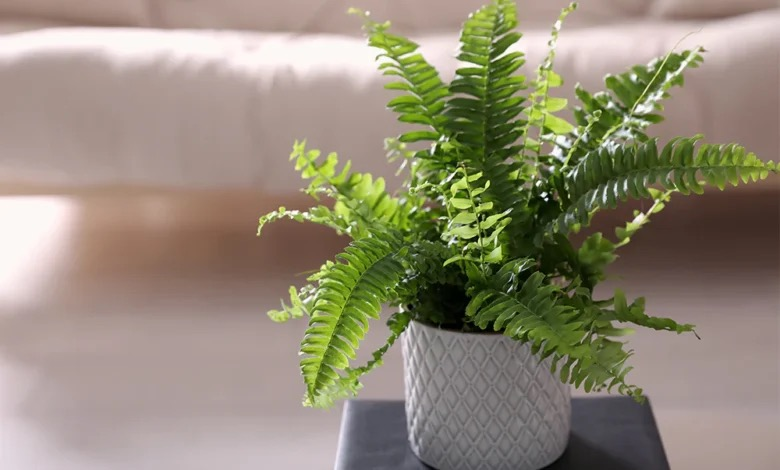
Feathery, many-pinnae fronds act like natural air filters for larger airborne particles (think household dust, dander that floats, fabric lint). That dust has to land somewhere—Boston fern fronds are excellent “landing pads.”
Tips to make that work in your favor:
- Rinse the fronds: Every week or two, take the fern to the sink or shower and gently rinse; or wipe with a damp, soft cloth. You’re removing trapped dust so it doesn’t resuspend.
- Keep humidity in the sweet spot: Aim for 50–70% for lush growth. Higher humidity helps the fern and can slightly reduce dust becoming airborne—balance this with airflow to avoid mustiness.
- Team it with a vacuum and a filter: Use a HEPA vacuum and run a HEPA purifier for fine particulates. The fern helps, but it’s not a substitute for filtration.
- Mind the airflow: Place the plant where air moves gently (not in a blasting draft). Light air movement increases contact between fronds and floating particles.
Ventilation: the unsung hero for real-world air quality
If cleaner indoor air is the goal, do this before buying a cart of plants:
- Let outdoor air do the heavy lifting: Air out rooms daily when weather and outdoor air quality allow (short, brisk exchanges help).
- Use exhaust fans: Run kitchen and bathroom fans during and after use.
- Control sources: Choose low-VOC paints, adhesives, and furnishings; avoid heavy fragrances.
- Filter smartly: HEPA filters for particles; activated carbon for VOCs and odors.
Then add your Boston fern to elevate humidity, trap dust, and bring calm, green life into the space.
How many Boston ferns make a difference?
- For VOC removal: Think impractical. Matching normal building ventilation would require about 10–1000 plants per square meter, which means hundreds to tens of thousands for a typical home. Not a plan.
- For a fresher-feeling room: 1–3 medium Boston ferns per room can:
- Visibly reduce dust on nearby surfaces (if you rinse fronds regularly)
- Nudge local humidity upward (especially helpful in heating season)
- Provide the psychological lift of greenery (real, measurable benefits for mood and focus)
Care cheat sheet for lush, effective fronds
Healthy ferns trap more dust and look better doing it. Keep yours thriving:
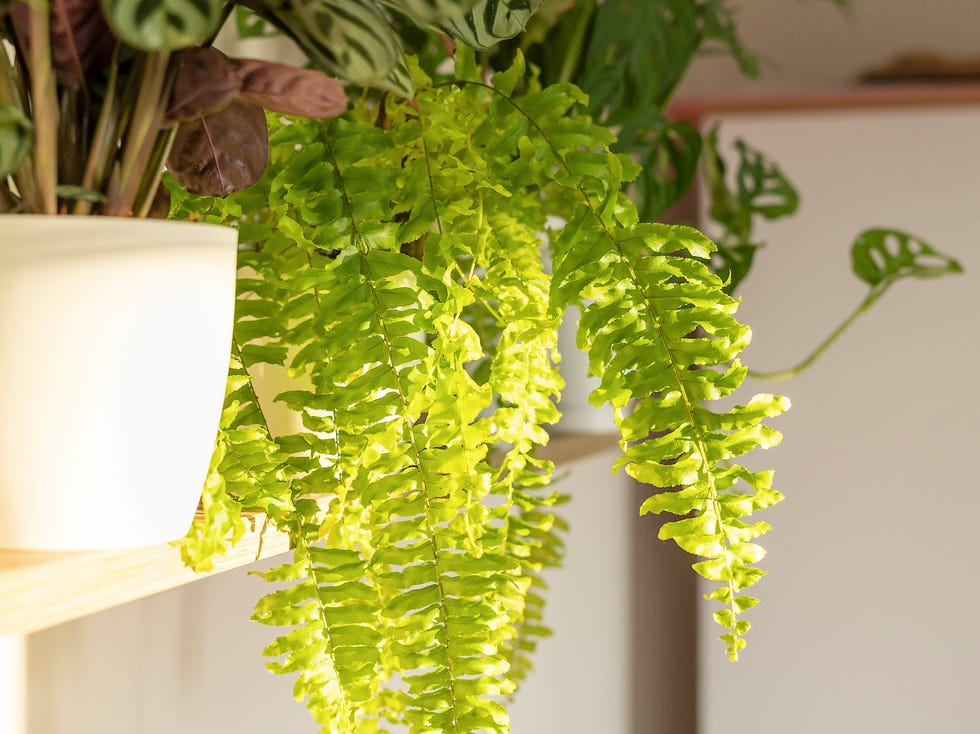
- Light: Bright, indirect light to partial shade. A touch of gentle morning sun is fine; avoid scorching midday/afternoon rays.
- Watering: Keep the mix evenly moist in spring–summer. Water when the top 2–3 cm (about 1 in) of soil begins to dry; never let the root ball go bone-dry or sit waterlogged. In winter, let the surface dry slightly before watering again.
- Pro tip: A 10-minute soak every couple of weeks rehydrates the root ball thoroughly; drain well afterward.
- Humidity: Prefers 50–70%+. Use a humidifier, pebble tray (keep pot base above the water), plant grouping, and regular rinsing/misting with airflow.
- Temperature: Best at 16–24°C (61–75°F). Keep above ~7°C (45°F); protect from heat spikes above ~35°C (95°F).
- Soil: Moisture-retentive but free-draining. A peat/leaf-mold–leaning mix with added perlite or coarse sand works well; slightly acidic is ideal.
- Feeding: During active growth, use a balanced liquid fertilizer monthly at half strength (or more diluted every 2 weeks, April–September). Flush the pot occasionally to prevent salt buildup (a common cause of brown tips).
- Grooming: Remove yellow or brown fronds at the base. Trim crispy tips and fix the cause (humidity, watering, sun). Light thinning improves airflow.
- Repotting: Every 2–3 years in spring or when crowded. Step up one pot size; refresh mix and trim any dead roots.
- Propagation: Easiest by division. Also detach plantlets that form on runners (stolons). Spore raising is possible but slow and patient work.
Common issues—and quick fixes
- Brown tips: Usually low humidity or a root ball that dried out briefly. Boost humidity and water consistency; flush to reduce fertilizer salts.
- Scorched, curled pinnae: Too much direct sun or heat; move to bright, indirect light.
- Soggy, limp growth: Overwatering or poor drainage; refresh into an airy, well-draining mix and empty saucers.
- Pests: Spider mites (especially in dry air), mealybugs, scale, whiteflies. Rinse foliage, isolate, and treat with insecticidal soap or neem as needed.
Safety note
Boston fern is commonly listed as pet-safe. As with any plant, nibbling can still cause mild stomach upset in sensitive pets—so offer cat grass for grazers and keep prized fronds out of reach.
Symbolism and the “language of flowers” (with a fern twist)
Ferns don’t have flowers, but they’re steeped in symbolism: freshness, sincerity, renewal, calm—associations that go back to Victorian fern fever and older woodland folklore. In the spirit of “flower language,” ferns often stood for secret places and hidden treasures, likely because they reproduce by nearly invisible spores rather than showy blooms. Bring a Boston fern indoors and you’re borrowing a bit of that quiet, restorative forest mood.
Final take
- Keep the Boston fern for humidity, dust-trapping, and the mental reset only real greenery gives.
- Keep the window open (or the fan on) for the actual air cleanup.
- And keep expectations grounded: chamber wins don’t beat everyday ventilation—but a lush, well-cared-for fern absolutely makes your home feel better.