
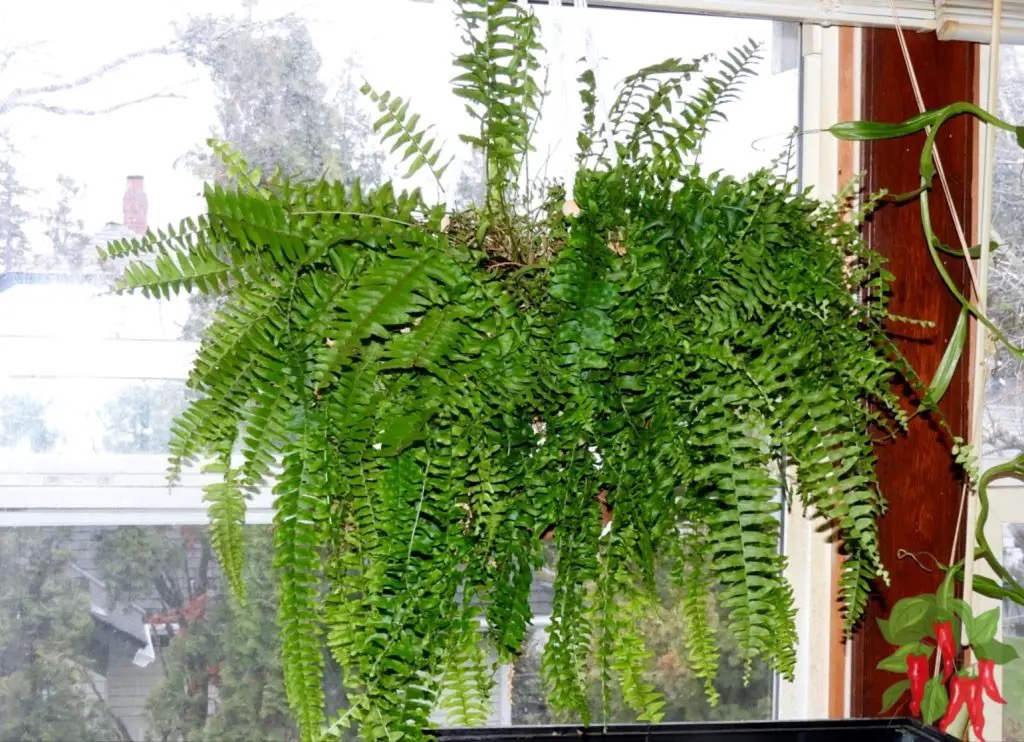
Think of a Boston fern (Nephrolepis exaltata) as a soft, green fountain that runs on two things: steady moisture at the roots and a humid halo in the air. Nail those, and the fronds stay plush and fresh for years. Miss them, and the tips tattle on you fast. Here’s a simple, seasonal routine that keeps humidity right in the 50–70% sweet spot, uses soak-and-drain watering to prevent extremes, and helps you “read” fronds before damage spreads.
The humidity sweet spot: 50–70% (and how to get there)
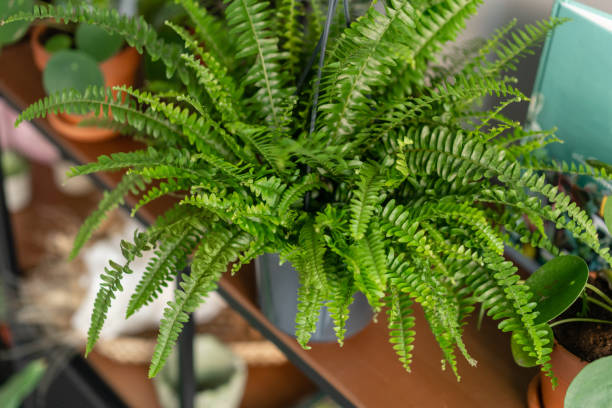
Boston ferns are humidity-lovers. At 50–70% relative humidity (RH)—with some airflow—they look their lushest.
- How to hit it indoors
- Humidifier: The most reliable method. Set to maintain 50–60% most of the day; bump to ~65–70% during dry spells.
- Pebble tray: Fill a tray with pebbles and water; set the pot on top so the base stays above the waterline. It raises local humidity without soaking roots.
- Grouping: Cluster plants to create a more humid microclimate.
- Light misting: Fine, occasional mist can help, but pair with airflow so fronds don’t sit wet and stagnant (which can invite fungal issues).
- Placement: Bright bathrooms and kitchens are naturals if there’s decent light and ventilation.
- Measure, don’t guess
- A small hygrometer near frond height tells you when to intervene—especially helpful near heaters or AC vents (avoid both).
- Keep air moving, gently
- Humid air + slight airflow = happy fern. A low fan across the room prevents fungal problems without drying the plant.
Watering fundamentals: “evenly moist,” never bone-dry or boggy
Nephrolepis exaltata likes moisture you can trust. Aim to water thoroughly when the top 2–3 cm (about 1 in) of mix just begins to dry, then let excess drain completely. Don’t let the root ball dry out; don’t park it in a swamp.
- Your three best gauges
- Finger test: Top 2–3 cm feels barely dry? Time to water.
- Pot weight: Learn the “just-watered” vs. “needs-water” heft.
- Skewer test: A wooden skewer pushed into the mix comes out slightly damp when it’s still fine to wait, or nearly dry when it’s time to water.
- The soak-and-drain method (your fern’s favorite reset)
- When: Every couple of weeks during active growth, or anytime the root ball feels unevenly wet.
- How:
1) Set the nursery pot in a bowl or sink of clean, room‑temperature water (mid‑pot level).
2) Soak ~10 minutes so the core rehydrates.
3) Lift, let it drip thoroughly, then return to its cachepot or hanger.
- Why it works: It re-wets hydrophobic pockets and leaches excess salts that can crisp tips.
- Daily details that matter
- Always empty the saucer after watering.
- Use a moisture‑retentive yet free‑draining mix and a pot with drainage.
- Flush the pot with plain water monthly if you fertilize, to prevent salt buildup (a common cause of brown tips).
A practical, seasonal routine
The growing season runs spring through early autumn; growth slows in winter. Adjust water and humidity with light and temperature, not the calendar alone.
Spring
- Light and temp: Bright, indirect light; 16–24°C (61–75°F).
- Water: As days lengthen, check more often. Typically about weekly in warm, bright rooms—whenever the top 2–3 cm dries.
- Humidity: Hold 50–60%, nudging toward 65% on drier days.
- Boost: Reintroduce the soak‑and‑drain every couple of weeks to rehydrate the root ball evenly.
Summer
- Light and temp: Protect from harsh midday/afternoon sun; gentle morning sun is fine.
- Water: Warmth and brighter light = quicker use. Stick to the “top 2–3 cm dry, then water thoroughly” rule; don’t rely on a fixed number of days.
- Humidity: Keep 60–70% if your home is dry. Maintain airflow to prevent fungal issues.
- Tip: Heat wave? Shorter intervals between waterings and an extra humidity nudge usually solve stress before it shows on tips.
Autumn
- Light and temp: Days shorten; keep bright, indirect light.
- Water: Begin easing frequency. Still water deeply when the surface dries slightly—just less often.
- Humidity: Hold steady around 50–60% as heating starts to kick on.
- Maintenance: One last soak‑and‑drain and a plain‑water flush help head off winter salt burn.
Winter
- Light and temp: Brighter spot indoors, away from drafts, heaters, and AC vents; keep above ~7°C (45°F), ideally 16–24°C.
- Water: Growth slows. Let the surface dry slightly before watering again; avoid keeping the mix constantly wet.
- Humidity: House air dips—stabilize 50–60% with a humidifier or pebble tray. Gentle airflow remains important.
- Feeding: Pause fertilizer; resume in spring.
Read the fronds early—act before damage spreads
Boston fern fronds telegraph their needs. Catch these subtle cues:
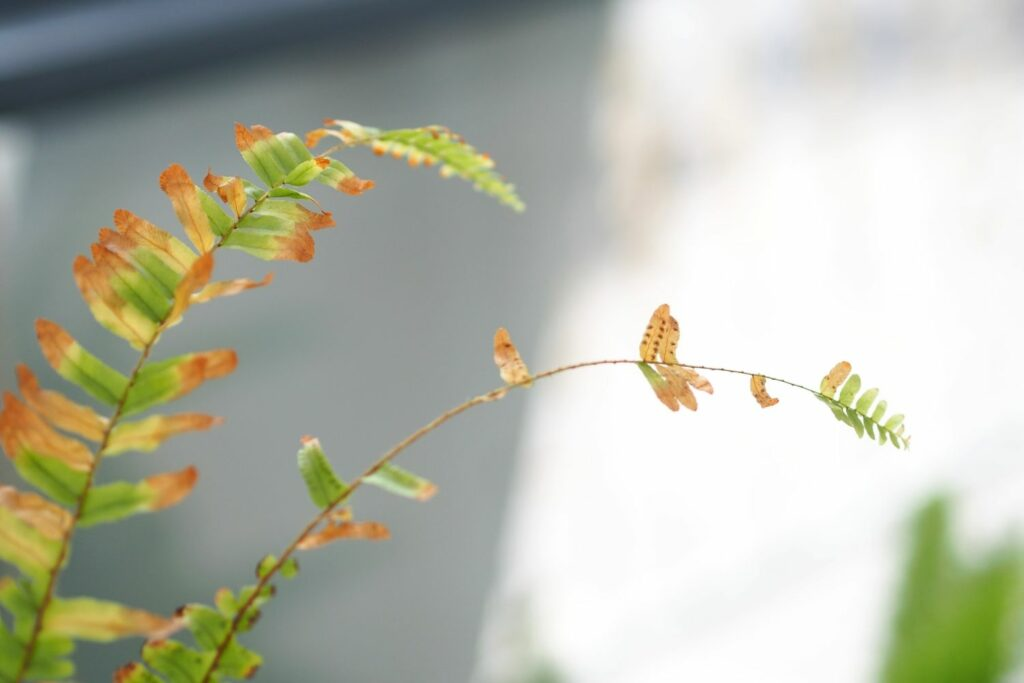
- Tips just paling or feeling papery at the very ends
- Likely cause: Air too dry, or you let the root ball edge toward dry.
- Fix now: Bump humidity to 60–65%, water thoroughly (or use a 10‑minute soak), and move away from heat vents.
- Leaflet (pinna) edges start to curl or cup
- Likely cause: Low humidity or missed watering; can also be harsh sun through glass.
- Fix now: Raise humidity, return to bright indirect light, re‑establish even moisture.
- New fronds unfurl slowly, look narrow, or stall
- Likely cause: Inconsistent moisture or too little light.
- Fix now: Check your watering rhythm; move closer to bright, indirect light.
- Brown tips despite good humidity
- Likely cause: Fertilizer salts accumulating in the mix or hard water.
- Fix now: Flush the pot thoroughly with plain water; reduce fertilizer strength; consider alternating with distilled/filtered water if buildup persists.
- Whole frond goes limp, darkens, or there’s a sour smell from the soil
- Likely cause: Overwatering or a mix that’s staying waterlogged (root rot risk).
- Fix now: Unpot gently, trim mushy roots, repot into a fresh, airy mix, and water only when the surface dries slightly.
- Fine stippling and webbing
- Likely cause: Spider mites, common in dry air.
- Fix now: Increase humidity, shower/rinse fronds, isolate, and treat with insecticidal soap or neem if needed.
Troubleshooting quick recipes
- The rescue soak (for a thirsty fern)
- Trim very crispy tips if desired.
- Bottom‑soak 10–15 minutes; drain fully.
- Raise humidity to ~65% for a week and keep the next few waterings consistent.
- Expect perk‑up within days; new fronds follow with steady care.
- The “too wet” reset
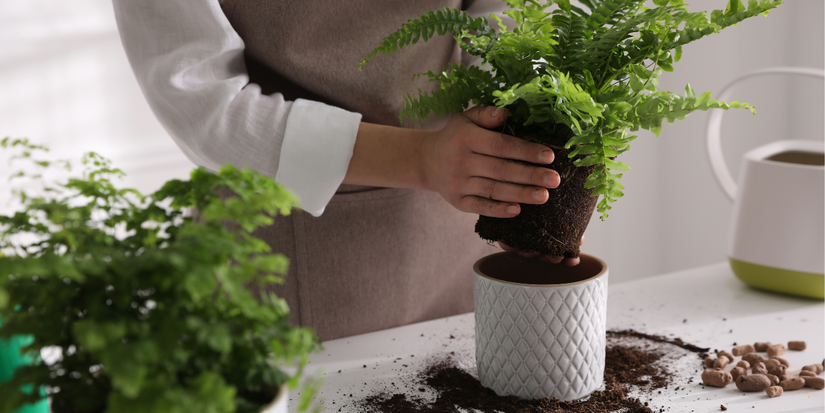
- Slide the plant from its pot; inspect roots.
- Trim off brown/mushy portions.
- Repot into a moisture‑retentive yet free‑draining mix; ensure the pot drains freely.
- Water once to settle, then let the surface dry slightly before the next drink. Maintain gentle airflow.
- Winter dryness defense
- Park it away from heaters; use a pebble tray plus humidifier to hold 50–60%.
- Keep light bright but indirect; water only when the surface dries slightly.
Set‑and‑forget helpers
- Light: Bright, indirect light; avoid strong midday/afternoon sun. East light or a position set back from a south/west window works well.
- Temperature: Best around 16–24°C (61–75°F).
- Potting mix: Moisture‑retentive yet free‑draining; slightly acidic. Add perlite/coarse sand for air.
- Pot and drainage: Always use drainage holes; empty saucers.
- Tools: Hygrometer, narrow‑spout watering can, pebble tray, and a gentle fan across the room.
- Placement: Bathrooms and kitchens are great—if there’s decent light and ventilation. Keep away from heaters and AC vents.
Why this routine works for Nephrolepis exaltata
- Even moisture matches its clump‑forming, fibrous root system—no drought swings, no bog.
- Humidity at 50–70% keeps leaflets supple and reduces spider mite pressure.
- Soak‑and‑drain rehydrates the core and prevents salt‑tip burn without suffocating roots.
- Seasonal tweaks reflect slower winter metabolism and faster summer water use.
With this rhythm—watch the top inch of mix, soak and drain on a schedule, and keep the air softly humid—you’ll keep your Boston fern full, springy, and gorgeously green. And if it ever throws you a signal, you’ll know exactly how to answer.
Notes
- Non-toxic: Generally regarded as safe for humans, cats, and dogs.
- Outdoors year‑round only in frost‑free climates (mainly USDA Zones 10–11). Indoors, it thrives anywhere you can provide bright, indirect light and that 50–70% humidity sweet spot.