Open the window, and let the first hello of spring breeze in: Sweet Violet (Viola odorata) is the little perfume factory your sill has been waiting for. Compact, clumping, and sending out gentle runners, it turns containers into low, fragrant cushions of heart‑shaped leaves studded with velvety purple blooms. Here’s how to style and care for it so your window display stays lush, scented, and effortlessly neat.
Style your scented window display
- Containers that flatter
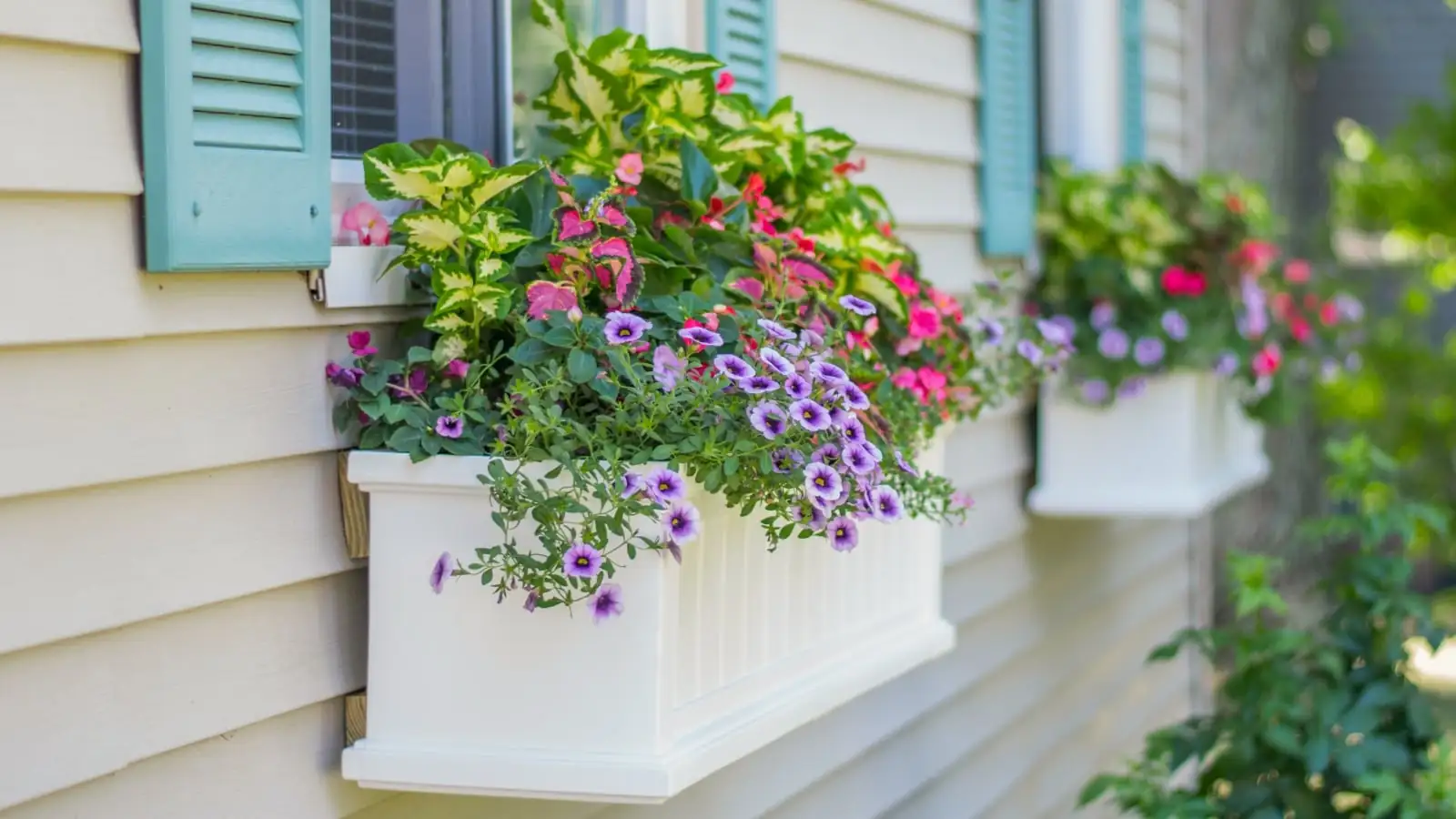
- Low bowls and window boxes 15–20 cm deep suit Sweet Violet’s shallow, fibrous roots and keep the foliage looking plush.
- Unglazed terracotta or breathable ceramic helps balance moisture; plastic holds water longer if your spot is breezy.
- Ensure generous drainage holes—nonnegotiable for violets.
- Planting layout
- Space plants about 10–15 cm apart; they’ll knit together via runners to form a soft, even carpet.
- Tuck in small, cool‑loving companions if you like: miniature ferns, primroses, or spring bulbs. Keep the palette gentle to let the violets’ fragrance take center stage.
- Best placement by window
- East‑facing windows and bright, dappled light are ideal. Morning sun with afternoon shade keeps blooms coming and foliage fresh.
- Indoors, give bright indirect light; outdoors, avoid hot midday/afternoon sun against glass or masonry.
The potting mix recipe violets adore
You’re aiming for a mix that’s fertile, loose, moisture‑retentive yet well‑drained—think woodland soil in a pot.
- Base recipe (by volume)
- 40% high‑quality, peat‑free potting mix (coco coir + composted materials)
- 30% fine bark (for air pockets and structure)
- 20% perlite or pumice (for drainage)
- 10% screened compost (for gentle nutrients)
- Optional: a small handful of coarse horticultural sand to give that “sandy loam” feel
- Add-ons
- A pinch of slow‑release, balanced fertilizer worked through the top third of the mix for a subtle, season‑long feed.
Drainage architecture that prevents sulking
- Use a pot with multiple holes; cover them with a square of mesh—not rocks—to keep mix from clogging.
- Set window boxes on pot feet so water can fully escape.
- Avoid saucers brimming with water. If using a cachepot, empty it after thorough watering.
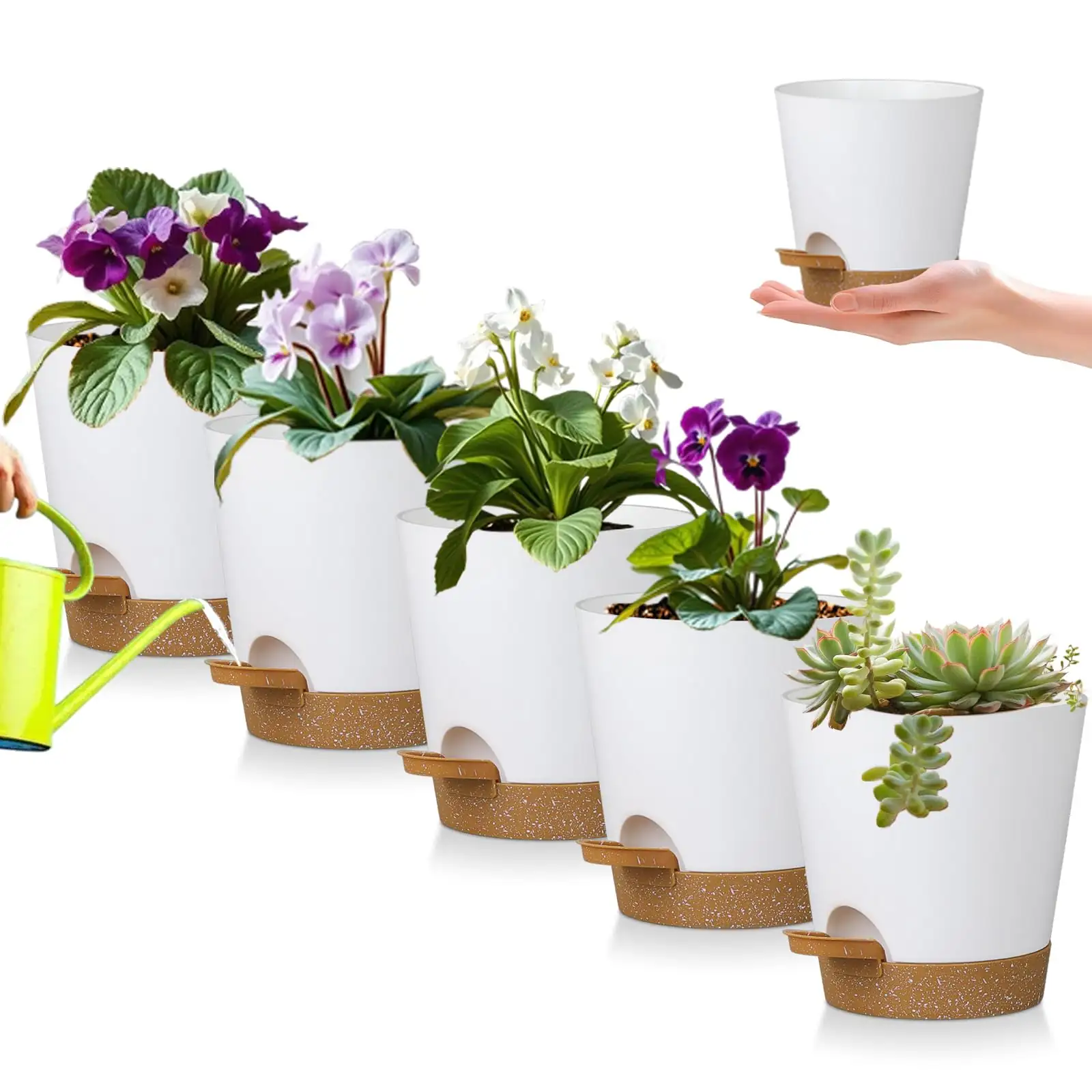
- Self‑watering containers can work only if the wick/air gap prevents constant saturation. Keep the reservoir modest and let the top few centimeters of mix breathe and lightly dry between refills.
Light and temperature: woodland bright, never blazing

- Light
- Partial shade to dappled light is the sweet spot.
- A touch of soft morning sun boosts flowering; harsh afternoon sun shortens bloom life and stresses foliage.
- Temperature
- Sweet Violet prefers cool to mild conditions and is reliably cold hardy outdoors in many regions (commonly suited to USDA Zones 5–9).
- In places with hot summers, treat it as a cool‑season star: give bright shade, keep evenly moist, and shield from heat radiating off walls and glass.
Watering cadence you can trust
Sweet Violet likes its drink, but not wet feet. Aim for consistent moisture with brief, gentle dries at the surface.
- The simple rule
- Water when the surface of the mix just begins to dry. Then water thoroughly until excess drains away.
- Seasonal rhythm
- Late winter–spring (active growth/bloom): check every 2–3 days; water as soon as the top feels barely dry.
- Summer (heat protection mode): keep shaded and cool; check daily in hot spells but still avoid soggy soil.
- Fall: reduce slightly as growth slows, but don’t let pots bone‑dry.
- Seedlings/new divisions
- Keep more evenly moist early on; once established, let the top inch (2–3 cm) lightly dry between waterings.
- Pro tip
- Water at soil level to keep leaves and blooms dry, reducing the chance of powdery mildew and leaf spots.
Feeding: light and regular for lushness
- Baseline
- Top‑dress with a thin layer of compost in early spring.
- During active growth/flowering
- Use a mild, balanced liquid feed every 7–10 days if you want extra vigor and bloom density.
- Young plants
- Begin gentle feeding about 2 weeks after germination or roughly a week after transplanting.
- Pause or reduce
- Dial back feeding in peak summer heat or when growth slows.
Training the charmers: runners, deadheading, and division
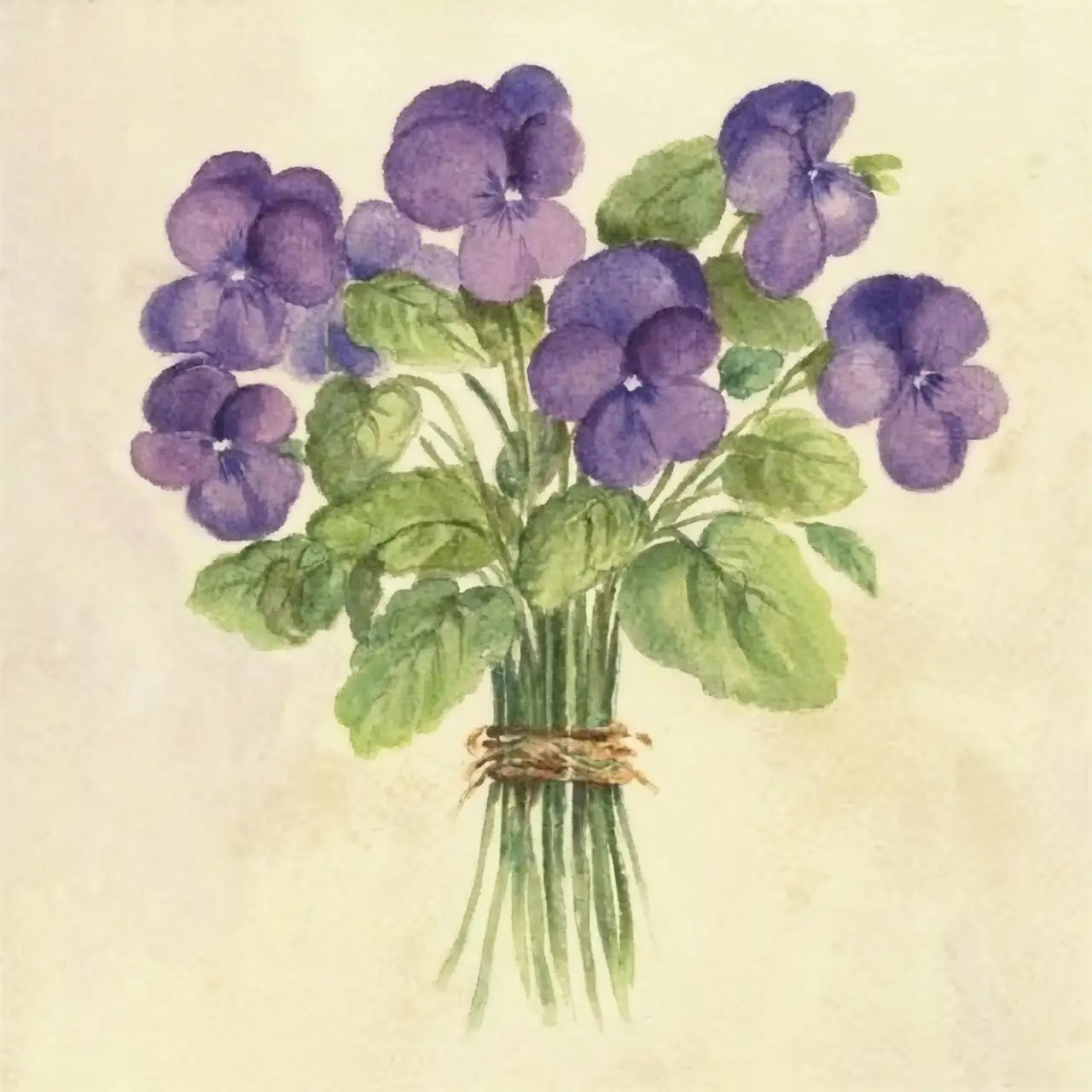
Viola odorata expands by stolons—slender runners that root as they go. In containers, that’s an opportunity, not a problem.
- For a fuller pot
- Peg a few runners down with hairpins or bits of florist wire so they root where you want them. You’ll get a denser cushion and more flowers next season.
- For a tidier edge
- Snip back runners that overreach the rim.
- Keep blooms coming
- Deadhead spent flowers to encourage repeat flowering and keep the clump neat.
- Seasonal spruce
- In late fall, trim weak or straggly growth.
- Every 2–3 years, lift, divide, and refresh the potting mix in spring or fall to maintain vigor.
A quick container care calendar
- Late winter–spring (Feb–Apr): Peak perfume and bloom. Keep evenly moist, feed lightly, and deadhead.
- Summer: Shield from harsh sun and heat; keep cool, shaded, and watered. In hot regions, enjoy it as a cool‑season beauty and give it a rest in heat.
- Fall: Tidy, divide if needed, and refresh mix. Light feeding helps post‑summer recovery.
- Winter: Generally hardy outdoors in suitable climates; ensure excellent drainage. In very cold snaps, move containers close to a sheltered wall or add a light mulch over the soil surface.
Troubleshooting your window violets
- Sparse blooms
- Too little light or too much heat. Offer gentle morning sun and cooler conditions.
- Wilting despite watering
- Root rot from poor drainage or chronic sogginess. Improve drainage and let the surface dry slightly between waterings.
- Pests
- Aphids and red spider mites in hot/dry spells; slugs/snails outdoors. Rinse aphids with a gentle spray, use horticultural soap for mites, and deploy physical barriers or hand‑pick slugs.
- Diseases
- Violet gall midge, leaf spots, and powdery mildew can appear. Improve airflow, remove old foliage, and avoid overhead watering.
Safety note and scented lore
- Safety
- Flowers (and sometimes young leaves) are used as edible garnishes in some traditions, but the seeds and rhizomes are toxic—keep plants away from curious children and pets, and don’t consume those parts.
- Flower language, thoughtfully considered
- Sweet Violet has long symbolized modesty, humility, faithfulness, and quiet devotion. The association traces to ancient Greek stories linking violets with love and to Victorian floriography, where people used blooms to convey emotions without words. Its early, low‑growing habit—appearing softly at winter’s end—likely inspired that sense of modest, steadfast affection. As with all flower language, these meanings are cultural, not botanical law, but they add a lovely layer to your window’s whisper of spring.
Bring it all together—breathable soil, impeccable drainage, cool light, gentle moisture, and a nudge of nutrition—and your Viola odorata will repay you with that unmistakable, old‑world perfume right at the window, just where you’ll notice it most.