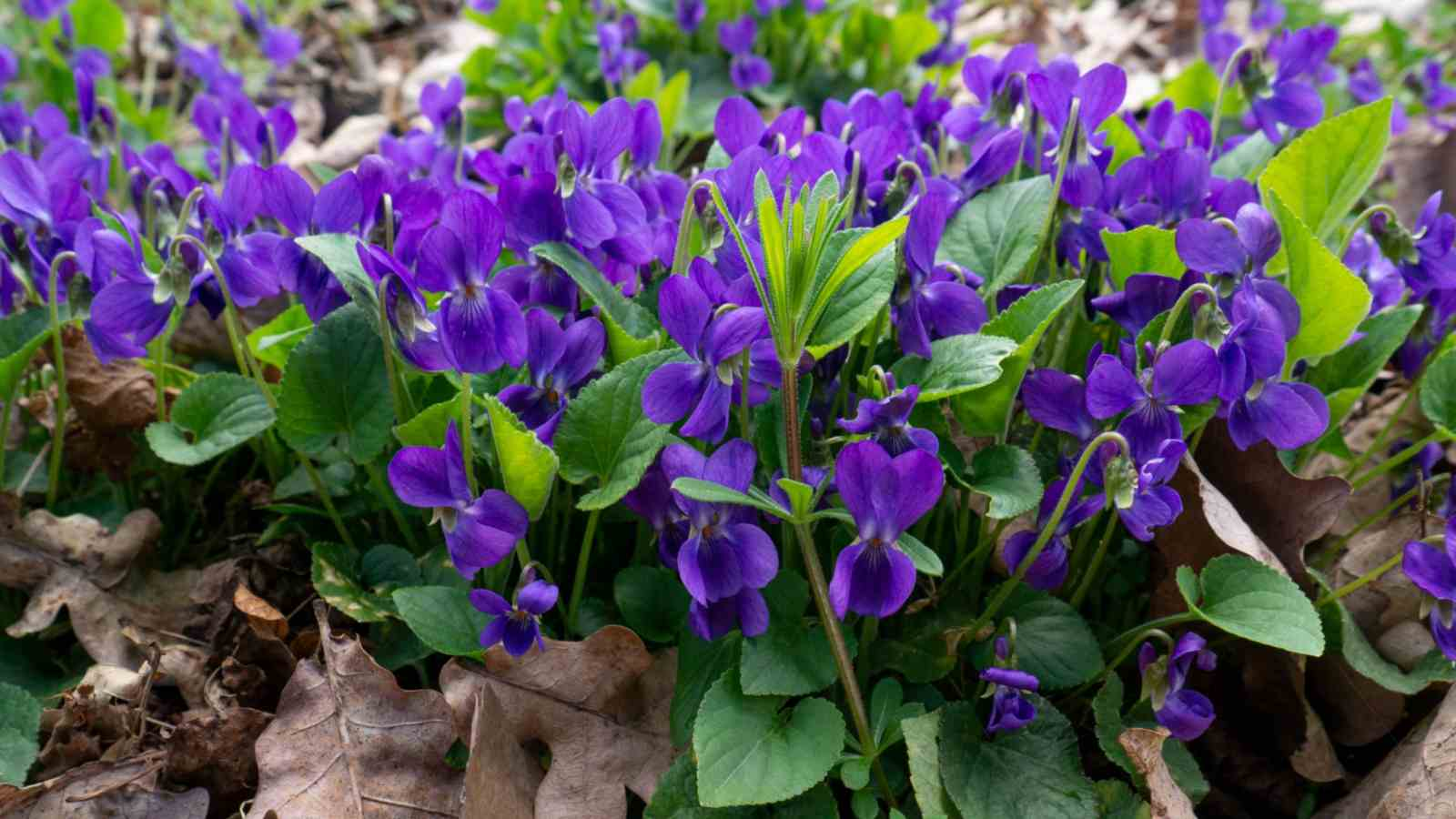
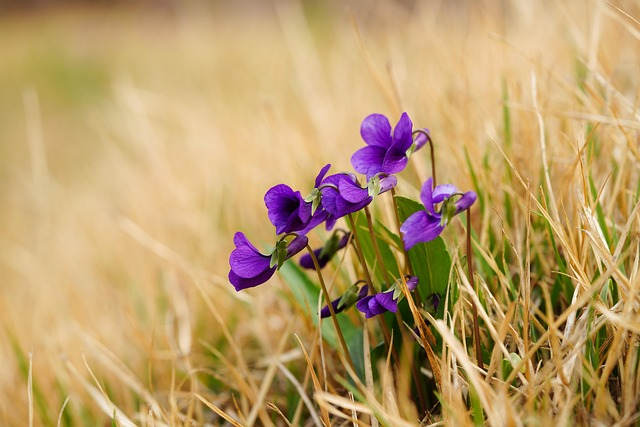
Sweet Violet may perfume the last chilly days of winter, but in a blazing summer it would prefer the cool side of the pillow. If your garden sits in a hot-summer zone, you can still enjoy Viola odorata’s velvety blooms and heart-shaped leaves—provided you lean into shade-smart placement, cool-root strategies, and attentive summer care. Here’s how to heat-proof this classic cottage sweetheart without losing its springtime charm.
Meet Sweet Violet (Viola odorata)—the cool-season charmer
- A low, clumping perennial that creeps gently by runners, forming a soft carpet in cool, lightly shaded spots
- Beloved for intensely sweet fragrance and typically deep purple, early-season flowers (often February–April)
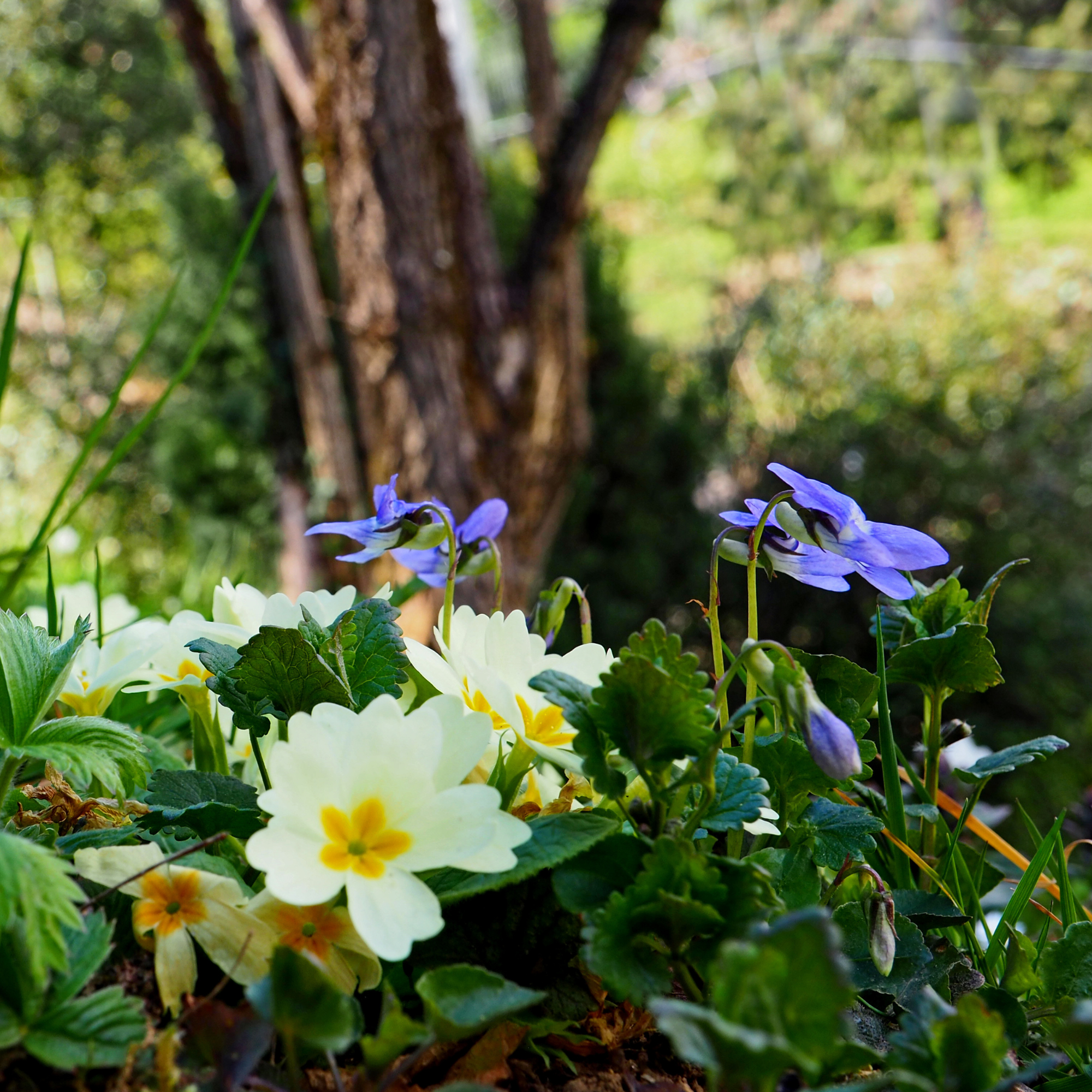
- Best in partial shade to dappled woodland light; morning sun with afternoon shade is ideal in warm areas
- Cold hardy and generally reliable in USDA Zones 5–9; it tends to sulk in sustained heat
Hot summers don’t have to be the end of the story. Think of summer as a rest period—your job is to keep the plant comfortable so it can bounce back beautifully in fall and next spring.
Light strategy: morning sun, afternoon shade
Violets love light but not heat. In warm regions:
- Choose exposure wisely
- East- or north-facing beds are perfect.
- Aim for direct morning sun only (up to about 10–11 a.m.) and bright, dappled shade thereafter.
- Use “moving shade”
- Plant beneath open-branched shrubs or deciduous trees that filter harsh rays.
- Tuck violets on the shady side of hedges, fences, or stonework that throw afternoon shade.
- Temporary summer shade
- During heat waves, stretch 30–40% shade cloth over hoops or a simple frame to cut radiated heat while preserving airflow.
Keep the root zone cool (this is half the battle)
Viola odorata wants fertile, loose, moisture-retentive but well-drained soil—and a cool crown.
- Build the soil
- Work in compost, leaf mold, or fine bark to hold moisture without creating sogginess.
- Good drainage prevents rot; raised beds can overheat, so insulate them with mulch and plant companions.
- Mulch like a woodland floor
- Apply 2–5 cm (about 1–2 in) of fine bark, shredded leaves, or compost.
- Keep mulch a finger’s width off the crown to avoid rot.
- Replenish lightly mid-summer if it thins; never smother the plant.
- Living shade at the ankles
- Edge violets with airy, heat-tolerant, shade-friendly companions (e.g., small ferns, heucheras, or sedges) to shield soil without stealing air and light.
- Stone coolers
- Place flat stepping stones or a decorative rock near, not on, clumps. They shade the soil and reduce surface heat.
Watering that beats the bake
Moisture balance is key: consistently moist but never waterlogged.
- Timing and technique
- Water in the early morning so plants face heat fully hydrated.
- Water when the surface just begins to dry, then soak thoroughly at the soil line. Avoid wetting foliage during hot spells.
- Frequency clues
- In-ground: typically 1–3 deep waterings per week in hot weather, adjusted for soil and shade.
- Containers: check daily in hot spells; expect to water most days when temps soar.
- Heat-wave triage
- Increase shade, water deeply, and refresh mulch. If leaves flag at midday but perk by evening, you’re close—give a little more water/shade.
Container tactics for hot summers
Sweet Violet is delightful in cool containers if you manage heat.
- Pot and mix
- Use a breathable, moisture-retentive yet free-draining mix (e.g., quality potting mix amended with compost and fine bark).
- Choose light-colored or insulated containers that reflect heat. Terracotta breathes but dries faster—monitor closely.
- Double-potting trick
- Slip the planted nursery pot into a slightly larger cachepot; the air gap buffers root heat. You can pack damp sphagnum around the inner pot for extra cooling.
- Placement that works
- Give morning sun, then move to bright shade for the afternoon.
- Cluster containers so they shade each other’s sides and reduce evaporation.
- Watering finesse
- Self-watering pots can help, but don’t let the crown sit wet. Empty saucers after watering; no standing water.
- Summer reset
- If the heat becomes relentless, park containers in a breezy, bright shade spot and maintain moisture. Expect fewer flowers; healthy leaves and runners are a win until cooler weather returns.
Spot the stress early (and fix it fast)
Heat stress announces itself—learn the signals:
- Heat and sun scorch
- Crispy, brown leaf edges; bleached patches; rapid flower fade
- Fix: Add afternoon shade, increase mulch, and water earlier in the day.
- Drought stress
- Persistent wilting (not just midday droop), stunted new growth, dry potting mix pulling from the pot edges
- Fix: Deep, thorough watering; add/refresh mulch; check drainage and pot size.
- Overwatering/rot
- Yellowing, collapse at the crown, soil smells sour, leaves limp despite wet soil
- Fix: Improve drainage, water less often but more deeply, remove soggy mulch from the crown, repot if needed.
- Nutrient/salt stress in heat
- Plants look “tired,” with dull foliage and fewer blooms, especially in containers
- Fix: Light feeding only in active growth; flush pots with plain water occasionally to clear salts.
Heat-amplified pests and diseases (and how to outsmart them)
- Aphids
- Signs: Sticky honeydew, curled new growth, sooty mold
- Response: Rinse at dawn, encourage airflow, spot-treat as needed.
- Red spider mites (common in hot, dry spells)
- Signs: Fine stippling, bronzed leaves, delicate webbing
- Response: Increase humidity around—not on—the foliage; rinse undersides; maintain even moisture.
- Slugs/snails
- Signs: Nibbled leaf edges, silvery trails
- Response: Night hand-picking, traps, tidy mulch edges.
- Leaf spots and powdery mildew
- Encouraged by stress and poor airflow
- Response: Thin congested runners, water at soil level, remove spotted leaves promptly, keep beds clean.
A hot-climate care calendar
- Late winter–spring (peak bloom): Keep evenly moist; light feeding for more flowers.
- Early summer: Shift to morning sun/afternoon shade; top up mulch; watch for mites as heat rises.
- High summer: Prioritize shade and moisture; accept fewer flowers; keep leaves healthy; deadhead lightly to prevent rot on spent blooms.
- Early fall: As nights cool, growth and fragrance pick up—resume gentle feeding and tidy runners if you want a neater patch.
Propagation and refreshers
- Divide in fall or early spring to renew vigor and spread plants to cooler microclimates.
- Peg down rooted runners to start new clumps, then sever once established.
- From seed: Sow in spring or fall; keep evenly moist. Begin light feeding about two weeks after germination (or a week after transplanting) during active growth.
Safety note and small, edible moments
- The flowers (and sometimes young leaves) are used as edible garnishes in some traditions—but the seeds and rhizomes are toxic. Keep them away from children and pets, and avoid ingesting seeds/rhizomes.
Flower language, history, and why violets still feel like a whisper
In the old “language of flowers,” Sweet Violet stands for modesty, humility, faithfulness, and tender remembrance. The symbolism stems from its low, ground-hugging habit and early, almost secretive blooms that appear as winter loosens its grip. European lore tied violets to love and devotion—Napoleon famously favored them—so the plant became a quiet emblem of loyalty and affectionate longing. Whether or not you speak floriography, it’s hard to ignore how this little perfume-maker turns the first pages of spring with understated grace.
Quick checklist for heat-proof success
- Site: East- or north-facing; morning sun, afternoon shade
- Soil: Fertile, loose, moisture-retentive but well-drained
- Mulch: 2–5 cm of fine organic mulch, off the crown
- Water: Early, deep, and regular; never soggy
- Containers: Light-colored pots, double-pot for insulation, bright shade by noon
- Airflow: Keep patches tidy; water at soil level
- Vigilance: Watch for mites/aphids in hot, dry spells; act early
Treat Viola odorata as the cool-season star it is, then protect it like a cherished guest through summer’s glare. With smart shade, cool roots, and steady moisture, your Sweet Violets will ride out the heat and return with that unmistakable spring hello.