

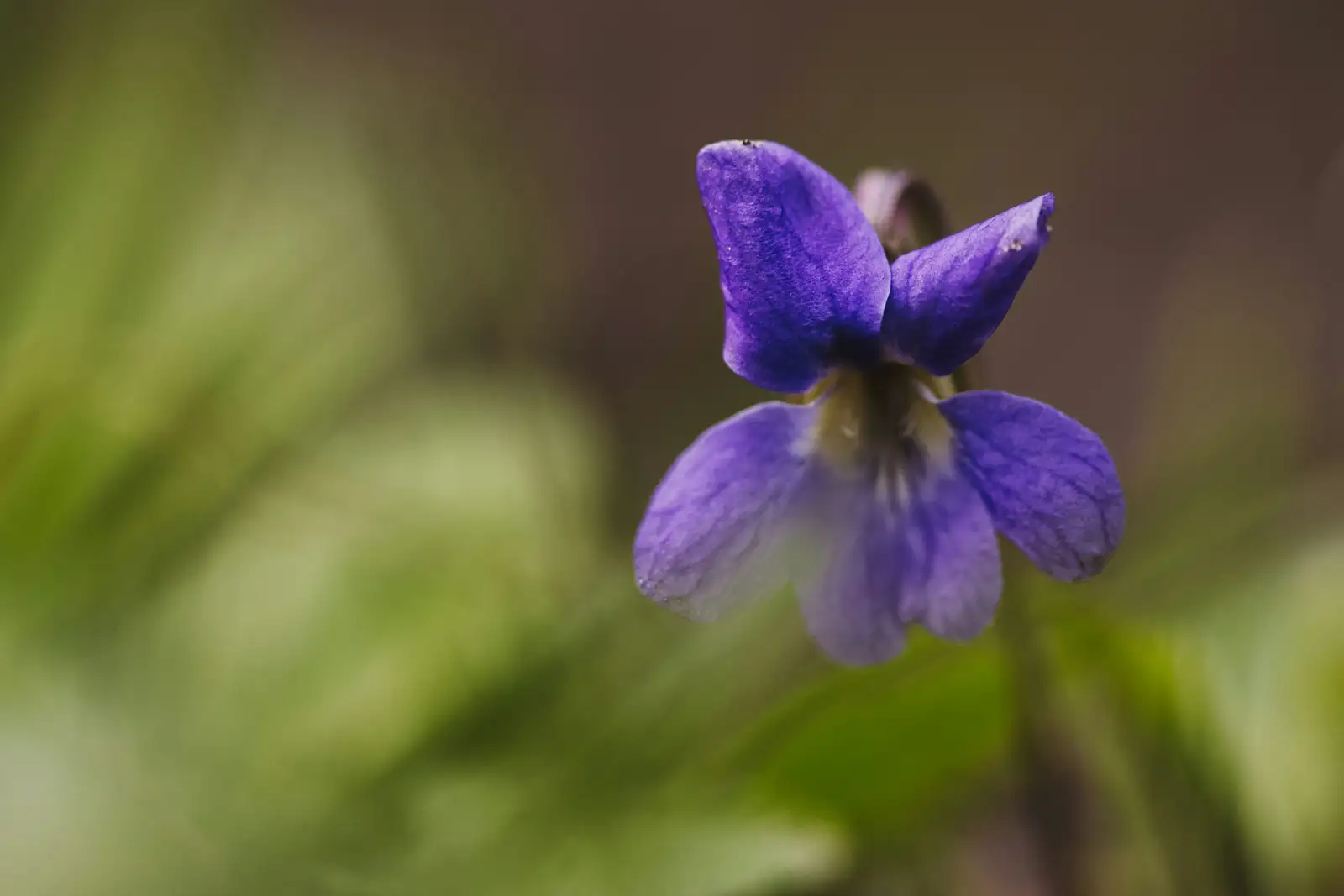
Breathe in: that unmistakable, honeyed perfume is Sweet Violet (Viola odorata), the little spring charmer that turns shady corners into fragrant confetti. Beyond looks and scent, it’s also a graceful guest in the kitchen—especially in candies, syrups, teas, and tossed across a spring salad. With a few smart safety notes and good prep, you can turn these velvety blossoms into jewel-toned treats that taste like the first warm day of the year.
Meet Sweet Violet at a Glance
- Botanical name: Viola odorata (Violaceae); also called Sweet Violet, English Violet, Garden Violet, Wood Violet
- Native range: Europe, North Africa, Western Asia; beloved cottage-garden classic
- Habit: Low, clumping perennial that spreads gently by runners, creating a soft groundcover
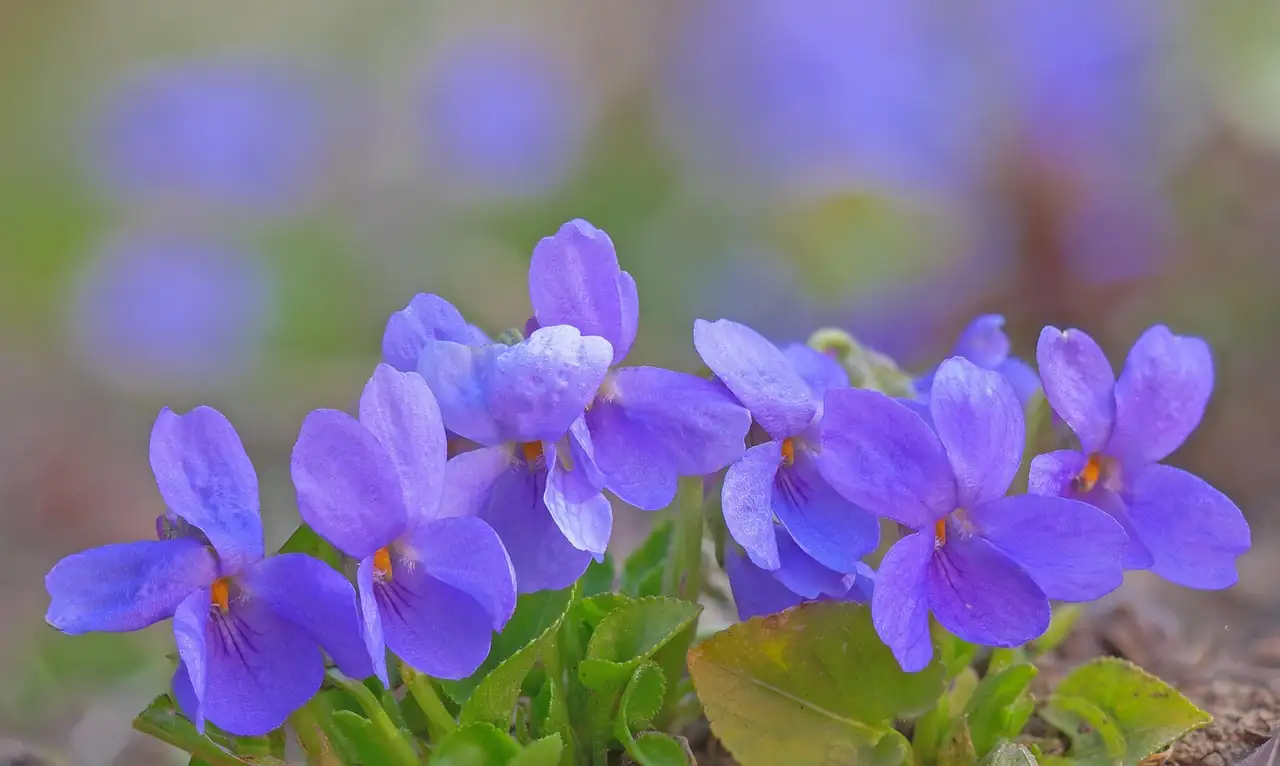
- Look-fors: Heart-shaped leaves; fragrant, deep-purple flowers with a delicate spur and finely bearded side petals; blooms late winter to spring (often February–April)
- Best growing light: Partial shade or dappled sun; morning sun with afternoon shade in warmer zones is ideal
Safety First (Read Before You Taste)
- Eat only the flowers (and, in small amounts, young leaves). Do not ingest seeds or rhizomes—they’re considered toxic and can cause vomiting and more serious symptoms.
- Keep plants, especially seed capsules and rhizomes, away from children and pets.
- For culinary use, moderation is wise. Try a small amount the first time to check your personal tolerance.
- Always source unsprayed, uncontaminated plants. Skip roadsides, lawns treated with herbicides/pesticides, and high-traffic pet areas.
Sourcing: Grow, Buy, or Forage—Safely
- Grow your own: For a reliable, chemical-free supply, tuck Sweet Violets into cool, lightly shaded beds, under shrubs, or in woodland-style borders. Keep evenly moist in fertile, well-drained soil.
- Buy with care: Choose “edible flowers” from reputable growers. Look for perky blooms with vivid color and no mildew or pests.
- If foraging: Confirm you’re harvesting Sweet Violet (fragrant blooms, heart-shaped leaves, early-season flowers, creeping runners). Harvest sparingly and avoid rare or protected species.
Harvest & Prep Like a Pro
- When to pick: Morning, once dew has lifted. Choose fully open flowers for the best flavor and perfume.
- How to snip: Pinch just below the flower to avoid including seed parts later in the season. For young leaves, pick tender, small ones.
- Gentle clean: Swish blossoms in cool water, lift into a colander, then spread on towels to dry completely. Water on petals can sabotage candying and shorten shelf life.
Kitchen Playbook: Sweet Violet Classics
Candied (Crystallized) Violets
The quintessential tea-time sparkle—crisp, perfumed, and old-world charming.
You’ll need:
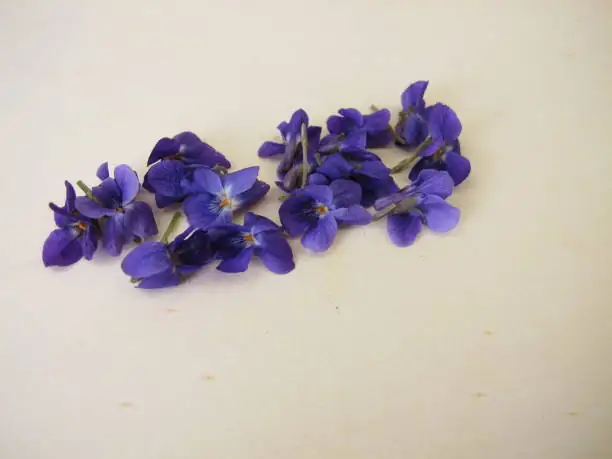
- Fresh, dry violet flowers (stems trimmed)
- 1 pasteurized egg white, lightly whisked (or meringue powder mixed per label)
- Superfine sugar (caster sugar)
- Soft paintbrush, drying rack, parchment
Method:
1) Paint each blossom lightly with egg white/meringue mixture (front and back).
2) Dust generously with superfine sugar until fully coated.
3) Set on a rack to dry 24–48 hours in a dry, airy spot until crisp.
4) Store airtight with a small food-safe desiccant or a spoon of uncooked rice.
Use for 2–3 months (or longer if perfectly dry): crown cupcakes, shortbread, macarons, pavlovas—or float one on a coupe of chilled champagne.
Food-safety tip: Use pasteurized egg whites or meringue powder to avoid raw-egg risk.
Simple Sweet Violet Syrup (Color-Shifting Magic)
Irresistible in mocktails, cocktails, lemonade, cakes, and sorbets.
Base infusion:
- 2–3 packed cups violet flowers
- 1 cup just-boiled water
1) Pour hot (not rolling-boil) water over flowers; cover and steep 20–30 minutes (or cool-steep 2–12 hours for gentler flavor).
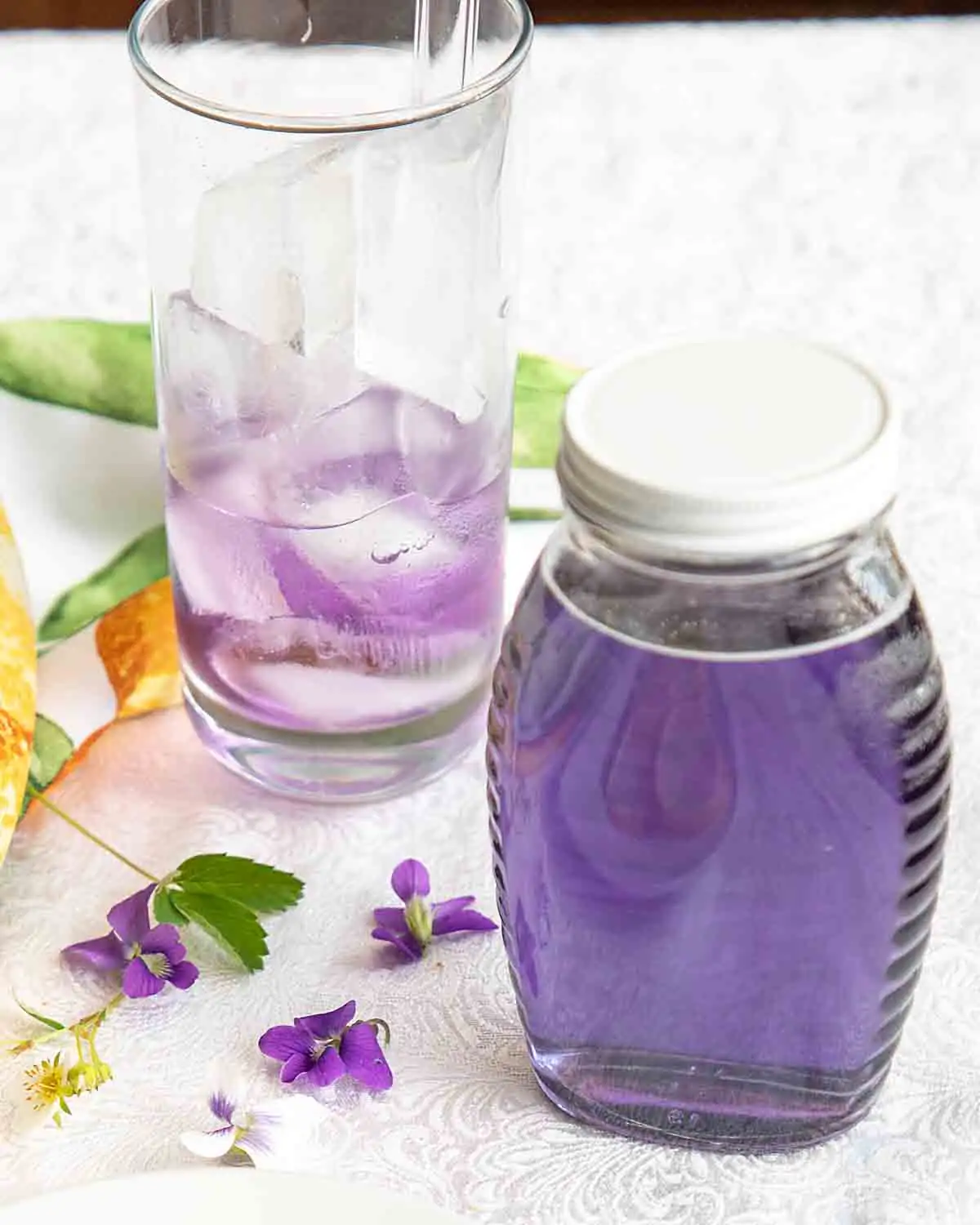
2) Strain, pressing gently. You’ll get a blue-violet infusion.
Turn it into syrup:
- Measure your infusion and add an equal volume of sugar.
- Warm just until dissolved; do not vigorously boil (preserves color and aroma).
- Optional: A few drops of lemon juice shift the color to pink-magenta (anthocyanins love a little acid).
Storage: Refrigerate up to 2–3 weeks. For longer keeping, freeze in ice-cube trays. Label and date.
Serve ideas:
- Stir into sparkling water or lemonade (watch that color blush!)
- Brush onto cake layers, drizzle over pancakes or fruit, shake into gin/tonic or a floral spritz
Violet Tea (Flowers and Young Leaves)
- Ratio: 1–2 teaspoons dried or 1 tablespoon fresh violets (flowers and/or tender leaves) per cup
- Water: 85–95°C (just off the boil)
- Steep: 5–8 minutes; sweeten lightly if you like
Lovely alone, or blend with lemon balm, catnip, or a twist of citrus peel for a calming evening cup. Chill for a spring iced tea.
Violet Sugar (and a Savory Twist)
- Sugar: Pulse 1/2 cup granulated sugar with a small handful of perfectly dry flowers until speckled and aromatic. Air-dry, then store airtight. Sprinkle on scones, crepes, berries.
- Salt: Finely chop a few flowers with flaky sea salt for a delicate finishing salt on soft cheeses or buttered radishes.
Jewel-Toned Violet Vinegar
Pack a clean jar loosely with flowers, cover with white wine vinegar, and steep 2–3 weeks. Strain to reveal a rosy-purple vinegar for dressings and quick pickles. Store cool and dark.
Salads and Savories: Gentle, Pretty, and Perfumed
- Garden salads: Scatter blooms over baby greens, shaved fennel, cucumber, and a citrusy vinaigrette. Add tender violet leaves sparingly for mild body and a whisper of floral green.
- Cheese boards: Candied violets with triple-cream cheese; fresh flowers over goat cheese toasts with honey and black pepper.
- Compound butter: Fold chopped young leaves and a few petals into softened butter with lemon zest and a pinch of salt; chill, then dab onto grilled asparagus or new potatoes.
- Spring soups: Swirl violet syrup or a few candied petals into chilled yogurt soups for a floral accent.
Note on leaves: Use the youngest leaves for tenderness. As with many wild-style greens, they can become a bit chewy later in the season—better chopped into soups or wilted briefly.
Storage & Shelf-Life Tips
- Fresh flowers: Refrigerate between layers of barely damp paper towel in a ventilated container; use within 1–3 days.
- Candied violets: Keep bone-dry, airtight, and cool; add a desiccant. Discard if they soften or turn tacky in humidity.
- Syrup: Refrigerate 2–3 weeks; freeze the surplus.
- Tea herbs: Dry flowers/leaves in thin layers out of direct sun; store in airtight jars, cool and dark, up to 6–9 months for best aroma.
Grow Your Own Flavor Patch
For a steady, safe supply, plant Sweet Violets where summers are kind and shade is dappled.
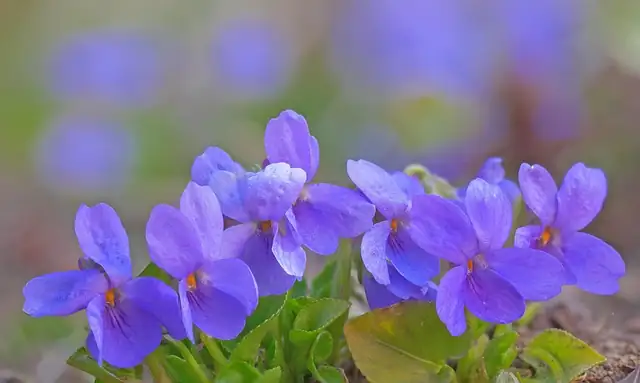
- Light: Partial shade to woodland-y filtered sun; morning sun, afternoon shade in warm climates
- Soil: Fertile, moisture-retentive but well-drained; avoid waterlogging
- Water: Keep evenly moist, especially in spring bloom; never soggy
- Hardiness: USDA Zones 5–9; cold hardy and reliable
- Care: Deadhead to tidy; divide clumps every few years if they overcrowd. Protect from harsh summer heat with shade and mulch.
- Common issues: Aphids, red spider mites (in hot/dry spells), slugs/snails; also leaf spots and powdery mildew—improve airflow, avoid overhead watering, and keep foliage clean.
Flower Language and a Pinch of History
In the language of flowers—popularized in 19th‑century Europe—violets whisper modesty, faithfulness, and quiet devotion. That symbolism likely grew from their low, humble habit and early, steadfast bloom. Sweet Violet’s romance is storied: Napoleon adored them, and their perfume became emblematic of loyalty and remembrance. Today, the scent remains iconic in perfumery, often reimagined with aroma compounds to capture that soft, powdery sweetness.
Quick Reminders Before You Cook
- Culinary parts: Flowers (and young leaves in small amounts) only.
- Never consume: Seeds or rhizomes—keep them away from children and pets.
- Source smart: Unsprayed, clean plants; when in doubt, grow your own.
- Start small: Introduce gently to your menu to ensure they agree with you.
Sweet Violet brings spring’s perfume right to your plate—shimmering on a candied petal, tinting a syrup, sighing from a cup of tea. With safety front and center and a few careful kitchen moves, these tiny blooms become the most elegant flourish your cooking will wear all season.


