
Sweet Violet, Viola odorata, is the sort of flower that doesn’t raise its voice—and yet it lingers in memory like a whispered promise. Low to the ground, scented like a half-remembered song, it peeks from cool shade at the very start of spring. No wonder floriography—the “language of flowers” or hua yu—made the violet a messenger for modesty, faithfulness, and remembrance. Let’s unpack those meanings, trace their roots to classical myth and Victorian manners, and see how violets keep speaking in art, literature, and the ways we still give flowers today.
Floriography 101: How a shy woodland bloom learned to “speak”
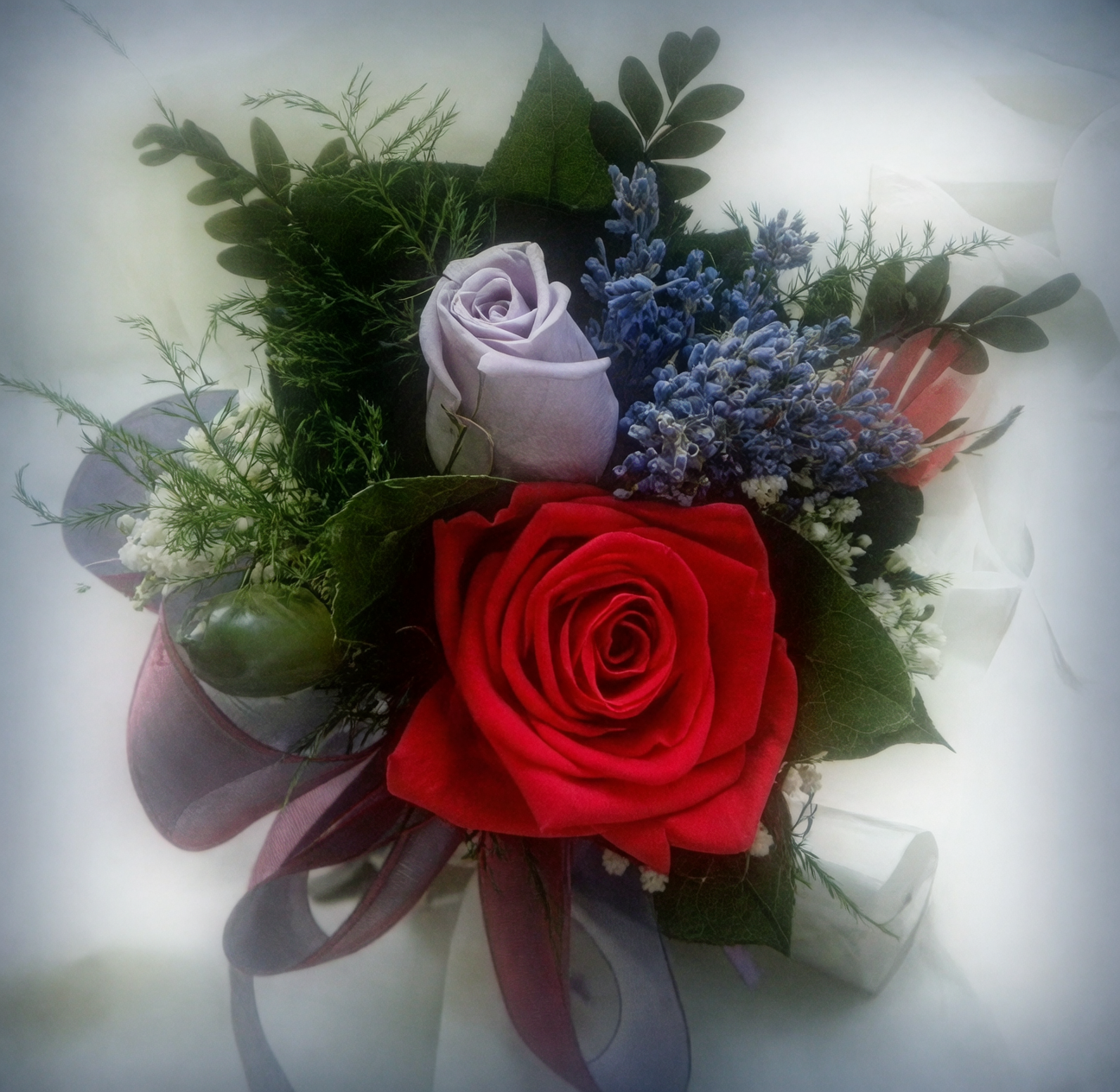
Victorian floriography wasn’t a single official code, but a fashionable, evolving practice of assigning meanings to flowers and arranging them into “tussie-mussies” (small nosegays) to send social cues. In an era of strict etiquette, a posy could do the talking.
- It borrowed heavily from older sources—classical myths, medieval herbals, folk customs, and the plant’s look, scent, and season.
- Meanings weren’t perfectly standardized; different flower dictionaries sometimes disagreed. But violets consistently came out near the top for modesty, devotion, and affectionate loyalty.
- The symbolism stuck because it felt right. Sweet Violet grows close to the earth, prefers dappled light, and greets spring with small, sweetly scented blooms—gentle traits that Victorians read as character.
Classical threads: myths, memory, and the “violet-crowned” city
Long before the Victorians, the violet already carried a cultural charge.
- Love and comfort: In a Greek tale, Zeus is said to have conjured violets to comfort Io when she wandered the earth transformed. Aphrodite and Eros also hover around the violet’s orbit in various traditions, giving it a tender, amorous tinge.
- Athens, “violet-crowned”: Ancient poets praised Athens as a “violet-crowned” city, entwining the flower with ideals of civility and beauty.
- Mourning and remembrance: Violets were part of classical garland-making; their sober, cool-hued presence made them natural tokens of memory.
These ancient associations—love’s gentleness and the hush of remembrance—primed violets for the Victorians’ symbolic lexicon centuries later.
Why violets signify modesty, faithfulness, and remembrance
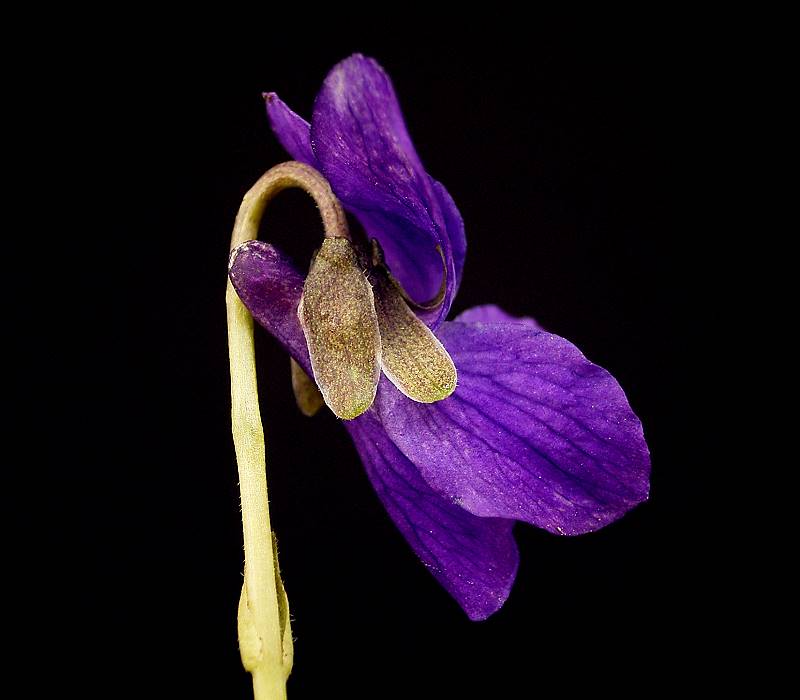
Sweet Violet’s meanings feel almost botanically inevitable once you meet the plant.
- Modesty and humility
- Habit: A low, quietly spreading perennial that tucks itself among leaves and stones instead of chasing the spotlight.
- Habitat: It prefers partial shade and woodland light, another “shy” trait.
- Form: Heart-shaped leaves cradle small flowers—pretty yet reserved.
- Faithfulness and devotion
- Seasonality: It returns reliably at winter’s end, one of the garden’s first “hellos” each year.
- Color and character: Deep purple often signals steadfastness in European color lore, and violets were exchanged as tokens of loyalty.
- Remembrance and affectionate loyalty
- Scent: Violet’s fragrance can feel hauntingly elusive. Chemically, ionones in violet scent temporarily “mute” our smell receptors, making the perfume seem to appear and vanish—like a memory surfacing and slipping away.
- Cultural echoes: Violets thread through elegiac poetry and memorial customs, entwining love with the act of remembering.
The Victorian violet craze
Violets became a true sensation in the 19th century—grown in cottage patches and grand estates, hawked by flower sellers, and distilled (or rather, recreated) for perfume.
- Romance with a uniform: Napoleon was famously fond of violets, a detail that helped cement their reputation as tokens of devotion; supporters even adopted the bloom as a discreet emblem.
- Perfumery: The scent is so beloved that perfumers often recreate it with aroma compounds rather than traditional distillation—violet fragrances today typically lean on ionones to capture that powdery, tender aura.
- Parlors and posies: Violet nosegays, sachets, syrups, and candied flowers were everywhere—sweet, sentimental, and coded with meaning.
Violets in art and literature: small flowers, big feelings
- Shakespeare
- Twelfth Night: The lovesick Orsino compares music’s melancholy to the fast-fading fragrance of violets—an image as ephemeral as the scent itself.
- Hamlet: Ophelia laments, “I would give you some violets, but they withered all when my father died,” linking violets with fidelity and its loss.
- Painting
- Édouard Manet placed violets in tender still lifes and portraits, where a small bouquet can signal intimate sentiment rather than grand gesture.
- Pre-Raphaelite-inspired scenes of Ophelia often hide violets among the flora, a quiet emblem of faithfulness and mortality.
- Decorative arts
- From embroidered handkerchiefs to Art Nouveau motifs, violets whisper refinement—a modest bloom used to say the unsayable.
How to “say” things with violets today
Even without a strict Victorian rulebook, you can compose modern messages with Sweet Violet.
- To honor gentle strength: Gift a small posy of deep purple violets to celebrate quiet perseverance or a steady partnership.
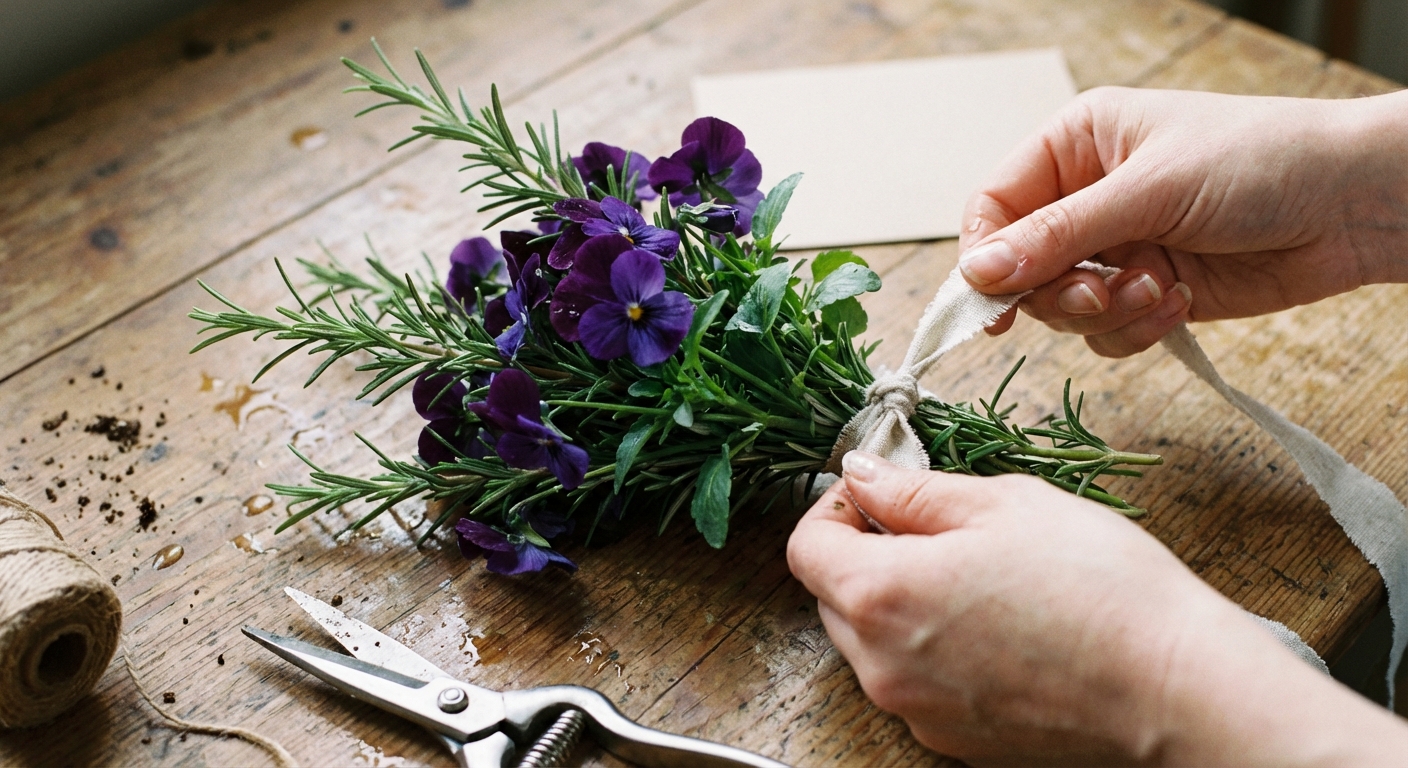
- For remembrance: Pair violets with rosemary in a simple, thoughtful spray—ideal for anniversaries of loved ones or reflective occasions.
- For platonic loyalty: White violets (where available) can underscore innocence and steadfast friendship.
- Sweet tokens: Crystallized violet petals, violet syrup, or a tiny potted plant make tender, old-world gifts. Note: Flowers and sometimes young leaves are used in culinary traditions—but avoid seeds and rhizomes, which are toxic.
Presentation tips:
- Keep it small and sincere; violets excel at understatement.
- Hand-tied, with soft ribbon or twine, suits the flower’s modest character.
- Add a card explaining your floriographic intent—turning a simple bouquet into a story.
Botanical cameo: meet the messenger (and grow your own)

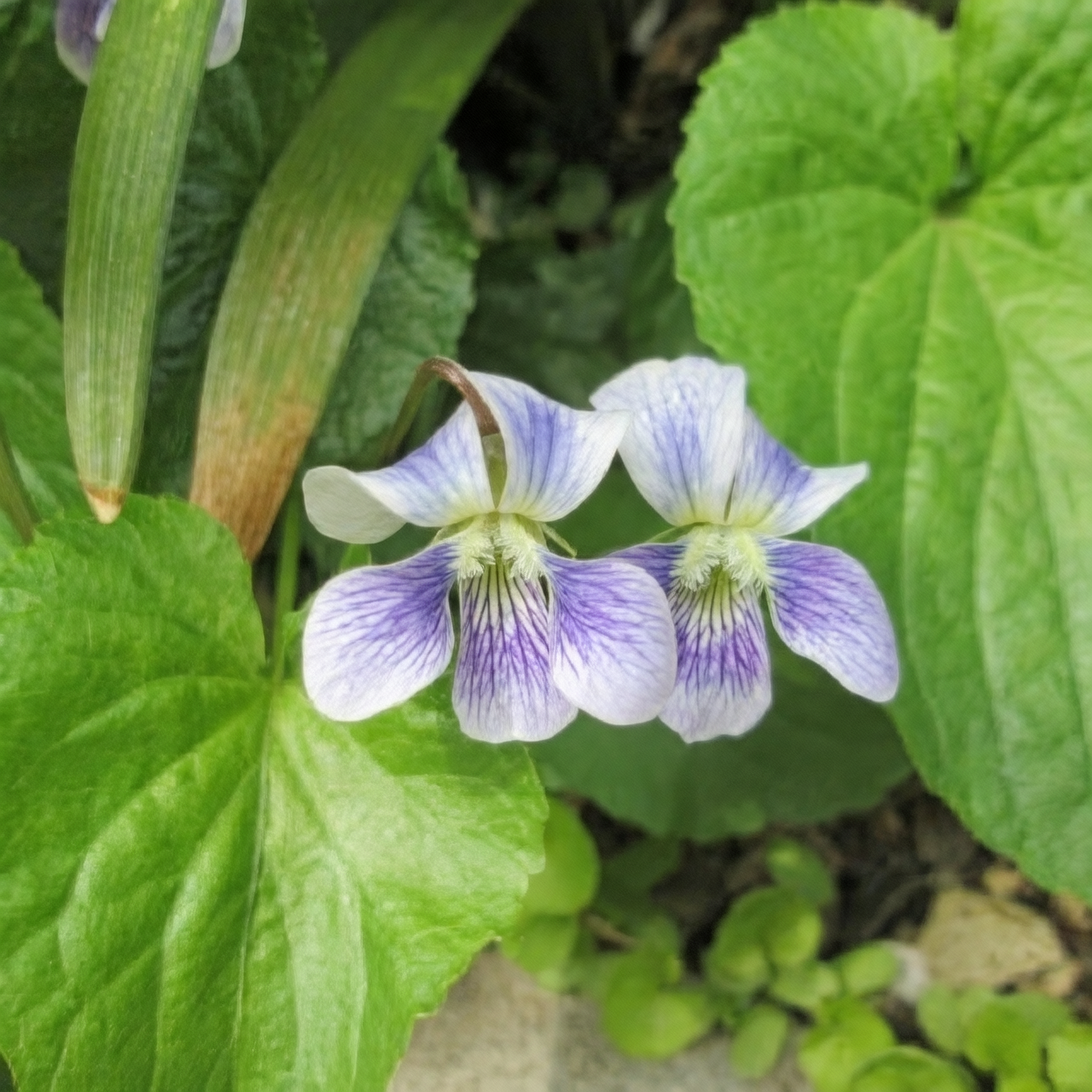
- What it is: Sweet Violet (Viola odorata), also called Common/English/Florist’s/Garden/Wood Violet, is a low, clumping perennial in the Violaceae family.
- Look and feel:
- Height: around 15 cm (6 in), spreading gently by runners to form a soft, scented ground cover.
- Leaves: heart-shaped, lightly scalloped.
- Flowers: typically deep purple, about 1.5–2 cm long, sweetly scented; side petals often bearded, the lower petal spurred.
- Season: late winter through spring (often February–April), sometimes longer in cool climates.
- Where it thrives:
- Light: partial shade to dappled sun (morning sun, afternoon shade in warm regions).
- Soil: fertile, moisture‑retentive but well-drained; keep evenly moist.
- Climate: prefers cool to mild; reliable in USDA Zones 5–9.
- Easy care:
- Water to maintain consistent moisture, especially during spring growth and bloom.
- Feed lightly in spring; deadhead for tidiness and more flowers.
- Propagates readily by stolons and by division; excellent for naturalized patches and cool containers.
Safety note: Keep seeds and rhizomes away from children and pets—they’re considered toxic and can cause serious symptoms if ingested.
The lasting spell of Viola odorata
Floriography isn’t a fixed dictionary; it’s a conversation between culture and plant. Sweet Violet earned its meanings not by decree but by character: a modest stature, a faithful return each spring, a fragrance that brushes the senses like memory itself. In paintings and poems, at gravesides and weddings, and in the small courtesies of gift-giving, violets still say what we sometimes cannot: I remember. I am true. I love quietly.