A breath of sugared violet drifts from a woodland edge, and suddenly winter loosens its grip. That’s Viola odorata—Sweet Violet—stepping from the understory of Europe, North Africa, and Western Asia with its velvety purple nod and an unmistakable perfume that can make even a stoic gardener go soft. Its journey winds through Greek love myths and medieval cloisters, past Napoleon’s secret signals and into the sunlit windows of Victorian cottages. Consider this the violet’s origin story—part botany, part romance, all charm.
Where it began: shade, cool air, and a promise of spring
Native to Europe, North Africa, and Western Asia, Sweet Violet made its name in places that offer cool mornings and dappled light. It’s a low, herbaceous perennial that keeps its head down (literally) and excels at subtlety, settling beneath shrubs, along rock-garden edges, and at the cool hems of pathways.
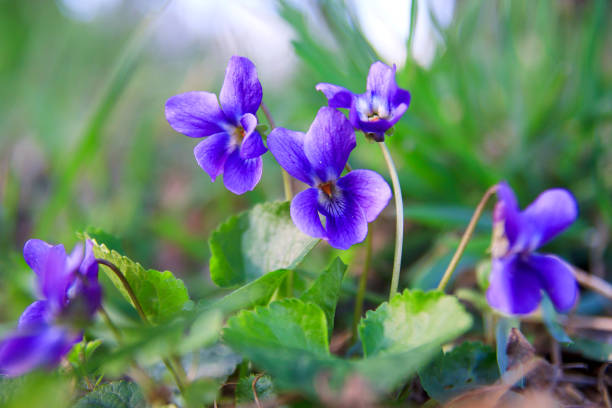
- Habit: Forms tidy clumps and then, with cheerful persistence, creeps outward via above-ground runners (stolons) to knit a soft, scented carpet.
- Size: About 15 cm (6 in) tall; leaves and flowers arise from a basal rosette.
- Leaves: Rounded to kidney-shaped or broadly heart-shaped (often up to about 4.5 cm/1.8 in), gently scalloped and sometimes lightly hairy—a perfect heart to hold its shy blossoms.
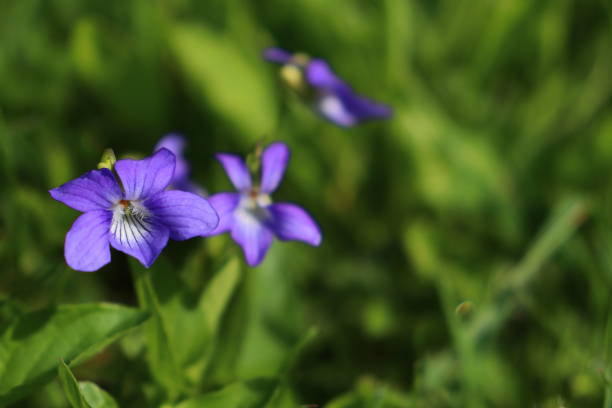
- Flowers: Showy yet modest, most often deep purple, sweetly scented, 1.5–2 cm (0.6–0.8 in) long including the spur. Side petals are often bearded near the base; the lower petal carries a neat little spur.
- Season: Late winter into spring (commonly February–April), often the garden’s first “hello” of the year.
Aliases to know: Common Violet, English Violet, Florist’s Violet, Garden Violet, and Wood Violet.
Garlanded in myth: from Athens to the underworld and back
The ancients were smitten. Poets praised “violet-crowned” Athens. Storytellers tied violets to the tender messiness of love and loss:
- Io and the pasture of perfume: In one tale, Zeus turned Io into a cow and created sweet violets so she’d have something delectable to eat.
- Venus and the rivals: Another legend says Venus, vexed by a beauty contest gone wrong, struck her competitors until they turned blue—into violets.
- Persephone’s bouquet: Violets were among the spring flowers she gathered before the earth opened and Hades stole her away.
- Orpheus and song: Some storytellers say violets sprang where his enchanted lute was laid.
True or not, these stories fixed Viola odorata to ideas of love, longing, and the heart’s faithful ache—associations that have clung to the plant ever since.
Cloisters and cottages: violets in medieval Europe
Medieval monks tucked sweet violets along paths and in infirmary beds for their soft perfume and soothing reputation. In folk medicine they were brewed as mild, calming, “cooling” teas and cough syrups; in kitchens, flowers decorated Lenten dishes and spring pastries. Christian symbolism later cast the violet as a sign of humility and modesty—a quiet soul in heart-shaped leaves.
Note: Another violet, Viola tricolor, wore its own medieval halo as “Herb of the Trinity,” but the fragrant star of cloisters and cottage patches was Viola odorata.
Napoleon’s spring signal
Napoleon’s fondness for violets helped secure them a romantic, even subversive reputation. Stories (told with a wink of legend) say he used violets as a token of devotion to Joséphine and that, during his exile on Elba, supporters traded the flower as a secret sign of loyalty—“Corporal Violet,” they whispered—and watched for his return with the first violets of spring. Whether embroidered or exact, the tale sealed the plant’s image as a blossom of remembrance and steadfast love.

The Victorian violet: floriography and cottage comfort
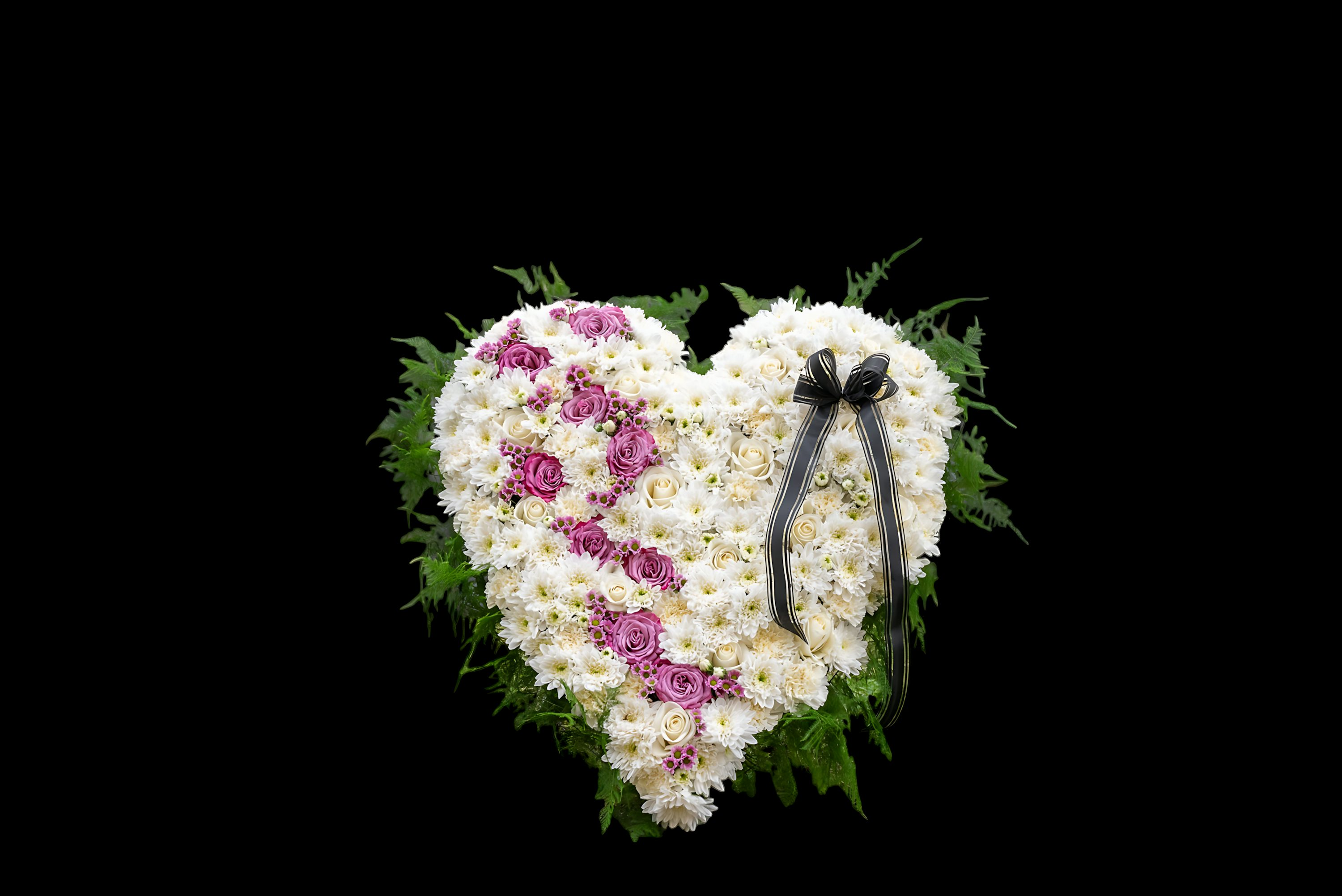
Victorians adored violets. They pinned nosegays to shawls, sent tussie-mussies to declare quiet devotion, and pressed violet-scented calling cards. In the language of flowers—never a single book but a tangle of popular guides—the violet meant modesty, faithfulness, and affectionate remembrance. Why? Partly the plant’s discreet habit; partly centuries of myth; and partly that exquisite scent, which seems to arrive and vanish like a sigh.
Culturally, violets also fueled:
- Perfumery: Once captured by old techniques, their fragrance is today famously reimagined with aroma compounds to mimic that nostalgic, powdery-green bloom.
- Confections: Candied flowers and violet syrups brightened late-winter tables and tea trays.
- Cottage gardens: Sold as “English Violet,” they naturalized along borders and beneath roses, a living ribbon of spring.
How to grow Sweet Violet (Viola odorata) today
Think “cool woodland edge” and you’ll get it right.
- Light: Partial shade to dappled/filtered sun; morning sun with afternoon shade is ideal in warm regions.
- Temperature: Prefers cool to mild conditions; cold hardy and reliable. Best in USDA Zones 5–9; will sulk in hot summers.
- Soil: Fertile, loose, moisture-retentive but well-drained—classic moist sandy loam.
- Water: Keep evenly moist, especially during spring growth and bloom. Water when the surface begins to dry, then soak thoroughly; avoid soggy feet.
- Placement: Under shrubs, along shaded borders, in woodland gardens, rock gardens, and cool containers.
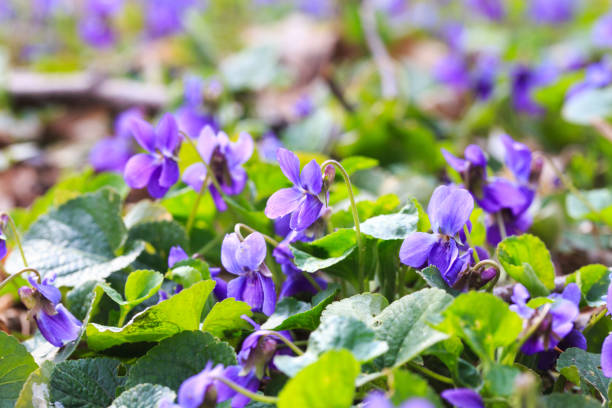
- Growth habit: Excellent as a gentle ground cover; runners root as they go, gradually forming scented colonies.
Care calendar
- Late winter–spring (Feb–Apr): Peak bloom—keep moisture steady; feed lightly with balanced fertilizer or a sift of compost.
- Summer: Protect from heat; move container plants into bright shade and maintain moisture without waterlogging.
- Fall: Tidy, trim weak growth, and rein in long runners if you prefer a neat patch; divide clumps if needed.
- Winter: Generally hardy; a light mulch helps in exposed spots.
Propagation and containers
- Seed: Sow in spring or fall; seedlings relish consistent moisture early on.
- Division: The easiest path—lift and split clumps, or gently peg down runners to root, then separate.
- Repotting: Refresh container plants every 2–3 years in spring or fall with fresh, humus-rich mix.
Pests and gentle fixes
- Usual suspects: Aphids, red spider mites (especially in hot, dry spells), and slugs/snails.
- Diseases: Violet gall midge, leaf spots, and powdery mildew can appear.
- Prevention: Water at soil level, not over the leaves; avoid waterlogging; give plants good airflow and clear away old foliage.
Safety, scent, and the senses
- Edibility and caution: The flowers—and sometimes the young leaves—are used as edible garnishes, teas, and syrups. Do not eat the seeds or rhizomes; they’re considered toxic and may cause vomiting and more serious symptoms. Keep plants away from curious children and pets.
- Perfumery note: The “violet” in many modern fragrances is recreated with aroma compounds, capturing that elusive, powdery-green bloom without relying on flower extraction.
- A little scent magic: Violet fragrance is rich in ionones, which can temporarily desensitize your sense of smell—one reason the perfume seems to appear, vanish, and reappear like a Victorian ghost.
Fast facts to love
- One of the year’s earliest bloomers; sometimes flowers while winter still lingers.
- Spreads politely by stolons, knitting into a fragrant spring carpet under shrubs and along edges.
- Side petals may be delicately “bearded,” and the lower petal carries a neat spur—tiny details that reward a closer look.
Quick Q&A
- What’s the difference between Sweet Violet and pansy?
- Sweet Violet is a fragrant, low perennial with smaller, typically purple blooms and a creeping habit. Pansies are usually grown as annuals or biennials, have larger “face-marked” flowers, and are generally less fragrant.
- Can Sweet Violet handle hot summers?
- It struggles in sustained heat. In warm regions, grow it in bright shade, keep soil evenly moist (not soggy), and enjoy it as a cool-season charmer.
- Are the flowers edible?
- Yes, the flowers (and sometimes young leaves) are used as edible garnishes in some traditions. Do not consume the seeds or rhizomes.
The violet’s lasting meaning
Flower language wasn’t a single codex but a Victorian craze of guidebooks, scrap albums, and social shorthand. Across those sources—and centuries of earlier myth and Christian symbolism—the Sweet Violet settled into a role that suits it beautifully: modesty, humility, faithfulness, and the quiet ache of remembrance. In other words, a flower for promises kept and feelings held dear.
Plant one near a threshold or under a favorite shrub, and let it do what it has always done: greet spring first, perfume the air, and whisper old stories while it spreads a small, steadfast patch of joy.