

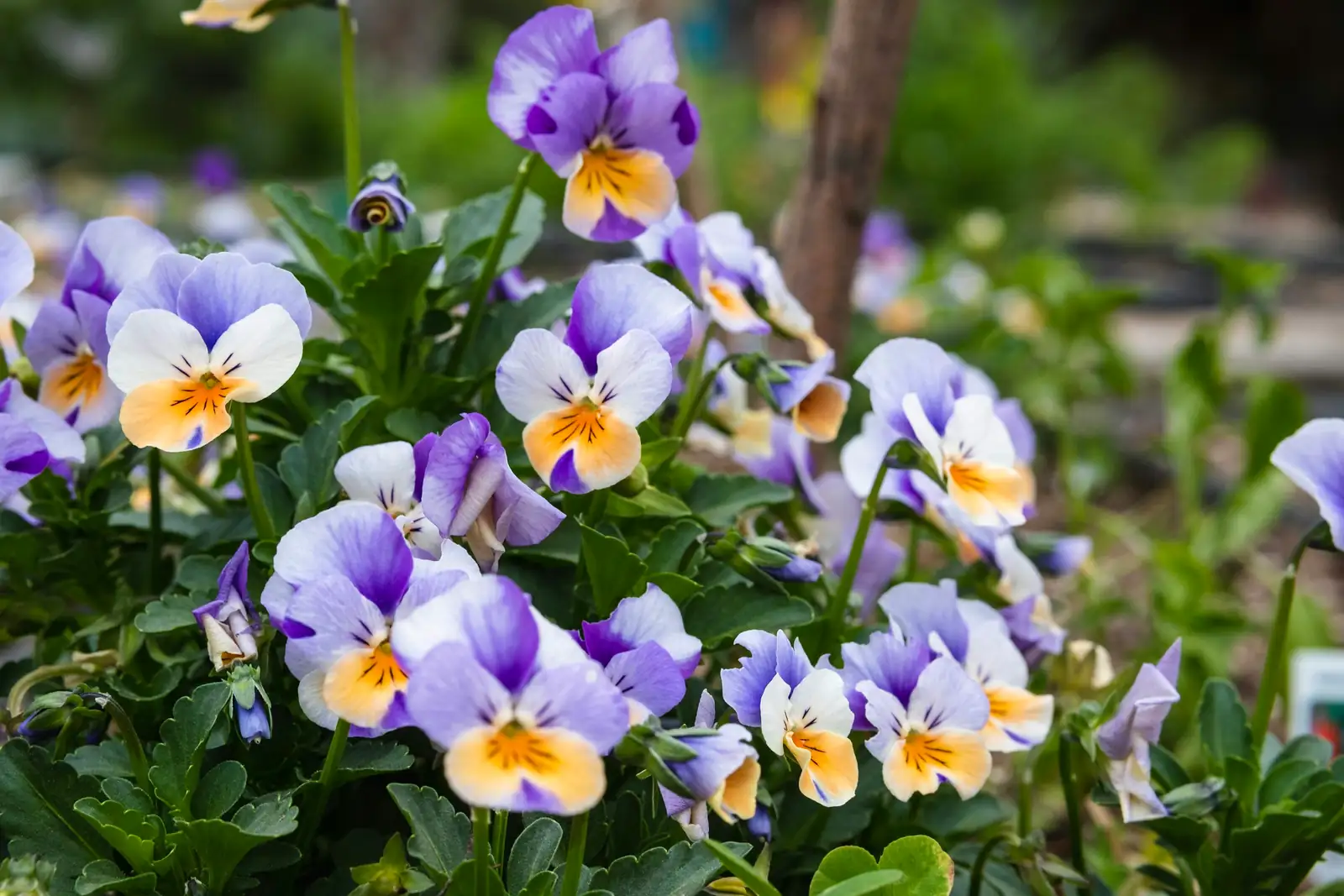
Pansies are famous for wearing their hearts on their sleeves—or rather, on those expressive, face-like blooms. But when hot weather barges in, Viola × wittrockiana can clam up, dropping buds or refusing to set new ones. The good news: with a sharp-eyed diagnosis and a few strategic tweaks—afternoon shade, better airflow, root-cooling, moisture management, and nutrition resets—you can coax them back into bloom.
Quick refresher: what your pansies want
- Light: Full sun to partial shade; in warm spells, prioritize morning sun and afternoon shade.
- Temperature sweet spot: Cool is king—steady growth around 7–15°C (45–59°F), abundant blooms roughly 10–20°C (50–68°F). Prolonged heat above ~25°C (77°F) slows buds; many plants really struggle near 29°C (85°F) and up.
- Soil and water: Fertile, humus-rich, well-drained, and consistently moist (never soggy).
- Habit and size: Compact mounds, typically 15–25 cm tall and 15–30 cm wide, flowering spring–early summer and again in fall (often right through mild winters).
The heat-stall diagnostic checklist
Use this to pinpoint what’s silencing your pansies.
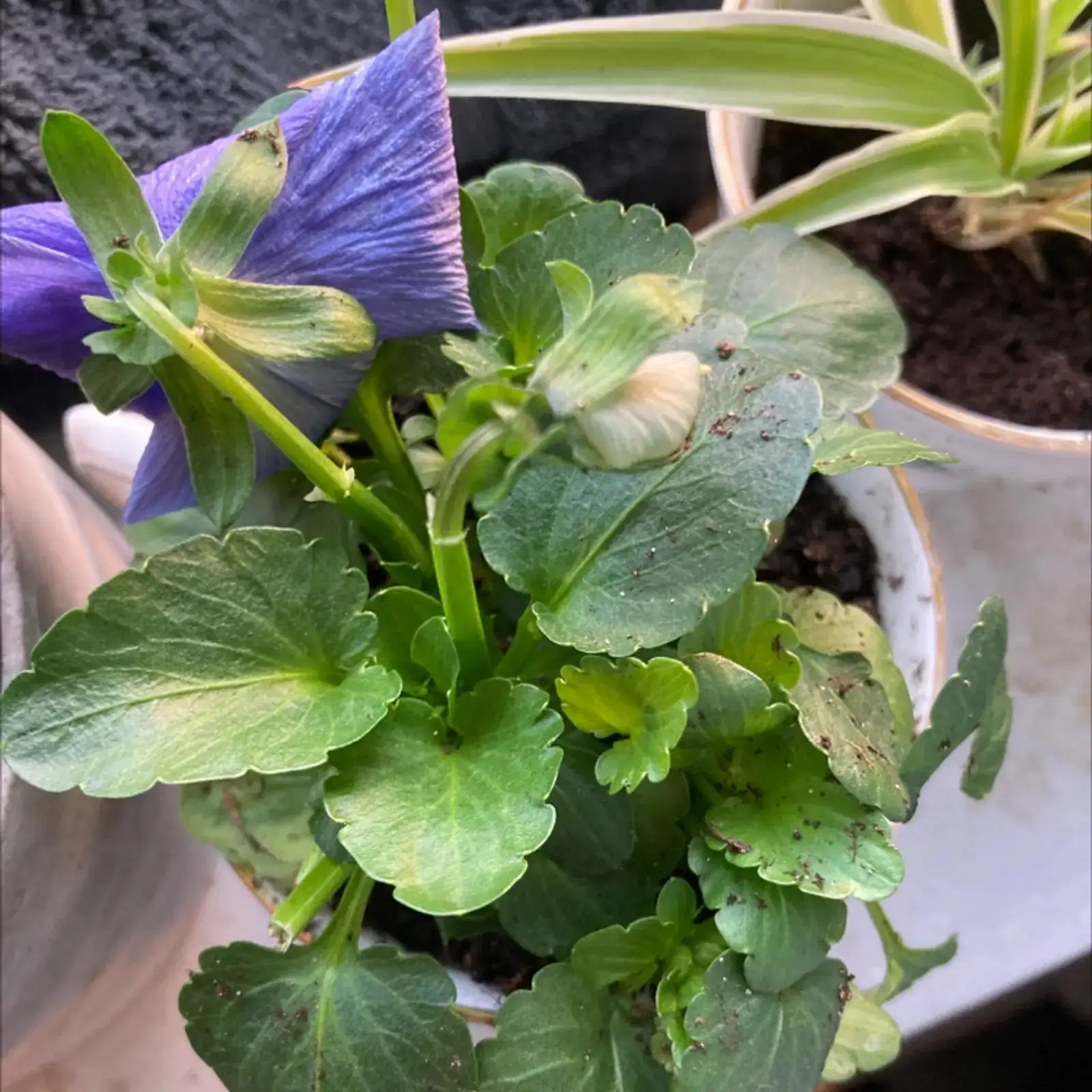
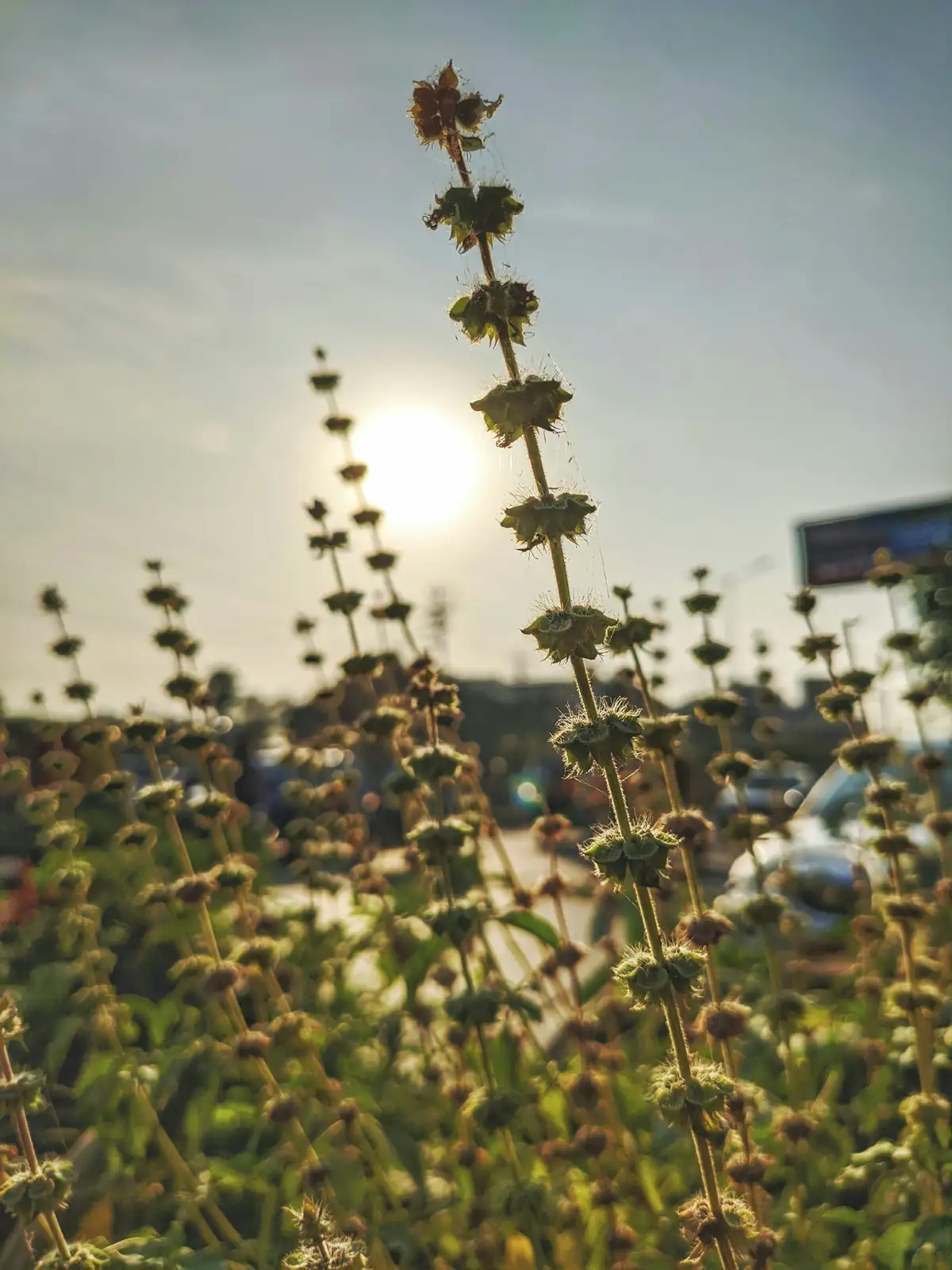
1) Temperature red flags
- Days consistently warmer than ~25°C (77°F) or nights that never cool.
- Buds aborting, stretched foliage, fewer new flower stalks.
2) Sun exposure mismatch
- Harsh mid-to-late afternoon sun baking plants and pots, especially on patios, balconies, and south/west walls.
3) Hot or suffocated roots
- Dark plastic containers, tight spacing, or pots sitting on heat-soaked surfaces (stone, metal, asphalt).
- Media smells sour or feels swampy—an oxygen-starved root zone.
4) Stagnant, humid air
- Tight plant spacing, crowded mixed containers, or sheltered corners with no breeze.
5) Watering swings
- Alternating drought and drench, or chronic wet feet leading to root rot.
- Overhead watering that wets blooms and lingers on leaves.
6) Nutrition imbalance
- High-nitrogen feeding pushing leaves at the expense of flowers.
- Fertilizer salt buildup in containers (crust on soil, leaf tip burn).
7) Missed grooming
- Spent blooms left to set seed; leggy stems shading new growth.
8) Pests and disease nudging stress over the edge
- Aphids, mites, or slugs/snails; gray mold (Botrytis), mildew, or leaf spots—often worse in warm, damp, still air.
The fix: reboot bud formation
1) Shift the light: keep mornings bright, soften afternoons
- Move containers to bright morning light with protective afternoon shade.
- For beds, rig 30–40% shade cloth for the hot stretch of the day.
- Tuck pots behind taller companions that cast dappled shade after lunch.
Why it works: Pansies love light, but cool light—front-load the day and spare them the broiler setting at 3 p.m.
2) Cool the root zone without drowning it
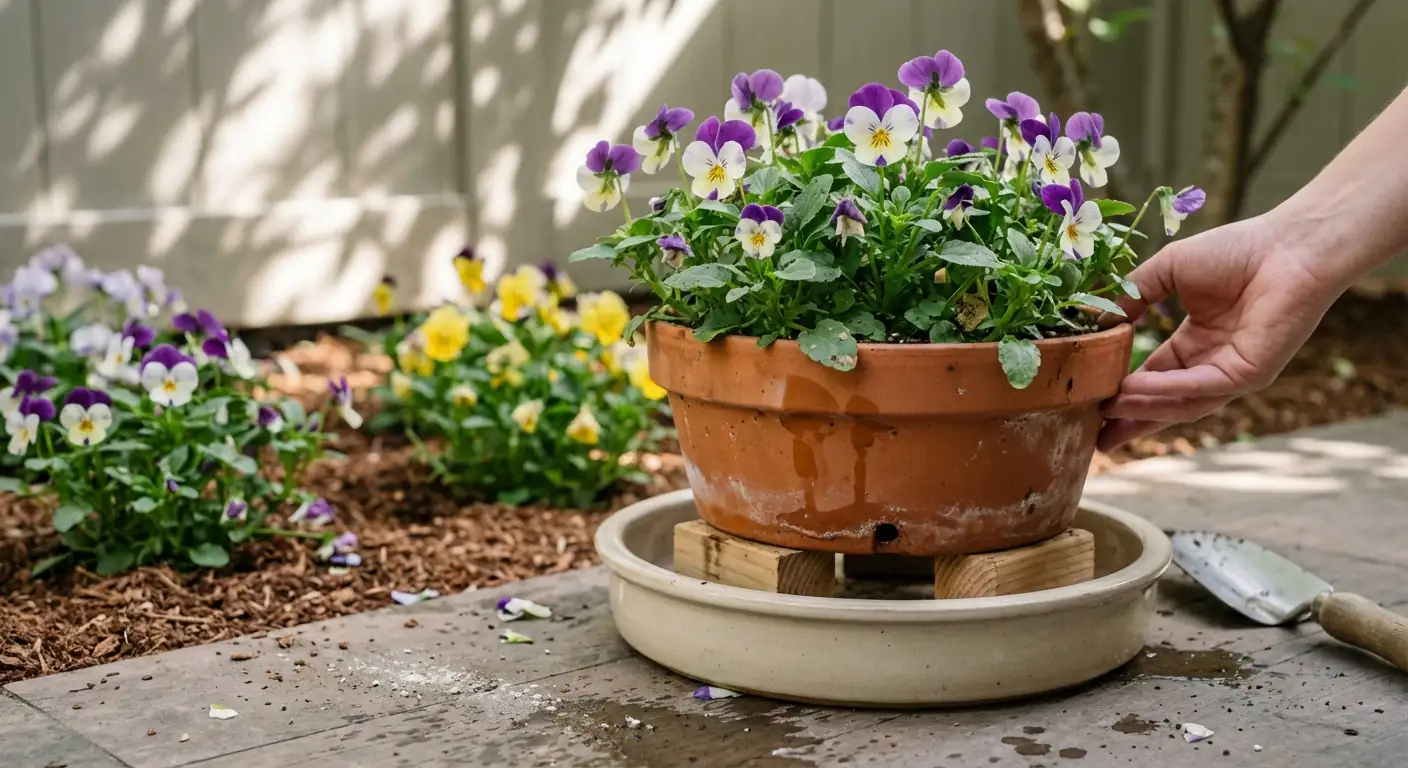
- Choose lighter-colored or clay pots (they shed heat better than dark plastic).
- Double-pot: slip the plant’s container inside a slightly larger cachepot with an air gap as insulation.
- Lift pots off sun-baked concrete with pot feet or a wooden trivet; avoid metal shelves that heat up fast.
- Mulch in beds with a thin 2–3 cm layer of fine bark or leaf mold; keep mulch off the crown.
- Water in the morning so media starts cool and evenly moist before heat builds. Never let pots sit in saucers of water.
Tip: If the side of the container feels hot to your palm, the roots feel hotter—cool the pot or move it.
3) Turn up the airflow (but not a blast furnace)
- Space plants about 15–20 cm apart (wider for trailing types); thin overcrowded combos.
- On covered porches, run a small fan for gentle, continuous air movement.
- Prune neighboring plants that shade and smother pansies; think “breezy and bright,” not “wind tunnel.”
4) Moisture management: even keel beats feast-or-famine
- Check daily during warm spells; water when the top 1–2 cm of soil feels dry.
- Water at the base (not over petals/leaves) early in the day.
- Ensure excellent drainage—refresh or re-pot mixes that compact or sour.
- In heat pauses, resist the urge to “fix” flowering with extra water. Focus on cooling and steady moisture instead of more frequent drenching.
5) Nutrition tweaks for flower-forward growth
- Pause high-nitrogen formulas. Switch to a bloom-leaning feed (higher phosphorus and potassium, moderate nitrogen) at half strength every 2 weeks during active recovery—or use a balanced feed monthly if growth is modest.
- Flush containers with clear water every 4–6 weeks to wash out salts before resuming feeding.
- Aim for slightly acidic conditions and fertile, humus-rich media. Overfeeding won’t outmuscle heat; the environment drives buds.
6) Groom for a restart
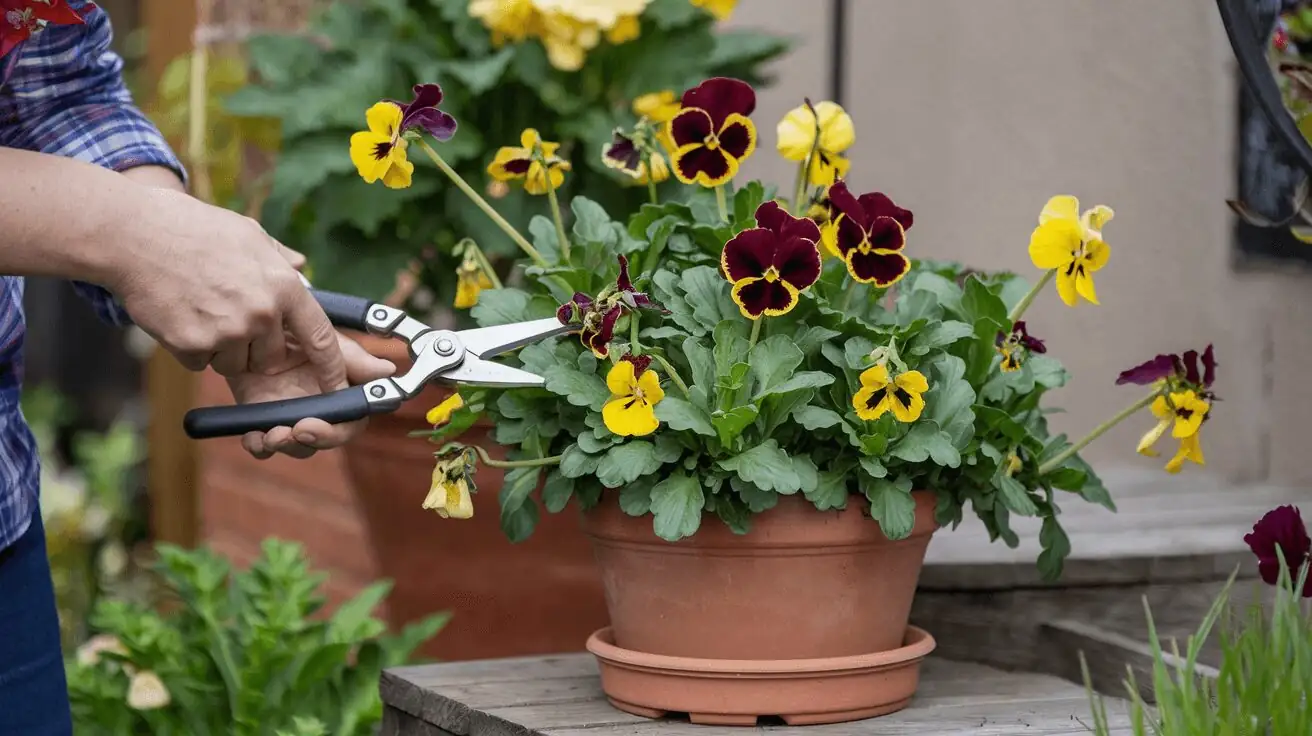
- Deadhead properly: remove the spent bloom with its stem to prevent seed set.
- If plants are lanky, trim back to about 7.5–10 cm to refresh growth and light penetration.
7) Expect a realistic timeline
- Once nights cool and the above fixes are in place, new bud initiation often resumes within 1–3 weeks, with flowers following soon after. If heat lingers, growth may stay in “maintenance mode” until a genuine cool-down.
Container vs. in-ground nuances
- Containers heat up—and dry out—faster. Choose larger volumes of media (they buffer temperature), use clay or light-colored pots, and relocate with the sun.
- In beds, mulch and morning irrigation excel; keep crowns high and soils well-structured with compost or leaf mold to prevent rot.
When summer truly arrives
Even with your best efforts, midsummer can push pansies into a protective pause. Your goal: keep plants healthy, clean, and lightly fed so they rebound at the first cool spell.
- Provide afternoon shade and gentle airflow.
- Maintain even moisture; avoid soggy soil.
- Deadhead and lightly trim to keep the canopy compact and ready.
Troubleshooting quick hits
- Yellowing but leafy, few flowers? Likely too much nitrogen or too little light—shift to morning sun/afternoon shade and switch feeds.
- Buds form, then abort? Heat or water stress. Cool roots, even out moisture, improve airflow.
- Gray, mushy blooms after warm, damp days? Botrytis. Remove affected tissue, water early at soil level, improve spacing and breeze.
- Sticky new growth with curling leaves? Aphids. Treat with insecticidal soap and rinse residues from leaf undersides.
- Silvery stippling and webbing in heat? Spider mites. Boost humidity around—not on—foliage with careful morning watering, improve airflow, and use insecticidal soap or horticultural oil as labeled.
- Chewed petals/leaves overnight? Slugs/snails. Hand-pick, use barriers, or appropriate baits if needed.
A seasonal rhythm that favors flowers
- Spring: Bright light, even moisture, frequent deadheading, light regular feeding.
- Summer: Afternoon shade, airflow, root-cooling; reduce feed if growth slows; keep tidy.
- Fall: Prime planting in many regions; cool temps relaunch strong growth and a fresh flush of blooms.
- Winter (milder climates): Continued color with protection from prolonged hard freezes; containers are more vulnerable than beds.
A note on cultivars and expectations
Some series (often marketed for resilience, like Matrix, Delta, or Majestic Giants) can be a touch more forgiving in shoulder seasons. None are heat-proof, though—environmental tuning still makes the biggest difference.
Flower language, thoughtfully considered
The very name pansy comes from the French pensée—“thought.” That etymology fed its Victorian flower language: a pansy tucked into a bouquet signaled “I’m thinking of you,” remembrance, or tender, thoughtful love. Today, those meanings persist more as cultural poetry than botanical fact, but they pair beautifully with the plant’s character: a cool-season companion that shows up when the air is crisp and clear, then rests when the world turns hot and hurried. If you share a bloom, share the story, too.
Care snapshot (for the fridge door)
- Light: Morning sun, afternoon shade in warmth.
- Temperature: Best below ~25°C (77°F) for steady bud set; many struggle near 29°C (85°F) and up.
- Water: Evenly moist, never waterlogged; water at soil level.
- Soil: Fertile, humus-rich, superb drainage; slightly acidic often ideal.
- Feed: Light, regular feeding; bloom-leaning during flowering; avoid excess nitrogen.
- Hygiene: Deadhead often; trim leggy growth; keep good airflow.
- Pests/disease: Watch for aphids, mites, slugs/snails; prevent mildew and Botrytis with spacing, base-watering, and quick cleanup.
With a cooler root run, a softer afternoon sun, and a smarter feeding-and-watering rhythm, Viola × wittrockiana will stop sulking and start smiling again—one thoughtful little face at a time.


