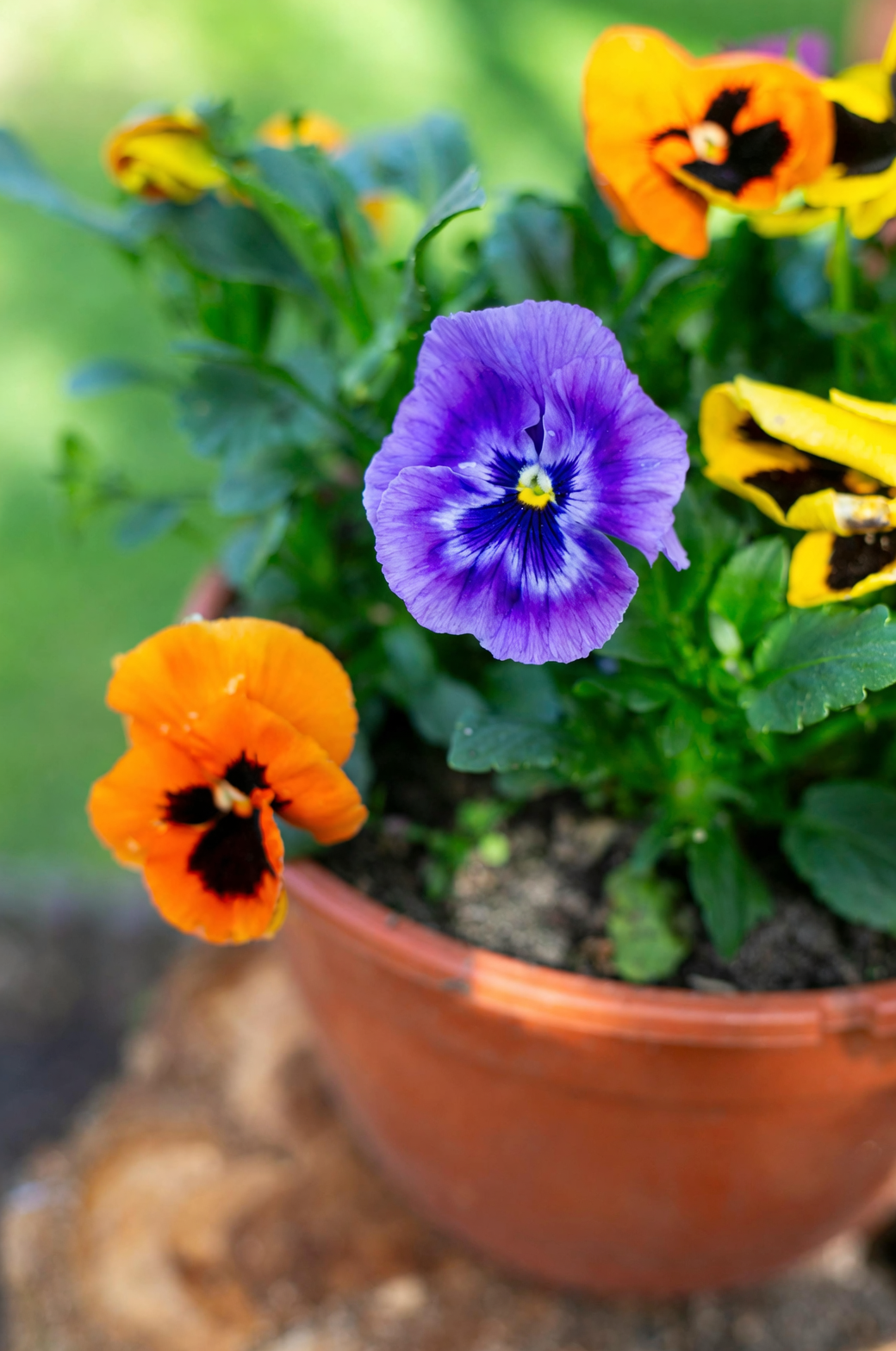
Think of pansies as little mood-lifters with big personalities. But not all Viola × wittrockiana behave the same. Some sit neatly in place like perfect buttons for bedding designs, others tumble and trail in baskets, and a few flaunt ruffled petals that beg to be admired up close on a balcony table. This buyer’s guide compares growth habits, bloom size, and performance traits across popular series so you can pick the right “faces” for beds, baskets, and petite city spaces.
Pansy basics to keep in mind as you shop:
- Cool-season charmers: happiest around 10–20°C (50–68°F). Heat above about 25°C (77°F) slows flowering.
- Typical size: about 15–25 cm tall and 15–30 cm wide, depending on variety and whether it’s mounding or trailing.
- Bloom size: usually 4–6.5 cm across (about 1.5–2.5 inches). Deadhead for nonstop color.
- Light and soil: bright light, consistently moist but well-drained, fertile mixes. Afternoon shade helps in warmer regions.
How to choose, fast:
- For beds and borders: compact, uniform mounding series with large, showy faces.
- For hanging baskets and railing planters: spreading/trailing series with abundant blooms.
- For small balconies/windowsills: tidy, well-branched mounds that pack color into tight quarters and show well up close.
Series to know (and how they behave)
Delta
- Growth habit: tight, compact mounds with short, sturdy stems that hold blooms up where you can see them. Ideal for crisp edging and bed designs.
- Bloom size and look: at the larger end of the pansy range with excellent color clarity in both blotched and clear-faced types.
- Performance notes: reliably early, weather-tolerant, and uniform. Great in packs, small pots, and any high-traffic spot near doors or paths.
- Best use: formal beds, borders, window boxes, and small containers that need tidy, high-impact color.
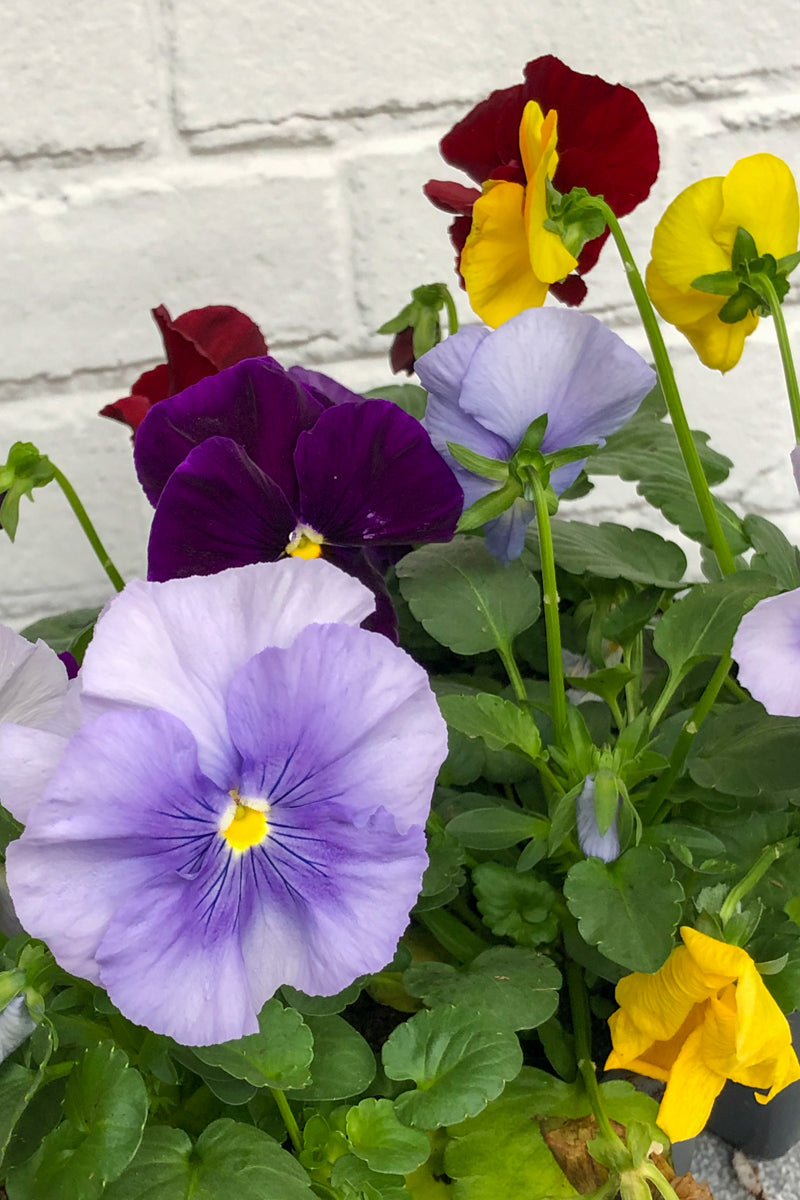
Matrix (including Spring Matrix)
- Growth habit: well-branched, evenly mounded plants that keep their “faces” looking forward—excellent for mass plantings.
- Bloom size and look: large, eye-catching flowers in a broad palette; consistent across colors.
- Performance notes: bred for uniformity and season-long cool-weather color; Spring Matrix selections are tuned for fast, even spring finishes.
- Best use: bedding carpets, porch pots, and any design where reliable uniformity is king.
Colossus
- Growth habit: sturdy, mounding plants with a bold presence.
- Bloom size and look: among the biggest, classic pansy “faces” you’ll find, with dramatic blotches and rich solids that read from a distance.
- Performance notes: thick, showy petals that hold up well; plant a touch wider to give each bloom room to shine.
- Best use: high-visibility beds, statement borders, and solo pots where oversized faces make maximum impact.
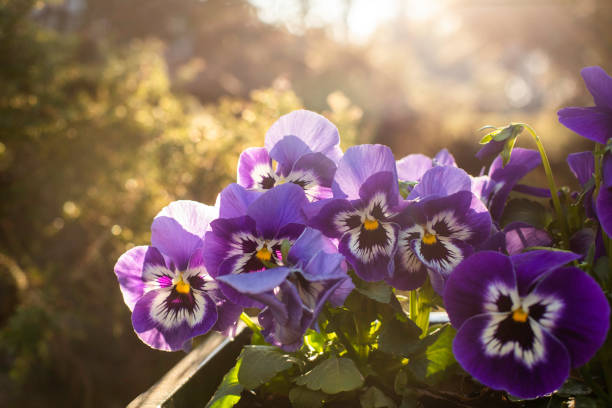
Frizzle Sizzle (ruffled types)
- Growth habit: compact to medium mounds that show best at eye level or close range.
- Bloom size and look: medium-to-large blooms with frilled, wavy petals—texture that looks almost couture.
- Performance notes: superb for containers where you’ll appreciate the detail; color mixes like Lemonberry add extra flair.
- Best use: patio pots, balcony tables, and hanging baskets you can admire up close.
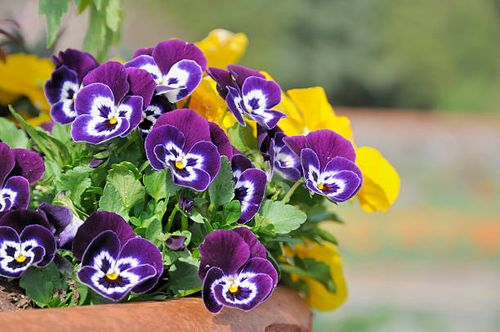
Cool Wave (spreading/trailing pansies)
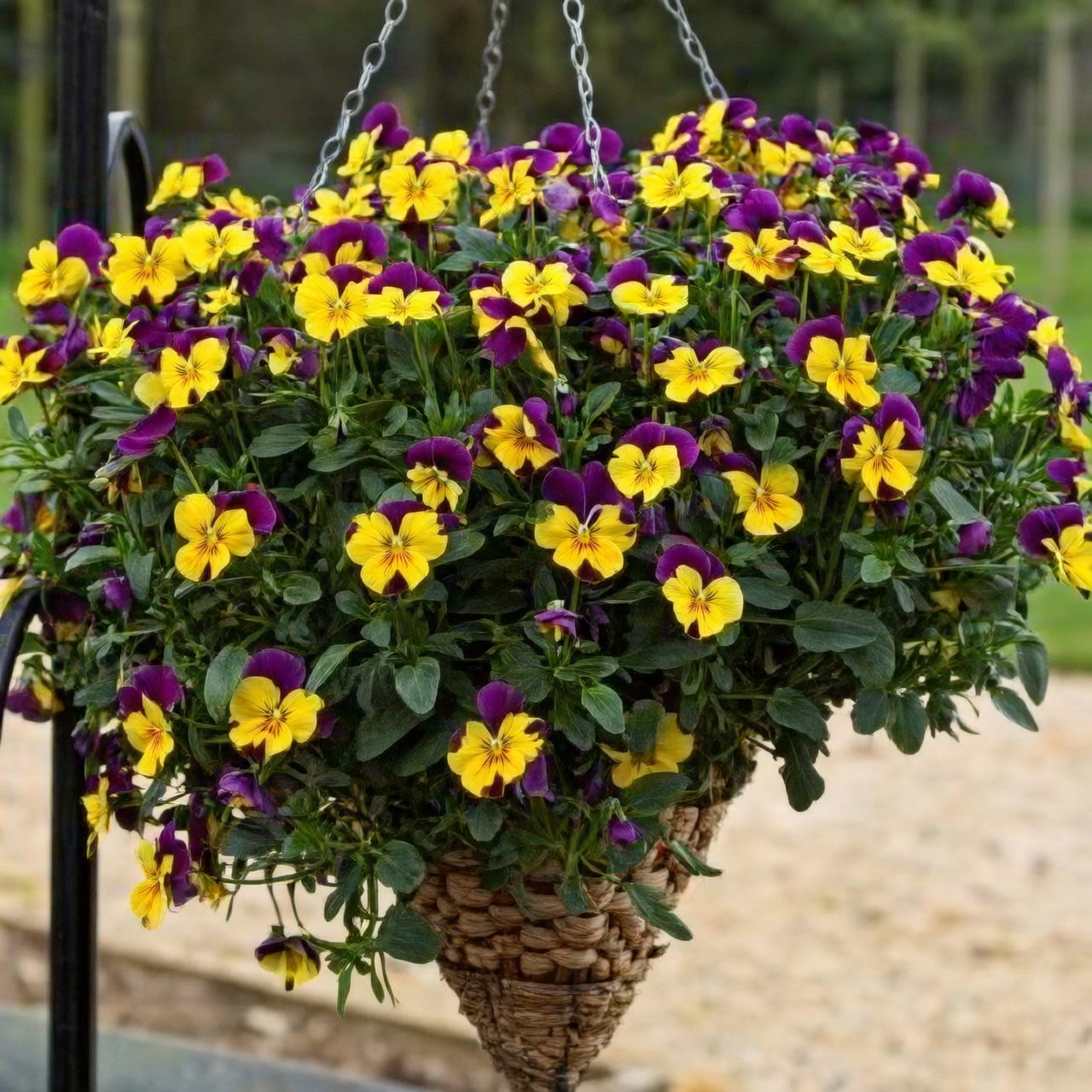
- Growth habit: low, spreading plants that quickly knit together and spill over edges—your go-to for baskets and balcony rails.
- Bloom size and look: a touch smaller than the big-face bedders, but produced in generous numbers for a fuller show.
- Performance notes: fast to fill, long-lasting cool-season color, and notably good overwintering performance in mild climates.
- Best use: hanging baskets, window boxes, and as a ground-hugging edge where you want a cascade of color.
Other classic bedders you’ll see
- Majestic/Swiss Giants–style mixes, Inspire-type lines, and “clear-faced” collections are common at garden centers. Expect sturdy mounds, showy faces, and wide color choices suited to borders and mass displays.
Bloom size, habit, and performance comparison (at a glance)
- Biggest faces for beds and borders: Colossus; Matrix selections; large-flowered Delta colors.
- Textural showstoppers for containers: Frizzle Sizzle and other ruffled series.
- Abundant color for baskets/rails: Cool Wave and other spreading/trailing pansies.
- Most uniform mounds for neat edging: Delta and Matrix.
- Cold and heat behavior (all series): thrive in cool conditions; many tolerate light frosts. Expect bloom slowdowns in sustained heat above ~25°C (77°F). In milder winters, many pansies keep flowering; protect from prolonged hard freezes, especially in containers.
Pick by planting situation
Beds and borders
- Choose compact, uniform mounds (Delta, Matrix) or big-face drama (Colossus).
- Spacing: about 15–20 cm for compact types; give large-face varieties a tad more elbow room.
- Design tip: alternate clear-faced and blotched colors for pattern, or keep it simple with a single hue that ties a space together.
Hanging baskets and railing planters
- Choose trailers like Cool Wave for spill and coverage; tuck in a few ruffled pansies near the rim for texture.
- Plant lightly to prevent crowding and mildew—airflow is your friend. Use a quality, well-drained potting mix and keep the root zone evenly moist.
Small balconies, windowsills, and tight spaces
- One plant per 10 cm pot looks great; step up to 12–15 cm pots or larger for fuller displays without cramming.
- Favor tidy, well-branched mounding series (Delta, Matrix) or a single Cool Wave to softly cascade in a compact box.
- Place where you’ll see the bloom “faces” up close—by a chair, door, or kitchen window.
Buyer’s checklist (what to look for on the bench)
- Compact, well-branched plants with dense foliage and short internodes.
- Lots of buds and a few open blooms—bright, intact petals and clean crowns.
- Avoid yellowing leaves, mushy stems, spots, or visible pests.
Planting and care cheat sheet
- Sunlight: full sun to partial shade; in warmer regions, give afternoon shade to prevent heat stress.
- Temperature: best around 7–15°C (45–59°F) for steady growth; many bloom well in the 10–20°C (50–68°F) range. Prolonged heat slows buds; hard freezes can damage plants, especially in pots.
- Water: keep soil evenly moist, never waterlogged. Water at soil level and avoid soaking the flowers. Don’t let containers sit in saucers of water.
- Feeding: light slow-release at planting, then regular feeding during active growth—monthly with a balanced formula, or every two weeks at half strength. Shift toward bloom-leaning feeds once buds form; avoid excess nitrogen.
- Grooming: deadhead faithfully (remove the whole spent stem) to keep color coming. If plants stretch, trim back to about 7.5–10 cm to refresh growth.
- Spacing and airflow: 15–20 cm between compact plants; allow more room for spreading types and large blooms to reduce mildew risk.
Color patterns to consider
- Clear-faced: single-color blooms without a central blotch—sleek and modern.
- Blotched “faces”: the classic pansy look with dark centers and veining—high contrast from a distance.
- Ruffled/whiskered novelty types: bring texture and close-up interest to containers.
Edible petals and pet safety
- Pansy flowers are widely used as edible garnishes when grown without pesticides. Flavor is mild; best as an accent, not a main course.
- Generally low toxicity, but eating large quantities may cause mild stomach upset in people or pets.
The meaning behind that thoughtful little “face”
- The common name comes from the French pensée—“thought”—which is why pansies symbolize remembrance and “thinking of you.” In Victorian floriography, they could hint at tender or even secret affection. While not a scientific trait, that expressive “face” is part of their long cultural appeal—and a sweet reason to place them where friends and family will notice.
Quick answers to common questions
- How long will they bloom? In cool weather, for weeks to months—typically spring into early summer, and again in fall. In mild regions, they can flower through winter.
- Do I need to deadhead? Yes. Regularly removing spent blooms keeps plants tidy and channels energy into new buds.
- Why did my pansies stop budding? Usually heat. Provide afternoon shade, improve airflow, and keep moisture even (but not soggy) until cooler weather returns.
Final tip
Think in layers: big-face, uniform mounding series to paint your beds; ruffled novelties for up-close containers; and trailers to pour over basket edges. Give them bright, cool conditions and steady moisture in well-drained soil, and your pansies will return the favor with a remarkably long, cheerful show.