

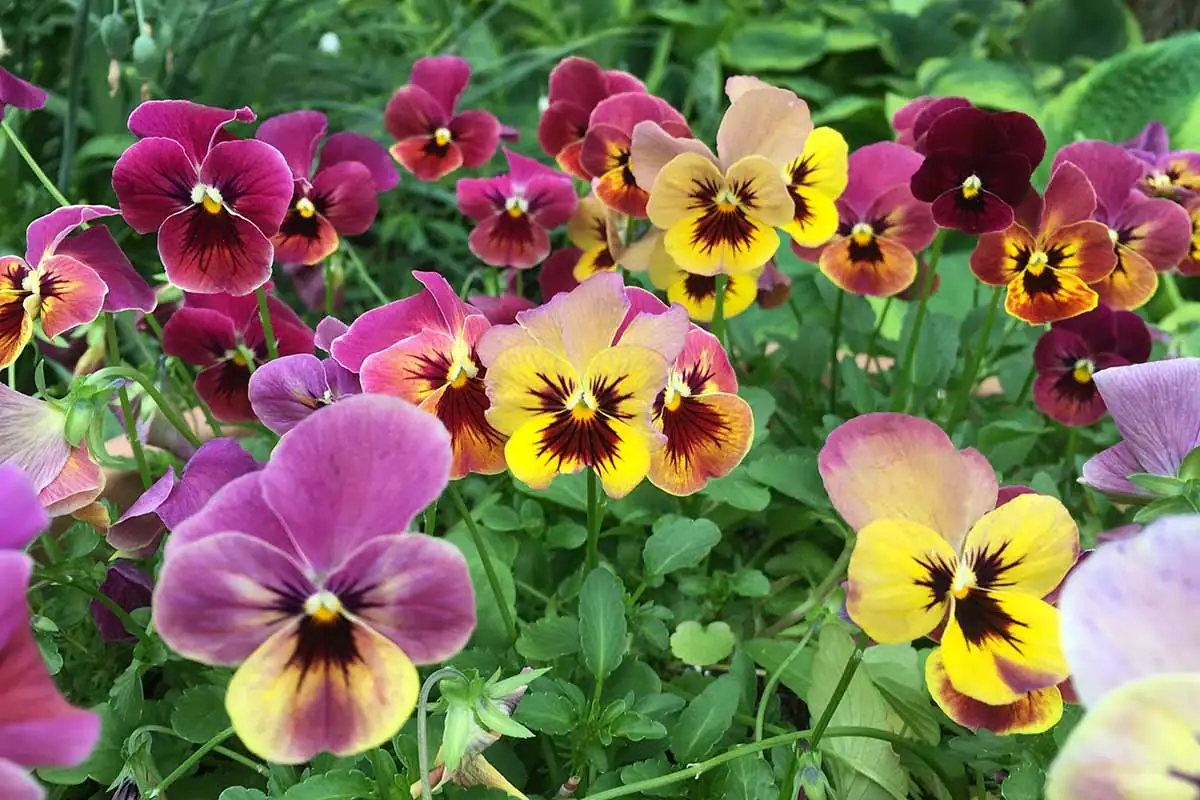
Pansies (Viola × wittrockiana) are the cool-season color machines of the garden—compact, generous with blooms, and willing to flower through spring, fall, and even mild winters if you set them up right. Here’s your actionable, no-nonsense blueprint to keep the “faces” smiling for months on end.
Light: Aim for bright and cool
- Target: Full sun to partial shade with ~6 hours of light daily.
- In warm climates or during heat waves: Give afternoon shade to prevent heat stress and extend bloom.
- Indoors or on sheltered patios in winter: Provide the brightest, coolest spot you have; a bright, cool windowsill works well.
Pro tip: Light drives flowers, but heat shuts them down. Prioritize morning sun + afternoon shade once temperatures rise.
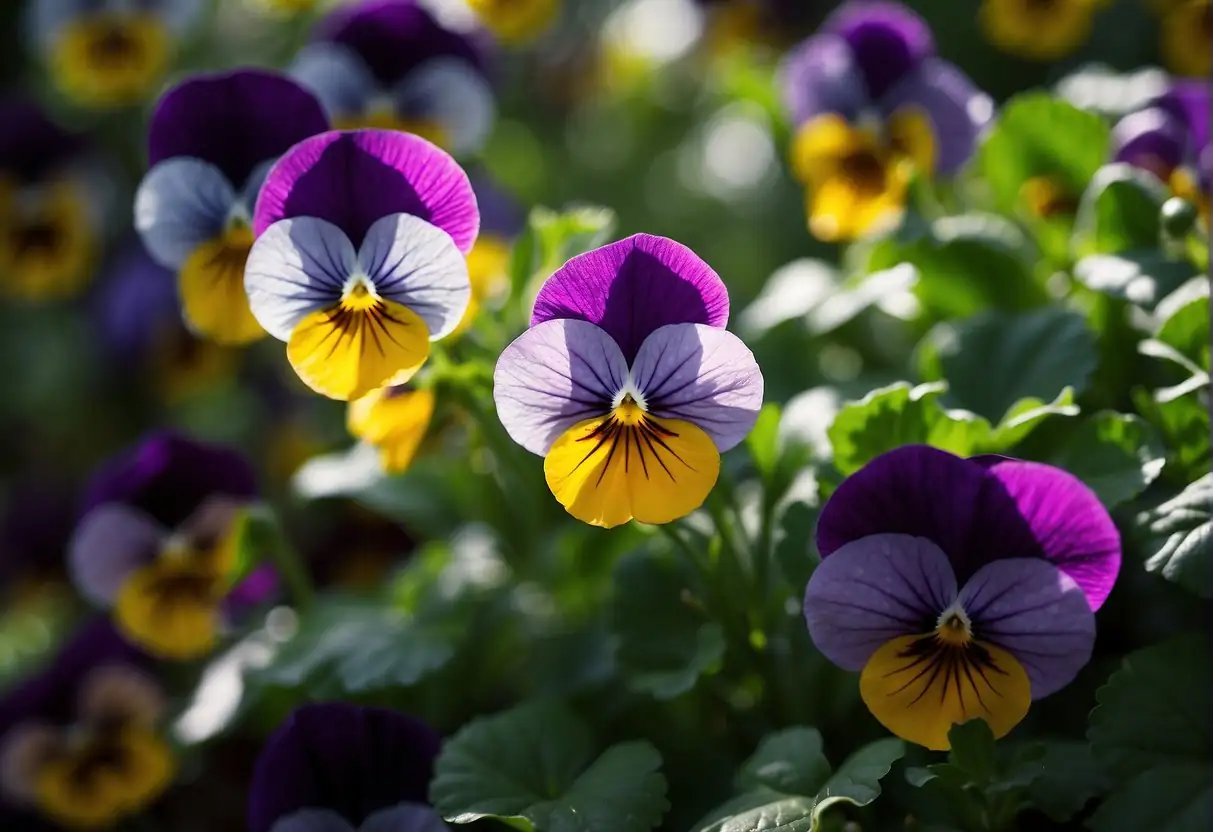
Temperature targets
- Best growth: 7–15°C (45–59°F)
- Excellent bloom range: about 10–20°C (50–68°F)
- Red flag: Prolonged heat above ~25°C (77°F) slows growth and bud set; around 29°C (85°F) many plants struggle.
- Cold: Light frosts are usually fine. Damage can occur around -5°C (23°F) or below, especially with prolonged cold. Overwintering is most reliable in milder regions (roughly USDA 6–10) with some protection.
Watering rhythm: Evenly moist, never soggy
- The feel test: Water when the top 1–2 cm (0.4–0.8 in) of soil feels dry.
- Technique: Water at soil level (not over the blooms) to reduce fungal issues. Morning watering is ideal.
- Containers: Drainage holes are non-negotiable; never let pots sit in saucers of water.
- Seedlings: Bottom-water to avoid damping-off.
- In heat: Pansies often pause. Don’t “fix” the lull with extra water—focus on shade and cool roots while maintaining light, even moisture.
Quick check: If water lingers on the surface or the pot feels heavy days after watering, your mix is holding too much water—improve drainage.
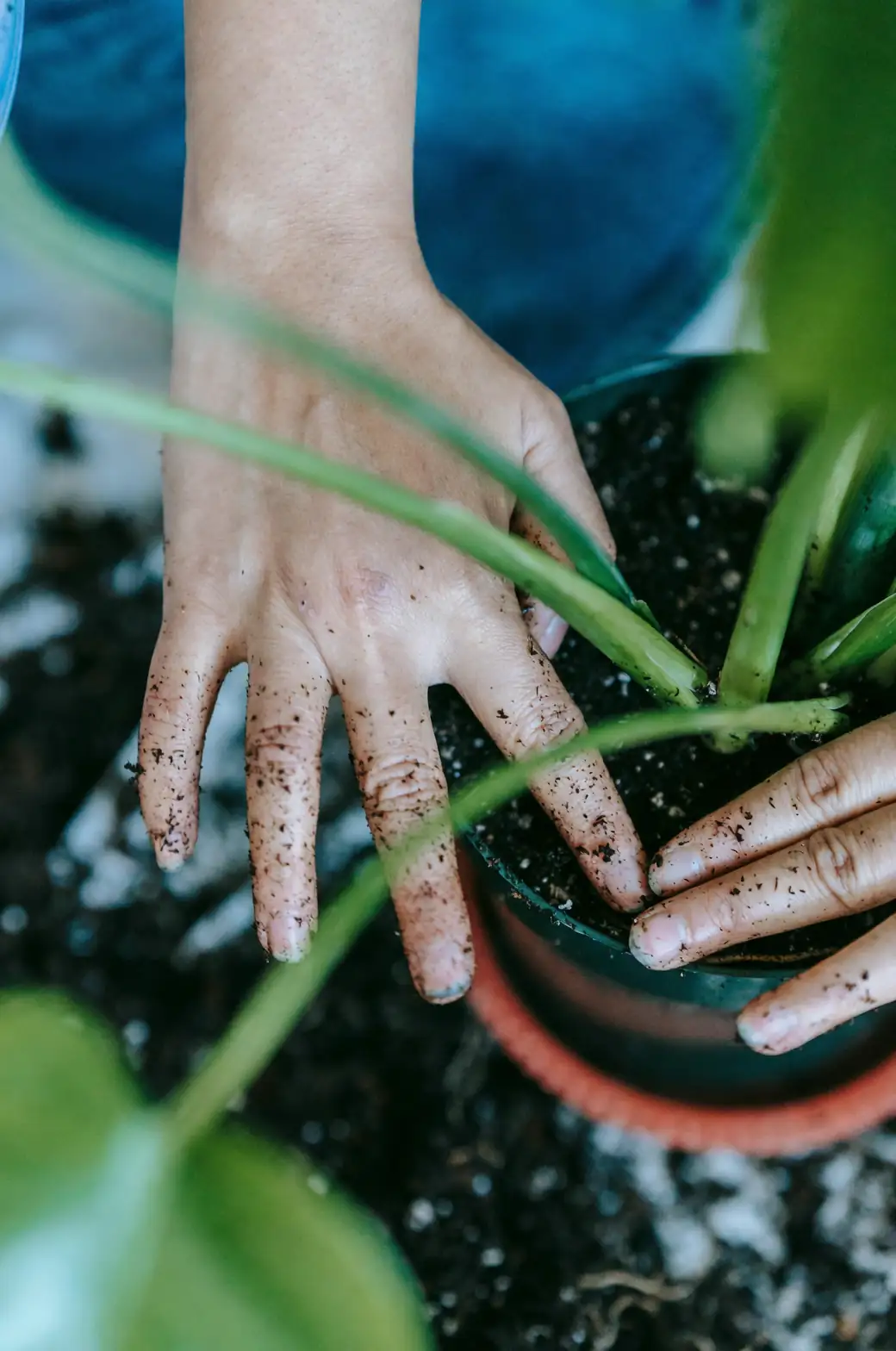
Soil and drainage: Loose, fertile, slightly acidic
- Beds: A sandy/loamy soil amended with compost or leaf mold; aim for a loose, humus-rich texture that holds moisture yet drains freely.
- Containers: A peat- or bark-based potting mix with added perlite for airiness.
- Target reaction: Slightly acidic is ideal.
- Simple container recipe:
- 60–70% quality peat/bark-based potting mix
- 15–25% fine compost or leaf mold
- 15–25% perlite
- Spacing: 15–20 cm (6–8 in) for compact types; more for trailing forms—good airflow reduces mildew and rot.
- Mulch: A thin 1–2 cm (0.5–0.75 in) skirt of fine compost or leaf mold helps buffer moisture without smothering crowns.
Drainage test: Water a newly potted plant thoroughly—excess should run out within seconds. If it pools, lighten the mix.
Feeding for constant color
- At planting: Work in a light, slow-release fertilizer.
- During active growth (cool seasons):
- Option A: Balanced liquid feed monthly.
- Option B: Half-strength every 2 weeks (favored for containers).
- As buds form and bloom ramps up: Shift to a bloom-leaning formula (higher phosphorus/potassium), and avoid overly high nitrogen that pushes leaves over flowers.
Feeding rhythm tip: Feed lightly, consistently. Heavy doses invite soft, disease-prone growth.
Deadheading and grooming: Your bloom multiplier
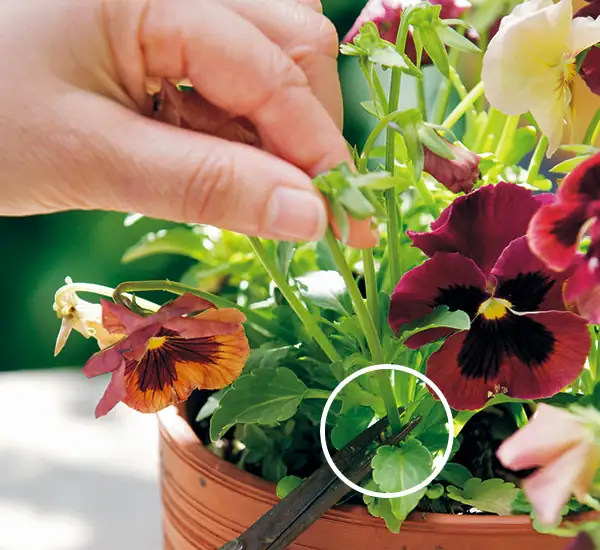
- Deadhead often: Pinch off the entire spent flower with its stem. This prevents seed set and keeps energy flowing to new buds.
- Refreshing trims: If plants get leggy or stall after heat, shear to 7.5–10 cm (3–4 in). Follow with a light feed and steady moisture.
- Tidy-up rule: Remove any mushy or spotted leaves quickly to stay ahead of fungus.
Seasonal tactics: Spring peaks, fall encore, winter cruising
Spring (peak bloom)
- Bright light with cool temps; keep soil evenly moist.
- Deadhead at least weekly; feed lightly on schedule.
- Pair with spring bulbs—pansies fill the gap as bulbs fade.
Summer (heat management)
- Provide afternoon shade and excellent airflow.
- Expect a natural lull above ~25°C (77°F). Maintain life support: light feeding, careful moisture, and cool roots (thin mulch helps).
- Don’t overwater in a bloom pause; heat—and not dryness alone—causes the stall.
Fall (prime planting in many regions)
- Plant as temperatures ease; roots establish quickly in cool soils.
- Feed lightly to build strong rosettes for fall blooms and winter carryover.
- Space generously to reduce mildew during cool, damp spells.
Winter (mild climates)
- Many pansies keep flowering. Protect during hard freezes with frost cloth.
- Containers are more vulnerable—group them against a wall for warmth, or move to a bright, cool spot (around 10–12°C / 50–54°F).
- Water sparingly but consistently; cold, waterlogged soil leads to root rot.
Containers that perform
- Pot size: About 10 cm (4 in) per single plant; larger bowls or baskets (12–15 cm / 4.7–6 in deep or more) for mixes.
- Drainage: Holes plus a free-draining mix. Elevate pots slightly so outlets don’t seal against the patio.
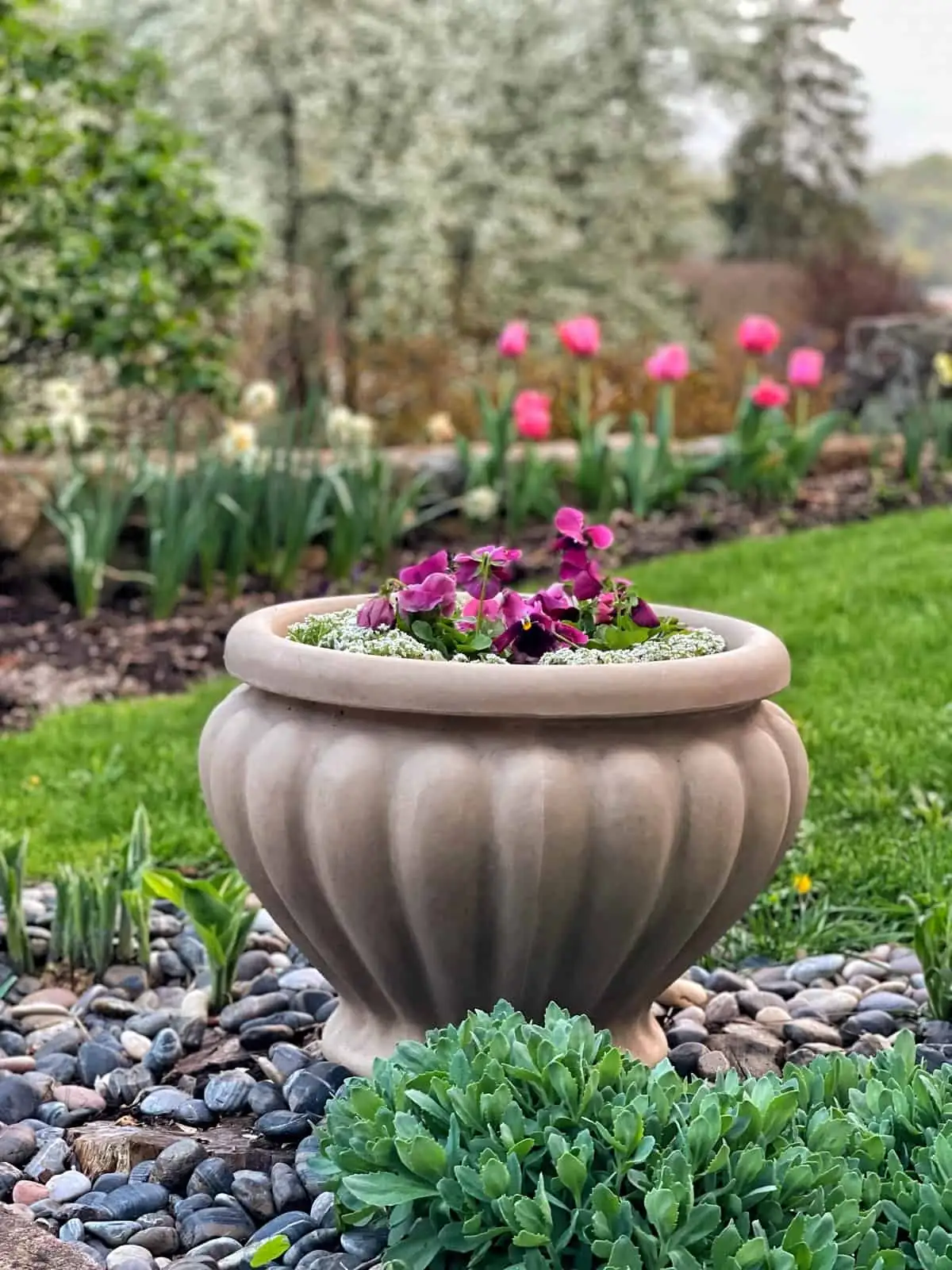
- Design trick: Mix pansies with trailing ivy, cool-season grasses, or miniature heuchera for texture, or tuck them among tulips and daffodils for layered shows.
Common pests and diseases: Prevention beats cure
- Pests: Aphids, slugs/snails, spider mites; rabbits may nibble.
- Controls: Hand-pick slugs, use barriers; spray aphids with water or insecticidal soap; increase humidity and rinse undersides for mites without soaking blooms.
- Diseases (often linked to wet leaves and crowding): Powdery or downy mildew, leaf spots, rust, anthracnose, Botrytis (gray mold), root rot.
- Defense plan: Water at the base, space plants well, maximize airflow, and remove infected tissue promptly. Use appropriate fungicides only when cultural fixes aren’t enough.
Propagation and refreshing stock
- From seed:
- Timing: Sow 8–12 weeks before transplanting, or in early autumn for cool-season displays.
- Germination: Prefers darkness and cool temps (13–16°C / 55–61°F). Expect ~2 weeks to sprout; about 14–16 weeks from sowing to first flowers.
- Cuttings: Take short shoots in late spring/early summer; root in a peat-based medium, typically in 15–20 days.
- Division: After flowering, separate rooted side shoots where possible.
- Buying tip: Choose compact, well-branched plants loaded with buds and clean leaves; avoid yellowing foliage, mushy stems, or spotting.
Quick troubleshooting
- Few or no buds? Usually heat. Move to a cooler spot, add afternoon shade, and keep moisture even with excellent drainage.
- Leaves lush but few flowers? Ease back on nitrogen; switch to a bloom-leaning feed and deadhead diligently.
- Wilting despite moist soil? Check drainage and roots—waterlogging or root rot may be at play.
- Sudden slump after rain? Improve airflow, remove spent blooms fast, and consider a preventative fungicide if gray mold threatens.
Safety and edible notes
- Generally low toxicity. Flowers are widely used as edible garnishes when grown without pesticides—use as accents, not main courses. Keep pesticide-treated ornamentals out of the kitchen.
A note on names and origins
Modern garden pansies (Viola × wittrockiana) were developed in Europe from Viola species, notably the wild pansy/heartsease (Viola tricolor), which lends much of the iconic “face.” You’ll hear nicknames like garden pansy, heartsease, and Johnny jump-up; in everyday gardening these names often mingle, but today’s big, velvety pansies are the hybrid selections bred for larger blooms and a vast color range.
Flower language and meaning
The word “pansy” comes from the French pensée—“thought.” In Victorian floriography, pansies signaled remembrance, affection, or thoughtful love, sometimes even the whisper of a secret crush. While flower language isn’t scientific, it reflects how people read emotion in nature. With their expressive faces and long cool-season stamina, pansies became living postcards: a small, steady reminder that someone’s thinking of you.
Bring it all together: give your pansies bright, cool light; keep their roots evenly moist in a loose, fertile, well‑drained mix; feed lightly and regularly; deadhead like clockwork; and pivot with the seasons—shade and airflow in summer, protection in hard freezes. Do this, and your spring and fall will blaze, with cheerful color cruising right through mild winters.


