

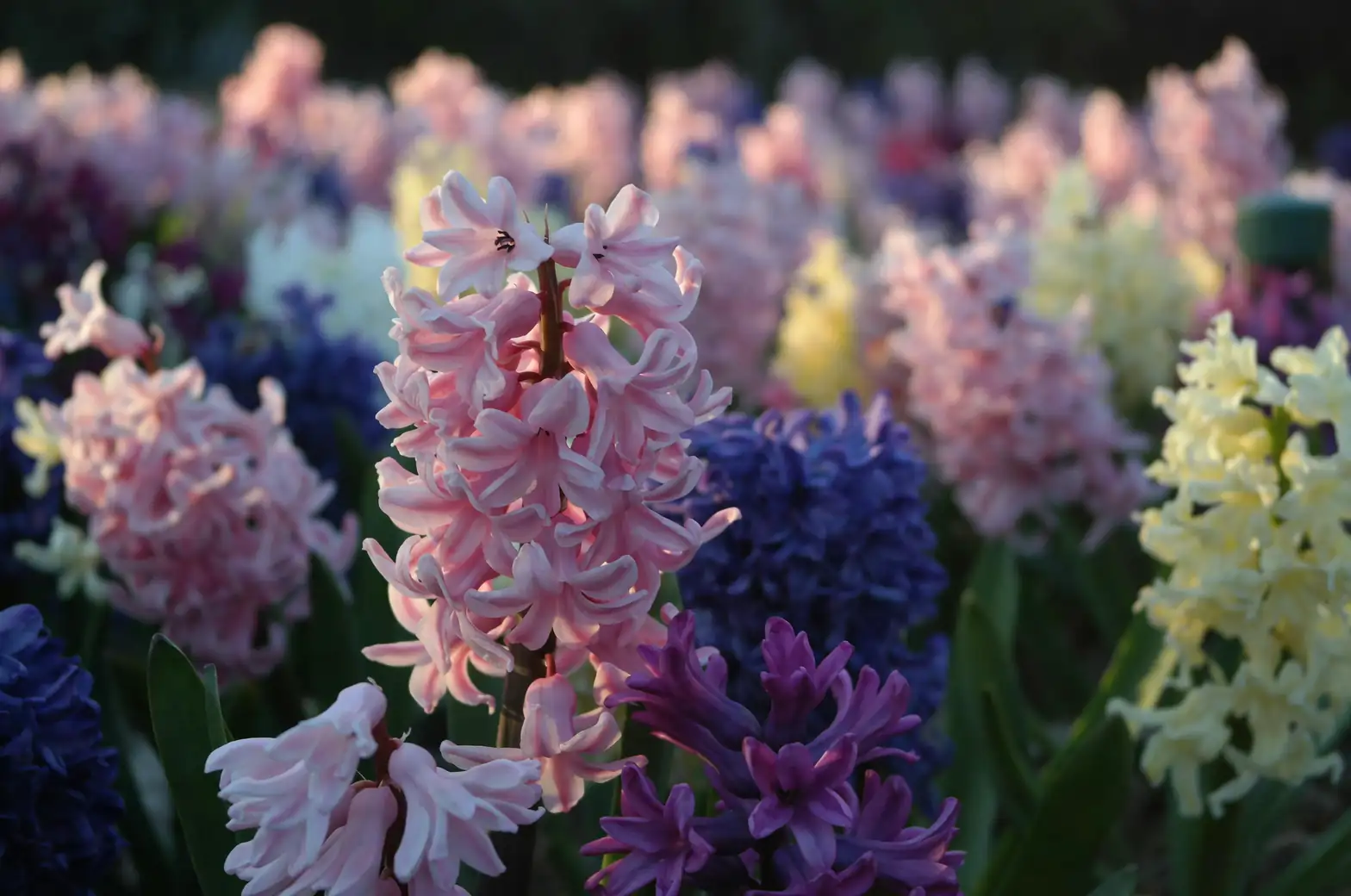
Think of Hyacinthus orientalis—the classic hyacinth—as a box of pastel macarons for your windowsill: compact, irresistibly scented, and gloriously colored. But with so many cultivars on the bench each spring, how do you pick the right ones? Here’s your shopper‑friendly tour by hue, scent strength, spike form (single vs. double), and compact stars perfect for indoor forcing and small pots.
How to shop hyacinths like a pro
- Start with great bulbs: choose firm, heavy bulbs with intact skins. Bigger bulbs (around 16–18 cm circumference) pack the fullest spikes—especially useful for indoor displays.
- Decide the vibe:
- Single-flowered spikes = classic, dense, and typically the most powerfully perfumed.
- Double-flowered spikes = lush, peony-like florets, often a touch milder in scent and sometimes shorter, ideal if you prefer less intensity.
- “Multiflora” selections produce several looser stems from one bulb for a softer, meadowy look (still relatively compact).
- Plan for your space:
- Most hyacinths finish 15–30 cm tall in bloom—pot-grown plants usually sit in the 20–25 cm range if kept cool and bright.
- For windowsills, go for stout, single-flowered classics or doubles with naturally shorter stems.
- Forcing made easy:
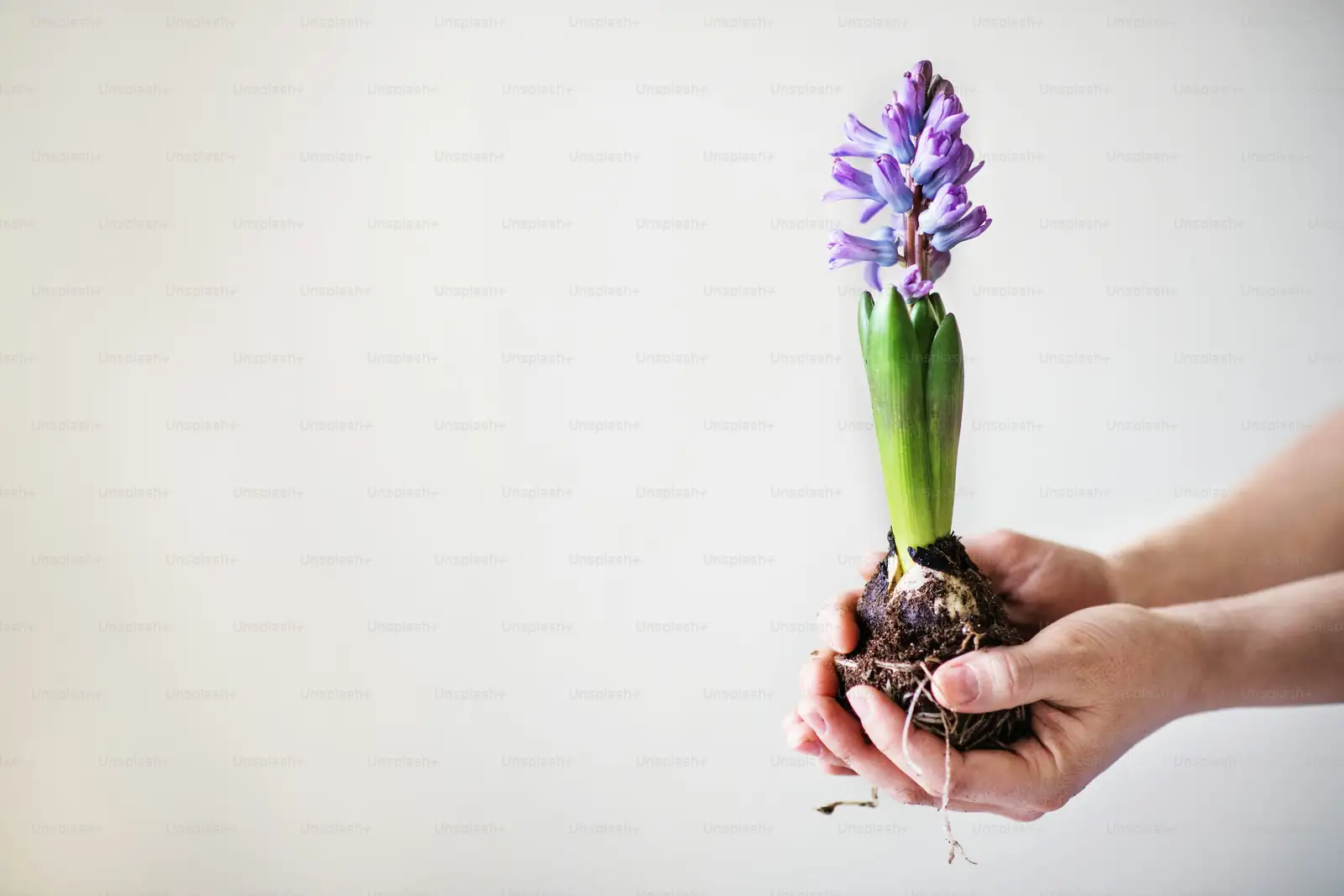
- Chill prepped bulbs 12–14 weeks at about 2–9°C, then grow on at 15–18°C in very bright light.
- If water-forcing in a hyacinth vase, keep the water 1–2 cm below the bulb base so only roots sip.
Standout cultivars by color and character
Blues and purples (the iconic hyacinth look)
- Delft Blue (single)
- Hue: porcelain, classic “Delftware” blue
- Scent: very strong
- Habit: sturdy, compact indoors (about 20–25 cm); A+ windowsill performer
- Blue Jacket (single)
- Hue: royal violet-blue
- Scent: strong
- Habit: clean, upright spike; reliable in pots and borders
- Crystal Palace (single)
- Hue: deep, saturated blue
- Scent: strong
- Habit: traditional favorite for dramatic blue drifts
- Miss Saigon (single)
- Hue: saturated purple
- Scent: strong
- Habit: excellent for forcing; richly colored in low winter light
- Woodstock (single)
- Hue: wine-plum to deep magenta
- Scent: strong
- Habit: compact but impactful; sumptuous color for modern palettes
Pinks and reds (from blush to bold)
- Fondant (single)
- Hue: soft marshmallow pink
- Scent: sweet, medium-strong
- Habit: tidy, polished spike—elegant in white or neutral pots
- Pink Pearl (single)
- Hue: fuchsia pink with paler edging
- Scent: strong
- Habit: classic “gift hyacinth” for indoor color pops
- Jan Bos (single)
- Hue: vivid cerise/red‑pink
- Scent: strong
- Habit: bright and showy—great contrast with cool-toned blues
- Hollyhock (double)
- Hue: rich rose‑red rosettes
- Scent: medium
- Habit: full, frilly florets; a plush look for compact pots
- Chestnut Flower (double; heirloom charm)
- Hue: warm salmon‑pink
- Scent: medium
- Habit: romantic, old‑garden style; lovely for vintage bowls
Whites and creams (crisp, chic, and luminous)
- Carnegie (single)
- Hue: pure white
- Scent: very strong
- Habit: short, stocky spires—top pick for windowsills and minimal interiors
- Aiolos (single)
- Hue: clean, snow‑white
- Scent: strong
- Habit: sleek and luminous; perfect mixer in multicolor bowls
- L’Innocence (single; heirloom)
- Hue: creamy white
- Scent: strong
- Habit: timeless, serene accent indoors or at front of borders
Yellows and apricots (sunny, softly rarefied tones)
- City of Haarlem (single)
- Hue: primrose yellow maturing to pale cream
- Scent: medium to strong
- Habit: gentle color for spring pastels; wonderful in cool light
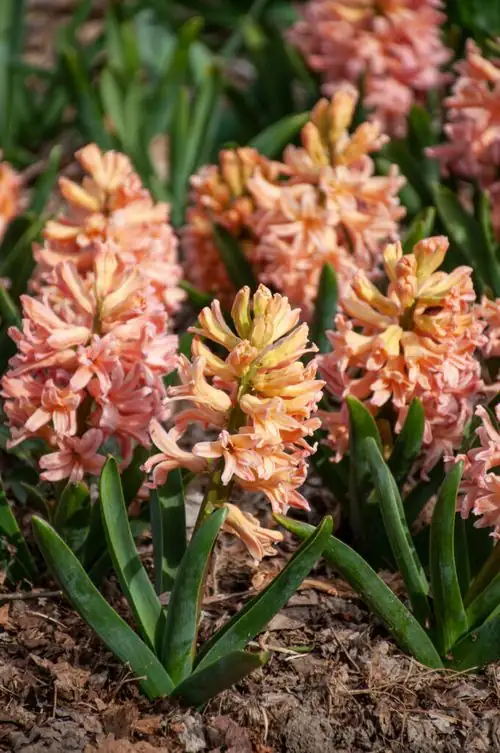
- Gipsy (Gypsy) Queen (single)
- Hue: apricot‑salmon with a warm glow
- Scent: medium
- Habit: painterly, sunset tones; beautiful with dusky purples
Bicolors and heirloom lilacs (for nuance)
- Splendid Cornelia (single)
- Hue: lilac‑mauve with subtly darker margins
- Scent: strong
- Habit: slightly looser spike; sophisticated, smoky pastel effect
Compact picks for windowsills and desks
Looking for stout stems, powerful perfume, and tidy proportions? These are consistently good in small pots or hyacinth glasses:
- Delft Blue, Carnegie, Jan Bos, Pink Pearl, Miss Saigon, Woodstock, Fondant, Aiolos
Practical tips:
- Pot size: one large bulb per 12–15 cm pot keeps displays neat; plant with the tip just at or slightly above the surface.
- Light and temperature: brightest possible light, 15–18°C during bloom; cooler rooms extend flower life.
- Watering: keep mix just lightly moist; water at soil level and never splash the flowers (petals can spot or go mushy).
- Water forcing: keep the water line 1–2 cm below the bulb; change water regularly (every few days at first, then weekly).
Scent strength cheat sheet
- Strongest overall: classic single blues, purples, whites (e.g., Delft Blue, Crystal Palace, Miss Saigon, Carnegie).
- Medium to strong: soft pinks and primrose tones (Fondant, City of Haarlem).
- Softer side: many doubles (Hollyhock, Chestnut Flower) tend to be a touch gentler—great for scent‑sensitive rooms.
- Room sizing tip: one hyacinth can perfume a small room; cluster bulbs for larger spaces or take doubles where you want “pretty, not punchy.”
Spike form: single vs. double (and multiflora)
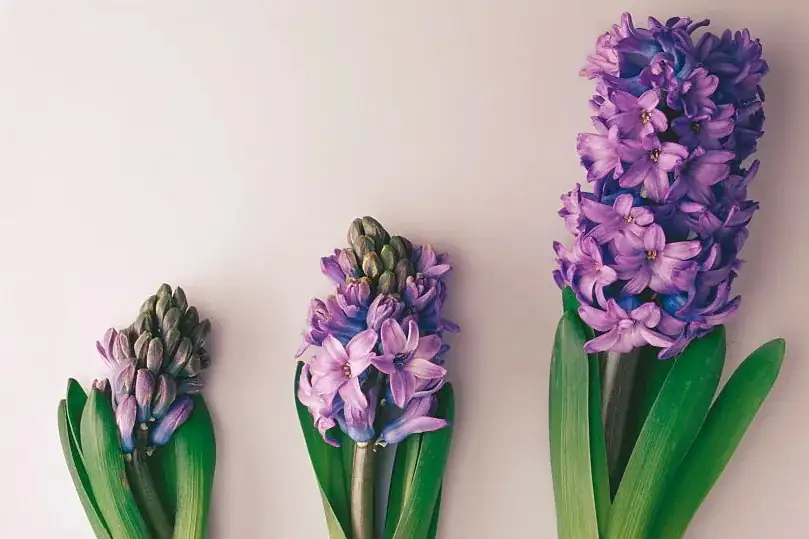
- Single spikes
- Dense, bell‑ to star‑shaped florets; archetypal hyacinth look
- Typically the boldest perfume
- Very sturdy for forcing and small pots
- Double spikes
- Rosette‑like, frilly florets; plush, romantic effect
- Often slightly milder fragrance and a bit shorter (helpful indoors)
- Multiflora selections
- Several looser stems from one bulb; airier, naturalistic style
- Great in bowls for a “mini bouquet” effect; generally less top‑heavy
Quick care for a longer, better show
- Light: full sun to part shade outdoors; very bright light indoors (filter harsh midday sun behind glass in warm weather).
- Temperature: cool is king—roots and early growth prefer 5–12°C; flowering is happiest at 15–18°C.
- Water: evenly moist, never soggy; avoid wetting the flower spike. In water culture, keep bulb above the waterline.
- After bloom: snip the spent spike, keep leaves in bright light, and water moderately until they yellow. If saving bulbs, feed lightly while leaves are green; dry‑store over summer and replant in autumn.
Safety, sensitivity, and small‑room strategy
- All parts are toxic if eaten (bulbs most of all); keep away from pets and children.
- Bulb scales and sap can irritate skin—wear gloves if handling many bulbs (“hyacinth itch” is real).
- The fragrance is famously strong; in compact spaces, opt for a single bulb or a double‑flowered variety if you’re scent‑sensitive.
Flower language and myth: what hyacinths are said to say
The very name Hyacinthus comes wrapped in Greek myth: the youth Hyacinthus, beloved of Apollo, dies tragically, and a memorial flower springs from his blood. Centuries later, Victorians folded hyacinths into the “language of flowers,” a social code whose meanings still drift (and differ) across books and cultures. Common associations you’ll see:
- Blue: constancy, sincerity
- White: purity, silent love
- Pink: playfulness or budding romance
- Red: passionate love
- Yellow: joy
- Purple: sorrow or jealousy
Treat these as poetic signposts rather than strict rules; the enduring message is renewal and devotion—why a single pot on a winter windowsill can feel like hope itself.
One last shopping shortcut
- Want classic blue: pick Delft Blue or Crystal Palace.
- Craving crisp white: choose Carnegie or Aiolos.
- Going bold pink: go Jan Bos or Pink Pearl.
- Prefer plush doubles: reach for Hollyhock or Chestnut Flower.
- After rare tones: try City of Haarlem (primrose) or Gipsy Queen (apricot‑salmon).
- Need it petite and punchy for the sill: stick with sturdy singles, one bulb per 12–15 cm pot, grown cool and bright.
From the eastern Mediterranean’s wild ancestors to today’s Dutch‑bred showstoppers, hyacinths were made for close‑up enjoyment. Choose your hue, decide your scent strength, and let a compact spike or two turn your window into spring.


