

Breathe in: that unmistakable, candy-sweet perfume means Hyacinthus orientalis—wind‑swept “spring is here” in a single stem—is in the room. Now exhale, because this guide keeps all the delight while dialing down the risks. Think of it as your practical safety playbook: no itchy sap surprises, no curious‑pet calamities, no tippy vases, and a clear plan for what to do when the show is over.
Meet the plant (and its habits you can use to your advantage)
- What it is: Hyacinthus orientalis (Common/Dutch/Garden Hyacinth), a compact, upright, spring‑flowering bulb.
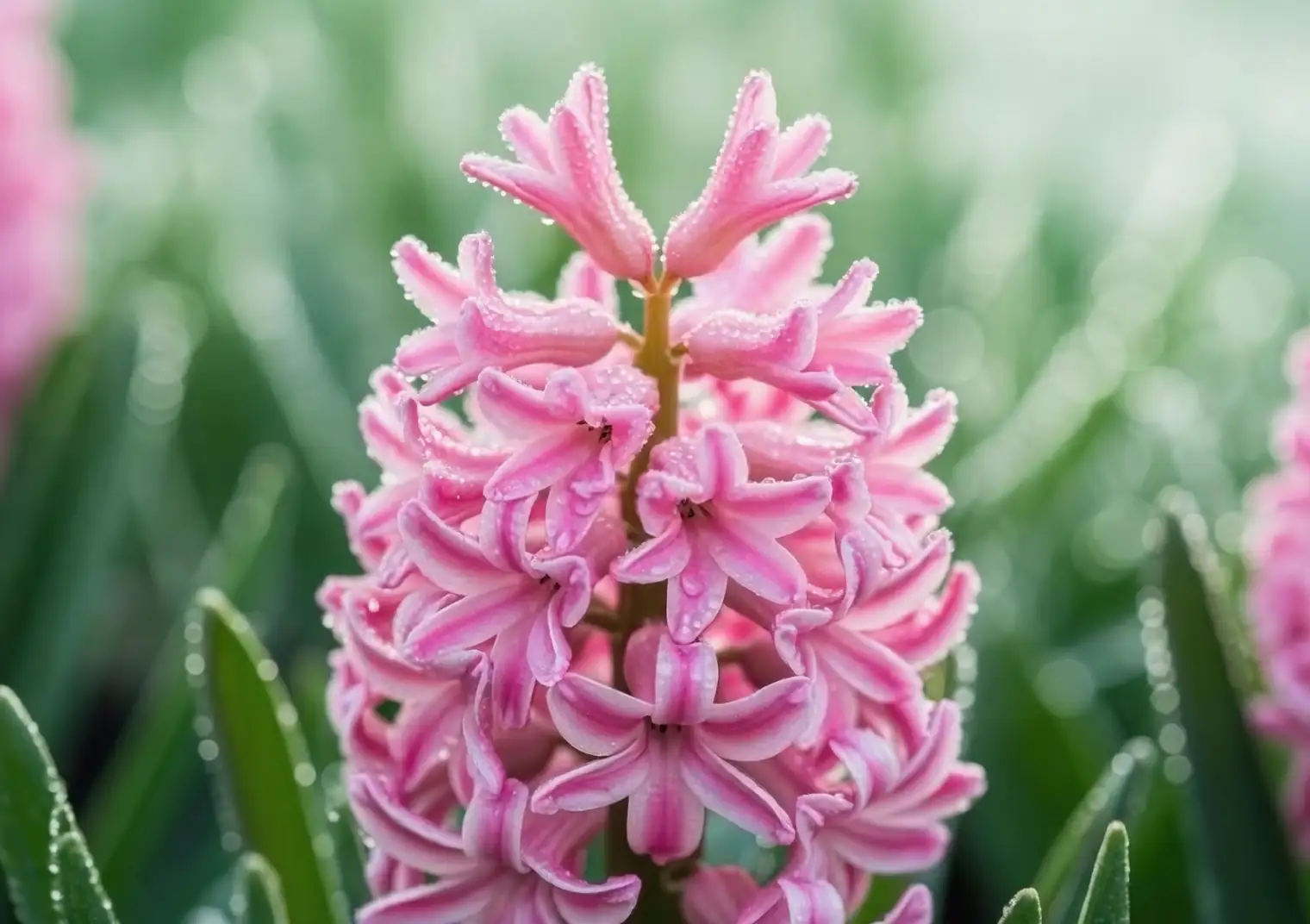
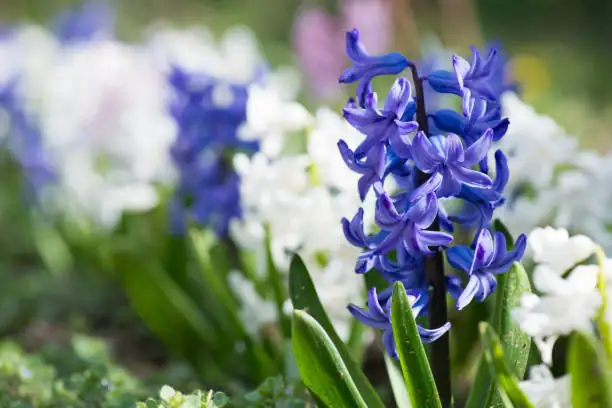
- The look: A dense, waxy spike of bell‑ to star‑shaped florets in blues, purples, pinks, whites, reds, and more; single and double forms exist.
- Size: Typically 15–30 cm (6–12 in) tall, 10–20 cm (4–8 in) wide.
- Indoors vs outdoors: Loves bright light and cool conditions. It’s famously easy to “force” early in pots or in water if kept cool, bright, and never soggy.
- Scent note: The fragrance isn’t toxic, but it’s powerful—air out small rooms to keep it pleasant.
Safety first: the sap, the bulbs, and you
Hyacinths are toxic/irritant to people and pets. The bulb is the most concerning part if eaten; the sap and bulb scales can irritate skin—a gardener’s “hyacinth itch.”
Sap dermatitis (“hyacinth itch”) playbook
- Suit up smart:
- Wear nitrile or latex gloves when planting, repotting, cutting back, or handling many bulbs.
- Long sleeves help; avoid touching your face or eyes mid‑task.
- Keep dust and sap off skin:
- Brush loose bulb scales into a bag, not onto your lap.
- If sap or dust contacts skin, wash promptly with soap and cool water.
- Tool hygiene:
- Rinse pruners and trowels after use; dry well to prevent rust and residue transfer.
- Sensitive skin? Add a barrier:
- Apply a light barrier cream before handling, and launder sleeves and gloves after.
If exposure happens
- Skin: Wash with soap and running water; switch to fragrance‑free moisturizer if skin feels tight or itchy.
- Eyes: Rinse eyes with lukewarm water for several minutes and seek medical advice if irritation persists.
- Ingestion (people): Expect possible stomach upset (nausea, vomiting, diarrhea). Call your local poison control center for guidance.
Pet‑proof hyacinths without losing the magic
Hyacinths are toxic to dogs, cats, and grazing animals. Clinical signs after ingestion can include vomiting, diarrhea (sometimes with blood), depression, and tremors. The bulb contains the highest toxin levels.
Build a pet‑safe display
- Elevate and isolate:
- Place on high shelves or mantels outside jump zones; avoid plant stands that wobble when a pet brushes past.
- Create a clear barrier:
- Use cloches, glass hurricanes, or acrylic display boxes that allow airflow.
- Choose heavy, stable containers:
- Wide, weighted pots or vases plus a non‑slip mat reduce tip‑overs.
- Keep bulbs inaccessible:
- For potted bulbs, top the soil with a pebble or grit mulch to deter digging.
- Manage scent and airflow:
- Strong fragrance can attract curious sniffs. Provide good ventilation and keep the display away from pet beds and feeding areas.
Emergency steps for pets
- If a pet chews or eats any part (especially bulbs): Remove plant pieces from the mouth, offer water, and contact your veterinarian. You can also call the ASPCA Animal Poison Control Center at 888‑426‑4435 (a consultation fee may apply). Don’t wait for symptoms.
Spill‑proof water forcing: beauty without the mess
Forcing hyacinths in water shows off roots and blooms—if you keep it stable, clean, and cool.
The no‑slosh setup
- Pick the right glass:
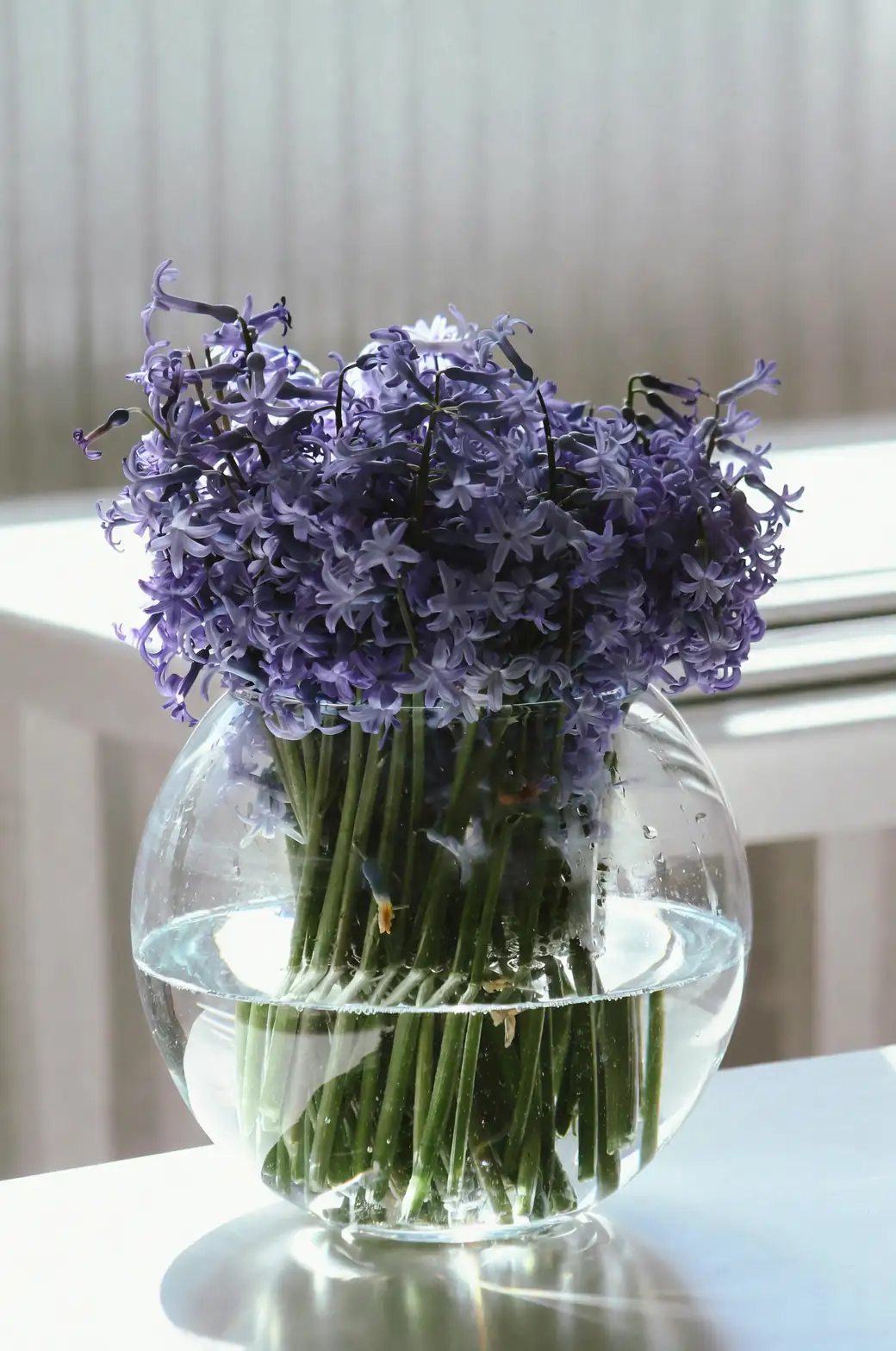
- A classic hyacinth vase (narrow neck, broad base) or any stable glass that holds the bulb above water.
- Set the waterline:
- Keep water 1–2 cm (0.4–0.8 in) below the bulb base so only roots sit in water; mark the max‑fill line on the glass with a removable pen.
- Weight and traction:
- Use museum putty under the vase, or place it on a non‑slip tray with a raised lip to catch drips.
- Keep it fresh:
- Change water every 2–3 days early on, then weekly once roots are established. A small piece of horticultural charcoal in the water helps it stay sweet.
- House rules:
- Position away from high‑traffic edges, swinging doors, wagging tails, and heater vents.
Temperature timing for success (and safety)
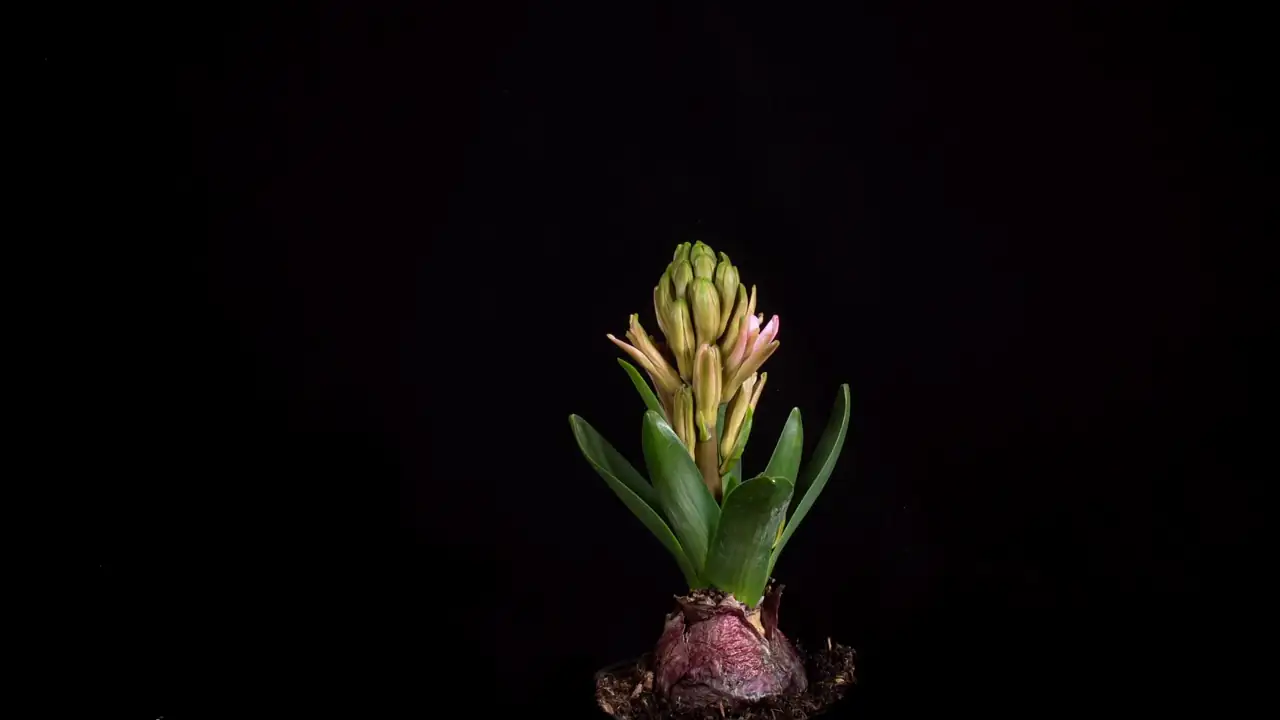
- Chilling/rooting: About 12–14 weeks at 2–9°C (35–48°F) in darkness for strong spikes. Early sprout stage: 5–10°C (41–50°F).
- After roots/sprout develop: Move to very bright light, cool room.
- Best bloom comfort: 15–18°C (59–64°F) for sturdy stems and longer‑lasting flowers.
- Tip: Keep water off the blooms—mist or splashes cause spotting and can lead to rot.
Post‑bloom handling: from “ta‑da!” to tidy and safe
Once the confetti falls, don’t bin the bulb just yet—especially if you’d like an encore outdoors.
Right after flowering
- Deadhead, don’t decapitate:
- Snip off the spent flower spike to prevent seed set; keep the leaves.
- Let leaves refuel the bulb:
- Give bright light and moderate water. In pots or ground, water when the top 2–3 cm (about 1 in) are dry.
- Feed lightly every two weeks with a balanced liquid or seaweed fertilizer while leaves are green; stop when foliage yellows.
When foliage fades
- Reduce water, then keep nearly dry through summer dormancy to prevent bulb rot.
- Storage option:
- If lifting, store bulbs dry and ventilated around 20–28°C (68–82°F), with ~25°C (77°F) ideal for next season’s flower‑bud formation.
- Replanting:
- Replant in autumn in free‑draining soil (great outdoors in USDA Zones 4–8). Forced bulbs often bloom weaker the following spring—planting them in the garden helps them recover over time.
Quick placement and care checklist (indoor pots or garden)
- Light: Full sun to partial shade outdoors; very bright light indoors.
- Soil: Fertile, free‑draining; a 2:1 mix of potting soil to grit/pumice works well.
- Water: Never soggy. In cool seasons, aim for “evenly moist, then dry slightly.” Always water at soil level; do not wet the flower spike.
- Air: Average humidity with airflow; avoid stale, damp corners.
- Hardiness: USDA Zones 4–8 (some into 9 if winters stay reliably cool).
- Pests/disease watch: Over‑wet conditions invite bulb rot, Botrytis, storage molds, and mites. Start with firm, clean bulbs and discard any that go soft.
Troubleshooting the common gotchas
- Flowers spotting or getting mushy? Water on the blooms or stagnant air. Water only the soil, improve airflow, and keep it cool.
- Floppy stems indoors? Not enough light or too warm. Move to brighter, cooler conditions.
- Bulbs rotting? Your mix or site is holding water. Replant in a gritty, well‑drained medium and water less in cool weather.
Flower language, myth, and what it really means
Hyacinths have long symbolized spring renewal and sincerity—colored by the old “language of flowers”: blue for constancy, white for purity or quiet love, pink for playfulness, red for passion, yellow for joy, purple for sorrow or jealousy. These meanings were popularized by European floriography and echo the Greek myth of Hyacinthus, the youth beloved by Apollo, from whose blood the flower supposedly sprang. Enjoy the poetry, but let it guide placement rather than practice; the plant still needs cool roots, bright light, and careful watering more than it needs a particular “meaning.”
A safe, joy‑forward hyacinth kit
- Nitrile gloves and a soft brush for bulb scales
- Stable hyacinth vase or heavy pot + non‑slip tray
- Gritty potting mix (2 parts mix : 1 part grit/pumice) and pebble mulch
- Horticultural charcoal (for water forcing)
- Label or pen to mark max waterline
- Small pruning snips for post‑bloom deadheading
With a few smart safeguards, Hyacinthus orientalis becomes all reward, no regret: dazzling color, room‑filling perfume, and a graceful wind‑down that sets you up for next spring. Keep it cool, keep it stable, keep it out of paws and little hands—and enjoy every last blossom.


