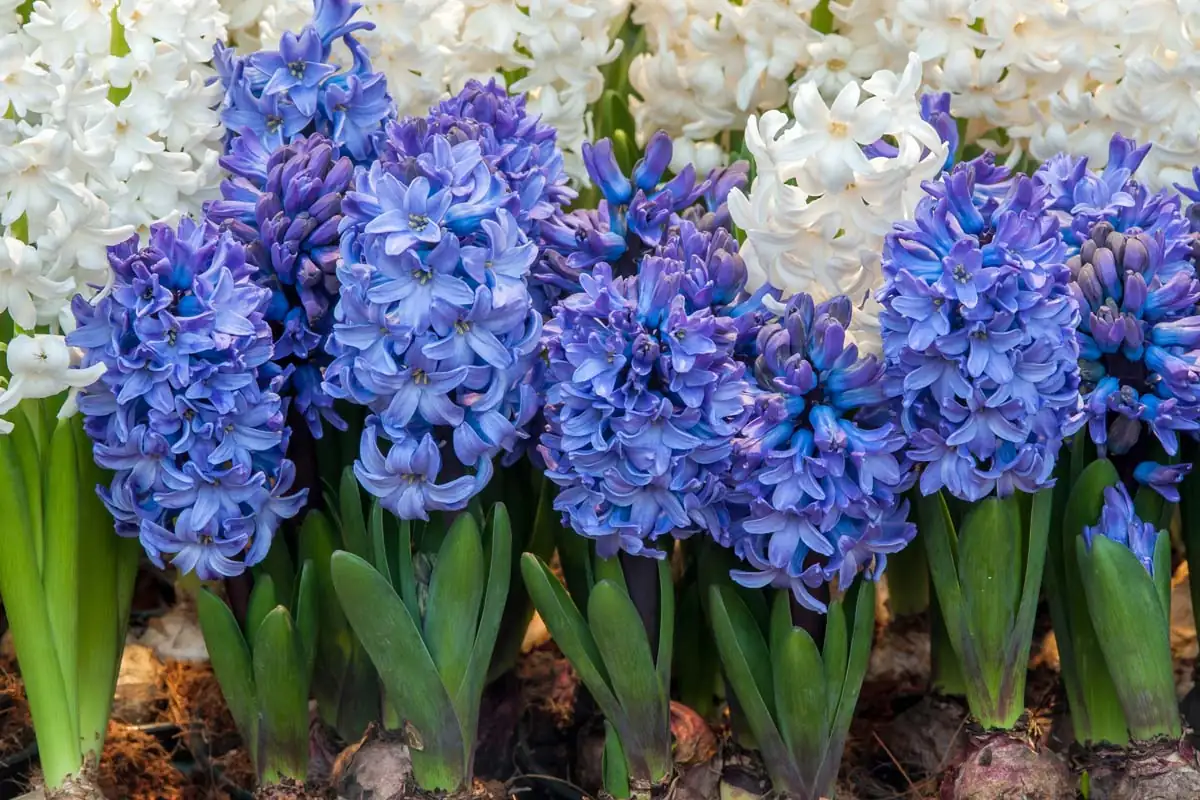
Imagine that rich spring perfume… multiplied. This is your masterclass in turning a single Hyacinthus orientalis (hyacinth) into a small chorus of blooms—by encouraging offsets, recharging bulbs after bloom, and, when you want to get serious, using advanced techniques like scoring and scooping. We’ll keep it practical, science‑savvy, and gardener‑tested.
First, know your bulb: how hyacinths make more hyacinths
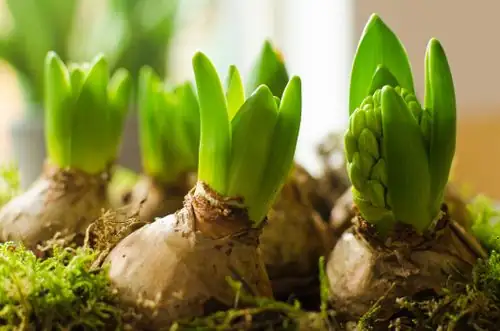
Hyacinths are tunicate bulbs (think onions): a short stem called the basal plate at the base, wrapped in fleshy storage scales. New bulblets form where those scales meet the basal plate.
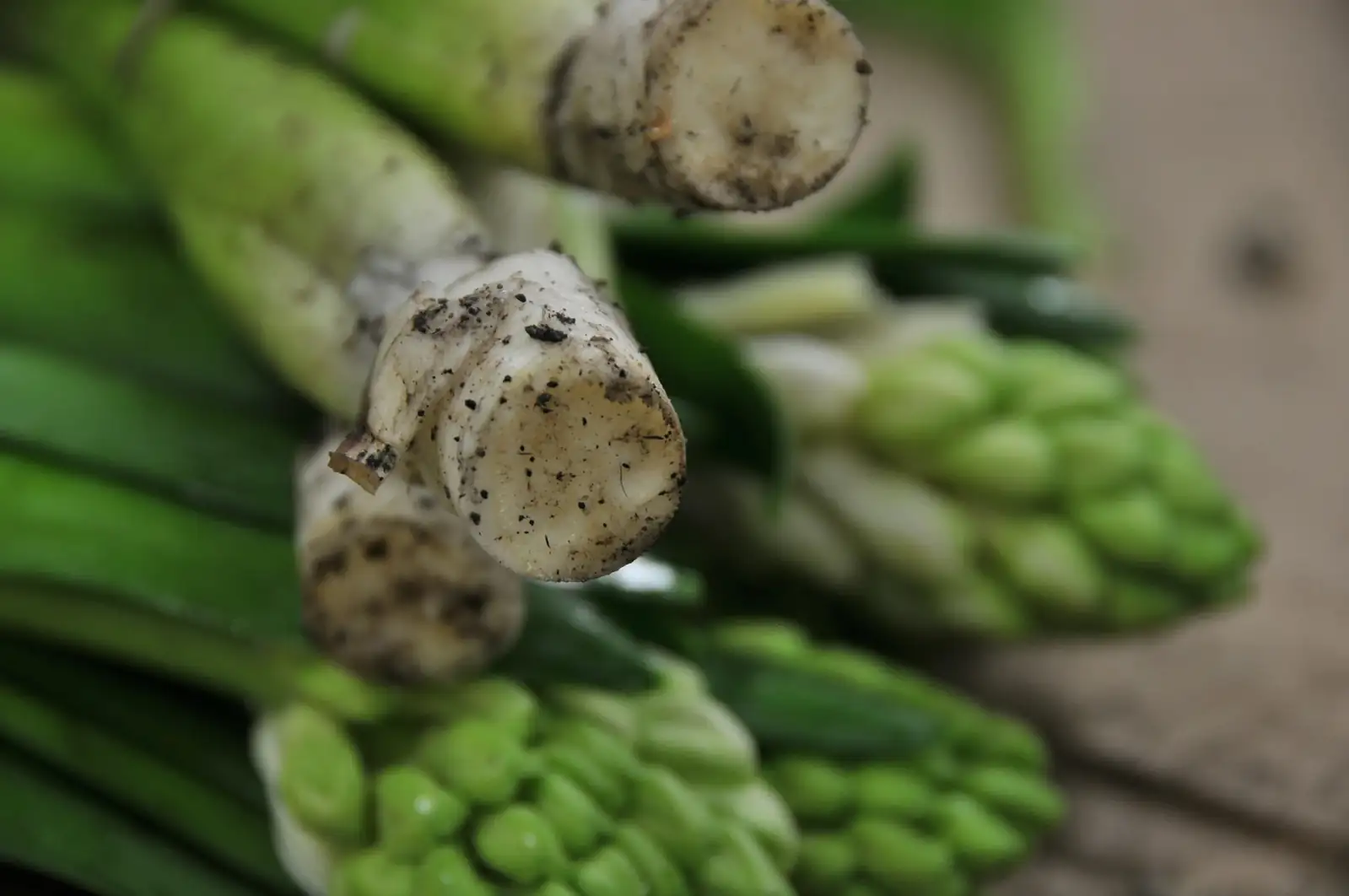
- Natural increase: Hyacinths are famously stingy—often just 1–2 offsets per year.
- Time to bloom: Offsets usually need 2–4 years to reach flowering size.
- Why it matters: If you want more plants faster (or your beloved cultivar is declining), you’ll need to optimize offset formation—and sometimes nudge the bulb with advanced methods.
The propagation calendar (what to do, when)
- Autumn (planting season): Plant firm, heavy bulbs in a free‑draining mix (2 parts potting mix:1 part grit/pumice). Outdoors, choose sun to partial shade; indoors give very bright light. Water in once.
- Winter: Keep cool and only lightly moist while roots develop. Natural chilling outdoors is ideal; for forcing, aim for about 12–14 weeks at roughly 2–9°C (35–48°F).
- Late winter–spring (growth and bloom): Keep bright and cool (bud/flowering comfort ~15–18°C / 59–64°F). Never splash water onto blooms.
- Post‑bloom (critical recharge phase): Deadhead the spent spike; keep leaves growing in bright light, water moderately, and feed every two weeks until foliage yellows.
- Early summer: Let foliage die back fully. Then dry bulbs off.
- Summer dormancy/storage: Keep bulbs dry and ventilated at about 20–28°C (68–82°F). Around 25°C (77°F) is often cited as favorable for next season’s flower‑bud formation.
- Early autumn: Replant or pot up again. This is also the best time to divide offsets or to start advanced propagation work.
Make more the easy way: coaxing offsets (no knives required)
Small, steady gains add up. To maximize natural offsetting:
- Start big and healthy: Large, firm bulbs (16–18 cm circumference or larger) have the reserves to flower and form offsets.
- Plant smart:
- Depth: A practical rule is to plant at about 2–3× the bulb’s height deep, pointed end up, in free‑draining soil.
- Spacing: Give 8–15 cm (3–6 in) between bulbs so offsets have room to size up.
- Light and temperature: Full sun to partial shade outdoors makes sturdier stems and better recharge. Hyacinths relish cool growth (roughly 5–18°C / 41–64°F).
- Watering: Keep evenly, lightly moist in growth; never soggy. Water at soil level—wet flowers spot and rot.
- Deadhead promptly: Snip the spent spike so the plant doesn’t pour energy into seeds.
- Feed during the leaf‑green window: While leaves are green post‑bloom, apply a balanced liquid fertilizer or seaweed feed every two weeks. This is when you “refill the battery.”
- Let leaves finish naturally: Don’t braid, tie, or cut them early; they’re your solar panels.
- Dry summer rest: Keep bulbs dry and ventilated; this prevents rot and supports next year’s bud formation.
Dividing offsets step‑by‑step (yearly or as needed)
- Wait until foliage is fully yellow and dry. Lift bulbs gently.
- Brush off dry soil; don’t wash unless you must.
- Detach firm offsets from the mother bulb (they often snap away with a twist). Discard any soft or diseased tissue.
- Replant immediately in autumn or store dry, then plant in autumn. Label by size—small bulblets may need 2–3 seasons to flower.
- Grow on in a gritty, free‑draining mix; keep cool and bright each spring for sturdy growth.
Tip: If you forced bulbs in water, you can still save them:
- After bloom, plant into soil while leaves are green, keep bright and cool, water moderately, and feed until die‑back. Expect the next bloom to be weaker the first year; recovery takes time.
When you want lots more: advanced methods (scoring and scooping)
Hyacinths can be reluctant to “make babies.” That’s where advanced basal‑plate techniques shine. Both methods stimulate many tiny bulblets at the base, which you then grow on.
Safety and sanitation first:
- Wear gloves—hyacinth bulbs can irritate skin.
- Sterilize tools (alcohol or a light bleach solution). Start with firm, disease‑free bulbs.
- Use a dry fungicidal dust if that’s appropriate and legal in your area; otherwise, maximize cleanliness and airflow.
Scoring (controlled cross‑cuts to the basal plate)
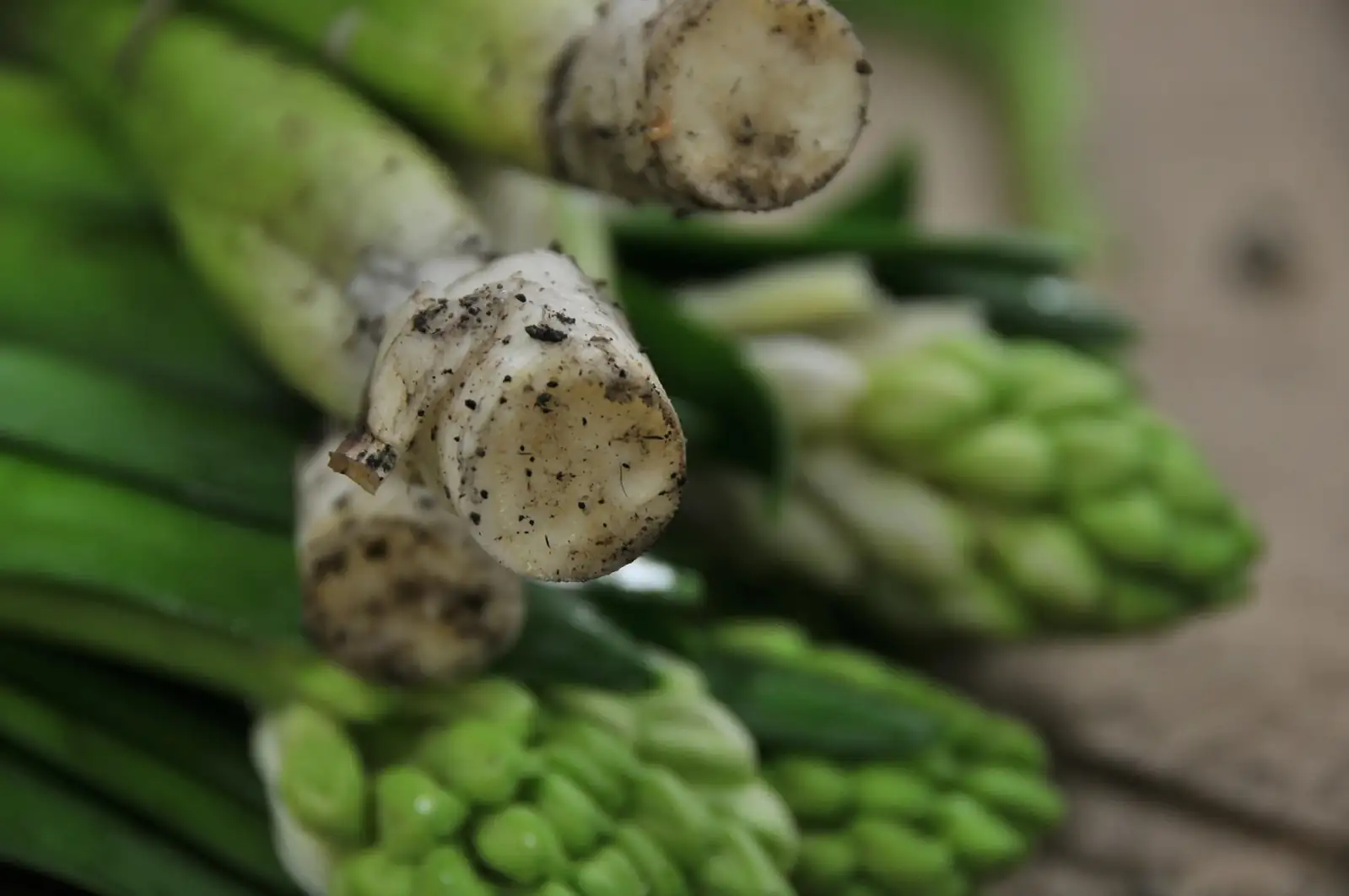
Best when you want good yields with less trauma than full scooping.
- Prepare the bulb: Remove any loose, papery tunic at the base so you can see the basal plate clearly. Do not damage the nose or outer tunic higher up.
- Make shallow cuts: With a sterile, sharp knife, make 2–4 shallow cuts (3–5 mm deep) across the basal plate in a cross‑hatch, severing the bases of many scales but not removing tissue.
- Dust and dry: Lightly dust the base. Place the bulb upside down (nose down, base up) on a clean tray.
- Warm, dry initiation: Keep at roughly 20–25°C (68–77°F), dry but with gentle airflow, for 6–8 weeks. Tiny bulblets will form along the cut lines.
- Potting on: Set bulbs base‑down in a gritty mix so the new bulblets nestle against the medium. Keep just slightly moist and cool through autumn; provide the normal chilling period for strong rooting.
Yield and timing: Expect dozens of small bulblets in a good season; flowering typically in 2–3 years.
Scooping (hollowing out the basal plate)
A higher‑output technique; more invasive than scoring.
- Prepare and sanitize as above.
- Scoop the plate: With a sterile, curved knife or teaspoon, carefully remove the entire basal plate and the very bottom of each scale, creating a neat “bowl.” Avoid cutting high into scale tissue.
- Dust and invert: Lightly dust the cavity. Place bulbs inverted (nose down) on a clean, ventilated tray.
- Warm initiation: Hold at about 20–25°C (68–77°F), dry with airflow, for 8–12 weeks. Bulblets form along the inner scale bases within the cavity.
- Pot and grow on: Set bulbs upright so the new bulblets contact the medium; keep barely moist. Resume the normal cool‑season cycle and chilling window. Separate and plant individual bulblets once they’re large enough to handle.
When do scoring/scooping make sense?
- Your cultivar offsets very slowly but you want many plants.
- You’re restoring a cherished color form or building stock for a mass display.
- You have clean, vigorous bulbs and can maintain sterile technique.
Prefer to keep it simple? Stick with offset division and excellent post‑bloom care. You’ll still grow your numbers—just more slowly.
The recharge playbook (post‑bloom care that pays you back)
- Right after petals fade: Cut the flower spike off at its base, keeping all leaves.
- Light: Give the brightest light you can without heat stress. Outdoors, full sun to partial shade. Indoors, a very bright window with airflow.
- Water: Aim for evenly moist, never wet. Water soil, not flowers.
- Feed: Every two weeks with a balanced fertilizer or seaweed while leaves are green.
- Temperature: Cool is best for leaf work—roughly 10–12°C (50–54°F) encourages sturdy foliage; 15–18°C (59–64°F) is comfortable for late growth.
- Foliage finish: Only stop watering once leaves naturally yellow and wither.
- Dormancy: Store bulbs dry at about 20–28°C (68–82°F), ventilated; ~25°C (77°F) is favorable for next season’s bud formation.
- Replant in autumn: Use a free‑draining, sandy/gritty mix; water in once; then keep just lightly moist until active growth.
Indoors, outdoors, and water forcing: quick notes
- Outdoors (USDA 4–8): Ensure good drainage—waterlogged winter soils are a fast track to rot.
- Indoors: Cool, bright conditions extend bloom life. Protect from hot midday sun behind glass.
- Water forcing: Keep the water line 1–2 cm (0.4–0.8 in) below the bulb base so only roots are in water. Change water regularly. After bloom, pot into soil to recover if you want to save the bulb.
Troubleshooting your propagation
- Bulblets fail to appear after scoring/scooping:
- Cuts may have been too shallow or too deep; aim to sever scale bases cleanly without mangling tissue.
- Temperatures too cool or too wet; keep warm (20–25°C) and dry with airflow during initiation.
- Rot during initiation or storage:
- Humidity too high or sanitation slipped. Start with clean bulbs; keep them dry and ventilated; discard any soft bulbs promptly.
- Weak regrowth after forcing:
- The bulb used up reserves. Give maximum light, cool conditions, and steady feeding while leaves are green.
Common pests/diseases: Aphids, spider mites, bulb mites; Botrytis and storage rots if things are damp and stagnant. Prevention wins—clean bulbs, free‑draining media, careful watering, and airflow.
Safety note: Hyacinths are toxic/irritant—especially the bulb. Ingestion can cause gastrointestinal upset in people and pets. Sap may cause “hyacinth itch.” Wear gloves, keep bulbs away from pets and children, and wash up after handling.
A quick origin and culture detour (for better timing)
Native to the eastern Mediterranean to western Asia (including Turkey, Syria, Lebanon, Israel and Palestine), hyacinths adore cool‑season growth and a dry summer rest. The Netherlands isn’t their native home, but it is the world’s great hyacinth nursery—centuries of breeding, and those sandy, free‑draining bulb fields, shaped the modern rainbow of cultivars.
Flower “language,” honestly
Victorian floriography turned hyacinths into messengers: blue for constancy and sincerity, white for purity or silent love, pink for playfulness or romance, red for passionate love, yellow for joy, and purple for sorrow or jealousy. It’s cultural poetry, not botany—but it does echo the plant’s seasonal drama: fragrant spikes breaking winter’s spell, then folding back into the bulb to begin again. If you gift hyacinths, choose colors with intention—but let the recipient write their own meaning, too.
Your propagation plan at a glance
- If you’re patient: Grow offsets by the book—bright light, careful post‑bloom feeding, dry dormancy, annual division.
- If you’re building stock: Use scoring for a generous yield with modest risk.
- If you want maximum multiplication: Try scooping on clean, healthy bulbs, then grow on the bulblets for 2–3 years to flowering.
Grow them cool, keep them bright, feed during that leafy window, and never let water sit on the blooms. With a little anatomy‑driven finesse, your one‑note solo becomes a spring symphony.