

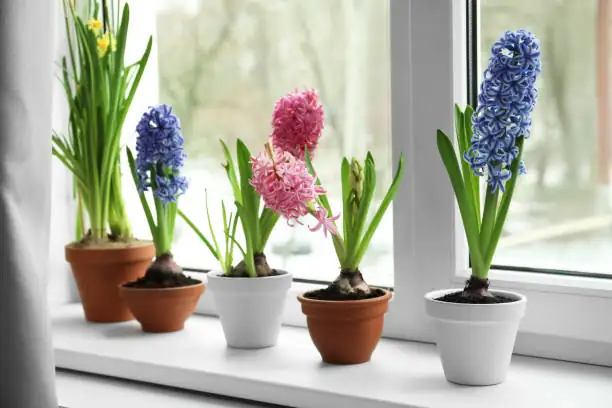
Lean in and breathe: that unmistakable, sugared‑green perfume means Hyacinthus orientalis is awake. The classic hyacinth is the bulb that turns late winter into spring with a single, candy‑colored spike so densely packed with waxy florets it looks like confectionery—then scents the whole room or garden as if it were a tiny, benevolent lab for aromatics.
Meet Hyacinthus orientalis (the Hyacinth)
- Family and form: A compact, upright bulbous perennial in the Asparagaceae, sending up glossy, strap‑shaped leaves and one sturdy, flower‑laden stem.
- Native story: Eastern Mediterranean to western Asia (think Turkey, Syria, Lebanon, Israel and Palestine). Brought to botanical stardom in Europe and famously bred in the Netherlands.
- Size and show: Typically 15–30 cm (6–12 in) tall in bloom with a dense raceme of bell‑to‑star‑shaped, waxy florets.
- Color parade: Blue, purple, pink, white, and red, plus cream/yellow, apricot, and bicolors; single and double forms exist.
- Season: Late winter to spring (often February–April).
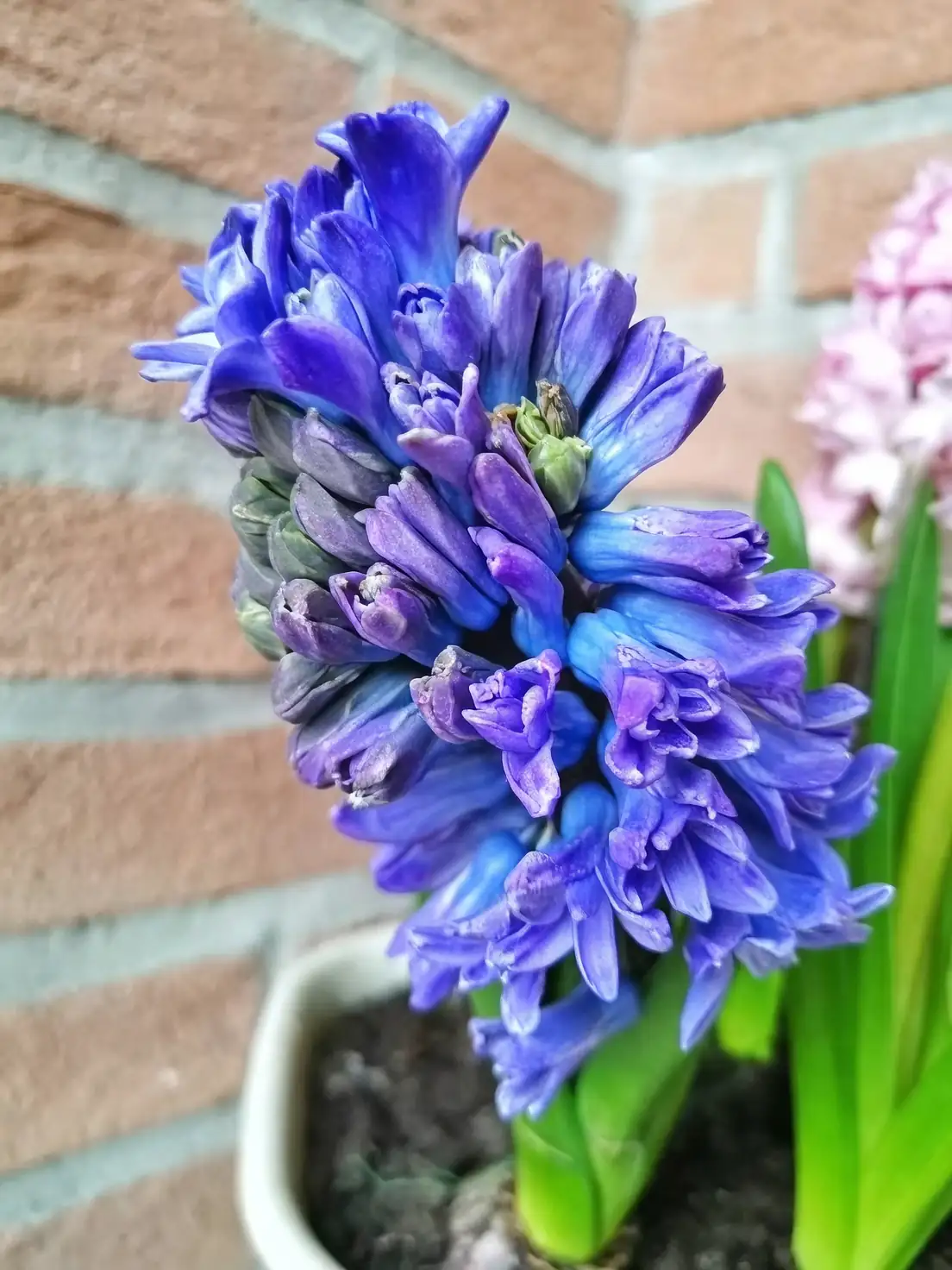
The science and the magic of that scent
Hyacinth fragrance opens in stages—light and dewy in tight bud, intensifying as each floret unfurls. Perfumers describe nuances that feel both garden‑fresh and opulent: green, aqueous facets with sweet and spicy edges.
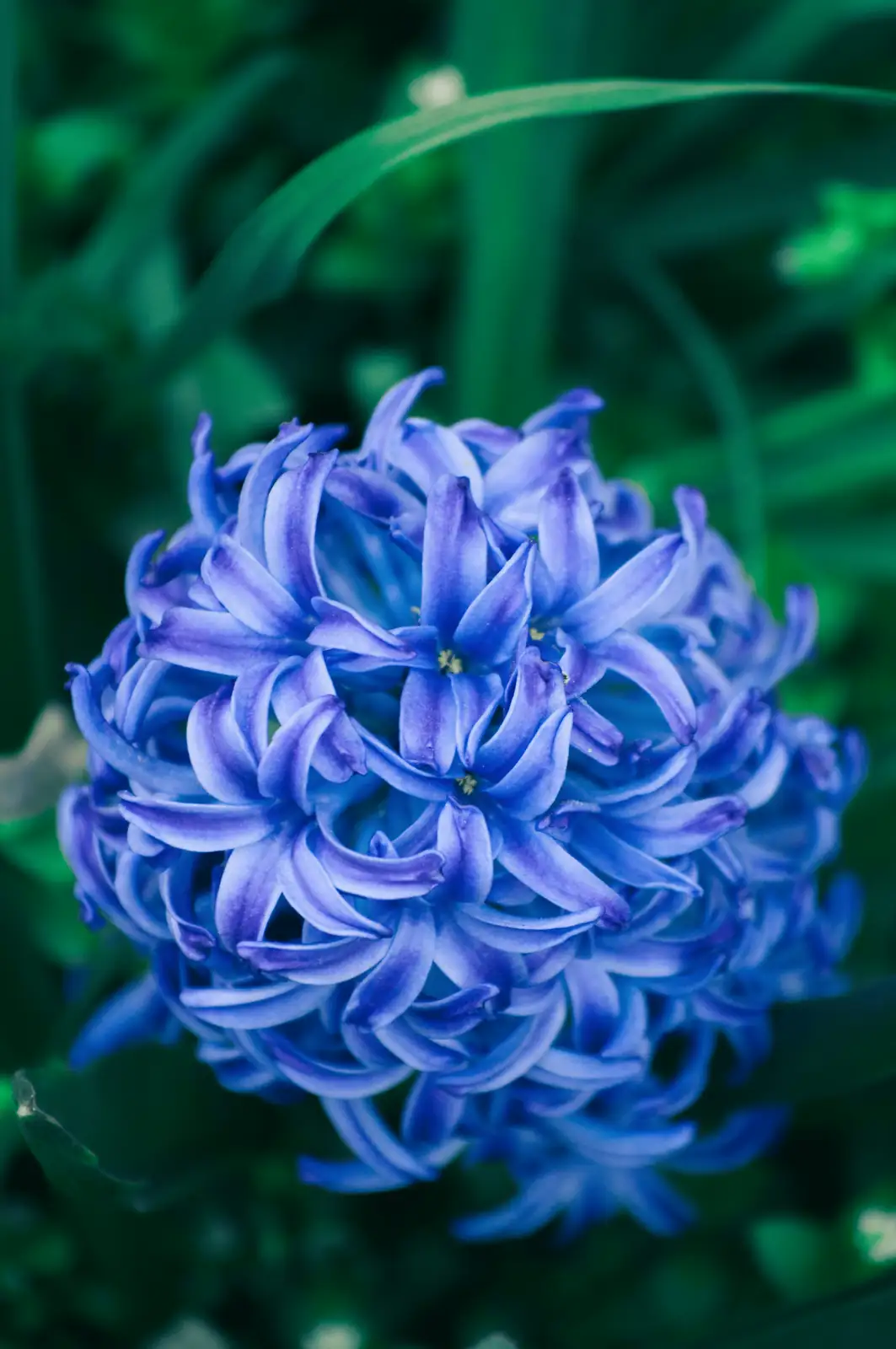
- What’s inside the perfume: Compounds such as benzyl acetate, phenylethyl alcohol, and benzyl benzoate contribute to that sweet, floral glow, while minor components add a green, spring‑lawn vibe.
- Cool‑room advantage: Keep flowering plants around 15–18°C (59–64°F), and the blooms—and thus their fragrance—last longer. Warm rooms rush the show; cool rooms stretch it into a leisurely matinée.
- Airflow matters: Good circulation keeps the perfume buoyant and prevents damp, stale conditions that can spoil petals.
Curiosity bite: Those florets are naturally waxy. Great for gloss and scent retention—but keep water off them. Mist and splashes can spot or even mush the petals.
Waxy florets and the “one‑spike wonder” effect
Each bulb typically produces one main spike—sometimes more, but the marquee moment is that single, densely flowered wand. The result is sculptural: a vertical exclamation mark of color and scent.
- Why it looks so plush: Many tightly packed florets form a thick raceme on a sturdy stem.
- The droop you don’t mind: On extra‑full spikes (especially double forms), the weight can cause a gentle lean; a discreet stake in pots is fine.
- Bigger bulb, bigger wow: Choose firm, heavy bulbs. Around 16 cm (6.3 in) circumference is solid; ~18 cm (7.1 in) often gives the strongest spikes, especially for indoor forcing.
Bulb “itch” is real: handle with care
Hyacinth bulbs and sap can irritate skin—a gardener’s rite nicknamed “hyacinth itch.”
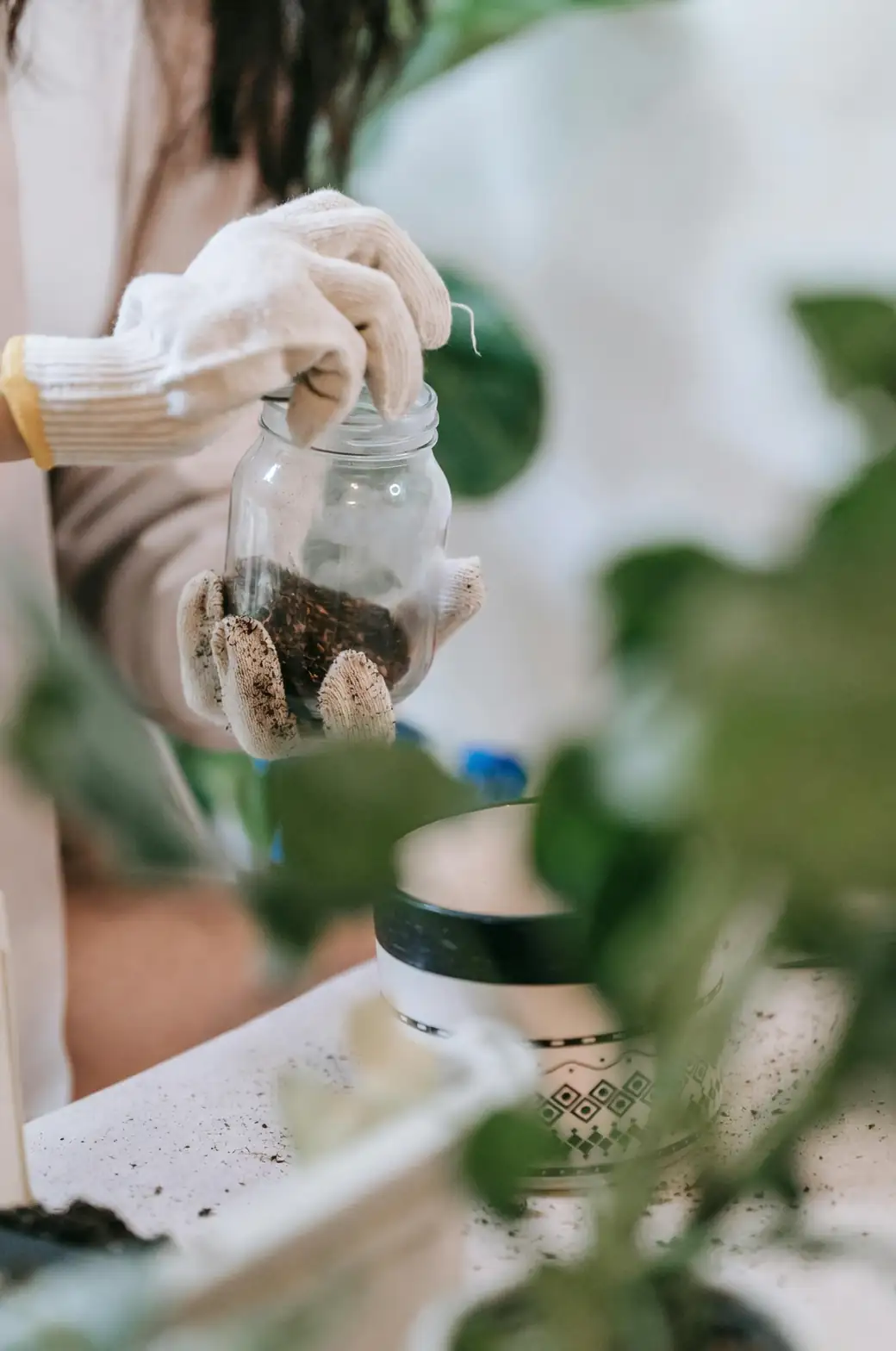
- Why it happens: The bulb scales and sap contain irritants (including oxalate compounds) that can trigger dermatitis.
- How to dodge it: Wear gloves when planting, wash hands after handling, and avoid touching your face. If you do react, rinse with cool water; an over‑the‑counter hydrocortisone or soothing barrier cream may help.
- Safety note: Toxic to people and pets if ingested—especially the bulb. Keep out of reach of curious chewers.
Grow it happy: a quick guide
- Light
- Outdoors: Full sun to partial shade (4–8 hours); more sun = sturdier spikes.
- Indoors: Very bright light; behind glass, shield from scorching midday sun in warm spells.
- Temperature
- Loves it cool overall: active growth is happiest between 5–18°C (41–64°F).
- For flowering comfort indoors: 15–18°C (59–64°F).
- Soil and water
- Soil: Fertile, loose, and free‑draining; a gritty mix (about 2 parts potting mix to 1 part pumice/grit) excels in pots.
- Water: Keep evenly, lightly moist—never soggy. Water at soil level; don’t splash the bloom spike.
- Humidity and airflow
- Average indoor humidity is fine. Prioritize fresh air over misting (mist leaves only, never flowers).
- Hardiness and placement
- USDA Zones 4–8 (some cultivars into 9 with reliably cool winters). Excellent in beds, borders, patio pots, and bright windowsills.
Forcing: pots and the classic hyacinth glass
Want spring in January? Forcing is bulb alchemy, and hyacinths are among the easiest.
- Chill phase (the secret sauce)
- Pre‑chilled bulbs are easiest, or chill your own about 12–14 weeks at 2–9°C (35–48°F).
- Pot forcing
- Plant with the nose just at or slightly above the surface in a gritty mix.
- Keep cool and evenly moist in the dark until roots fill and shoots emerge, then move to bright, cool light.
- Water forcing
- Use a hyacinth vase or any stable glass that holds the bulb above the water.
- Keep the water line 1–2 cm (0.4–0.8 in) below the bulb base so only roots drink.
- Start cool and dark (around 8–10°C / 46–50°F) for rooting; change water every 2–3 days early on, then weekly; a bit of aquarium charcoal helps freshness.
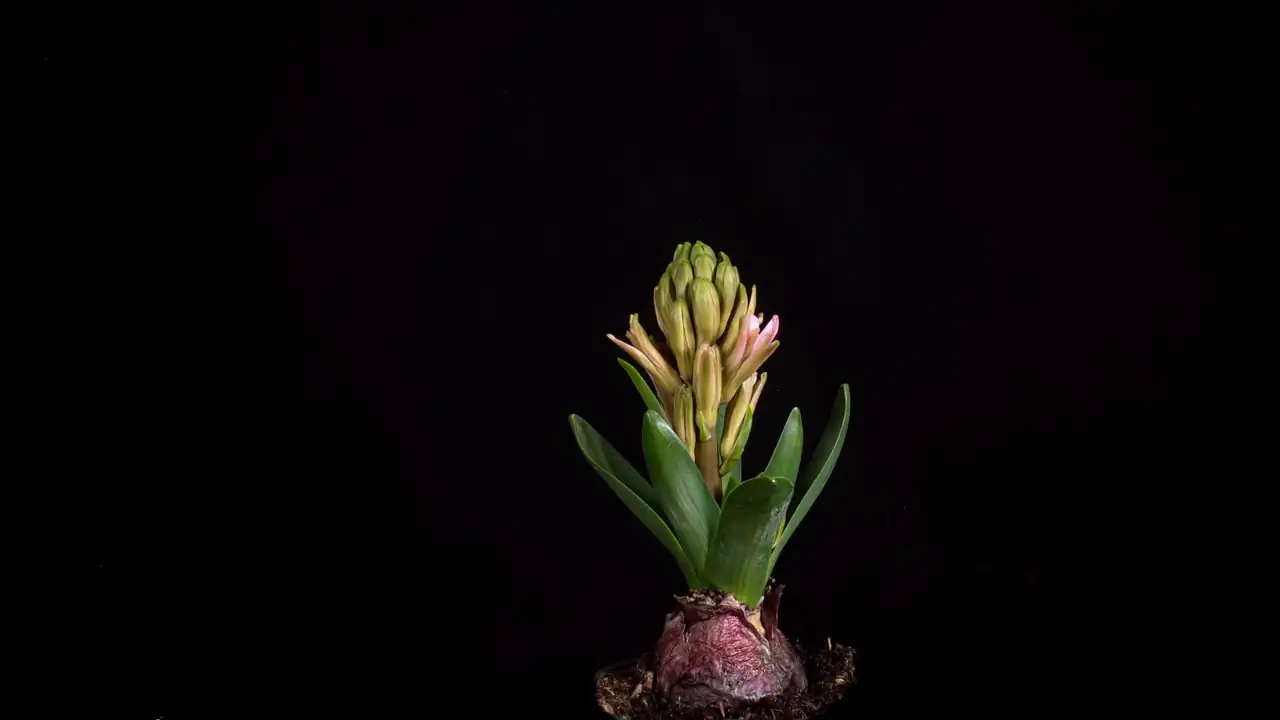
- Extend the bloom
- Once buds color, keep the plant cool and bright. Rotate the pot/glass for even growth.
Curiosity bite: Those waxy florets aren’t thirsty—your roots are. Water on petals = spots and early collapse. Bottom‑water or pour at the soil edge.
After the show: one spike now, strength for later
- Deadhead only: Snip the spent spike so the bulb doesn’t waste energy on seeds.
- Let leaves recharge: Keep foliage in bright light and water moderately until it yellows naturally.
- Feed to refuel: While leaves are green, a balanced, dilute feed every couple of weeks helps rebuild next year’s flower bud.
- Dormancy: Once leaves wither, keep the bulb much drier. Store lifted bulbs dry and ventilated around 20–28°C (68–82°F), with ~25°C (77°F) often cited as ideal for flower‑bud formation.
- Real talk: Forced bulbs can rebloom weaker the next year without a full recharge. Outdoors, offsets form slowly—often 1–2 per year—and need 2–4 years to reach flowering size.
Troubleshooting, fast
- Brown spots or mushy flowers?
- Likely water on petals or stagnant, damp air. Water soil only, improve airflow, keep it cool.
- Bulb rot?
- Almost always from soggy soil. Use free‑draining mix, pots with holes, and go light on winter watering.
- “Why no blooms?”
- Hyacinths need cold: roughly 12–14 weeks around 4–7°C (40–45°F) for strong spikes.
- Pests and problems
- Watch for aphids, spider mites, bulb mites; outdoors, rodents may nibble bulbs—use baskets or grit for protection. Remove any soft or diseased bulbs promptly.
Flower language, myth, and meaning (read the fine print)
The name recalls a Greek legend: Hyacinthus, the beautiful youth loved by Apollo, dies in a discus accident; from his blood springs a memorial flower. Centuries later, the Victorian craze for “floriography” codified meanings as a parlor pastime rather than a science.
- Common associations today
- Blue: constancy, sincerity
- White: purity or silent love
- Pink: playfulness or romance
- Red: passionate love
- Yellow: joy
- Purple: sorrow or jealousy
- A thoughtful caveat
- These meanings vary by culture and era; enjoy them as poetic layers, not fixed rules. The hyacinth’s real language is its timing—appearing just when we’re starved for color and scent.
Quick grower’s checklist
- Planting time outdoors: Autumn (often Oct–Nov); water once, then let winter do the chilling.
- Indoors: Start pre‑chilled bulbs or provide your own chill, keep bright and cool.
- Light: 4–8 hours sun outdoors; very bright indoors.
- Water: Lightly moist, never soggy; keep blooms dry.
- Safety: Toxic if ingested; bulbs and sap can irritate skin—gloves help.
Little delights to tell a friend
- Hyacinths were early superstars of indoor forcing—Victorian hyacinth glasses are still collected today.
- Cool rooms keep flowers fresh longer while the scent stays wonderfully assertive.
- Commercial bulb fields in the Netherlands built a global love affair with hyacinths—and sandy, free‑draining soils make those fields perfect for bulb crops.
Curiosity bite: One bulb. One glorious spike. One room transformed. That’s the hyacinth’s “one‑spike wonder” promise—pure spring, on a stick.


