

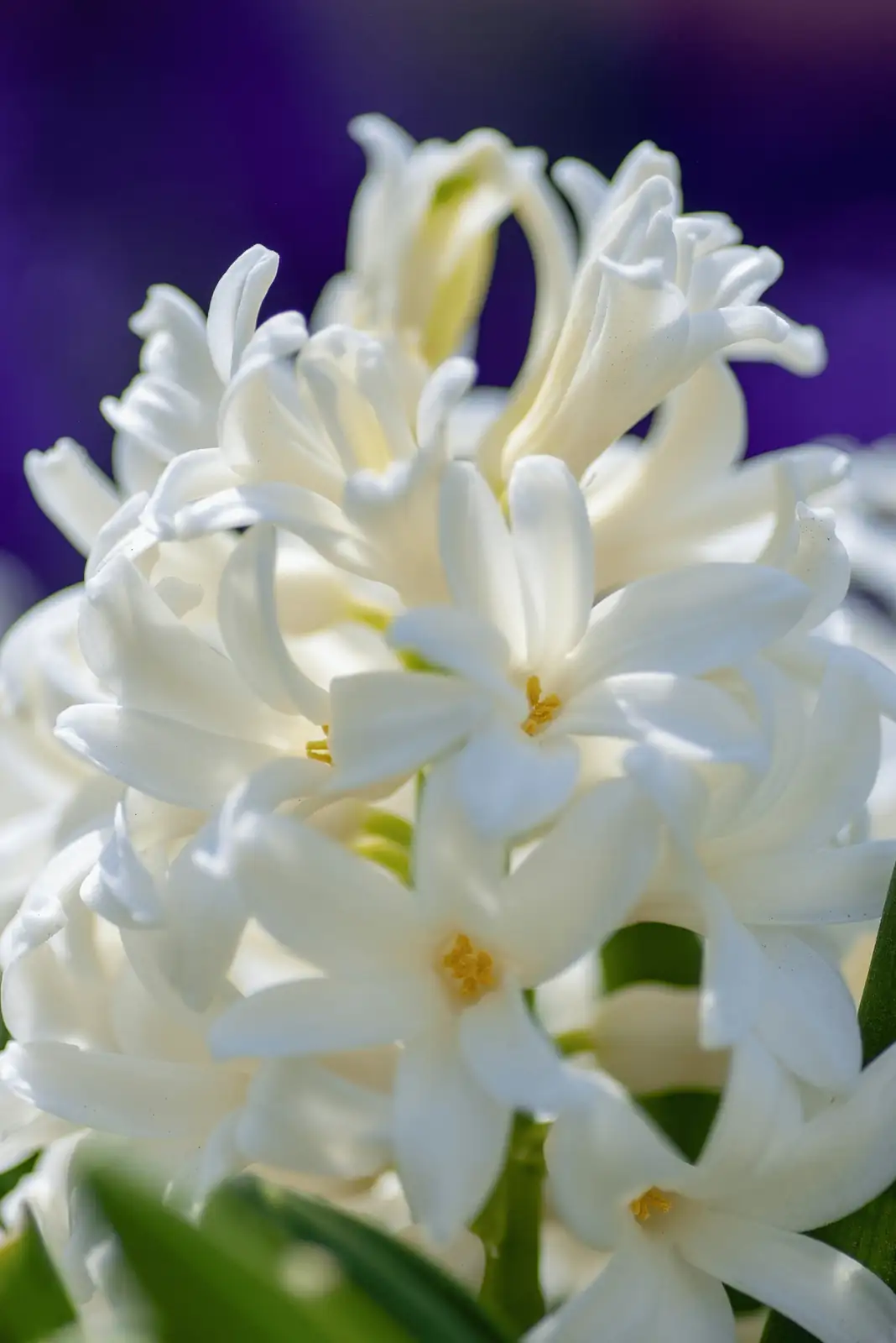
Breathe in that syrupy, irresistible scent—one bulb and suddenly it’s spring. Hyacinthus orientalis, the hyacinth of gardens and parlors, has traveled a long road: from rocky eastern Mediterranean hillsides to Dutch bulb fields, from Greek legend to gleaming Victorian glass. Here’s its lively origin story—and how it became the star of winter windowsills and collectors’ cabinets.
Where the scent began: rock, rain, and the Levant
Wild hyacinths hail from the eastern Mediterranean to western Asia—think Turkey, Syria, Lebanon, Israel and Palestine—where cool, moist winters and dry summers shape a bulb built for rhythm. In spring, a compact tuft of glossy, strap-like leaves lifts a sturdy stem crowded with waxy, bell- to star-shaped florets. The perfume? Famously strong and sweet, the botanical equivalent of ringing a dinner bell for your senses.
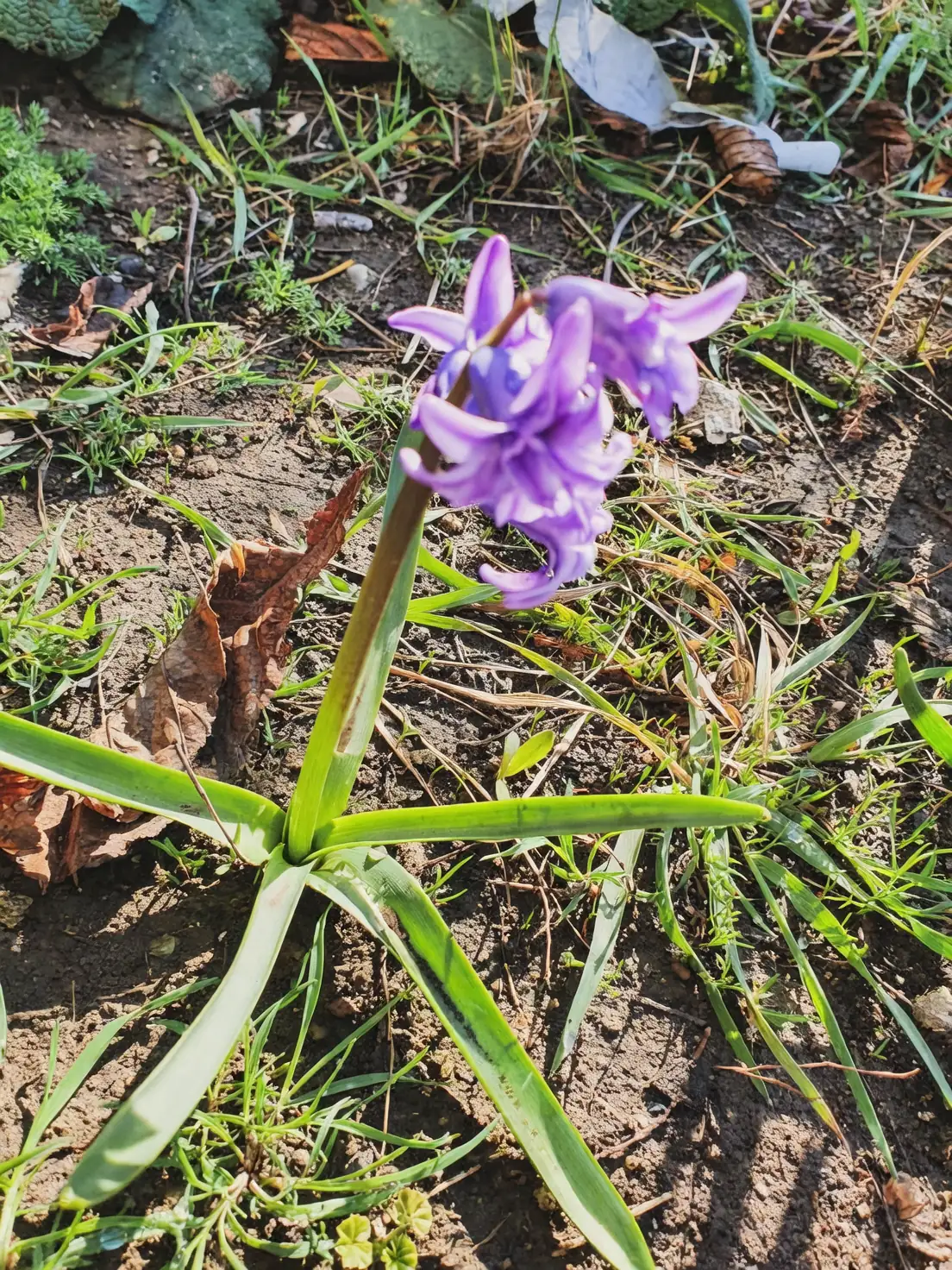
- Family and genus: Asparagaceae, Hyacinthus
- Habit: Compact, upright, bulbous perennial
- Size in bloom: Typically 15–30 cm (6–12 in) tall
- Palette: Deep blues and purples to pink, red, white, plus cream/yellow, apricot, and bicolors; single and double forms exist
- Season: Late winter to spring (often February–April)
Cool weather suits hyacinths best. They wake early, relish bright light, and prefer their roots in airy, free-draining soil. It’s no wonder they’re among the first flowers people coax into bloom on chilly windowsills.
A god, a discus, and a flower: the myth behind the name
The name hyacinth is braided with Greek myth. Hyacinthus, a beautiful youth beloved by Apollo, dies when a discus strikes him; from his blood springs a flower of grief and remembrance. Ancient writers used “hyakinthos” for more than one plant, but the legend stuck to Hyacinthus orientalis as it entered European gardens. The result is a flower forever linked with love—devoted, sometimes sorrowful—and the tender business of memorial.
From wildling to wonder: Haarlem’s hyacinth boom
Hyacinths reached Europe in the 16th century and took off spectacularly in the Netherlands. Around Haarlem, where sandy, free-draining soils and a cool maritime climate suited bulbs perfectly, growers became maestros. By the 18th and 19th centuries, Dutch breeders had raised thousands of cultivars: candy-box blues and pinks, luminous whites, moody purples; singles and powder-puff doubles; tight, regal spikes worthy of palace tables.
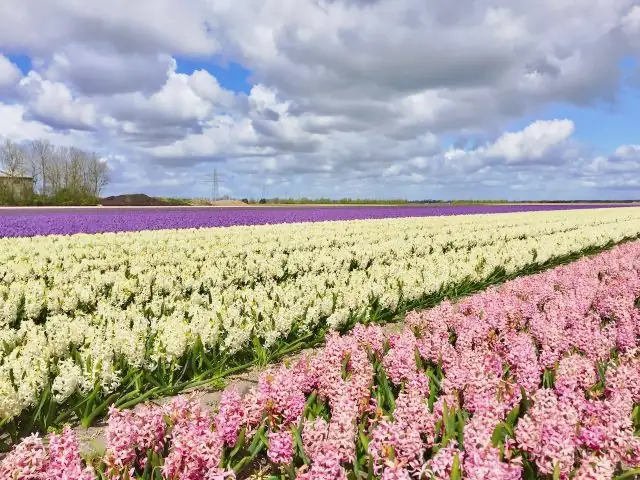
- Why Haarlem? Dune sands that shed winter wet, seasoned growers, and bustling trade routes that moved bulbs—and fame—across Europe.
- A living archive: Wars and fashion cycles erased many heirlooms, but collectors and national collections have worked to rescue historic varieties and keep the story blooming.
Alongside tulips, hyacinths became a social craze: admired in formal borders, paraded at flower shows, and—perhaps most charmingly—forced indoors to perfume parlors while snow still lingered outside.
The glass that launched winter blooms
Victorian households made an art of “water forcing.” Special hyacinth glasses—curvy, hourglass-like vases in clear or jewel-colored glass—cradled a bulb just above the water so you could watch ivory roots cascade while a green spear rose to a fragrant plume. Those vases are now collectible, and the ritual is as delightful today as it was 150 years ago.
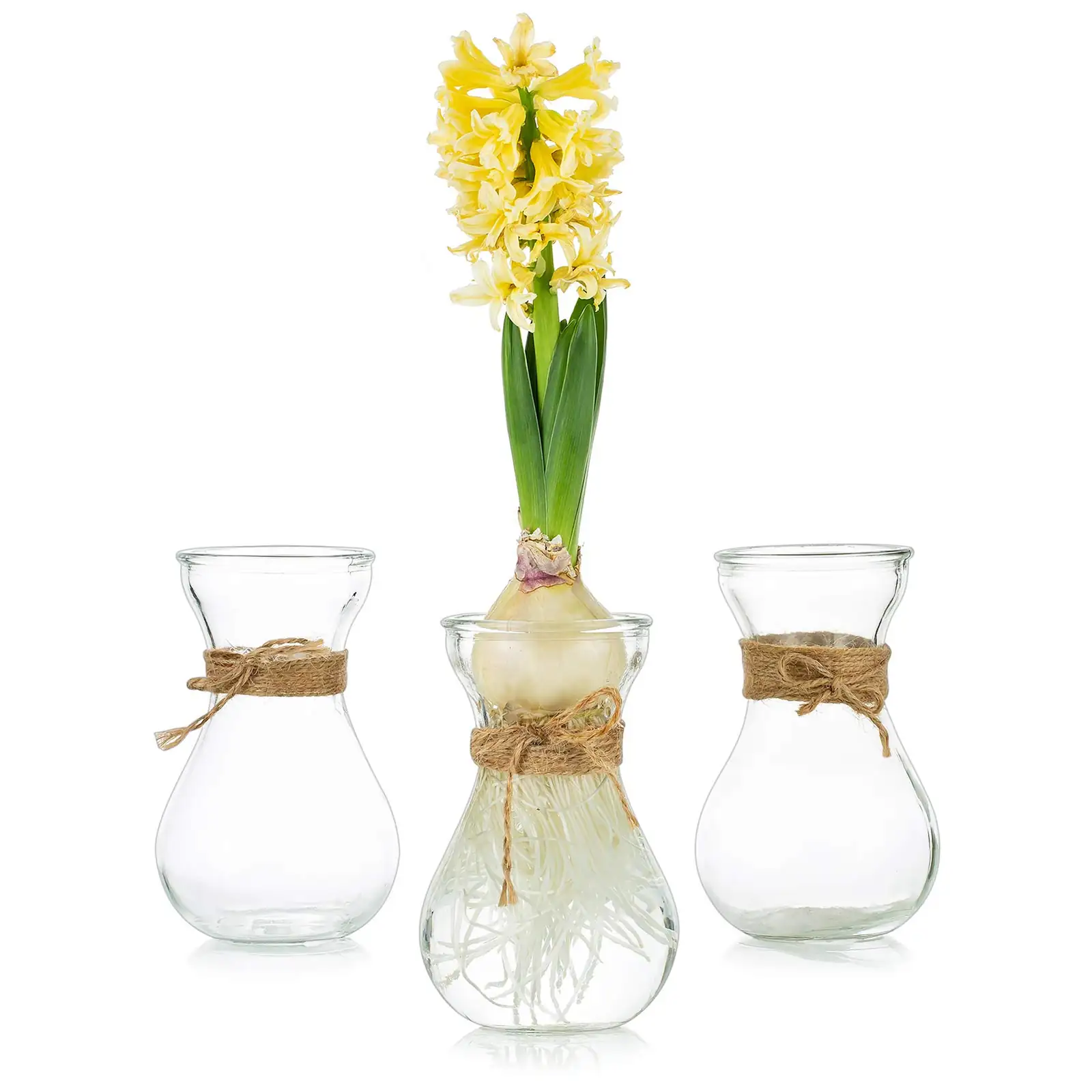
How to force a hyacinth in a glass
- Choose big, firm bulbs (about 16–18 cm/6.3–7.1 in circumference make the stoutest spikes).
- Chill for 12–14 weeks at about 2–9°C (35–48°F). A cool cellar, garage, or refrigerator works—just keep bulbs away from ripening fruit.
- Set the bulb in its vase with water 1–2 cm (0.4–0.8 in) below the base. Only roots should touch water.
- Start cool and dark at roughly 8–10°C (46–50°F) until roots fill the vase and a shoot forms.
- Move to very bright light and keep cool, ideally 15–18°C (59–64°F), for stocky stems and longer bloom.
- Change water every 2–3 days at first, then weekly; a small piece of charcoal helps keep water sweet.
Tip: Keep water off the blooms—petals can spot or turn mushy in damp, stagnant air.
Recognizing Hyacinthus orientalis at a glance
- Dense, upright flower spike packed with waxy, sweetly scented florets
- Basal clump of 4–9 glossy, strap-like leaves
- Usually one main spike per bulb; offsets form slowly (expect 1–2 bulblets per year)
- A classic for outdoor beds and indoor winter cheer; one of the easiest bulbs to force
Growing and enjoying yours, indoors or out
- Light: Full sun to partial shade outdoors; very bright light indoors.
- Soil: Fertile, loose, and free-draining. In pots, try 2 parts potting mix to 1 part grit/pumice.
- Water: After planting, water once to settle. Keep just lightly moist in winter; never soggy. During growth, water when the top 2–3 cm (about 1 in) is dry—aim at the soil, not the spike.
- Temperatures: They thrive cool. Leaf growth is best around 10–12°C (50–54°F); buds and blooms at 15–18°C (59–64°F).
- Chilling: For reliable indoor bloom, bulbs need roughly 12–14 weeks of cold (about 4–7°C / 40–45°F).
- Feeding (if you’re saving bulbs): Lightly feed while leaves are still green after flowering; stop when they yellow.
- After bloom: Snip the spent spike, keep leaves until they wither naturally, then let bulbs rest dry over summer.
- Hardiness: USDA Zones 4–8; good drainage is non-negotiable in winter.
Water-culture quick notes
- Keep the water line just below the bulb base.
- Provide airflow; refresh water regularly.
- Once buds form, skip fertilizer to avoid foul water.
Flower language: what hyacinths have been saying for centuries
Floriography—the Victorian “language of flowers”—gave hyacinths a rich vocabulary. It drew on the Greek tale of Hyacinthus (devotion, remembrance) and on spring’s promise of renewal. Meanings vary by tradition, but you’ll often see:
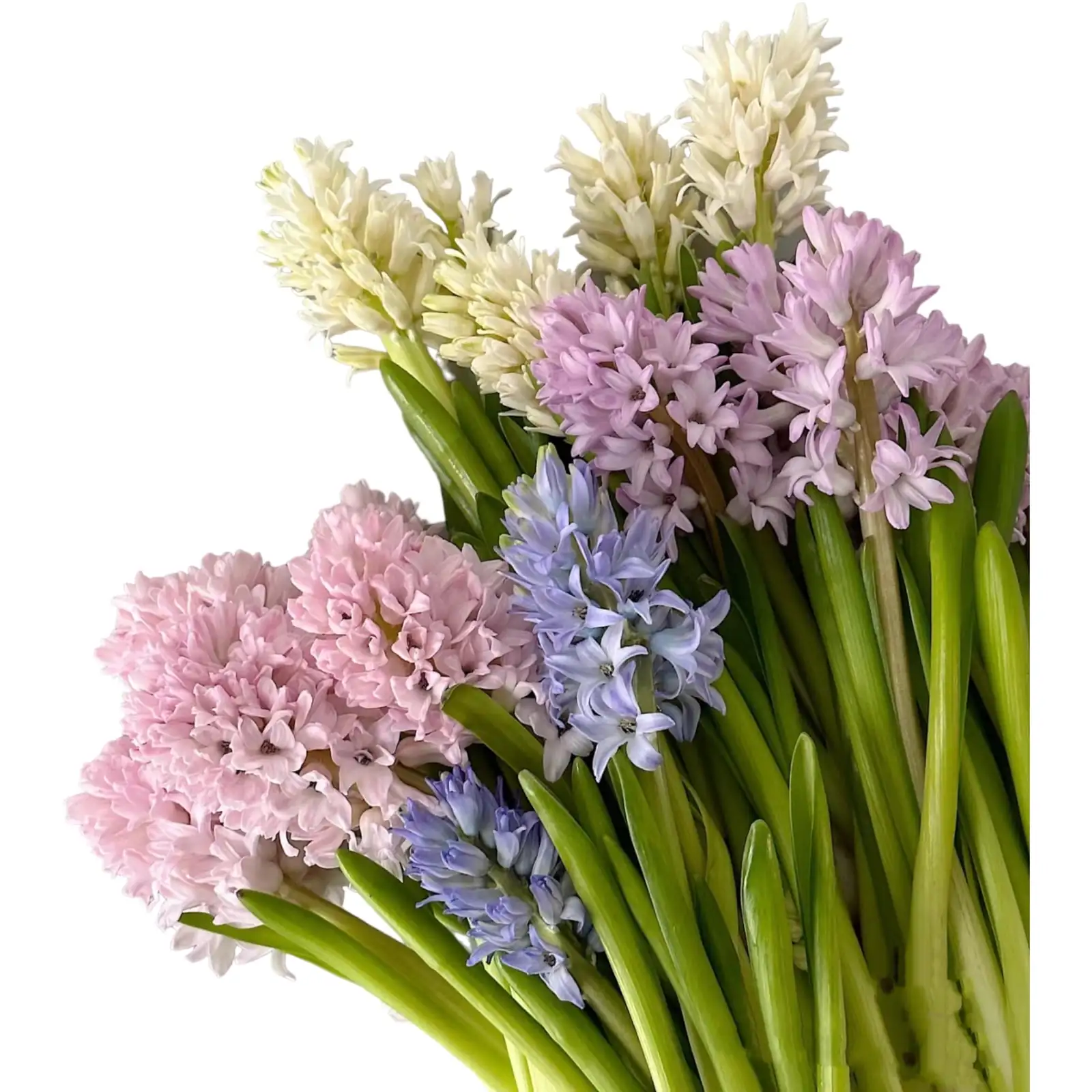
- Blue: constancy and sincerity
- White: purity or silent love
- Pink: playfulness or romance
- Red: passionate love
- Yellow: joy
- Purple: sorrow or jealousy
Take these as poetry, not fixed rules. The deeper truth? A hyacinth’s timing—arriving at winter’s end—has always symbolized hope returning.
Safety note
All parts, especially the bulb, are toxic/irritant if eaten and can upset the stomach of people and pets. The bulb scales and sap may cause skin irritation (“hyacinth itch”), so wear gloves if you’re handling many. The fragrance itself isn’t toxic, but it’s potent—go easy in small rooms.
Fast facts and fragrant footnotes
- Hyacinths helped popularize indoor forcing; Victorian hyacinth glasses are sought-after antiques.
- Cooler rooms make the blooms last longer without muting their heady perfume.
- Most hyacinth troubles trace to wet, stagnant conditions—give them drainy soil and fresh air.
- The Netherlands remains a world center for hyacinth breeding and bulb production, with Haarlem as its storied heartland.
From Levantine cliffs to Dutch glass, Hyacinthus orientalis has always been a plant with panache: a myth in bloom, a scent that announces spring, and a living link between garden history and your windowsill.


