Nothing says “spring is here” like the candy-colored, sweetly perfumed spikes of Hyacinthus orientalis. But that dense, waxy bloom and fleshy bulb also mean hyacinths telegraph stress quickly—especially when rot, gray mold, or sap-sucking pests show up. Here’s your fast, field-tested guide to diagnosing the five most common problems—bulb rot, Botrytis, aphids, bulb mites, and virus-like streaks—plus the prevention you can start today to keep your hyacinths gorgeous and trouble-free.
Speed diagnosis: what you see, what it means
- Bulb rot
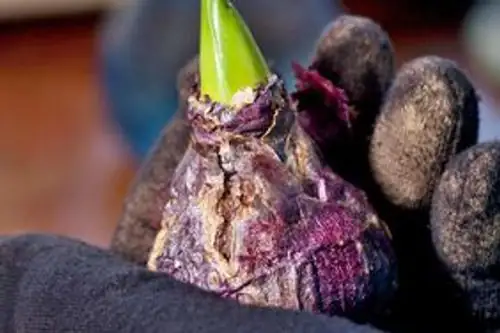
- Bulb feels soft or mushy; foul odor; foliage collapses or yellows fast; roots brown/rotted. Sometimes the whole plant keels over after a warm spell or heavy watering.
- Botrytis (gray mold)
- Cool, damp spell followed by fuzzy gray mold on buds/flowers/leaves; brown or purplish-edged spots that merge; buds fail or stems flop.
- Aphids
- Sticky honeydew, ants visiting, curled or stunted leaves, deformed buds that won’t open; clusters of tiny green/black/peach insects on stems and buds.
- Bulb mites
- Plants weak or distorted; bulbs feel dry and crumbly inside, turning light chocolate-brown; decline accelerates after storage or in soggy mix.
- Virus-like streaks (color breaking)
- Flowers open with streaks, mottling, or “broken” color patterns not typical of the variety; plants may be weaker over time. No cure—assume viral-like issue.
Immediate fixes (do these now)
Bulb rot (including soft rots and basal rots)
- Triage
- Gently lift or unpot suspect bulbs. Discard any that are soft, mushy, foul-smelling, or collapsing. Bag and trash—don’t compost.
- Save what you can
- If a bulb is firm with only minor outer-scale damage, let it dry in moving air for 24–48 hours, then replant in a gritty, free-draining mix. Water sparingly.
- Reset the environment
- Use a pot with drainage holes; mix 2 parts quality potting mix to 1 part grit/pumice. Water at soil level only; keep just lightly moist in cool weather, never soggy.
- Sanitize
- Clean tools and containers with 70% alcohol or 10% bleach solution before reusing.
Botrytis (gray mold)
- Rapid removal
- Snip off infected buds/leaves/spikes at once and bag them. Don’t compost. Sterilize pruners between cuts.
- Dry the microclimate
- Boost airflow, space plants, and keep them cool and bright. Water early in the day and avoid wetting the flowers (petals spot and rot if misted).
- Targeted protection
- Where appropriate and legal, preventive fungicides can be applied at first sign of new spring growth if you’ve had recurring issues. Follow label directions strictly and avoid routine, non-need-based spraying.
Aphids
- Knock-back, then clean-up
- Indoors: wipe or rinse aphids off leaves and stems; shield blooms so petals stay dry. Outdoors: a firm water spray in the morning helps—again, keep water off flower spikes.
- Low-toxicity controls
- Apply insecticidal soap or horticultural oil to leaf undersides and stems (avoid open blooms). Repeat in 5–7 days as needed.
- Isolate and monitor
- Quarantine heavy infestations. Control ants (they farm aphids). Use yellow sticky cards near windowsills to catch winged migrants.
Bulb mites
- Ruthless sanitation
- Discard infested bulbs and the potting mix they grew in. These nearly invisible mites thrive in damaged or wet bulbs.
- Start clean, stay dry
- Replant only firm, heavy bulbs with intact skins into a fresh, gritty mix. Keep stored bulbs dry and well ventilated; avoid overwatering growing plants.
- Prevent reintroduction
- Don’t reuse contaminated pots without disinfecting. Avoid wounding bulbs during planting and handling.
Virus-like streaks (color breaking/mosaics)
- Rogue immediately
- Remove and discard plants showing suspicious streaks or broken color not true to type. Do not propagate from them.
- Limit spread
- Disinfect tools between plants. Control aphids, which commonly vector plant viruses.
- Source matters
- Buy clean, high-quality bulbs from reputable suppliers and avoid swapping unknown stock.
Prevention you can start today
Choose and handle bulbs like a pro
- Pick bulbs that are firm, heavy, and clean, with intact skins—no soft spots or mold.
- Wear gloves if you have sensitive skin; hyacinth bulbs can irritate (“hyacinth itch”).
- Store lifted bulbs dry and airy at roughly 20–28°C (68–82°F), with about 25°C (77°F) ideal for flower-bud formation.
Get drainage and watering right
- Soil/potting mix
- Use a free-draining blend: 2 parts potting mix to 1 part grit/pumice. Garden beds should be well-drained; raised beds help where winters are wet.
- Watering rhythm
- After planting in autumn, water once to settle, then keep only slightly moist through winter. In growth, water when the top 2–3 cm (about 1 in) is dry. Always water at soil level; keep blooms dry.
- Water forcing (in glass)
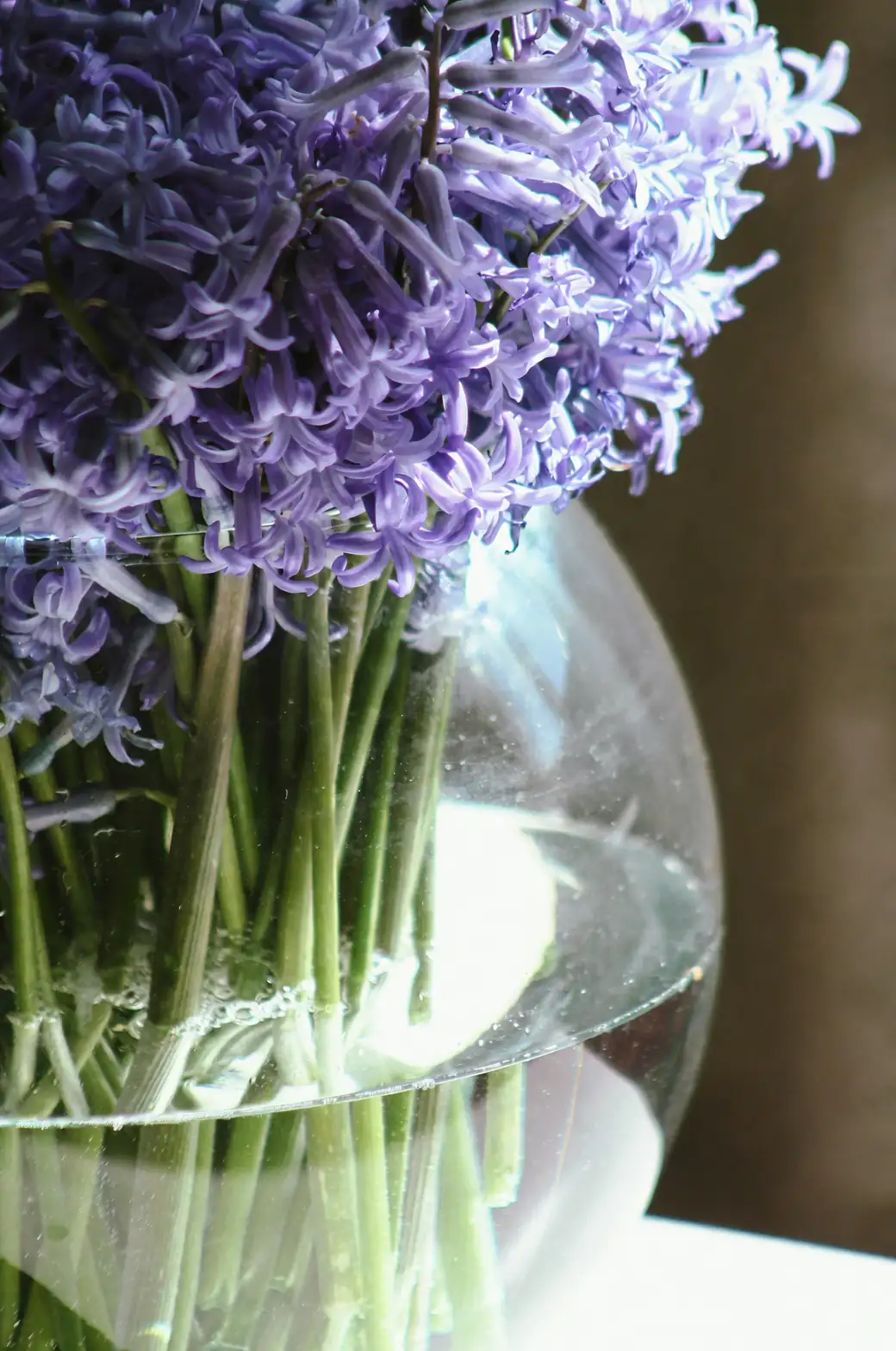
- Keep the water 1–2 cm (0.4–0.8 in) below the bulb base so only roots touch water. Change water regularly; a small piece of charcoal helps freshness.
Air, light, and temperature
- Bright light and cool temps extend bloom and suppress disease. Aim for roughly 5–18°C (41–64°F) in active growth; flowers are happiest around 15–18°C (59–64°F).
- Provide airflow and avoid crowding—stagnant, damp air invites Botrytis.
Planting and timing
- Plant in autumn so bulbs chill naturally outdoors, or provide a chilling period of roughly 12–14 weeks around 2–9°C (35–48°F) before forcing indoors.
- In containers, plant with the tip just at or slightly above the soil surface, and always use pots with drainage holes.
Feed to recharge (if you’re saving bulbs)
- Feed lightly while leaves are green after bloom (balanced liquid or seaweed every two weeks), then stop as foliage yellows. Avoid overfeeding in water culture.
Cleanliness is non-negotiable
- Remove and trash diseased tissue immediately. Disinfect tools (70% alcohol or 10% bleach). Don’t compost infected bulbs or Botrytis-laden debris.
Scout weekly
- Check undersides of leaves and inside the bud cluster for aphids; look for sticky honeydew or black sooty mold.
- Inspect for spotting or fuzz on petals after damp, cool spells—catching Botrytis early is half the battle.
Quick-reference: 5-minute fixes
- Soft, smelly bulb? Bin it. Repot survivors into gritty mix; water less.
- Gray fuzz after a rainy cold snap? Prune, bag, sanitize tools, increase airflow, keep blooms dry.
- Buds won’t open and leaves curl with sticky residue? Wash off aphids, use insecticidal soap on stems/leaves.
- Bulb feels dry/crumbly brown inside? Suspect bulb mites—discard bulb and mix; replant only clean, firm bulbs.
- Flowers show odd streaks not true to variety? Remove plant, sanitize tools, control aphids, buy clean stock.
Safety note
Hyacinths are toxic/irritant if eaten, with bulbs most concerning for people and pets. The sap can irritate skin—gloves are wise. The fragrance is wonderfully strong; in small rooms, crack a window for comfort.
A tiny aside: meaning and myth
Hyacinths have long signaled spring renewal and sincerity in the old “language of flowers,” though meanings shift by tradition: blue often for constancy, white for purity or silent love, pink for playfulness, red for passion, yellow for joy, and purple for sorrow or jealousy. The plant’s very name recalls the Greek tale of Hyacinthus—beloved of Apollo—whose tragic death gave rise to a memorial bloom. Beautiful story, but in the garden, practical love looks like sharp pruners, gritty soil, and a cool breeze.
Keep it cool, keep it draining, keep it airy—and your Dutch hyacinths will return the favor with a flawless, fragrant show.