

Imagine a living sculpture that perfumes the room and needs no soil at all—just bulbs, water, and a handful of pebbles. That’s the magic of Narcissus tazetta, the beloved paperwhite narcissus grown in bowls through winter, especially around Lunar New Year. Here’s your hands-on guide to the signature water-and-pebbles display: crisp waterline at the basal plate, impeccable hygiene to beat rot, and elegant arranging for a sculptural, long‑lasting centerpiece.
What you’ll need
- Narcissus tazetta (paperwhite) bulbs: firm, heavy, no soft spots or mold
- A shallow, stable bowl (no drainage holes); clear glass or ceramic both work
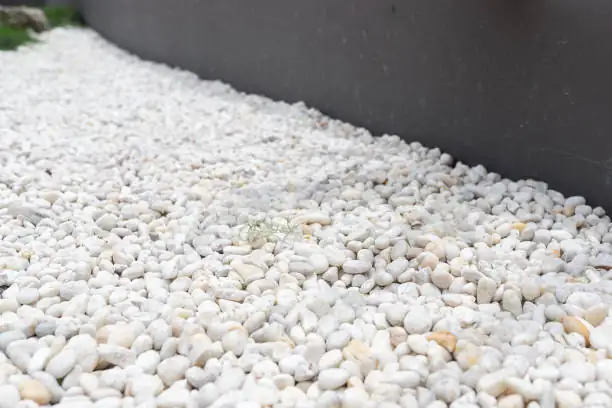
- Clean pebbles, gravel, or marbles (washed and sanitized)
- Fresh water
- Optional: a few natural twigs for discreet support, a small piece of activated charcoal (to help keep water sweet), and a bit of dry decorative moss for finishing touches (kept dry)
Tip: Larger bulbs generally flower more reliably. Choose the brightest, coolest spot you can offer indoors.
Why water-and-pebbles works
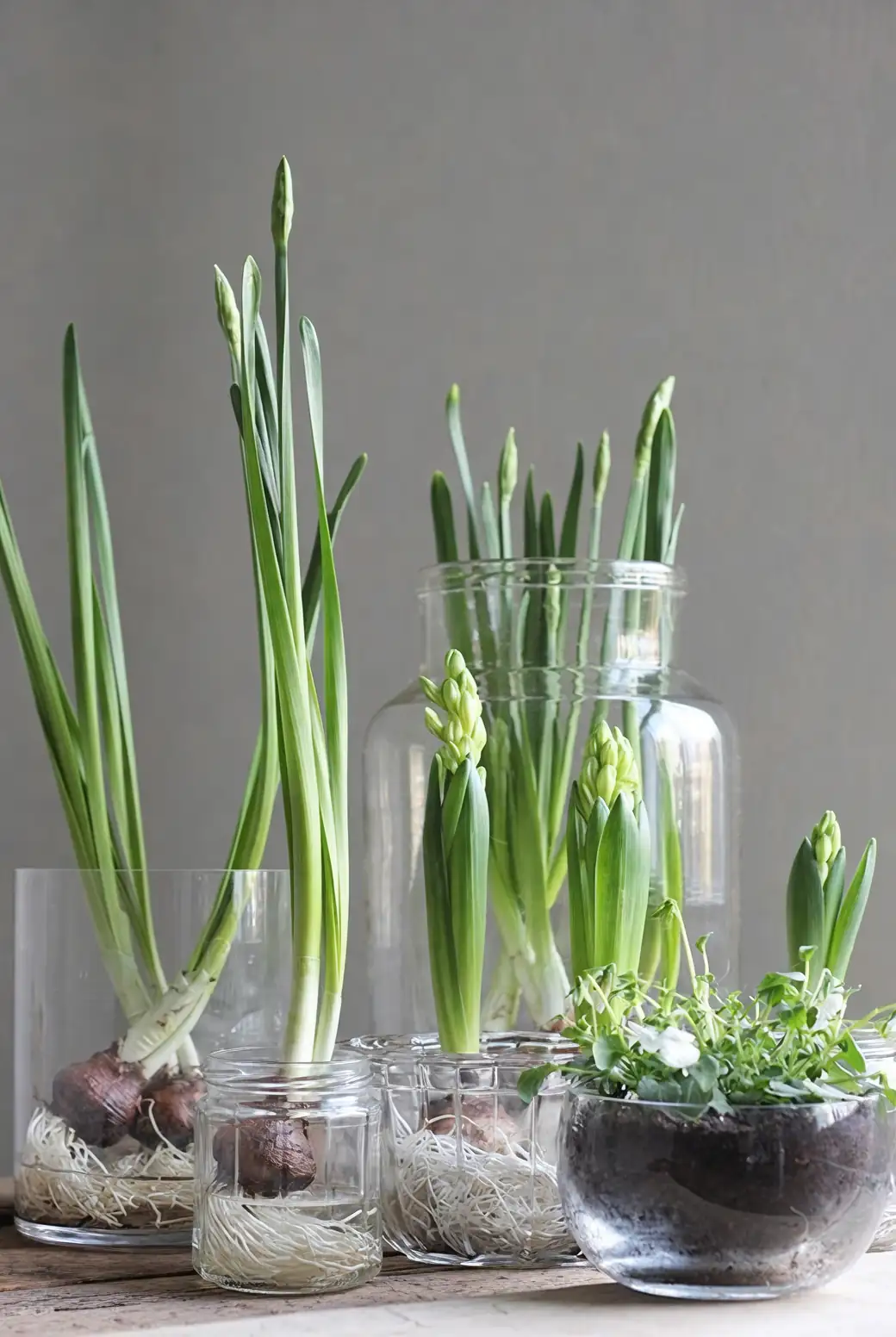
Paperwhites root readily without soil. The trick is to keep the bulb itself mostly dry while the roots drink. Let the water just kiss the basal plate—the flat “button” on the bulb’s underside where roots emerge. Roots in water, bulb in air: that’s the rot-proof rule.

Step-by-step: set the perfect waterline
- Prep your materials
- Wash the bowl and pebbles in hot, soapy water; rinse well.
- For extra hygiene, soak pebbles and bowl 10 minutes in a mild bleach solution (about 1 part household bleach to 10 parts water), then rinse thoroughly and air dry.
- Build the base
- Add a 2–4 cm (about 1–1.5 in) layer of pebbles.
- Nestle bulbs shoulder-to-shoulder, pointed tips up, with their bases resting flat on the stones. Tight spacing gives a lush look and helps stems support each other.
- Tuck more pebbles around them to lock each bulb in place, leaving the top third of each bulb exposed.
- Add water—carefully
- Pour water down one side until the level sits just at or slightly below the basal plate. Do NOT submerge the bulb body.
- Recheck the level after the first hour; pebbles settle.
- Light and temperature
- Grow cool and bright: 10–20°C (50–68°F) is ideal; 5–15°C (41–59°F) makes sturdier, shorter stems.
- Choose a bright east or south window with good airflow. Avoid radiators, hot vents, and hot, dim rooms that cause floppy stems.
Hygiene that beats rot
- Keep the bulb dry: If you splash the bulbs, blot them.
- Refresh schedule:
- Early phase (first 10–14 days): Refresh water frequently—daily top-offs or changes are common.
- Once roots are thick and buds are set: Change water about weekly.
- At each change: Swish the roots gently in fresh water to remove any slime. Rinse the bowl. If water ever looks cloudy or smells “off,” change it immediately.
- Airflow matters: Avoid stagnant, damp corners. Moderate humidity is fine, but don’t mist the flowers.
Optional helpers
- A small piece of activated charcoal tucked among pebbles helps keep water clear.
- If you practice traditional bulb carving or leaf shaping, let all cut surfaces dry (callus) in airy shade 12–24 hours before returning bulbs to the bowl, and rinse away any sticky sap. Then be extra fastidious with water hygiene.
Arrange a sculptural, perfume-filled centerpiece
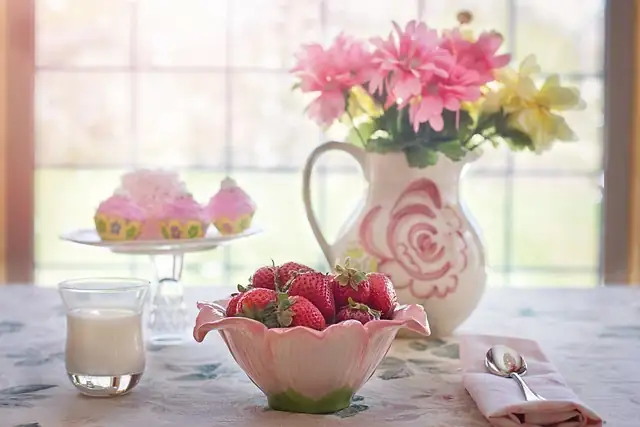
Think like a floral designer—your “stems” are living.
- Choose your container
- Low, wide bowls are classic and stable for coffee tables.
- Tall, cylindrical vases hold stems upright but still keep the bulb tops dry—great for minimalist displays.
- Compose the planting
- Use odd numbers (3, 5, 7) or a dense cluster for drama.
- Vary height by setting a few bulbs on slightly deeper pebble pockets so blooms tier naturally.
- Add discreet support: weave a small twig grid among the pebbles or slip in slender stakes near the rim to corral stems invisibly.
- Train for elegance (gentle is the rule)
- As leaves elongate, you can nudge them into soft arcs with loose loops of twine or floral wire—never kink or crease.
- For fan-shaped displays, guide leaves in one direction along a low twig rail.
- Avoid wetting open flowers; it spots petals and shortens the show.
- Finish clean
- Topdress dry areas with a ring of decorative stones or a whisper of dry moss. Keep all finishes dry so they don’t wick water onto the bulbs.
The day-by-day playbook (4–6 weeks to bloom)
- Days 0–7
- Set the bulbs on pebbles, bring water to the basal plate, and place in bright, cool light.
- Keep very clean; refresh water frequently. You’ll see roots begin to thread downward.
- Days 8–21
- Shoots lengthen; buds form. Keep the room cool (ideally 10–15°C / 50–59°F) and very bright for sturdy stems.
- Rotate the bowl every few days for even growth. Maintain the same shallow waterline.
- Weeks 4–6: Showtime
- Flowers open in clusters, perfuming the room.
- Keep them bright but protect from hot afternoon sun and heat above 25°C (77°F), which shortens bloom life.
- Deadhead individual spent florets to keep the display crisp.
Bloom timing note: Start new bowls every 2–3 weeks in winter to stagger a season-long display.
Troubleshooting (fast fixes)

- Tall and floppy?
- It’s almost always warmth plus low light. Move to the brightest window you have, keep cooler (5–15°C / 41–59°F), and give discreet support.
- Yellowing or mushy bulb base?
- Water crept too high or hygiene slipped. Lower the waterline to just kiss the basal plate, change water, and improve airflow.
- Leaves but no flowers?
- Bulbs may be immature, weakened, or were kept too dark. Choose larger bulbs and brighter, cooler conditions next time.
After the show: keep or compost?
- For a seasonal splash, many people retire the bulbs after bloom.
- Want to keep them?
- Snip spent flowers but leave foliage to photosynthesize for 6–8 weeks.
- Move bulbs from pebbles into a pot with free‑draining bulb mix; keep in bright light and lightly moist, feeding sparingly.
- In mild climates (roughly USDA Zone 8–10/11), plant outdoors to naturalize. Allow summer dormancy with drier conditions.
Safety, scent, and placement
- Toxicity: All parts, especially bulbs, are toxic to humans and pets if ingested. Keep out of reach; wash hands after handling.
- Scent: Paperwhites are famous for filling a room with fragrance. Place centerpieces where the perfume enchants without overwhelming—dining sideboards, entry tables, bright windowsills, or office reception desks away from direct heat.
- Humidity: Average indoor humidity is fine; avoid damp, stagnant corners.
Quick specs for success
- Light: Bright light to full sun indoors (aim for ~6 hours of strong light).
- Temperature: Cool to mild—about 10–20°C (50–68°F); cooler rooms yield sturdier stems and longer bloom.
- Waterline: Roots in water; bulb dry. Keep the water just at or slightly below the basal plate.
- Hygiene: Frequent water refreshes early; weekly once buds set. Clean containers prevent rot.
- Timing: Flowers in roughly 4–6 weeks after starting.
A brief note on symbolism and “flower language”
Narcissus tazetta is a winter emblem of renewal—spring arriving early on your windowsill. In East Asian traditions, water‑grown 水仙 is a cherished Lunar New Year display linked with good fortune and prosperity; artistic shaping of leaves and stems turns the plant itself into a symbol of elegance and auspice. In Western lore, the narcissus traces to the Greek myth of Narcissus and themes of self‑reflection—hence why “self‑love” often appears in flower‑language lists. Read poetically, paperwhites bridge those ideas: purity and fresh beginnings tempered by the reminder to look inward with balance.
Set your bulbs, mind the waterline, keep everything sparkling clean, and let this effortless sculpture unfurl—cool, bright, and beautifully fragrant.


