

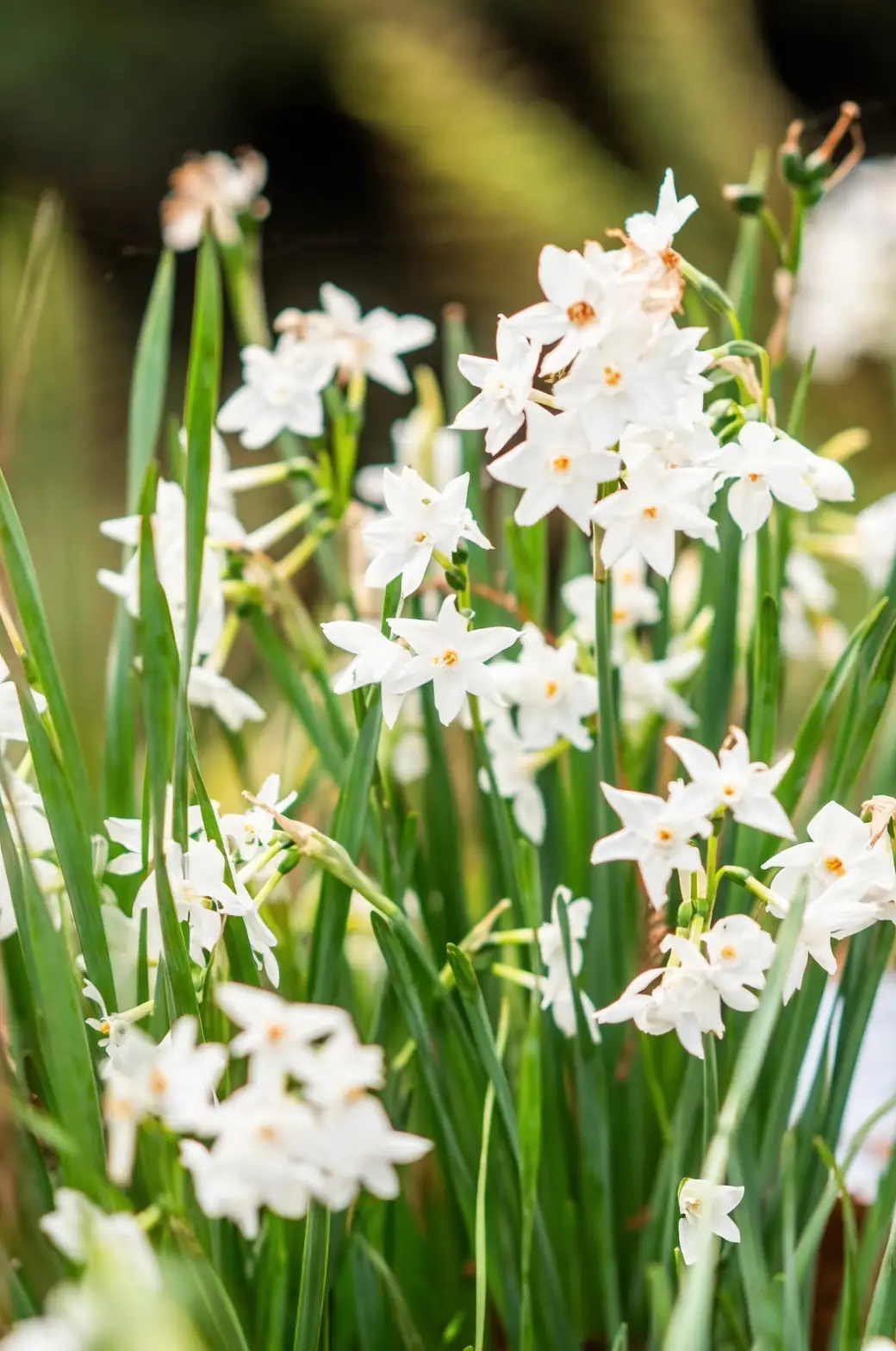
Fragrant, fast, and foolproof—that’s Paperwhite Narcissus (Narcissus tazetta), the classic “winter daffodil” that turns a windowsill into spring in 4–6 weeks. Want sturdy, compact stems instead of spaghetti sprouts? Here’s your punchy, step‑by‑step care plan, from light and cool temps to precise watering in soil or pebbles, with smart supports and a safe rundown of the famous diluted‑alcohol “paperwhite cocktail.”
Meet Narcissus tazetta (aka paperwhites, 水仙)
- What you get: Upright stems carrying clusters of small, starry, white blooms with a tiny cup and a room‑filling perfume.
- Height: Typically 20–45 cm (8–18 in) indoors; taller if warm or dim.
- Timeline: Bloom in about 4–6 weeks after starting.
- Best for: Easy winter indoor displays; perennial outdoors only in mild climates.
Light: bright, steady, and from the top
- Give them 6+ hours of strong light daily. A bright east or south window is ideal.
- Rotate the container every few days for even growth.
- Low light = stretched, floppy stems. Bright light keeps plants compact and sturdy.
Temperature: keep them cool for compact stems and longer bloom
- Sweet spot: 10–20°C (50–68°F) during growth and bloom.
- For the most compact plants: 5–15°C (41–59°F), especially for the first 2–3 weeks.
- Avoid heat above 25°C (77°F); warmth speeds stretch and shortens bloom life.
- Protect water‑grown bowls from freezing; keep above 0°C (32°F).
Two easy setups: pebbles vs. potting mix
Water-and-pebbles (the classic bowl)
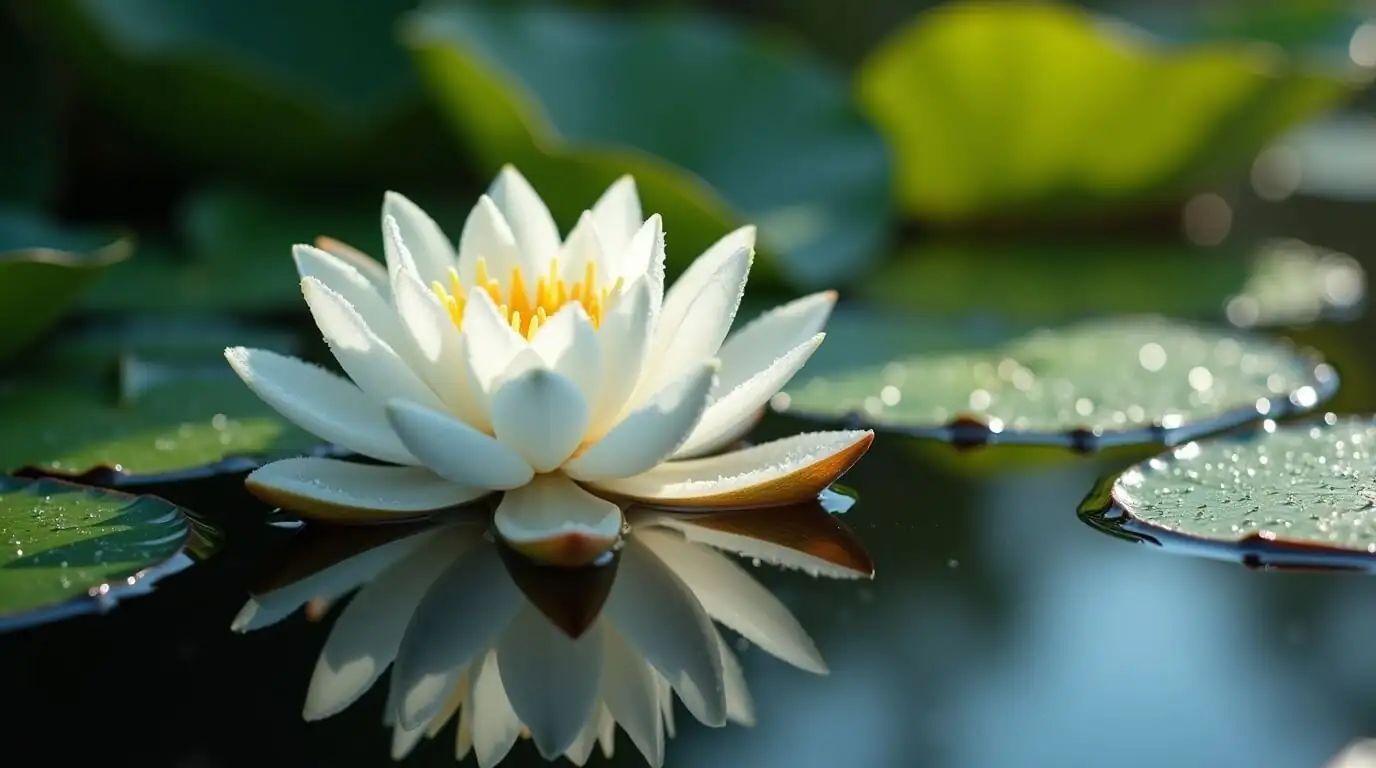
- Choose a shallow, stable bowl (no drainage) and rinse clean.
- Add 2–5 cm (1–2 in) of clean pebbles or gravel.
- Nestle bulbs pointy side up, shoulder‑to‑shoulder for mutual support.
- Add water to just touch or sit slightly below the basal plate (root end). Roots in water; bulb mostly dry.
- Move to bright, cool light and excellent airflow.
Pro tips:
- Keep the container immaculate—fresh water prevents rot.
- Early on, refresh water frequently (even daily); once buds form, weekly is usually enough.
- Never submerge the bulb—only the roots.
Potting mix (sturdier, longer runway)
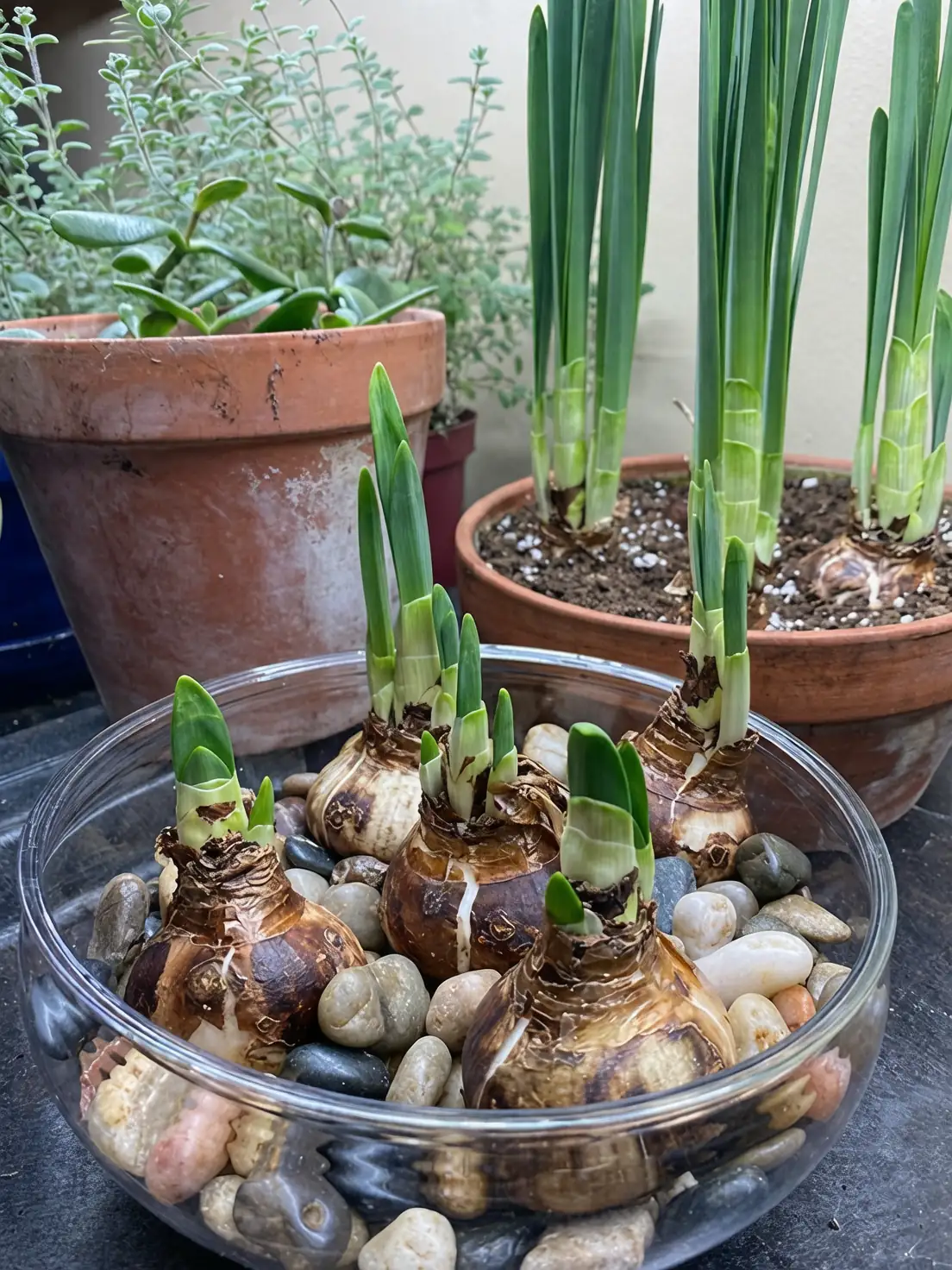
- Choose a pot with drainage holes.
- Use a free‑draining bulb mix: about 2 parts potting mix to 1 part grit/gravel.
- Plant bulbs close together with the top third exposed.
- Water once to settle; then keep just barely moist in cool conditions.
Pro tips:
- Don’t let the pot stand in a saucer of water.
- Neutral to slightly acidic soil is fine.
- Group 5–8 bulbs per 10–20 cm (4–8 in) pot for a fuller, self‑supporting display.
Watering, exactly right
If grown in pebbles
- Maintain a shallow water line: roots wet, bulb dry.
- Change water often (daily early on; then about weekly after buds form).
- Rinse away any sap if you carved/trained bulbs; keep pebbles and bowls squeaky clean.
If grown in soil
- Keep evenly, lightly moist—never soggy.
- Water when the surface dries slightly. Good drainage is non‑negotiable.
- Reduce watering as foliage yellows after bloom; bulbs prefer a drier rest.
The compact‑stem playbook (before you ever reach for stakes)
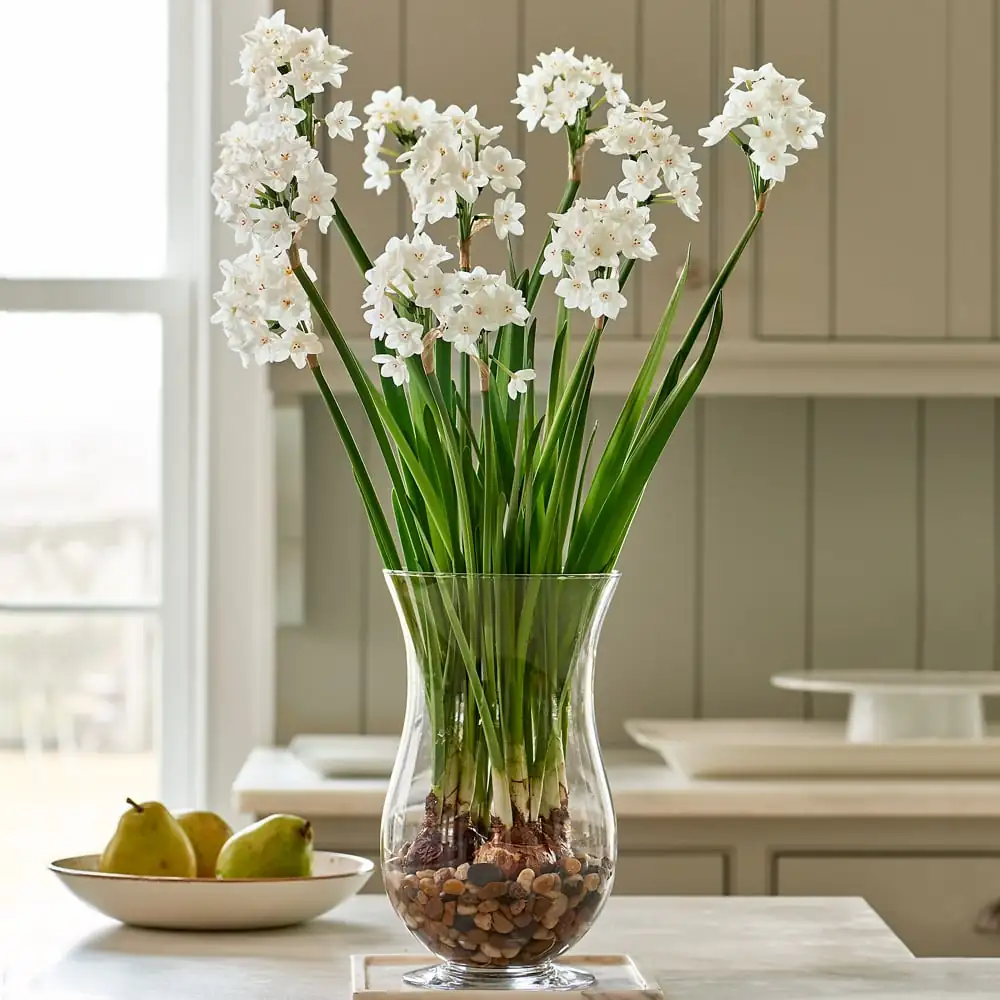
- Cool + bright = short internodes and sturdy stems. This is the biggest win.
- Pack bulbs closely so they support one another.
- Use a tall‑sided vase or “hurricane” to discreetly corral stems.
- Create a twig armature (birch, willow, curly hazel). Weave leaves and stems through for invisible support.
- Add a soft “corset”: a loose ring of twine or a discreet florist hoop around the leaves.
- Rotate the container to prevent leaning.
- Consider the “paperwhite cocktail” (details below) to safely limit height.
The safe “paperwhite cocktail” guide (diluted alcohol hack)
This well‑tested trick gently “pickles” growth so stems stay 20–40% shorter without sacrificing blooms—especially handy for water‑grown bowls.
When to start:
- Begin once shoots reach 5–8 cm (2–3 in). Root in plain water first.
What to use:
- Clear spirits (vodka, gin) or rubbing alcohol (isopropyl). Never beer or wine (too many sugars) or denatured/treated fuels.
Target final alcohol in the water: 4–6% (sweet spot for compact plants)
Easy mixes:
- 40% ABV spirits (80‑proof vodka/gin): 1 part spirit to 7 parts water ≈ 5%.
- 37.5% ABV spirits: 1 part spirit to 6.5 parts water ≈ 5–5.5%.
- 70% isopropyl: 1 part alcohol to 10–11 parts water ≈ ~5.8–6.4% (err on the weaker side if unsure).
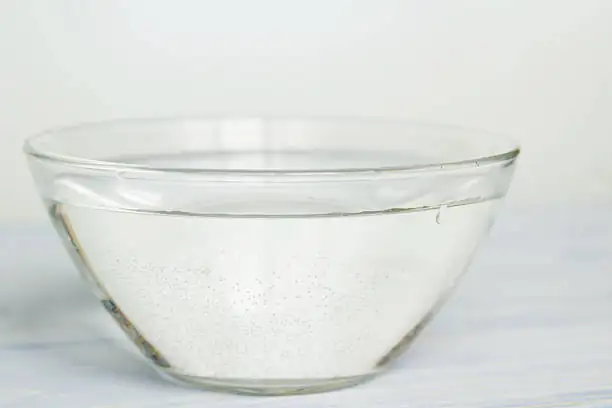
How to apply:
- Water‑and‑pebbles: Keep the solution at the usual shallow level (roots wet, bulb dry). Refresh regularly like normal water.
- In soil: Water thoroughly with the solution, then let excess drain; don’t leave it sitting in a saucer.
Safety notes:
- Label your container; keep away from kids, pets, and open flames.
- If foliage scorches, your mix was too strong—switch back to plain water and dilute more next time.
Staking, if you still need it
- Use slim bamboo or decorative branches; insert between bulbs—not through them.
- Tie loosely with twine, raffia, or a soft ribbon; avoid strangling leaves.
- A low, removable ring/hoop around the foliage also works.
- Bonus: branches add a natural look and extra scent diffusion.
After flowering: one‑and‑done or keep the bulbs?
- For a seasonal display, compost responsibly (not where pets can dig) and start fresh next winter.
- To keep bulbs:
- Snip spent flowers (don’t let them set seed).
- Keep leaves growing in bright light for 6–8 weeks; feed lightly every two weeks at half strength if in soil.
- Reduce water as leaves yellow, then allow a dry, airy dormancy.
- In mild climates (roughly USDA Zones 8–10/11), plant outdoors in well‑drained sites. In colder regions, store bulbs cool and dry, or treat as indoor‑only seasonal bulbs.
- Offsets may take 2–3 years to reach flowering size.
Quick troubleshooting
- Tall and floppy: It’s almost always warmth + low light. Move to the brightest window, keep in the 5–15°C (41–59°F) range, rotate, and consider the cocktail.
- Leaves but no flowers: Bulbs too small/young, foliage cut too early last season, overcrowded clumps, or not enough light. Most tazettas don’t require chilling.
- Rot or smelly water (in bowls): Water too high, stale water, or warmth. Lower the waterline, refresh more often, and improve airflow.
- Aphids: Rinse off or use a gentle insecticidal soap. Keep things clean and cool.
Buying better bulbs
- Pick firm, heavy bulbs with intact papery skins—no soft spots, mold, or nicks.
- Bigger bulbs flower more reliably. Handle sprouted stems gently; they can snap if bumped.
Safety first
- All parts are toxic (especially the bulbs) to people and pets. Ingestion can cause nausea, vomiting, diarrhea, drooling, and abdominal pain. Sap may irritate skin.
- Keep out of reach of children, dogs, and cats. Wash hands after handling.
Scent, style, and smart displays
- Fragrance varies by variety and nose—some find it sweet, others musky. Place in a cool, bright, well‑ventilated spot (and maybe not right at the dining table).
- For cut arrangements, condition paperwhite stems separately first—their sap can shorten the life of other flowers.
A note on symbolism (flower language)
- From the Greek myth, Narcissus invokes reflection and self‑regard, a cautionary tale about vanity.
- In East Asian winter traditions, 水仙 symbolizes renewal, prosperity, and best wishes for the New Year—why you’ll see sculptural bowls gracing holiday tables.
- Like all “flower language,” meanings are cultural and poetic, not botanical—but they do explain why gifting these winter blooms feels so hopeful.
Grow them bright, keep them cool, water precisely—and if needed, give them a tiny, well‑measured “cocktail.” Your paperwhites will reward you with compact stems and weeks of luminous, perfumed bloom.


