

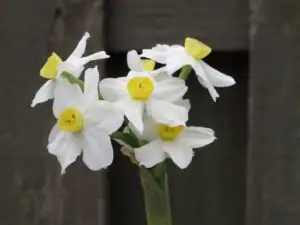
If you love a fragrant winter-to-spring show and a garden the deer skip right over, Narcissus tazetta—paperwhite narcissus—belongs in your plan. Outdoors in mild climates, these sweetly scented, multi-flowered daffodils light up late winter and early spring, then slip into a dry summer rest. The design key is simple: give the bulbs excellent drainage, layer scents thoughtfully, and mix with other deer-shunned beauties so your beds stay pristine.
Meet Narcissus tazetta outdoors
- Habit: Bulbous perennial with narrow, blue-green strappy leaves and stout stems topped with clusters of starry blooms, usually white with a small cup.
- Season: Late winter to early spring outdoors (winter to spring overall).
- Scent: Strong, sweet perfume—one of the earliest garden fragrances of the year.
- Wildlife note: Deer generally avoid them; bulbs and sap are toxic.
- Growth rhythm: Grows and flowers in cool seasons; rests dry in summer.
Zone notes: where paperwhites shine (USDA 8–10)
- Zone 8: Plant in sun with fast drainage and protect from hard freezes below about 23°F (-5°C). A light frost blanket on the coldest nights helps in exposed spots.
- Zones 9–10: Ideal. Use raised beds, gravelly soils, and summer-dry irrigation regimes. Paperwhites don’t need a long chill—what they need is to stay dryish in summer.
- Colder than Zone 8? Grow in containers you can shelter on freezing nights, or enjoy them as easy indoor winter bulbs.
Design for drainage first (and win on bloom quality)
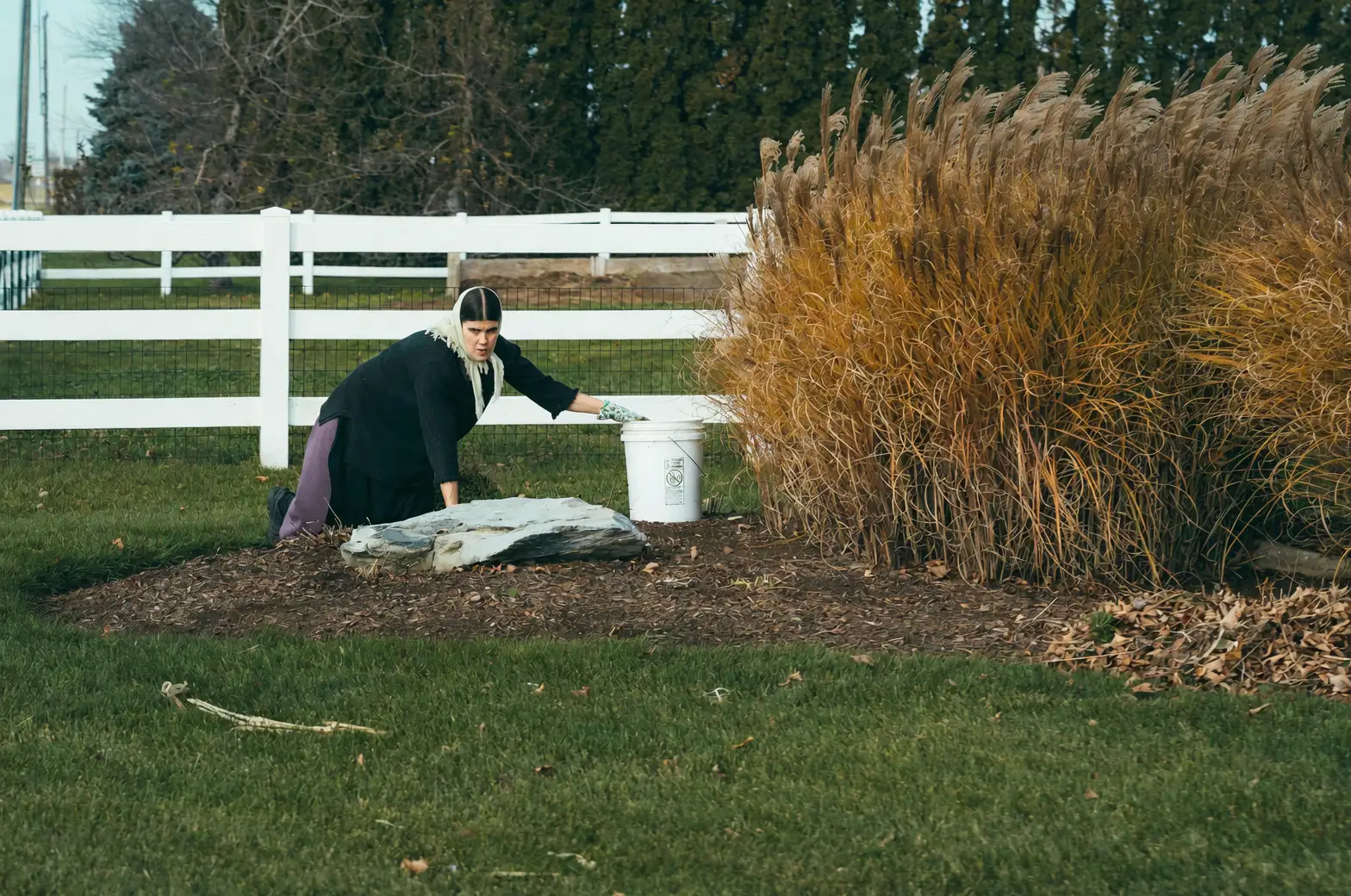
Paperwhites adore moisture during cool growth but hate standing water. Build the bed so winter rains move through quickly and summer stays airy and lean.
- Site and shape
- Choose a sunny, open spot that dries out after rain; avoid frost pockets.
- Build a low berm or raised strip (10–20 cm / 4–8 in high) so water sheds fast.
- Slight slopes and rock-garden pockets are perfect.
- Soil recipe (for in-ground beds)
- Aim for a loose, gritty, free-draining mix: roughly 2 parts loam or composted topsoil, 1 part sharp grit/pumice or small gravel. Avoid mixing builder’s sand into heavy clay (it compacts).
- Top-dress with 1–2 in of gravel mulch to keep necks dry and warm the soil in late winter.
- Containers
- Use a fast-draining bulb mix (about 2 parts potting mix to 1 part grit).
- Ensure generous drainage holes and keep saucers empty.
Fragrance layering without overwhelming the senses
Paperwhite perfume is luscious—and potent. Layer scents to create waves rather than a wall of fragrance.
- Temper and complement
- Pair with resinous, herbal evergreens that love drainage and deter deer:
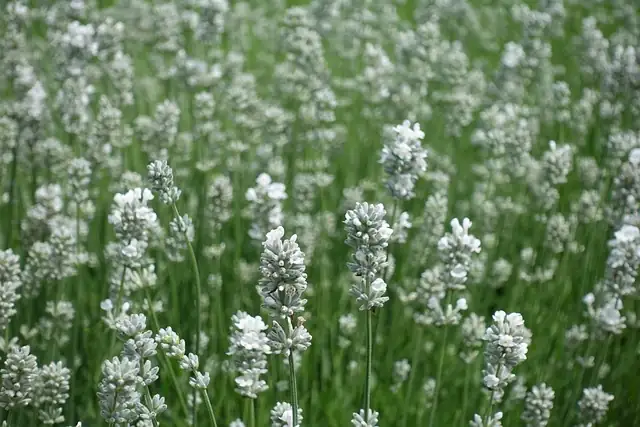
- Lavender (Lavandula spp.): airy, clean notes that cut the sweetness.
- Rosemary (Salvia rosmarinus): citrus-pine lift; plant near seating to brush against.
- Santolina, artemisia: crisp, silvery foliage that visually cools and subtly scents.
- Extend the season
- Early to mid: Paperwhites kick off the show.
- Mid: Add grape hyacinths (Muscari) or small tazetta cousins for soft follow-on perfume.
- Later: Dianthus (pinks) bring clove-spice notes as spring warms, still largely deer-resistant.
- Place for airflow
- Site near paths and entries where breezes can dissipate intense scent and refresh blooms.
The deer-resistant, drainage-loving companion palette
Build a mix that thrives on sun and sharp drainage, smells wonderful, and shrugs off browsing.
- Evergreen structure
- Lavender, rosemary, santolina, artemisia, teucrium (germander), cistus (rockrose).
- Foliage foils (silver/blue that pop against white blooms)
- Helictotrichon (blue oat grass), Stipa tenuissima (Mexican feather grass), compact artemisias.
- Spring bulbs to weave in
- Muscari (grape hyacinth): reliable, deer-resistant, and happy in gravel.
- Select tazetta and miniature daffodil forms for continuity of look and habit.
- Hyacinths for an extra dose of fragrance where winters are mild-to-cool.
- Mediterranean annual accents (optional, for shoulder seasons)
- Sweet alyssum along edges (low, honeyed scent), where deer pressure is light to moderate.
Avoid pairing with deer magnets—tulips, crocus, and daylilies—if browsing is intense.
How to plant (and avoid overcrowding from day one)
Paperwhites increase slowly by offsets and can pack themselves tight over time. Start with smart spacing.
- Layout and spacing
- Plant in natural-looking drifts of 5–12 bulbs.
- Space bulbs about 3 bulb-widths apart; plant 2–3 times the bulb’s height deep.
- Stagger clusters among drought-tolerant perennials rather than making one dense, continuous mass.
- “Lasagna” layering, with caution
- If you stack bulbs at different depths, keep the total count light. Use small, shallow-rooted companions (thyme, creeping oregano) so bulbs aren’t smothered.
- After flowering
- Deadhead spent blooms, but keep leaves until they yellow completely (often 6–8 weeks). Those leaves recharge next year’s flowers.
- Reduce water as foliage fades; bulbs prefer a dry summer rest.
- Every 4–5 years (or if flowering declines)
- Lift and divide clumps during dormancy. Replant the largest offsets at proper spacing; small offsets may take 2–3 years to bloom.
Two easy bed recipes (Zones 8–10)
The crisp, coastal strip
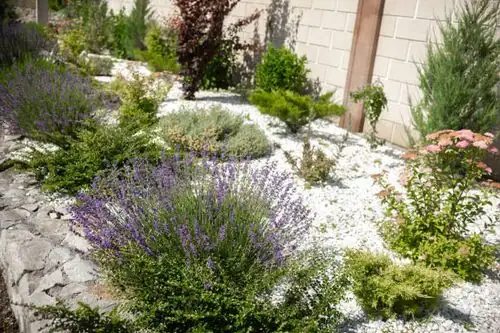
- Structure: 3 lavender mounds + 2 rosemary standards for height.
- Bulbs: 15–25 Narcissus tazetta planted in loose drifts between shrubs.
- Fillers: Santolina and creeping thyme as living mulch.
- Mulch: 1–2 in gravel.
- Result: Year-round texture; winter-spring white stars and perfume; summer silver calm.
The front-walk fragrance ribbon
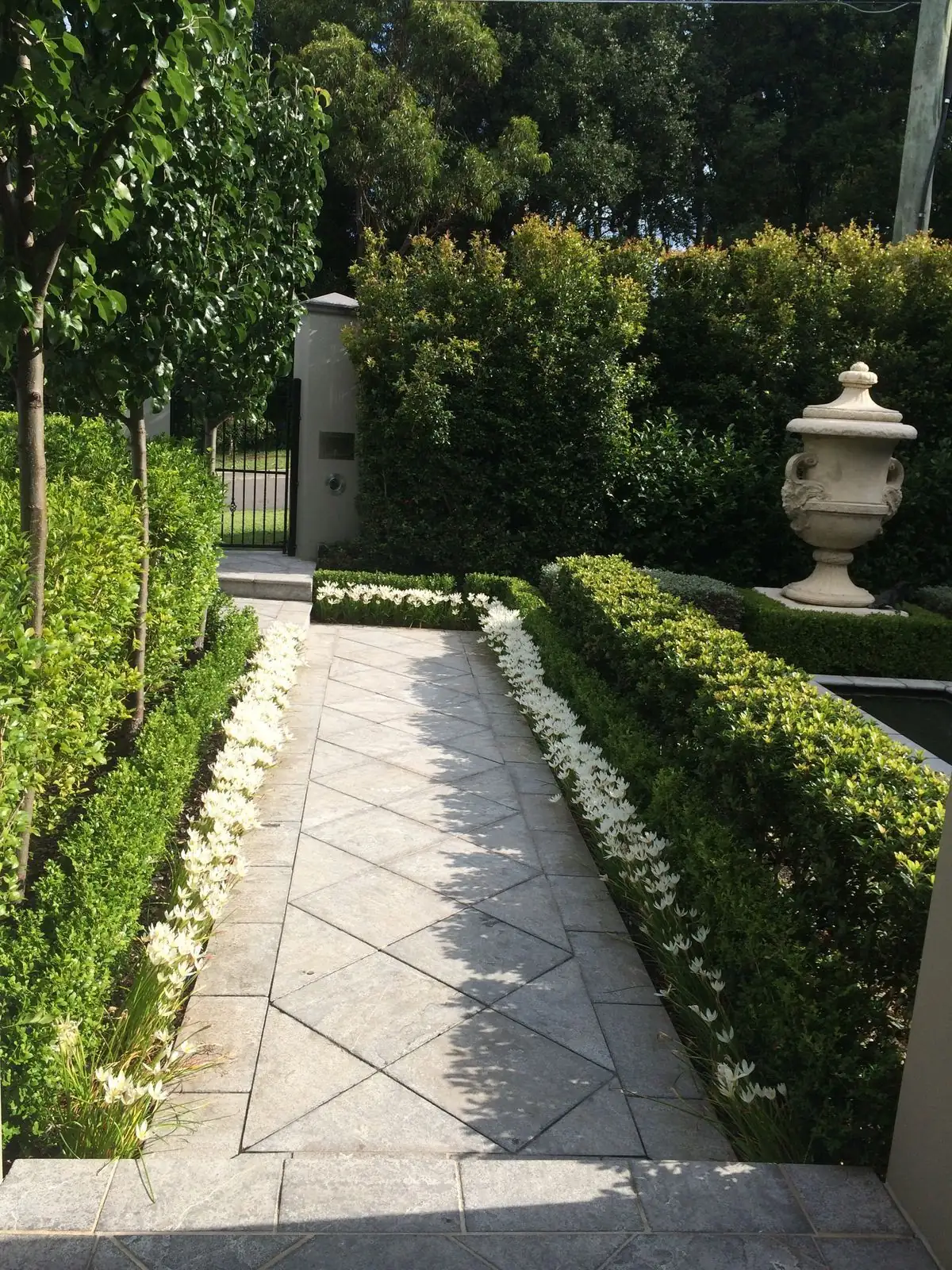
- Structure: A clipped germander hedge (low).
- Bulbs: Paperwhites in pockets every 18–24 in along the hedge front.
- Companions: Muscari tucked between bulb clusters; Dianthus spaced for mid- to late-spring scent.
- Notes: Airflow from the walkway keeps fragrance balanced; deer keep walking.
Watering and feeding, tuned for bulbs
- Cool season (active growth): Keep soil lightly moist, never waterlogged.
- After bloom: Light feeding every ~2 weeks while leaves remain green helps recharge.
- Summer: Go dry. Overwatering in heat invites rot and shortens bulb life.
Light and temperature pointers
- Light: Full sun to bright light is best; partial shade is tolerated, but low light causes tall, floppy stems.
- Temperature: Cool-to-mild is ideal (50–68°F / 10–20°C) during growth; sustained heat above 77°F (25°C) shortens bloom. Protect from hard freezes below ~23°F (-5°C).
Quick troubleshooting
- Floppy stems? It’s usually low light and warmth. Move to brighter, cooler conditions.
- Leaves, no flowers? Causes include too-young bulbs, shade, cutting foliage early, or severe crowding.
- Rot or failure to return? Improve drainage, reduce summer water, and refresh overcrowded clumps.
Safety first
- All parts are toxic—especially bulbs. Keep away from pets and children, and wear gloves if sap irritates your skin. Deer resistance comes with a reason.
A simple planting checklist
- Choose a sunny, fast-draining site or raised bed.
- Mix in grit/pumice for drainage; top-dress with gravel.
- Plant clusters at 2–3× bulb height deep and 3 bulb-widths apart.
- Combine with lavender, rosemary, santolina, artemisia, and Muscari for a deer-proof, fragrant tapestry.
- Deadhead, let foliage yellow naturally, then go summer-dry.
- Divide every few years to keep blooms abundant and avoid overcrowding.
Do this once, and each late winter your garden will breathe out a clean, perfumed sigh—paperwhites sparkling through silver foliage, with deer passing by as if you’d planted nothing at all.


