

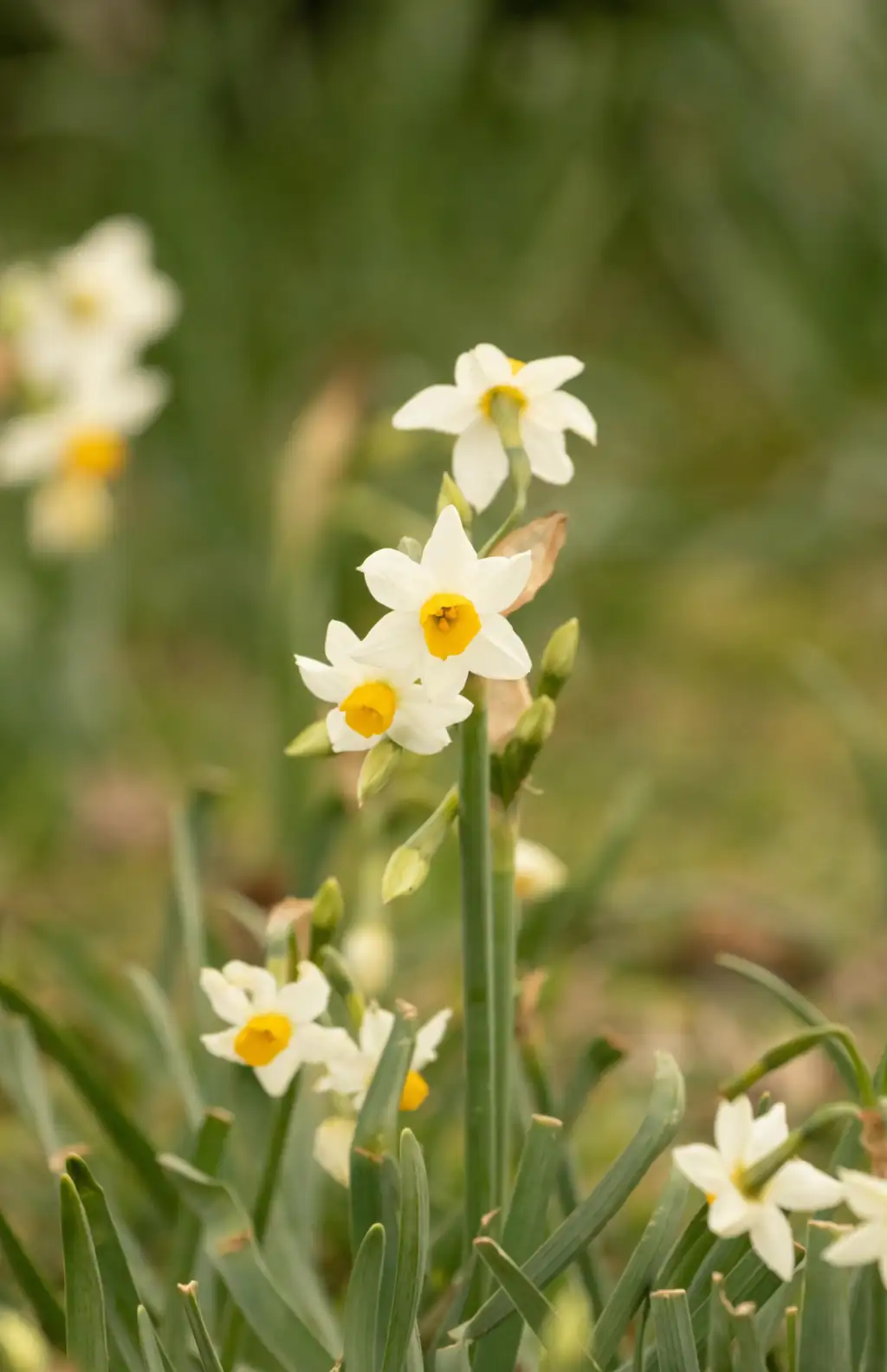
Paperwhite narcissus (Narcissus tazetta) is the winter star that perfumes a room in weeks—but the same cozy, wet, low‑light conditions we love indoors are exactly what rot, molds, and pests love too. Here’s your pro‑level, fast‑acting guide to spot problems early, fix what’s fixable, and keep your bulbs clean, cool, and blooming.
Start here: Conditions that prevent 90% of problems
- Light and temperature: Bright light to full sun and cool air are your best friends. Aim for 10–20°C (50–68°F); 5–15°C (41–59°F) is ideal for compact growth. Warmth + dim light = floppy stems and faster rot.
- The “roots wet, bulb dry” rule:
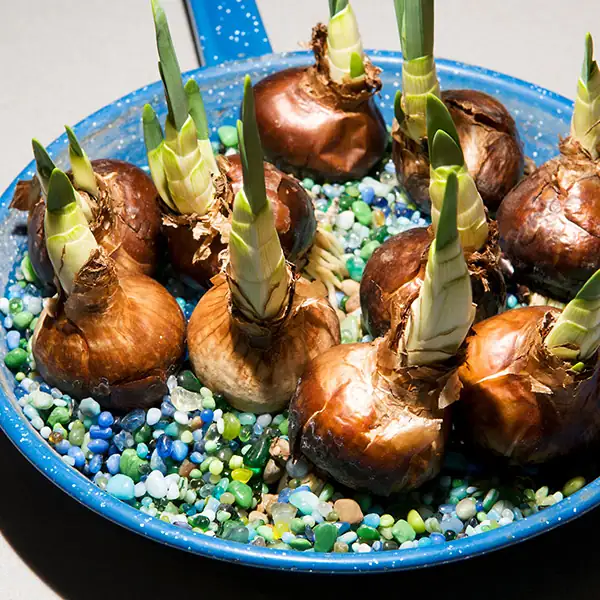
- Water culture: Set bulbs on clean pebbles; keep water just at or slightly below the basal plate. Roots in water, bulb mostly dry.
- Pots: Use a very free‑draining bulb mix and never leave pots standing in water.
- Airflow hacks:
- Space bulbs so leaves aren’t crammed; avoid tall glass cloches.
- Run a small fan on low across the room (not blasting the flowers).
- Elevate bowls on a trivet or slatted shelf so air moves under the container.
- Hygiene basics:
- Rinse bowls and pebbles before use; refresh water often (daily early on, then weekly once buds form).
- Sterilize tools with 70% alcohol or a 10% bleach dip (then rinse and dry).
- Handle bulbs gently to avoid wounds that invite Penicillium and mites.
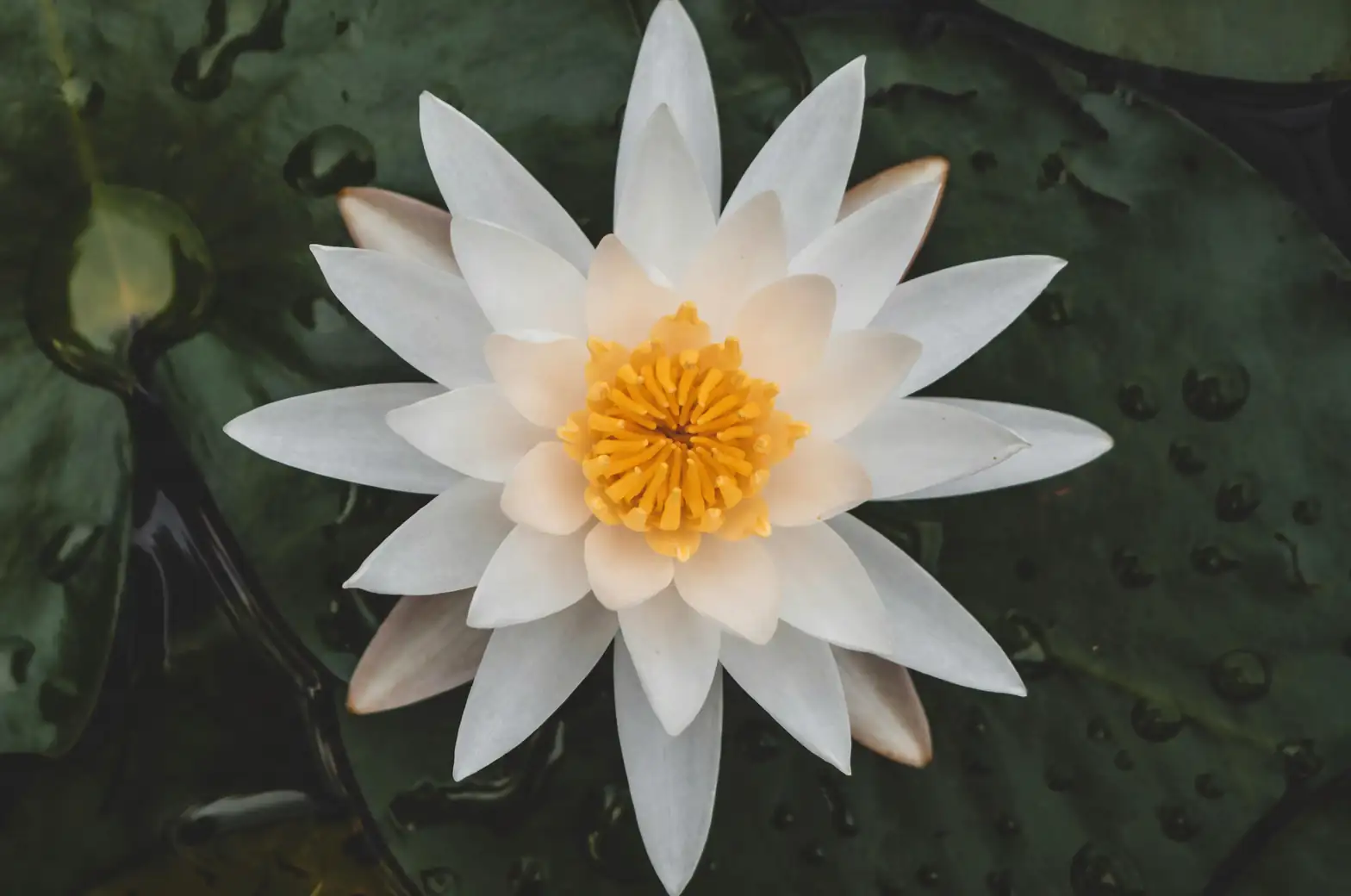
Quick IDs and pro fixes
1) Bulb rot (wet, mushy, foul smell)

What you’ll see
- Base of bulb soft, tan to brown, water‑soaked; may smell sour.
- Leaves collapse from the base; water culture turns cloudy fast.
- Often triggered by warmth and overwatering/stagnant water.
Act now
- Water culture:
1) Lift the bulb, rinse roots, and remove all mushy tissue to firm, white areas with a sterile blade.
2) Let the cut surfaces dry and callus in bright, airy shade for 24–48 hours.
3) Reset on fresh, scrubbed pebbles with shallow, clean water touching roots only.
- Potted plants:
1) Unpot; trim away rot; discard old mix.
2) Replant in fresh, gritty bulb mix and keep barely moist.
- If the whole basal plate is soft or the rot keeps spreading, discard the bulb—don’t compost.
Prevent next time
- Keep bulbs cool and bright; never submerge the bulb body.
- Refresh water frequently; in pots, ensure excellent drainage and avoid saucers of standing water.
2) Penicillium blue mold (the “powdered sugar in blue‑green” look)
What you’ll see
- Blue‑green to gray fuzz on stored bulbs or on damaged scales.
- Dry, punky rot that creeps from wounds; often follows rough handling or mite damage.
Act now
- Isolate affected bulbs.
- Peel off loose, moldy outer scales to firm tissue.
- Allow to dry and callus in a ventilated, lightly shaded spot 24–72 hours.
- Lightly dusting cut areas with sulfur (if on hand) can help, but the critical step is drying + airflow.
- If the bulb is lightweight, hollow, or the basal plate is compromised, discard.
Prevent next time
- Buy firm, heavy bulbs with intact skins.
- Store dry and airy; avoid crowding or plastic bags.
- Sterilize blades; handle gently to prevent nicks.
3) Aphids (sticky sap and misshapen buds)
What you’ll see
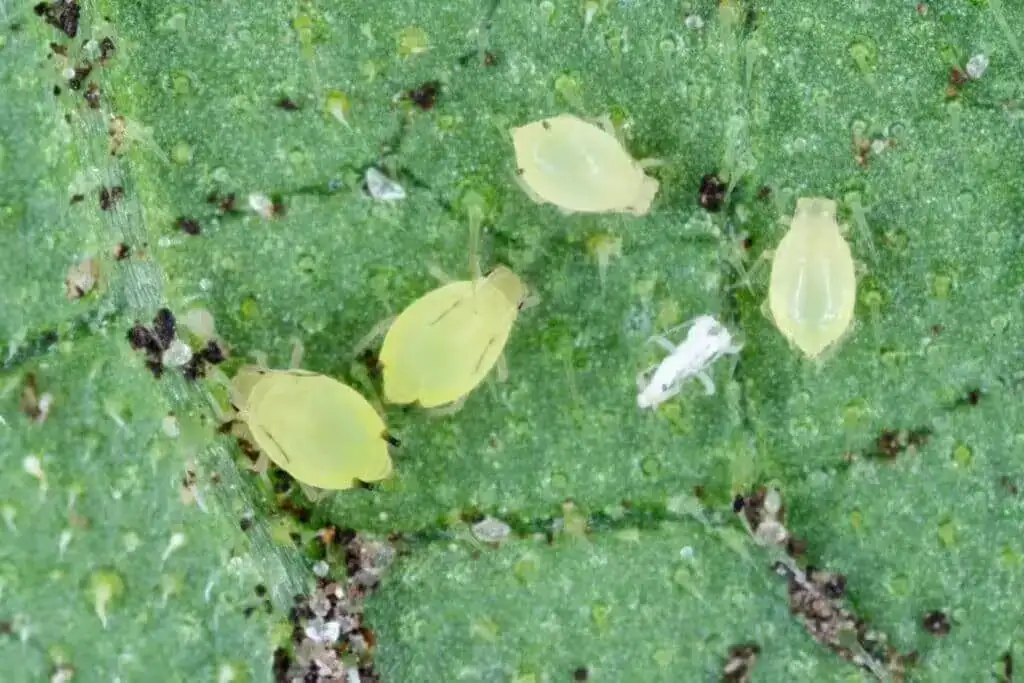
- Clusters of soft, pear‑shaped insects on buds, scapes, and leaf tips.
- Sticky honeydew, sooty mold, and sometimes curled or stunted buds.
- Indoors, they arrive on bouquets or houseplants; outdoors, they migrate in spring.
Act now
- Quarantine the pot.
- Wipe or rinse aphids from foliage (avoid wetting open flowers to prevent spotting).
- Treat foliage (not blooms) with insecticidal soap or neem oil; repeat every 5–7 days until gone.
- Remove badly infested buds before they open.
Prevent next time
- Strong airflow deters colonization.
- Inspect new plants; keep ants away outdoors (they farm aphids).
- Bonus: controlling aphids also limits the spread of plant viruses among bulbs.
4) Bulb mites (tiny saboteurs that love damp, damaged bulbs)
What you’ll see
- Slow, weak growth; bulbs feel corky at the base, with brown pits or powdery scales.
- Often partners‑in‑crime with Penicillium and Fusarium after mechanical injury.
Act now
- Discard bulbs with extensive basal plate damage.
- For minor, early issues: peel compromised scales, let the bulb dry/callus 48–72 hours, then replant in fresh, dry, free‑draining conditions.
- Clean and replace media; sterilize containers and tools.
Prevent next time
- Start with clean, undamaged bulbs and keep storage cool, dry, and ventilated.
- Avoid overwatering and stagnant water in bowls or pots—mites explode in damp.
5) Narcissus bulb fly (Merodon equestris and small bulb flies)
What you’ll see
- Bulbs that push a couple of grass‑like leaves, no flowers, then collapse.
- The center of the bulb eaten out and packed with muddy frass; often one big maggot (large bulb fly).
- Small bulb flies usually invade bulbs already damaged by rot or wounds.
Act now
- Lift suspicious bulbs; if the center is hollow with frass and a larva, discard the bulb (most are not salvageable).
- If you must try a rescue: cut out the larva and all affected tissue to firm white; dust and dry thoroughly; you may save peripheral offsets—but success is slim.
Prevent next time (especially outdoors)
- Plant at proper depth in free‑draining sites; avoid leaving damaged bulbs exposed.
- After flowering, keep foliage healthy until it yellows, then clear debris quickly.
- Where bulb fly pressure is high, consider physical barriers (mesh over newly planted bulbs) during adult flight in late spring/early summer.
- Keep bulbs vigorous: healthy bulbs are less attractive to secondary pests.
Pro hygiene and airflow routines
During forcing (weeks 1–6)
- Water culture: change water often—daily the first week, then weekly once roots and buds are established.
- Pots: water lightly; never let the mix stay sodden. Empty saucers.
- Fan on low across the room; rotate containers for even light.
After flowering (if keeping bulbs)
- Deadhead spent flowers promptly; keep leaves until fully yellow (6–8 weeks).
- Lightly feed in pots during this green period if you plan to keep them long term.
- Reduce watering as leaves fade; allow a dry, airy dormancy.
Storage and prep
- Clean bowls, pebbles, and tools. Pebbles can be boiled or soaked in 10% bleach, then rinsed well.
- Store dry, at cool room temps with airflow; inspect monthly and cull any that soften or mold.
Fast triage: keep, quarantine, or discard
- Keep and monitor:
- Firm bulbs with superficial surface mold that peels away; plants with a few aphids.
- Quarantine and treat:
- Early, localized rot you can cut back to firm tissue; light mite or aphid issues.
- Discard immediately (do not compost):
- Mushy bulbs with a rotten basal plate; bulbs hollowed by a larva; blue‑green mold that’s deep into the scales; anything foul‑smelling and collapsing.
Wear gloves if your skin is sensitive—narcissus sap can irritate—and keep bulbs away from kids and pets. All parts are toxic if ingested.
Rescue playbook (step‑by‑step)
1) Isolate the plant.
2) Inspect the bulb and roots; decide if tissue is still firm enough to save.
3) Sterilize tools; remove all compromised tissue.
4) Dry and callus the bulb 24–72 hours in bright, airy shade.
5) Replant on fresh, clean pebbles or in new, gritty mix; keep water shallow and clean.
6) Improve light and airflow; keep cool.
7) Recheck in 3–5 days. If rot resumes, discard.
Prevention for your next round of blooms
- Buy big, firm bulbs with intact skins—no soft spots, mold, or pest scars.
- Indoors, keep them cool and very bright for sturdy stems and long‑lasting flowers.
- Use fresh media and clean containers every season.
- Divide overcrowded clumps during dormancy; offsets may need 2–3 years to bloom.
- Skip high‑nitrogen fertilizers; if you’re keeping bulbs, use a light, balanced feed while leaves are green after bloom.
Quick symptom-to-solution cheatsheet
- Sticky leaves, ants, distorted buds → Aphids → Quarantine; wipe; insecticidal soap; boost airflow.
- Blue‑green powder on dry scales → Penicillium blue mold → Peel to firm tissue; dry/callus; discard if deep.
- Mushy, smelly base; collapsing leaves → Wet rot → Cut back to firm tissue and callus; reset with better drainage/shallower water; discard if basal plate gone.
- Slow, weak growth; corky pits at base → Bulb mites → Discard badly affected; dry storage; fresh, well‑drained setup.
- Grass‑like leaves, no bloom; bulb center hollow with frass → Bulb fly → Discard; protect and tidy plantings to prevent.
A short note on “flower language”
Narcissus carries two powerful, and very different, cultural stories:
- Renewal and good fortune: In East Asia, 水仙 (paperwhite/tazetta types) are classic winter and Lunar New Year plants—fresh green leaves and pure white blooms signaling renewal, prosperity, and a thriving home.
- Self‑reflection: In the Greek myth, Narcissus falls in love with his reflection; later tellings linked the flower with self‑regard. Think of this as a literary overlay, not a horticultural trait—your paperwhites are more about bright beginnings than ego.
Keep them cool, clean, and airy, and your water‑bowl bouquet will be all perfume and sparkle—no drama.


