
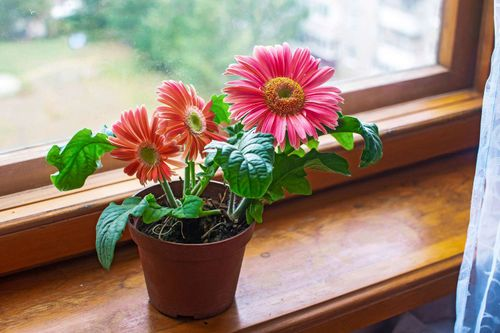
Gerbera jamesonii, better known as the Gerbera Daisy or Barberton Daisy, brings instant good mood to a room—big, sunburst blooms on slender, leafless stems above a tidy rosette of green. But to keep those daisies perky and your interiors chic, styling is as much about smart placement as pretty pottery. Think of it like interior design with a plant’s-eye view: map the light, dodge “hot glass,” match pot to bloom, and slip in a breeze.
Below, a room‑by‑room guide to make your Gerberas shine—beautifully and for the long haul.
Meet Your Muse: The Gerbera Daisy, Styled
- Look: Large, vivid composite flower heads (white, cream, yellow, orange, salmon, pink, red) on sturdy stems; neat green rosette at the base.
- Size: Typically 20–45 cm (8–18 in) tall in bloom; 20–60 cm (8–24 in) spread depending on cultivar and pot.
- Origin: Southern Africa (notably around Barberton/Transvaal).
- Indoors vs outdoors: Indoors they’ll flower on and off with very bright light and mild temps; outdoors they bloom spring to autumn where frost is rare.
- Prime conditions: Bright light to full sun; excellent drainage; even moisture (never soggy); abundant fresh air.
Light-Mapping 101 (So Your Blooms Don’t Fizzle)
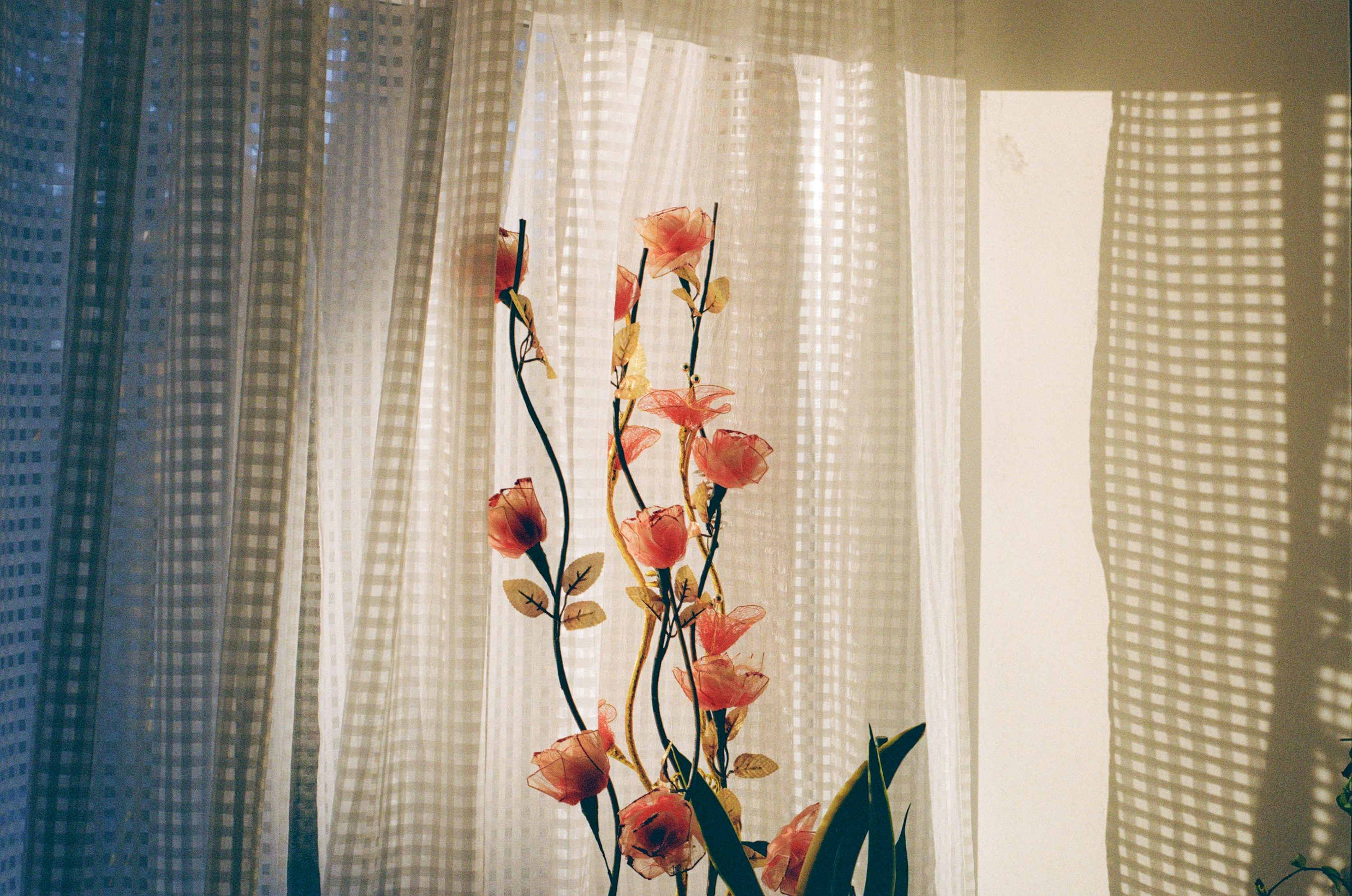
Gerberas are light-hungry. Aim for about 6 hours of strong light daily, with direct morning sun ideal. The catch: glass magnifies heat.
- Best exposures
- East window: Gold standard—gentle direct morning sun, bright for hours.
- South or west window: Great in cooler seasons; in hot spells, filter midday/afternoon with a sheer or move 30–60 cm (12–24 in) back.
- North window: Usually too dim unless you supplement with a grow light.
- Hot-glass alert
- Summer sun through glass can scorch and cook the crown. Use sheer curtains, blinds, or shift the pot off the sill during peak hours.
- Winter draft alert: Don’t let leaves press against icy panes—keep a few centimeters of air gap.
- Simple light checks
- Shadow test: A crisp, well-defined hand shadow = bright enough. Fuzzy shadow = borderline; consider a grow light.
- Grow lights: Full-spectrum LED, 10–12 in above the plant, 12–16 hours/day if your home is dim or winters are long.
Room-by-Room Styling (Placement, Airflow, Pot Pairings)
Living Room
- Best spot: East-facing sill or a bright pedestal 30–60 cm from a south/west window with a sheer.
- Airflow trick: A quiet oscillating fan on low across the room (not blasting the plant) keeps air fresh and fungus at bay.
- Style pairing:
- White blooms + matte black or charcoal pot for gallery-chic contrast.
- Reds + crisp white ceramic for a modern pop.
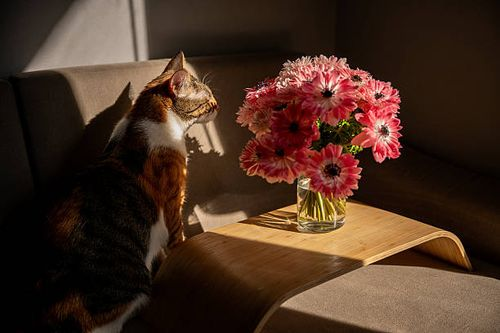
Home Office
- Best spot: Desk near an east window or on a plant stand by a bright slider.
- Airflow trick: Crack the window for a micro‑breeze, or use a desktop fan on a timer.
- Style pairing:
- Orange or salmon blooms + teal or cobalt pot = instant creative energy.
- Pinks + blush, rose, or terracotta pot for a soft productivity nudge.
Kitchen
- Best spot: Bright counter near an east window; avoid close proximity to the stove or always‑on kettles (heat + steam).
- Airflow trick: Range hood on low (post‑cooking) helps move air; avoid greasy drafts.
- Style pairing:
- Yellow blooms + concrete or stone‑look pot = sunny, minimal vibe.
- Bicolors + woven basket cachepot (with a saucer inside) for warmth and texture.
Bedroom
- Best spot: Bright sill with gentle morning sun; keep 30 cm away from blackout curtains to avoid crushing leaves.
- Airflow trick: Nighttime is fine with still air; just don’t box the pot into a stuffy corner—leave a palm’s width all around.
- Style pairing:
- Pastels + satin‑glazed white or pale grey = calm and airy.
Bathroom (only if bright)
- Best spot: A bright, well‑ventilated bathroom with a window; place where splashes won’t hit the crown.
- Airflow trick: Use the exhaust fan after showers; wipe condensation on nearby glass.
- Style pairing:
- Crisp white blooms + sea‑green pot = spa feel.
- Note: Very muggy rooms with wet foliage invite powdery mildew and gray mold—skip the bathroom if air doesn’t clear quickly.
Entryway/Hall
- Best spot: A bright console by an east or south‑adjacent window; rotate with the seasons.
- Airflow trick: Open the door for a minute in mild weather to refresh air, but avoid blasting cold.
- Style pairing:
- Hot pink or red + glossy black pot = high‑impact welcome.
Dining Room
- Best spot: Bright sideboard; for tables, use as a day‑of centerpiece and return to stronger light between dinners.
- Airflow trick: Space from fruit bowls (ethylene can hasten senescence of some flowers).
- Style pairing:
- Orange + indigo pot for bold, convivial color play.
Sunroom/Balcony
- Best spot: Morning sun with light shade from noon to mid‑afternoon at summer peak.
- Airflow trick: Cross‑ventilation is your friend; never pack plants tight—Gerberas like their personal space.
- Style pairing:
- Mixed colors + neutral terracotta for a Mediterranean flourish.
The Chic Basics: Soil, Water, Feed (No Soggy Drama)
- Potting mix: Rich but very free‑draining. Use high‑quality mix amended with perlite or grit; slightly acidic is ideal (pH ~5.5–6.5). Keep the crown at or slightly above soil level.
- Watering: Water the soil thoroughly, then let the top 2–5 cm (1–2 in) dry before the next drink. Always water the soil—never into the center rosette. Water early in the day and keep leaves dry.
- Feeding: Every 2 weeks in spring–late summer with a balanced liquid feed. If you’re getting leaves but few buds, alternate with a bloom‑leaning formula (lower N, higher P/K). Ease off in late autumn/winter.
- Repotting: When root‑bound, step up just one size (often 12.5–15 cm / 5–6 in pot for a single plant). Don’t bury the crown.
Airflow: The Invisible Accessory That Makes Everything Look Better
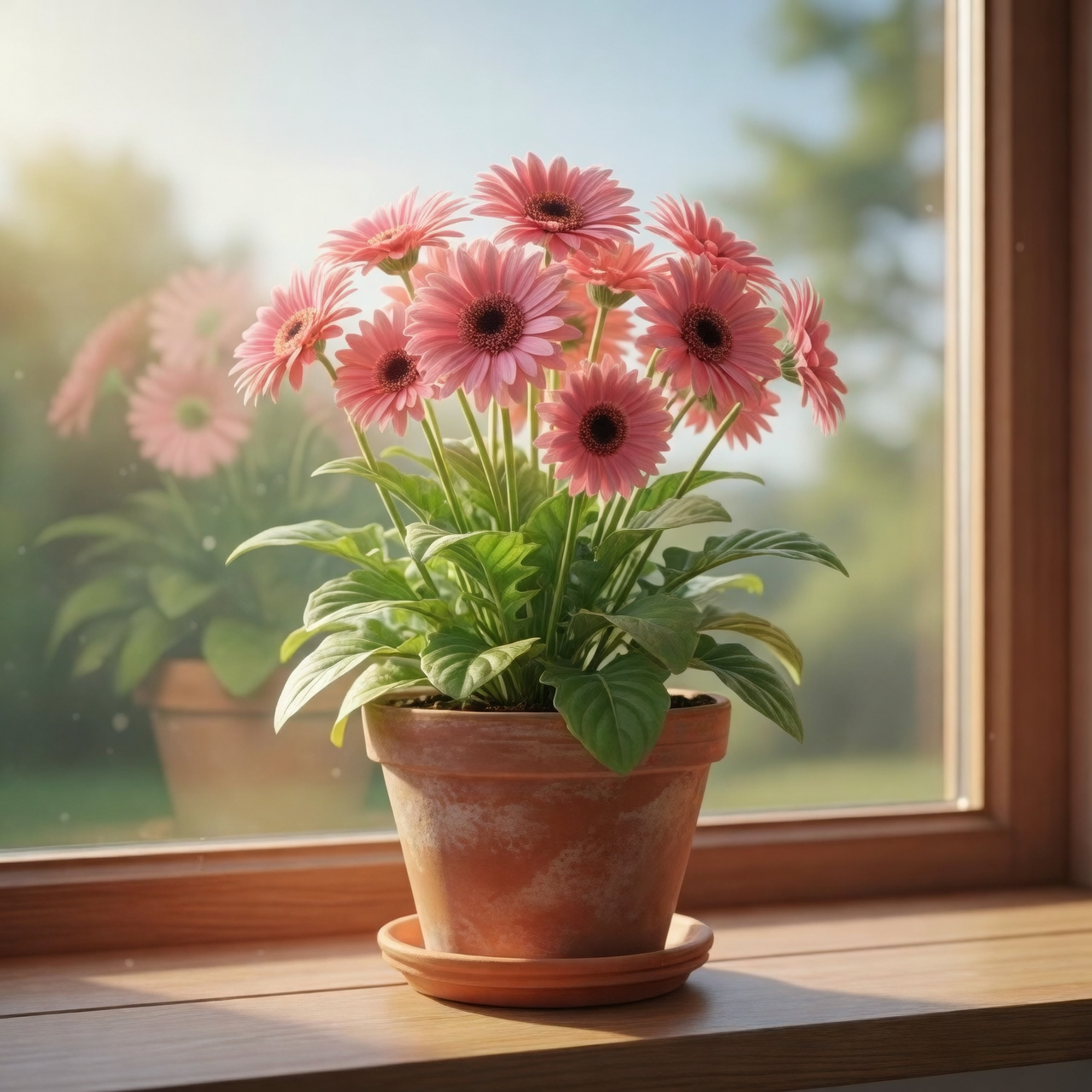
Good ventilation keeps leaves matte and flowers crisp.
- Space plants so their leaves don’t touch.
- Use a low, indirect fan a few hours daily—especially in summer or when windows stay closed.
- Deadhead spent blooms at the base and remove tired leaves to open the crown and reduce fungal risk.
Pot Color Pairings (Match Your Mood—and Bloom)
- White/cream blooms: Charcoal, black, or deep forest green pots for contrast; pale stone for serenity.
- Yellow: Concrete grey, denim blue, or lime‑washed terracotta = sunny modern.
- Orange/salmon: Teal, cobalt, or smoky navy = electric complementary pop.
- Pink: Blush, rose, or matte terracotta = soft romantic; sage green for a fresh botanical palette.
- Red: Crisp white, ebonized wood, or brass for luxe drama.
- Multicolors: Natural rattan/wicker cachepots over a simple nursery pot to avoid visual clash.
Tip: Choose breathable terracotta if you tend to overwater; glazed ceramic retains moisture longer. Always ensure a drainage hole and a saucer or tray with risers.
Temperature and Humidity Sweet Spot
- Ideal temps: 18–24°C (64–75°F) for best flowering; tolerates roughly 15–28°C (59–82°F). Keep above ~10°C (50°F).
- Humidity: Average home is fine. Avoid steamy, stagnant conditions and bone‑dry heat blasts.
Seasonal Styling Calendar
- Spring: Prime growth and bloom—maximize light, start feeding, trim old leaves, divide established clumps if needed.
- Summer: Filter harsh midday sun behind glass; water more often; prioritize airflow to prevent Botrytis and crown rot.
- Autumn: Often a second flush—reduce watering slightly as temps cool; refresh potting mix if needed.
- Winter: Brightest spot you have; water sparingly; keep leaves dry; little to no feed; protect from cold, damp corners.
Quick Troubleshooting (Style Fix = Plant Fix)
- Pale, stretched leaves and weak blooms: Not enough light. Move closer to sun or add a grow light.
- Leaves scorched or wilting midday: Hot glass/heat stress. Add a sheer or shift back from the pane; add airflow.
- Yellowing leaves: Watering swings or low light. Check drainage, let the surface dry between waterings, brighten the spot, feed lightly.
- Buds or flowers rotting/collapsing: Water in the crown or soggy mix + poor airflow. Water only the soil, improve drainage, thin leaves, increase ventilation.
- Powdery mildew/gray mold: Stale, damp air. Prune for openness and add a gentle breeze.
Safety, Pests, and Cut-Flower Sidekicks
- Pet/people safety: Generally considered non‑toxic to cats, dogs, and humans; still discourage nibbling.
- Pests to watch: Aphids, thrips, whiteflies, spider mites, leafminers—inspect new plants and undersides of leaves.
- Diseases: Powdery mildew, leaf spots, Botrytis, crown/root rot—mostly prevented by bright light, dry foliage, well‑drained soil, and good airflow.
- Cut flowers: Use a squeaky‑clean vase with shallow water, change water daily or use preservative, and keep arrangements cool and out of direct sun to keep stems upright longer.
Flower Language, Briefly (And Why It Stuck)
Gerberas are the mood‑boosters of the daisy world—often gifted to signal cheerfulness, admiration, and warmth. Color cues are popular: red for love, yellow for joy and friendship, pink for gentle admiration, white for purity, orange for enthusiasm. While modern “flower language” owes plenty to Victorian floriography and later marketing, the symbolism persists because Gerbera’s design—clear, sun‑like faces in saturated color—reads as happiness at a glance. Use that to your advantage when styling rooms: let the meaning match the mood you want.
Placement Cheat Sheet
- East window: Park it here. Morning sun + bright light = steady blooms.
- South/west window: Great light; filter midday in hot weather or pull the pot 30–60 cm back.
- North window: Usually too dim—add a grow light.
- Outdoors (mild climates): Morning sun, light midday shade; bring in before chills. Commonly grown outdoors in frost‑free zones (reliability drops in hard freezes).
Bring it all together: Give Gerbera Daisies strong light without the midday sizzle, let air flow, keep soil moist but never soggy, and style pots that amplify your bloom colors. Do that, and those joyful disks will look like you hired both a florist and an interior designer—who just happen to be the same plant.