

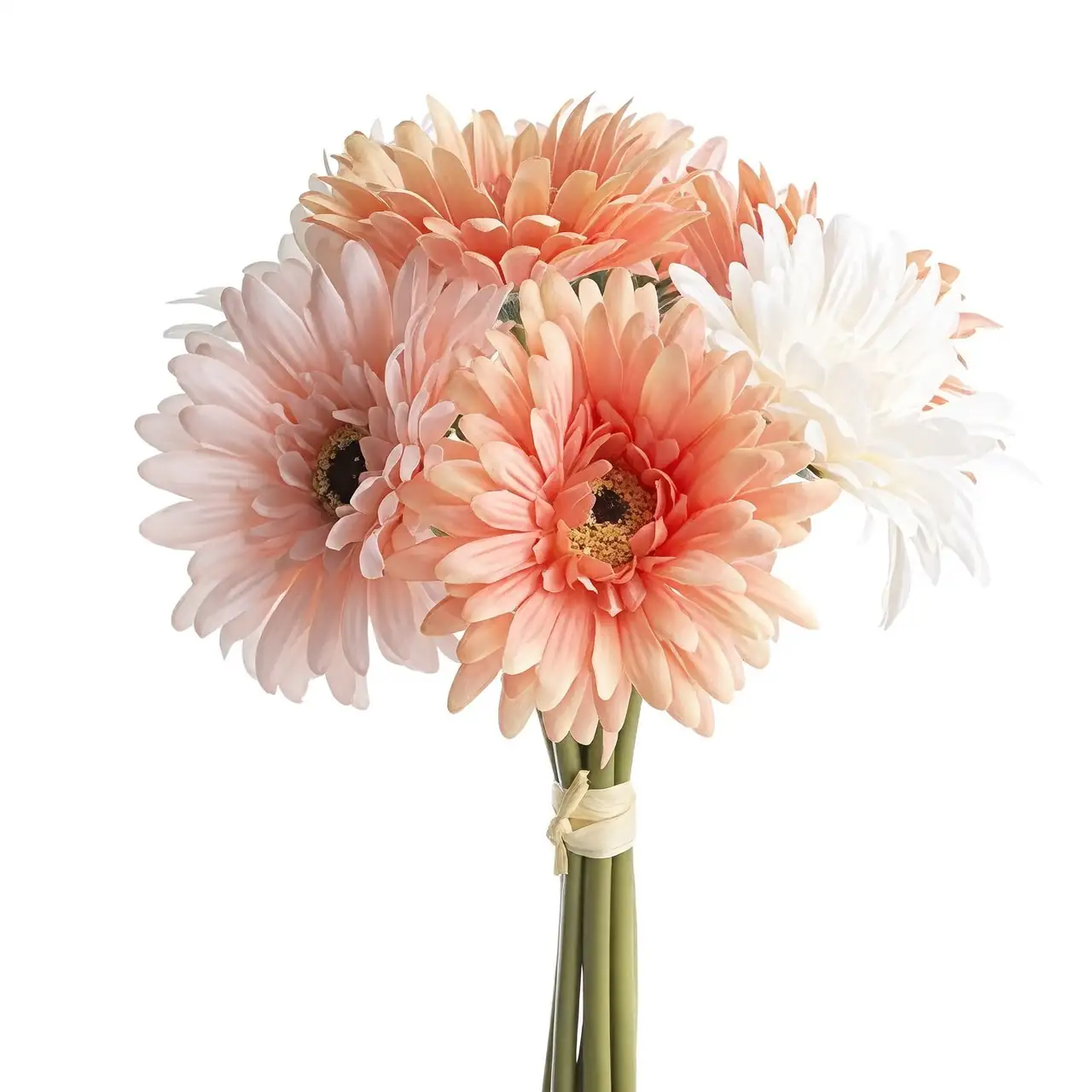
Gerbera jamesonii, the Gerbera Daisy or Barberton Daisy, is the botanical equivalent of a standing ovation—big, exuberant blooms on elegant, leafless stems above a tidy green rosette. If you’ve ever lost a plant to rot or watched seedlings inexplicably collapse, this masterclass is for you. We’ll focus on the three pillars of success: divide clumps without suffocating the crown, sow at the right temperature (and understand why hybrid seeds don’t come true), and run a tight hygiene ship to keep rot at bay and blooms coming for months.
Meet the plant, quickly
- Origin: Southern Africa, notably around Barberton/Transvaal. Now a global star of pots, borders, and the cut-flower trade.
- Habit: Clump-forming perennial with a basal rosette; leafless, sturdy stems carry 5–15 cm (2–6 in) daisy-like flower heads.
- Size: Typically 20–45 cm (8–18 in) tall in bloom; spread 20–60 cm (8–24 in), depending on cultivar and pot.
- Light and climate sweet spot: Very bright light to full sun with airflow; best flowering around 18–24°C (64–75°F). Not frost hardy—keep above about 10°C (50°F).
—
Why crown height makes or breaks a Gerbera
The “crown” is the heart of the plant where leaves radiate. Bury it and you invite crown rot; sit it proud in airy, well-drained mix and the plant hums along.
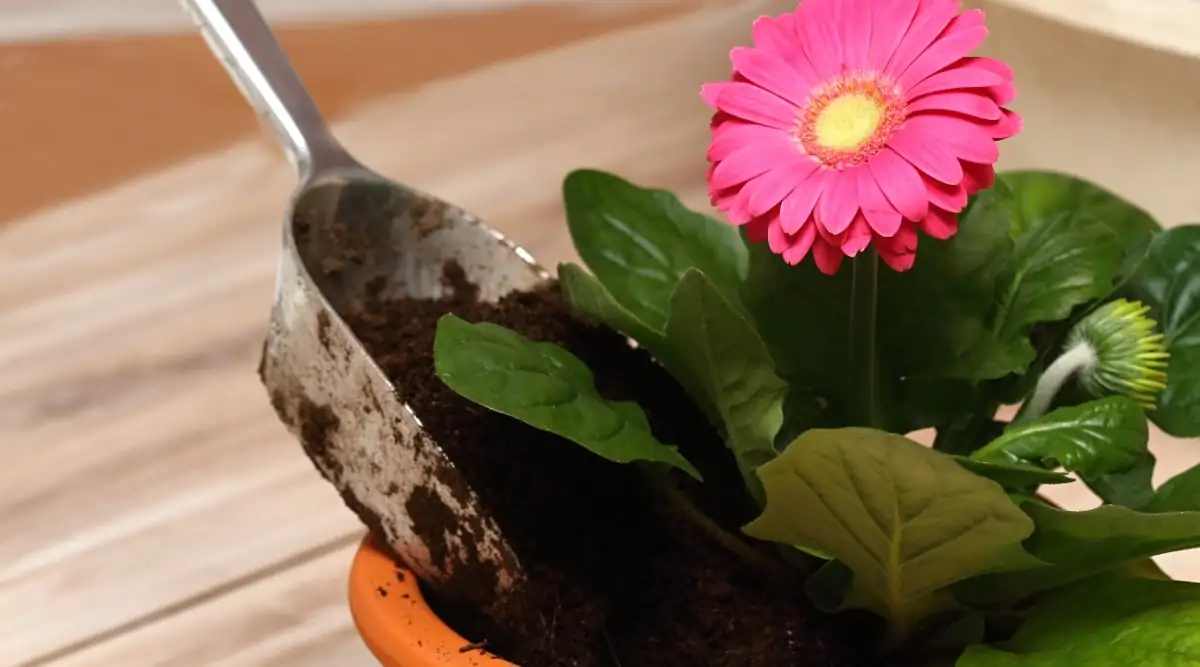
- Keep the crown at or slightly above the final soil surface. Think of the crown like a button above a jacket, not tucked under the collar.
- Water the soil, never the rosette. Moisture sitting in the center is a fast track to rot and Botrytis.
- Prioritize drainage first, always: free-draining, slightly acidic mix (roughly pH 5.5–6.5), a pot with generous holes, and no standing water in saucers.
—
Division masterclass: multiplying plants without smothering the crown
Division is the home grower’s most reliable method. Spring is prime time.
When to divide
- Early to mid-spring as growth resumes. Avoid heat waves and winter chill.
Tools and prep
- A clean, sharp knife or pruning saw; alcohol or a 10% bleach solution for tool sterilizing.
- Fresh, free-draining mix: for example, 2 parts high-quality potting mix + 1 part perlite or horticultural grit. Aim for that slightly acidic pH.
- Pots just one size up for each division (often 12.5–15 cm / 5–6 in for singles).
Step-by-step
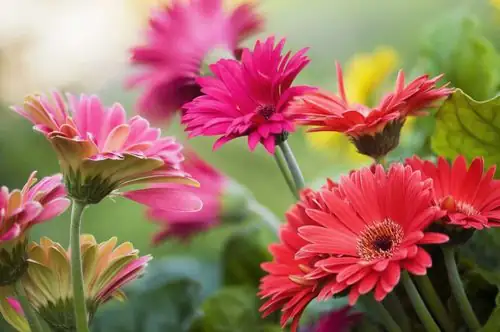
- Water the mother plant the day before so roots are hydrated but not soggy.
- Lift the clump gently, teasing off excess old mix to expose the crown structure.
- Identify natural splits. Each division needs:
- A firm piece of crown with at least one healthy growing point.
- A good portion of roots.
- Sterilize your knife, then make clean cuts. Trim away any mushy, blackened tissue. Optional: dust cut surfaces with powdered sulfur or ground cinnamon to discourage rot.
- Pot each division so the crown sits at or slightly above the soil line. Backfill gently; do not pack tightly.
- Water in lightly around the pot edges (avoid the crown). Let excess drain freely.
Aftercare
- Light: Very bright light with soft morning sun; shield from harsh midday rays while roots re-establish.
- Temperature: 18–24°C (64–75°F) is ideal.
- Airflow: Keep air moving to deter Botrytis.
- Watering: Let the top 2–5 cm (1–2 in) dry slightly before watering again. Always keep the rosette dry.
- Feed: Start light, balanced liquid feed at label rates after new growth appears; every ~2 weeks in active growth.
Common division mistakes to avoid
- Burying the crown “for stability.” Use a stake or top-dress with coarse grit instead—never soil over the crown.
- Overpotting. Too much wet mix around a small root system encourages rot.
- Heavy watering “to help settle roots.” Gentle is best; moisture, not saturation.
—
Sowing from seed: the right temperature, light, and expectations
Seed is fun and inexpensive—but most modern gerbera in stores are hybrids, and seedlings rarely look like the parent. That unpredictability is part of the charm if you like surprises.
Why hybrids don’t come true
- Gerbera breeding relies on complex parentage and high genetic diversity (heterozygosity). Traits like color, petal count, and disc color segregate widely in the next generation.
- Commercial uniformity comes from tissue culture and clonal propagation—not seed.
Timing and temperature
- Best windows: spring or autumn.
- Aim for 18–20°C (64–68°F) for germination. This mild warmth encourages steady sprouting and helps avoid damping-off. Bright light is important, too.
Seed essentials
- Use fresh seed; viability drops quickly.
- Sterile, free-draining seed mix (you can cut standard seed compost with fine perlite).
- Clean trays/pots; clean hands/tools.
How to sow
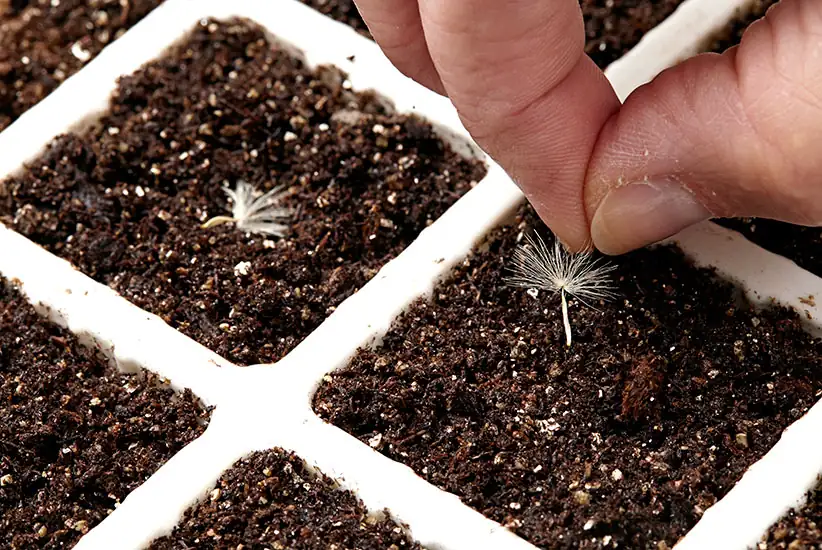
- Fill the container with moistened seed mix; level and firm lightly.
- Gerbera seed benefits from light for germination. Sow on the surface and press gently, or barely cover with a whisper of fine vermiculite.
- Space seeds so air can move; crowding encourages disease.
- Provide bright light and stable 18–20°C (64–68°F). A clear lid or humidity dome can help initially—vent daily to prevent stale, damp air.
- Bottom-water or mist the surface lightly—never drench.
- Germination can take about 10–21 days. Remove any cover as soon as most seeds sprout.
Pricking out and growing on
- Transplant seedlings at the 2–3 true leaf stage into a free-draining mix.
- Set each seedling with the tiny crown just at or slightly above the surface.
- Keep temperatures in the mild range (roughly 18–24°C / 64–75°F), give very bright light, and water early in the day.
- Begin half-strength balanced feeding once they’re established, gradually moving to a 2-week rhythm.
- Expect flowering in several months under strong light and good culture.
Hygiene to prevent damping-off and seedling rot
- Disinfect trays and tools; use fresh media.
- Don’t overwater; allow a slight surface dry-down between light irrigations.
- Vent humidity domes daily; favor gentle airflow.
- Water the substrate, not the seedling crowns.
—
Rot-dodging hygiene: your long-bloom insurance policy
Gerberas are magnets for cheer and, unfortunately, for gray mold and crown issues if air and water are mismanaged. Prevention is everything.
Watering and airflow
- Water the soil, not the crown or leaves; early in the day so surfaces dry by evening.
- Let the top 2–5 cm (1–2 in) of mix dry slightly before the next drink.
- Keep indoor plants in the brightest spot with active airflow; outdoors, provide morning sun and light afternoon shade in hot spells.
Soil and pots
- Use a rich but free-draining medium; amend with perlite/grit.
- Keep pH mildly acidic (approx. 5.5–6.5) for nutrient uptake.
- Choose pots with multiple drainage holes; never leave pots standing in water.
Sanitation
- Remove spent flower stems at the base promptly; clear yellowing leaves to open the crown.
- Sterilize cutting tools between plants and after any diseased material.
- Space plants so air can move between rosettes.
Feeding for stamina
- During active growth (spring through late summer), feed every ~2 weeks with a balanced liquid fertilizer.
- If you’re getting lots of leaves and few flowers, alternate with a bloom-leaning formula (higher P/K, lower N).
- Ease off in late autumn/winter as growth slows.
—
The long-bloom playbook
- Light: Aim for at least ~6 hours of strong light daily. Indoors, think brightest window; outdoors, morning sun with light midday protection in hot regions.
- Temperature: Best flowering often happens around 18–24°C (64–75°F). Keep above ~10°C (50°F).
- Deadhead deeply: Cut spent stems down at the base to redirect energy to new buds.
- Keep it airy: Regularly remove older, crowded leaves to ventilate the rosette.
- Repot smartly: Refresh mix annually or when root-bound, using a pot just one size up. Keep the crown high and dry.
—
Quick troubleshooting
- Buds or flowers rotting? Usually wet crowns, soggy mix, heat stress, and poor airflow together. Keep water off the rosette, improve drainage, add ventilation, and provide light midday shade in extreme heat.
- Yellowing leaves? Often watering extremes, low light, cold stress, or nutrient issues. Ensure free drainage, bright light, and gentle, regular feeding. Slightly acidic media support iron uptake.
- Pests to watch: Aphids, thrips, whiteflies, spider mites, and leafminers—especially indoors. Inspect often; manage early.
—
Flower language, honestly considered
Gerberas are globally read as emblems of cheerfulness, warmth, admiration, and sunny optimism. These meanings grew from modern floristry and color symbolism rather than ancient lore. It’s simple: a big, gleaming “sunburst” on a tall, elegant stem feels like a smile. Color cues follow familiar lines—red for passion, yellow for joy and friendship, pink for gentle admiration, white for purity, orange for enthusiasm.
—
Final notes for cut-flower fans
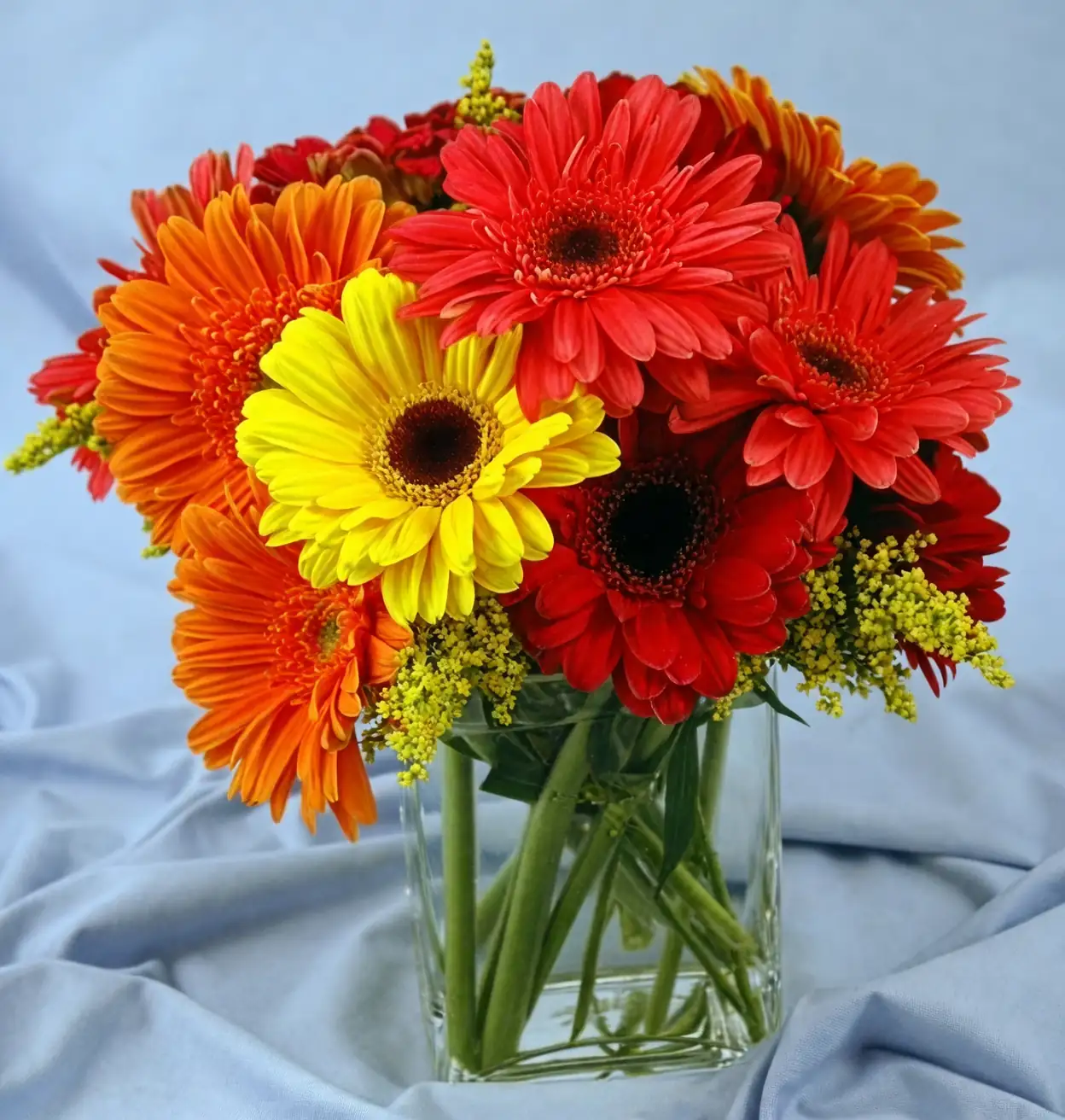
If you harvest your own stems, cut in the cool of the day once outer florets are mature. Use a spotless vase, keep water shallow, change it frequently (daily is great), and consider a floral preservative. Good hygiene curbs stem rot and keeps those iconic discs standing tall.
Give Gerbera jamesonii bright light, a fast-draining home, and a dry crown—and it will repay you with a marathon of color from spring to autumn, indoors or out. Divide with care, sow at the right temperatures, and treat hygiene as your secret superpower. The reward: a long, happy season of unapologetically joyful blooms.


