

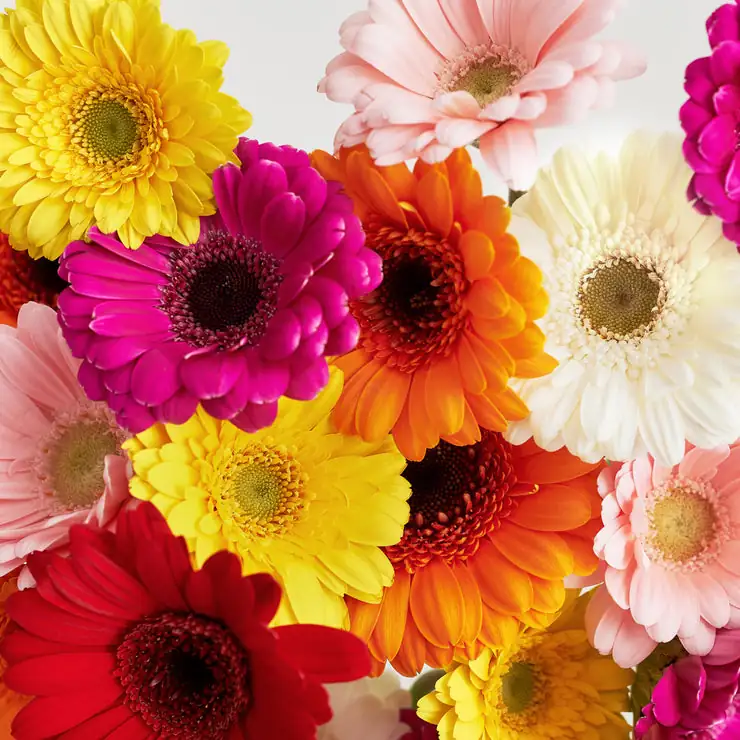
Gerberas don’t whisper; they beam. Hand someone a Gerbera jamesonii and you’re sending a bright, unmistakable message—one the Victorians would have tucked into a secret tussie-mussie and that modern East Asian 花语 still reads at a glance. Here’s how this “sunburst” daisy learned to speak the language of feelings, and how its colors translate today for weddings, get‑well wishes, and all-out celebrations.
Meet the flower behind the message
Often called Gerbera daisy, African/Barberton/Transvaal daisy (Gerbera jamesonii) is a clump-forming perennial in the Asteraceae family. Native to southern Africa—especially around Barberton in South Africa and Eswatini—it became a global superstar once breeders unlocked its bold palette and long vase life. Big, composite “daisy” heads (2–6 in/5–15 cm across) perch on leafless stems above a tidy rosette of green leaves. Colors span white, cream, yellow, orange, salmon, pink, and red, with forms from simple singles to plush doubles. No wonder it’s one of the world’s best-selling cut flowers.
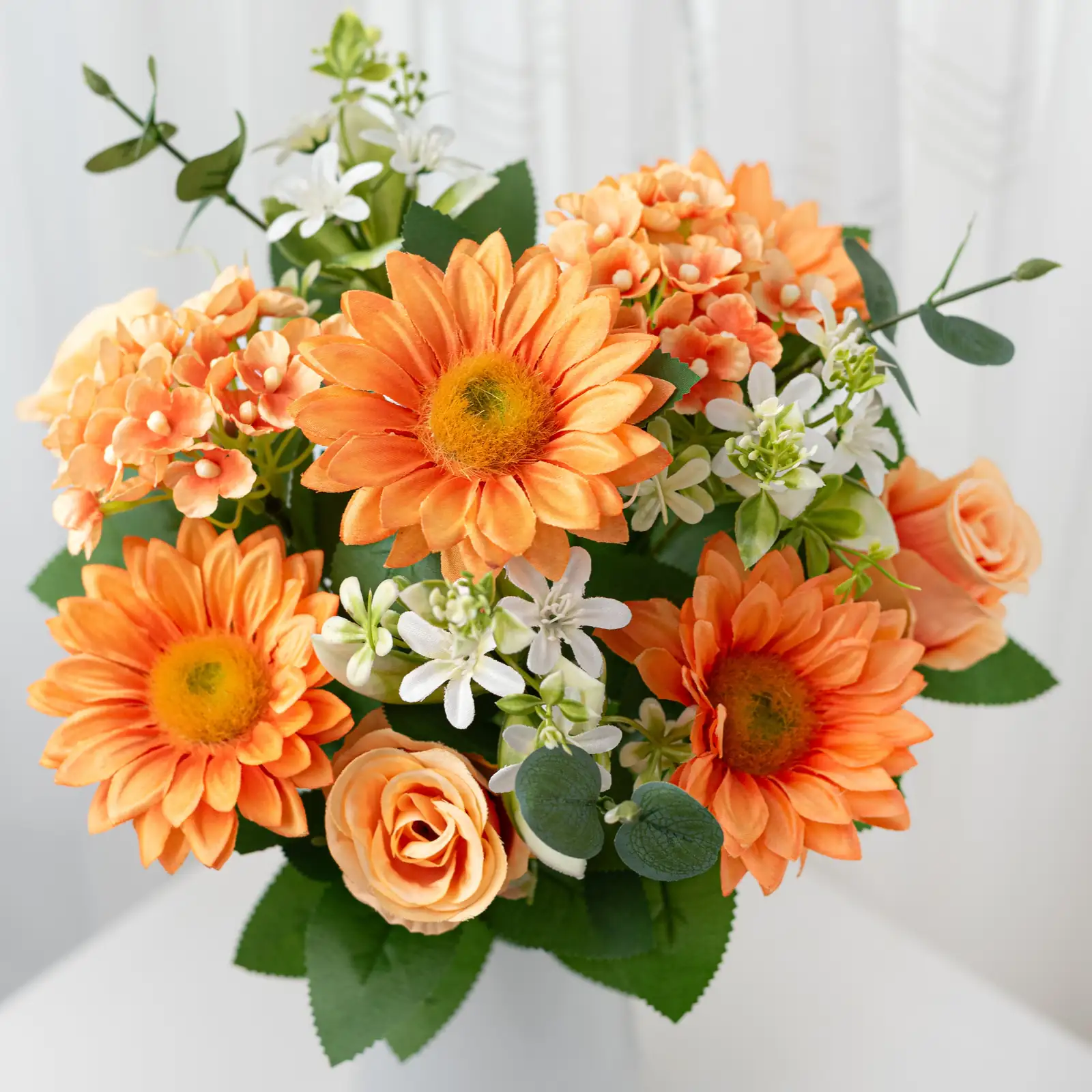
How gerberas learned to “talk”: from floriography to 花语
Victorian floriography turned flowers into coded sentences. Building on earlier Ottoman selam lists and European fashions, 19th‑century pocket dictionaries let people say what etiquette forbade. Daisies as a group stood for innocence and cheer; as gerberas joined the florists’ repertoire, their bold, beaming faces came to signify happiness, warmth, admiration, and good cheer—meanings that stuck because they look exactly how they feel.
A note on lore and “ancient meanings”
- You’ll sometimes hear charming claims—Egyptians linking gerberas to sun devotion, Celts to sorrow‑lifting. They’re delightful stories, but documentation is spotty. Treat them as poetic gloss rather than primary sources.
- What’s reliably consistent across modern guides: gerberas signal upbeat emotions. They’re celebration flowers at heart.
The modern revival—East Asian 花语
In Japan, China, and across East Asia, 花语 (the “language of flowers”) thrives in gift culture, media, and e‑commerce. Today’s gerbera meanings closely mirror global floristry:
- Cheerfulness, gratitude, admiration, and love—fine‑tuned by color.
- Practical note: cultural context can shade a message. For example, pure white arrangements can read solemn in some settings, while red is an auspicious color in many East Asian celebrations. Color choice isn’t just “what it means,” but also “how it’s received.”
The color code decoded
Below are widely recognized readings used by florists and gifters. Think of them as a palette—you can blend for nuance.
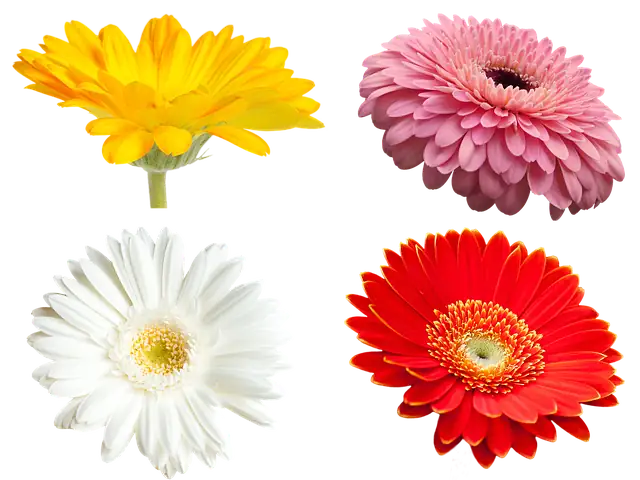
Red gerbera — love and passion
- Message: Deep affection, romantic intensity, heartfelt admiration.
- Weddings: Striking in bold, modern palettes; especially apt for culturally red‑forward ceremonies and receptions.
- Get‑well: Use sparingly or pair with softer tones; red can feel intense on its own.
- Celebrations: Perfect for anniversaries, Valentine’s, promotions—any moment that says “I’m thrilled for you.”
Pink gerbera — gentle admiration and affection
- Message: Warmth, appreciation, sweetness.
- Weddings: Dreamy for bridal or bridesmaids’ bouquets; softens greenery and white blooms beautifully.
- Get‑well: Comforting and friendly without shouting; ideal for hospital rooms or bedside tables.
- Celebrations: Thank‑yous, baby showers, birthdays—pink reads gracious and uplifting.
Yellow gerbera — friendship and joy
- Message: Cheerfulness, optimism, sunshine.
- Weddings: Fresh and happy for daytime garden ceremonies and spring/summer themes.
- Get‑well: A top pick—yellow feels like opening the curtains on a bright morning.
- Celebrations: Birthdays, graduations, new jobs—yellow practically throws confetti.
White gerbera — purity and sincerity
- Message: Purity, clarity, new beginnings.
- Weddings: Classic for bridal whites and serene, minimalist palettes.
- Get‑well: Clean and calming; consider soft creams if stark white feels too formal.
- Celebrations: Housewarmings, new ventures, baby welcomes. Note regional customs—tone things warmer (ivory/cream) if pure white feels too ceremonial in your context.
Orange gerbera — enthusiasm and energy
- Message: Courage, creativity, joie de vivre.
- Weddings: A vibrant accent for autumn or tropics-inspired palettes; pairs well with terracotta, coral, and gold.
- Get‑well: Energizing and hopeful—great with yellow to amplify brightness.
- Celebrations: Openings, launches, sports wins, milestone birthdays—orange says “Let’s go!”
Bouquet blueprints: say it like you mean it
- The Sunbeam Get‑Well
- Yellow + orange gerberas with a hint of lime foliage
- Reads: “Joy, energy, and a speedy recovery.”
- The Gentle Congrats
- Pink + white gerberas, silvery eucalyptus
- Reads: “I’m proud of you, with warm admiration.”
- The Bold Romance
- Red gerberas, deep greenery, a touch of white for contrast
- Reads: “Passion with a promise.”
- The Modern Garden Wedding
- White + blush pink gerberas, airy grasses, soft greens
- Reads: “Fresh start, soft elegance.”
- The Big Win
- Orange + yellow with a pop of red
- Reads: “Enthusiasm, joy, and well‑earned applause.”
Why gerberas work so well in gifts
- Instant readability: Their “sunburst” faces telegraph positive emotion from across the room.
- Color precision: A palette that maps neatly onto common sentiments makes customization easy.
- Cut‑flower stamina: With simple care, they stay perky through the party and beyond.
Quick care tips for cut gerberas (so your message lasts)
- Use a squeaky‑clean vase and keep water shallow; change daily or use floral preservative.
- Recut stems at an angle; strip foliage below the waterline.
- Keep arrangements cool and out of direct sun.
- If stems bend, a supportive collar or tighter clustering keeps heads upright.

A brief botanical backstory that enriches the symbolism
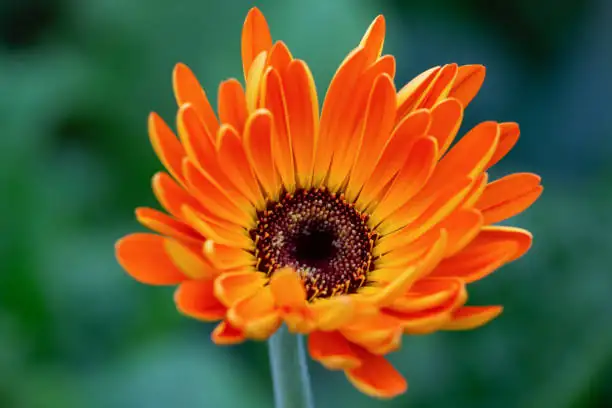
- Name and honors: The genus honors German botanist Traugott Gerber; the species is linked to Scottish botanist Robert Jameson, who collected plants near Barberton in the late 1800s—hence “Barberton” or “Transvaal” daisy.
- Nature of the “flower”: Each gerbera “bloom” is a composite head made of hundreds of tiny florets—many voices speaking as one. It’s a fitting metaphor for how a few stems can carry a whole conversation.
Putting it all together
Floriography taught people to speak softly with flowers; today, gerberas speak brightly and clearly. Choose red for ardor, pink for gentle admiration, yellow for unfiltered joy, white for sincerity and new beginnings, and orange for courage and celebration. Whether pinned into a bridal bouquet, propped on a hospital side table, or lifted high at a graduation, Gerbera jamesonii turns a feeling into color—and color into a memory.


