

A rugged green rosette clung to a stony slope above Barberton, its leaves silky and lobed, its flower a blazing sunburst on a leafless wand. That single daisy, lifted from South African grassland and sent across oceans in the late 1800s, would ignite one of horticulture’s great makeovers—transforming Gerbera jamesonii from a tough veld survivor into a global cut‑flower icon.
A daisy with a birthplace and a backstory
In the late nineteenth century, the Transvaal (today roughly Mpumalanga) was a magnet for prospectors and plant collectors. Among them was Scottish botanist Robert Jameson, who gathered striking daisies near Barberton—plants that would soon mesmerize European gardens. Native to southern Africa (South Africa and Eswatini), these daisies favored well‑drained, sandy or rocky soils in grassland and open woodland, thriving where air moved freely and the crown stayed dry.
What made the find so irresistible? The plant’s habit is modest but purposeful: a low, tidy rosette of green leaves hugging the soil, and above it, singular, showy flower heads borne on elegant, leafless stems. In a word: charisma.
Names that tell the tale
- The genus name, Gerbera, honors Traugott Gerber (1710–1743), a German botanist and physician whose name now brightens florist windows the world over.
- The species epithet, jamesonii, salutes Robert Jameson and his influential Barberton collections in the 1880s.
- By the late 1880s, the species had entered the botanical limelight, including a celebrated illustration in Curtis’s Botanical Magazine. From local discovery to printed page, the Barberton daisy had stepped onto the world stage.
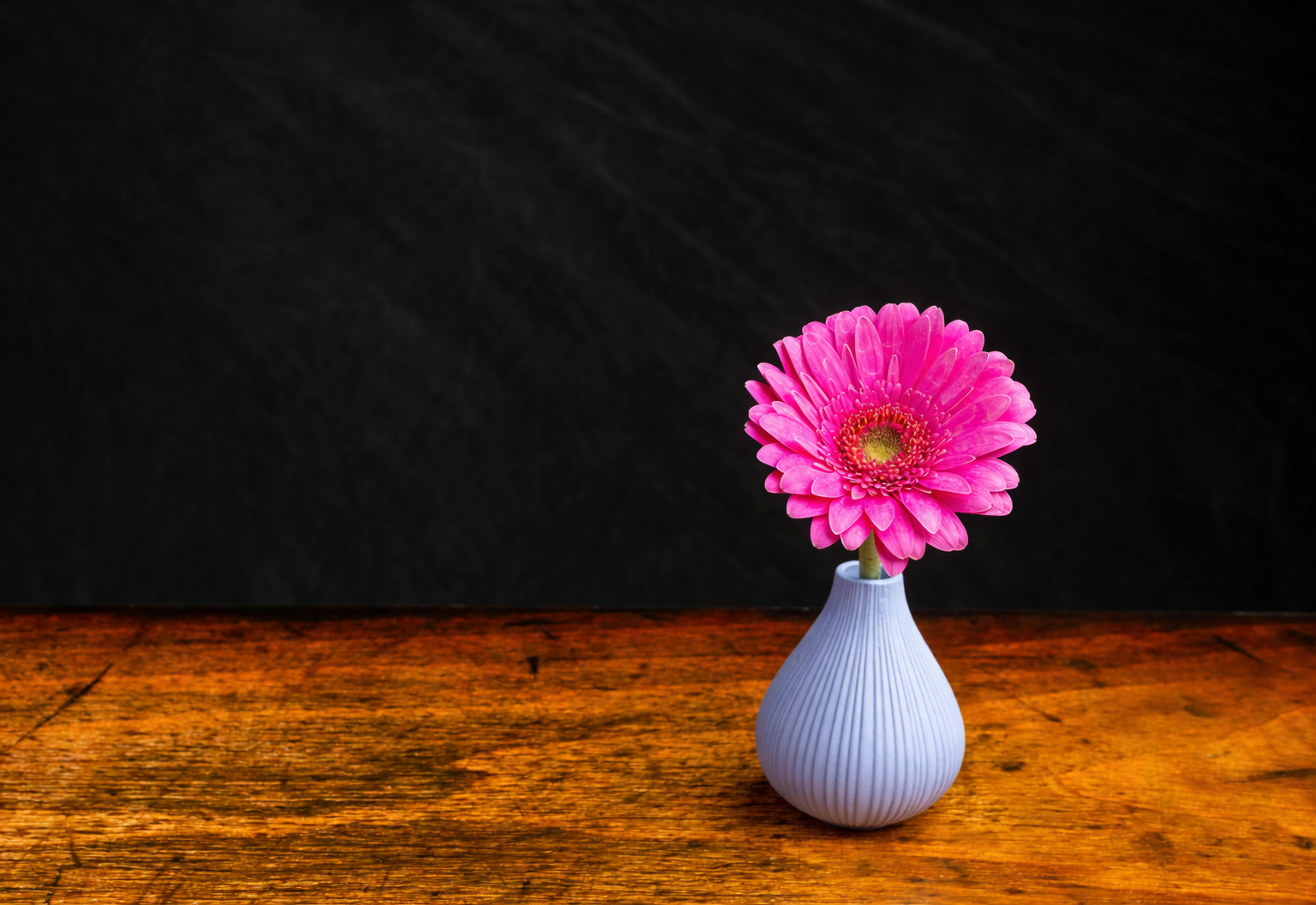
Common names keep the story close to home: Barberton daisy, Transvaal daisy, and, simply, Gerbera daisy. You’ll also hear “African daisy,” though that label is shared with a few other genera—proof that vivid flowers attract abundant nicknames.
From rosettes to rainbows: the breeder’s revolution
Gerbera’s real plot twist came not on the veld but in glasshouses and trial beds. As the 19th century closed, breeders began crossing Gerbera jamesonii—already impressive—with close relatives such as G. viridifolia. That work sparked the modern Gerbera × hybrida and opened the floodgates to a century of selection.
Through the 20th century (and especially from the 1970s onward), focused breeding and modern production turned the Barberton original into a florist’s staple:
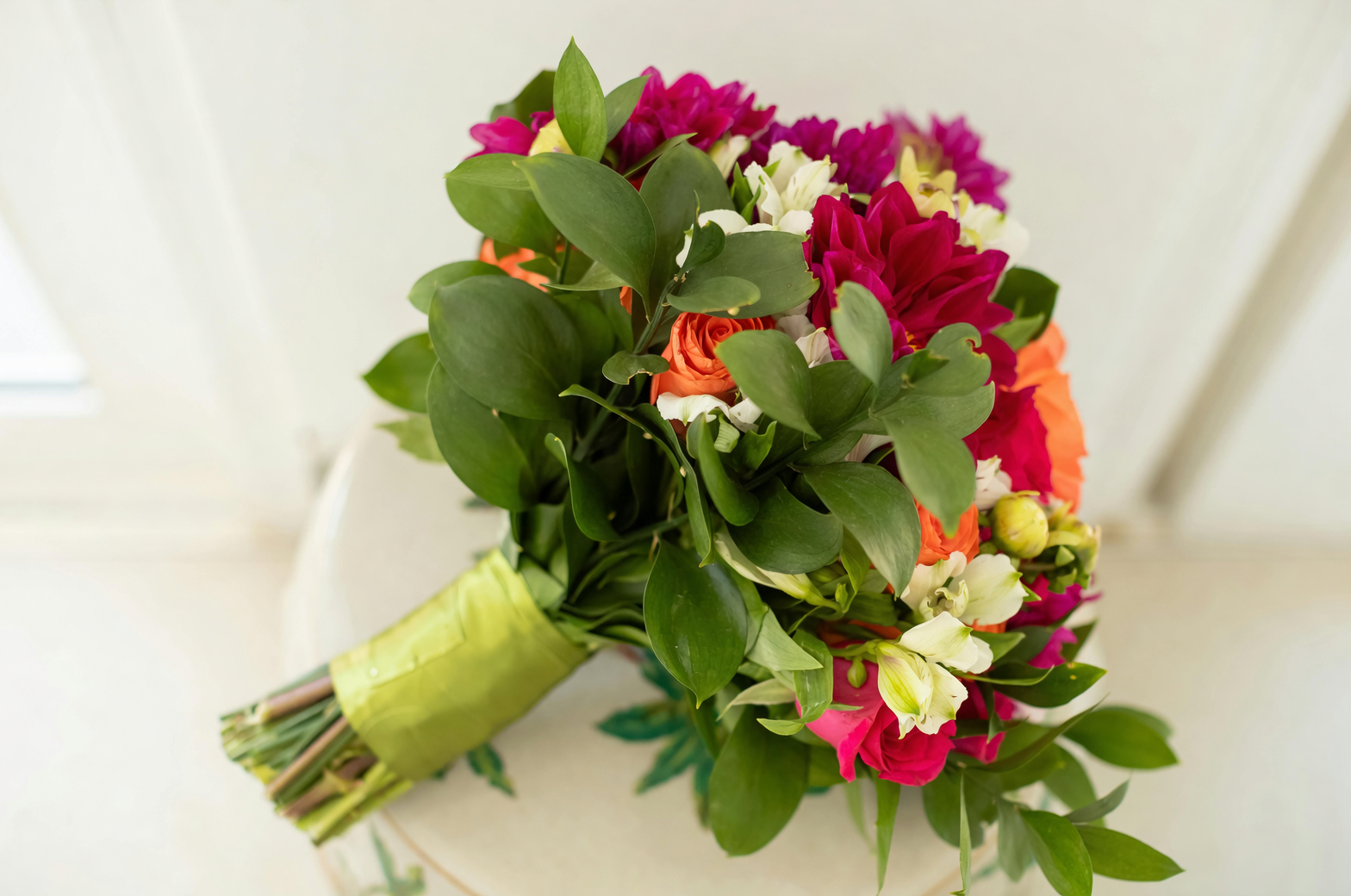
- Color explosion: From cream and white through lemon, tangerine, salmon, candy pink, and knockout reds—often with contrasting discs.
- Forms for every mood: Single blooms with a clean daisy look; semi‑double and double forms; and extra‑full “crested” styles with concentric layers.
- Stem strength and vase life: Straighter, sturdier scapes, longer keeping quality, and better resistance to droop.
- Sizes to suit: Standard large‑flowered stems and petite “germini” types for tighter arrangements.
- Grower‑friendly traits: Improved uniformity and tolerance of common diseases under greenhouse conditions.
The result? Gerberas now rank among the world’s best‑selling cut flowers—cheerful, photogenic, and reliably available year‑round.
What the plant is really like
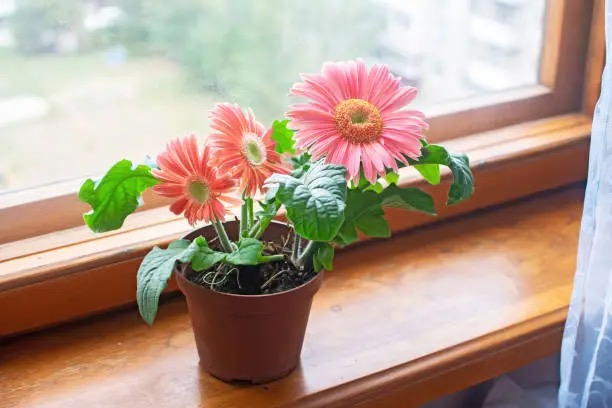
- Habit: Clump‑forming, herbaceous perennial with a basal rosette and upright, leafless flowering stems.
- Size: Most home‑grown plants flower at about 20–45 cm tall, with a spread of 20–60 cm depending on cultivar and container. In the wild, stems can be taller, but modern potted selections are typically compact.
- Leaves: Bright to deep green, often softly hairy, lobed with toothed edges; older leaves are best removed to keep the crown open and healthy.
- Flowers: Composite heads, usually 5–15 cm across, each on its own sturdy stem. Color spans white, cream, yellow, orange, salmon, pink, and red, with single to fully crested forms.
- Season: Spring to autumn outdoors (often peaking in cooler spells); indoors, intermittent bloom is possible year‑round with excellent light and mild temperatures.
Growing the Barberton original at home
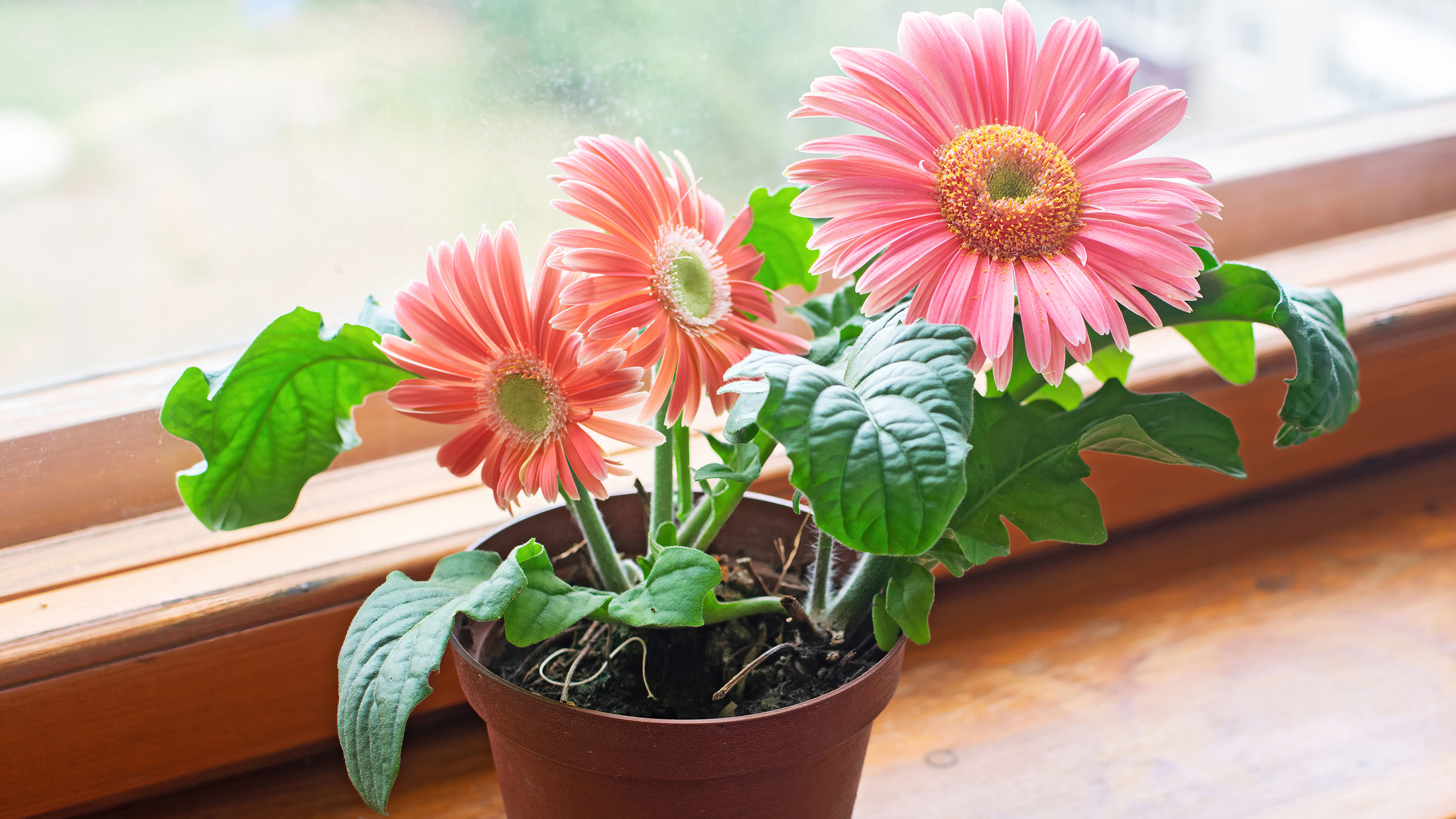
Think bright light, fresh air, and drainage, drainage, drainage. This is the “veldkind” that never forgot its roots.
- Light: Bright light to full sun; aim for 6+ hours daily. In hot climates or behind glass, give morning sun with light midday/afternoon shade.
- Temperature: Best around 18–24°C (mild warmth). Keep above ~10°C; not frost hardy.
- Soil: Rich yet free‑draining, slightly acidic (pH ~5.5–6.5) potting mix with added perlite/grit. Never bury the crown.
- Water: Thorough soaks, then let the top 2–5 cm dry slightly. Always water the soil, not the rosette—wet crowns invite rot. Water early; keep foliage dry.
- Feeding: During active growth (spring to late summer), feed every two weeks with a balanced fertilizer; pivot to a bloom‑leaning formula if you get leaves but few buds.
- Grooming: Deadhead spent stems at the base; remove yellowing leaves to improve airflow.
- Propagation: Divide healthy clumps in spring. Seed is possible, but hybrids won’t grow true. Commercial plants are often tissue‑cultured.
Common hurdles
- Gray mold (Botrytis) and crown/root rot thrive in soggy, still conditions. Fix the airflow and drainage first.
- Pests indoors can include aphids, thrips, whiteflies, spider mites, and leafminers; bright light and clean culture are your best preventatives.
Cut‑flower savvy: how to keep stems standing tall
Gerbera stems are famously clean‑lined—no foliage to strip—but that also means vigilance is key.
- Use an immaculate vase; refresh with clean, cool water daily or use a floral preservative.
- Keep water shallow so the hollow stems don’t soften.
- Display cool and out of direct sun.
- If a bloom still nods, a discreet stem collar or tighter arranging can help hold it high.
Flower language, then and now
Gerberas have become shorthand for happiness, warmth, and lively admiration—the bouquet you send when you want a room to smile back. Color “meanings” echo Victorian floriography but are largely modern and playful:
- Red: love and passion
- Yellow: friendship and joy
- Pink: gentle admiration and gratitude
- White: purity and fresh starts
- Orange: enthusiasm and energy
Treat these as a friendly vocabulary rather than strict tradition; what endures is the emotion in their sunburst faces.
Why this wildling won the world
- Native grit: A low rosette evolved for bright light and fast‑draining soils made an adaptable pot and garden plant.
- Design appeal: Bold, graphic flowers on minimalist stems suit everything from rustic jars to sleek, modern arrangements.
- Breeding brilliance: A century of selection delivered color range, form diversity, and year‑round availability.
- Everyday ease: With strong light and excellent drainage, Gerbera jamesonii rewards even small spaces—balconies, windowsills, and patios—with months of color.
Safety note
- Generally regarded as non‑toxic to people and commonly listed as non‑toxic to cats and dogs. As with any ornamental, discourage heavy nibbling.
From a rocky Barberton hillside to florist coolers on every continent, Gerbera jamesonii’s journey is a triumph of place, people, and persistence—a story written in petals that look, unmistakably, like sunshine.