
Gerbera jamesonii (Gerbera Daisy) is the joy-sparking, sunburst bloom that makes patios pop and bouquets sing—until a gray fuzz blankets the petals or a cloud of tiny white moths erupts from the leaves. This is your fast-diagnosis, fix-it-now guide to the six usual suspects on gerbera—Botrytis (gray mold), crown/root rot, aphids, thrips, whiteflies, and mites—plus the airflow, sanitation, and soil-moisture controls that stop repeat outbreaks.
Before we triage, set your plant up to win
- Light: Bright light to full sun; aim for ~6+ hours daily. In very hot climates or behind glass, give morning sun and light afternoon shade.
- Air: Fresh, moving air—not a stagnant corner. Outdoors, give space; indoors, crack a window or run a gentle fan.
- Water: Water the soil early in the day. Never pour into the center rosette/crown. Let the top 2–5 cm (1–2 in) dry slightly between waterings.
- Soil/Drainage: Rich but free-draining, slightly acidic (pH ~5.5–6.5). Keep the crown at or slightly above soil level.
- Temperature: Best bloom around 18–24°C (64–75°F); keep above ~10°C (50°F). Not frost-hardy.
Rapid diagnosis at a glance (see it, name it, fix it)
Botrytis (gray mold)
- You’ll see: Tan water-soaked flecks on petals/leaves that turn soft and mushy; fuzzy gray mold, especially on aging flowers or crowded foliage. Often flares in cool, damp, still air.
- Quick test: Gently tap a spotted petal—if a smoky gray “dust” puffs off, it’s Botrytis.
- Common mix-ups: Powdery mildew (white, powdery film), simple petal bruising (no fuzz).
Crown/Root Rot
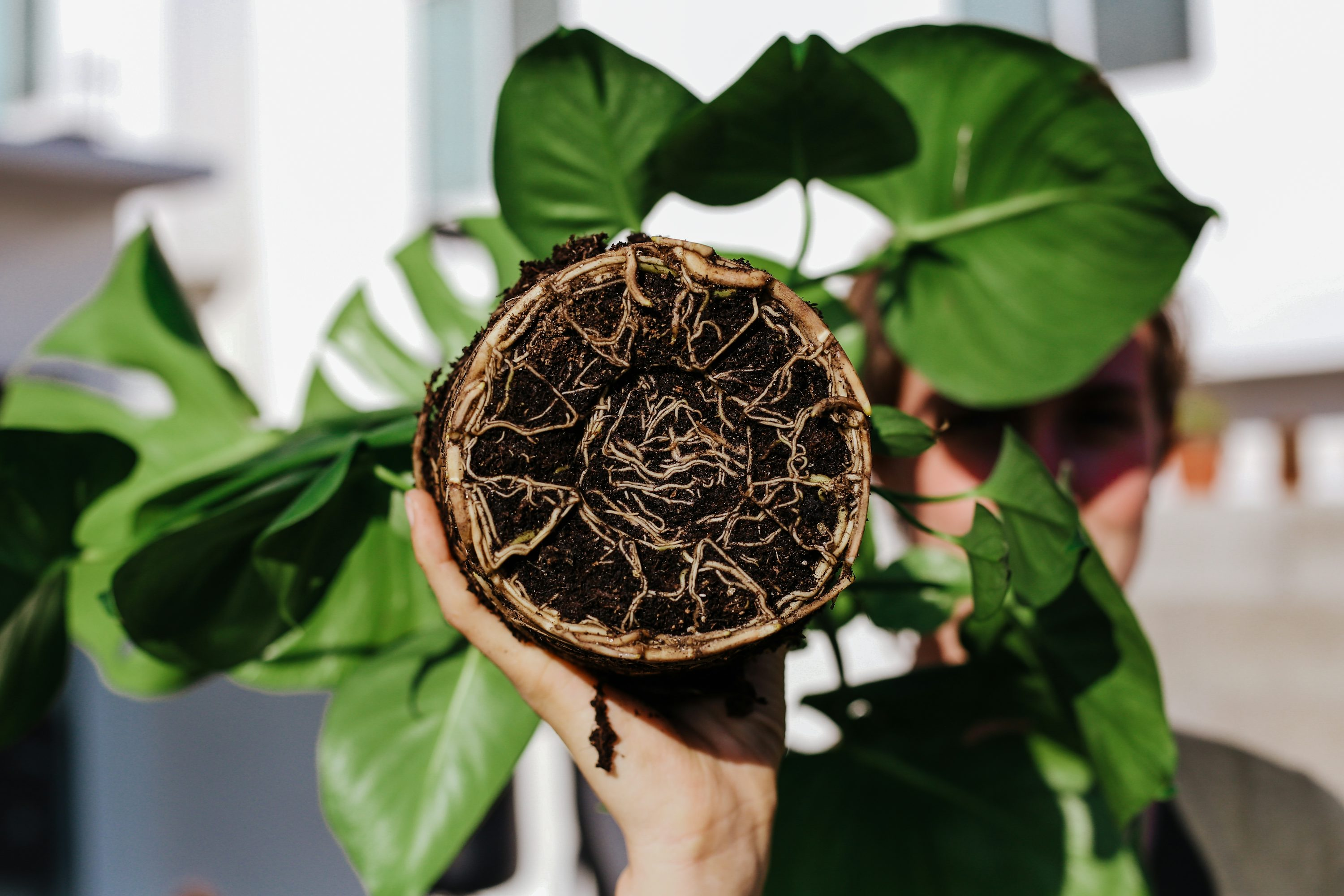
- You’ll see: Sudden wilt despite moist soil; yellowing; central rosette browning or collapsing; sour smell; roots brown and mushy instead of firm and white.
- Quick test: Unpot; rinse roots. Mushy, dark roots that slough are rot.
- Common mix-ups: Underwatering (pot feels light; roots still white/firm), heat wilt (recovers at night).
Aphids
- You’ll see: Clusters of soft green/black/peach insects on buds and stems; sticky honeydew and sometimes sooty mold; ants farming them.
- Quick test: Tap a stem over white paper—aphids drop easily and move slowly.
Thrips
- You’ll see: Silvery streaks/scarring on leaves, crinkled petals with brown edges, tiny black specks (frass) on petals; worse in warm, dry weather and on buds.
- Quick test: Tap a flower over white paper—slender, fast, rice-grain bodies scuttle sideways.
Whiteflies
- You’ll see: Tiny white “moths” fly up when you brush foliage; sticky honeydew; yellowing leaves.
- Quick test: Disturb plant—dozens lift off; check leaf undersides for scale-like nymphs.
Mites (spider, broad, cyclamen)

- Spider mites: Fine stippling, bronzing, and delicate webbing; worst in hot, dry air.
- Broad/cyclamen mites: Distorted, hardened new leaves; buds abort or open deformed, often without visible webbing.
- Quick test: White paper tap—spider mites appear as moving specks; 10× hand lens helps confirm.
Action plans you can follow today
Botrytis (gray mold) 48-hour triage
- Right now
- Clip and bin: Remove all affected blooms/leaves and any debris touching the crown. Cut spent stems at their base.
- Air it out: Improve airflow immediately—space plants, thin congested leaves, run a gentle fan indoors.
- Dry the routine: Switch to morning, soil-only watering; keep leaves and petals dry.
- Sanitize: Disinfect shears between cuts; clear saucers so pots never sit in water.
- Next 7–14 days
- Spot-treat: Consider a biofungicide labeled for gray mold (e.g., Bacillus-based products). Apply in cool hours; reapply per label.
- Environment: Avoid overcrowding; give bright light and light midday shade in extreme heat.
- Stop it from coming back
- Deadhead promptly. Remove yellowing leaves to open the crown.
- Keep humidity moderate with constant fresh air, not “muggy + wet.” Never water into the rosette.
Crown/Root Rot rescue
- Right now
- Unpot and inspect: Trim back to firm, white roots; wash away old mix. Discard all soggy media.
- Replant: New free-draining mix (e.g., 50–60% peat/coir, 30–40% perlite/grit, 10% compost), crown at/just above soil level, in a pot with generous drainage.
- Water smart: Moisten lightly to settle roots; then let the top 2–5 cm dry before watering again.
- Next 7–14 days
- Drench, optional: Apply a labeled biological such as Trichoderma or Bacillus as a root-zone drench.
- Shade and air: Bright light with gentle air; avoid heat stress while roots recover.
- Stop it from coming back
- Never bury the crown or let water sit in the rosette.
- Use saucers only to catch runoff; empty immediately. Avoid heavy soils.
Aphids: fast knockdown, gentle on blooms
- Right now
- Blast and pinch: Early morning, hose off colonies from below, keeping the crown dry; pinch off heavily infested tips/buds.
- Soap/oil: Spray insecticidal soap or light horticultural oil, coating undersides. Test a leaf first; repeat in 5–7 days.
- Next 7–14 days
- Sticky cards: Add yellow cards near foliage to monitor declines.
- Biocontrol (indoors/greenhouse): Aphidius spp. wasps or lacewing larvae if available.
- Stop it from coming back
- Avoid excess nitrogen (lush, aphid-magnet growth).
- Keep ants off the plant—they protect aphids. Manage ant trails.
Thrips: protect buds and petals
- Right now
- Isolate: Move the plant away from others, especially cut flowers (thrips hitchhike).
- Groom: Remove the worst-damaged blooms/buds; bag and bin.
- Blue or yellow sticky cards: Place at flower height to reduce adults.
- Spray option: Use a product labeled for thrips (spinosad or insecticidal soap). Apply at dusk to spare pollinators and avoid petal burn; repeat in 5–7 days.
- Next 7–14 days
- Predatory mites: In protected settings, Amblyseius cucumeris or A. swirskii can suppress larvae in buds.
- Stop it from coming back
- Weed and debris control around pots and benches.
- Bright light and steady moisture (not droughty) keep plants less attractive to thrips.
Whiteflies: break the life cycle
- Right now
- Vacuum gently: In the cool of morning, use a handheld vacuum under leaves to remove adults; empty bag outside.
- Soap/oil: Thoroughly spray leaf undersides; repeat weekly 2–3 times.
- Sticky cards: Yellow cards at canopy level to trap adults.
- Next 7–14 days
- Biocontrol (indoors): Encarsia formosa parasitoids target nymphs.
- Stop it from coming back
- Don’t overfertilize (soft growth invites trouble).
- Quarantine new plants for 2–3 weeks before placing with your gerbera.
Mites: win the moisture–air balance
- Spider mites (hot/dry)
- Right now: Rinse undersides with a firm spray, avoiding the rosette. Follow with insecticidal soap or horticultural oil; spot-test fuzzy leaves first. Repeat 3 times at 5–7 day intervals.
- Biocontrol: Phytoseiulus persimilis excels against spider mites in greenhouses.
- Environment: Increase gentle airflow; avoid bone-dry heat.
- Broad/cyclamen mites (distorted new growth)
- Right now: Remove badly distorted tips. Use a labeled miticide/soap/oil; repeat per label.
- Biocontrol: Amblyseius swirskii or A. cucumeris can help suppress populations.
- Stop it from coming back
- Keep plants in bright light with moderate, not arid, conditions—without keeping leaves wet.
- Inspect the newest leaves weekly with a 10× hand lens.
IPM backbone: airflow, sanitation, and soil moisture control
- Airflow
- Space plants so leaves don’t constantly touch.
- Indoors: run a small fan on low, oscillating, not blasting.
- Outdoors: provide morning sun and light afternoon shade in peak heat; avoid windless corners.
- Sanitation
- Deadhead to the base; remove yellowing leaves promptly.
- Keep the crown open—no mats of old foliage trapping moisture.
- Clean benches, pruners, and pots; don’t reuse soggy potting mix.
- Dispose of infested/diseased waste sealed in the trash, not the compost.
- Soil moisture control
- Use a free-draining, slightly acidic mix; refresh yearly or when it compacts.
- Water early, at the soil line; never into the rosette.
- Let the surface dry slightly between waterings; never let pots stand in runoff.
- In heat waves, water more often but still avoid soggy soil.
Smart monitoring (5 minutes a week)
- Sticky cards: 1 yellow card per plant cluster; check weekly for spikes (thrips/whiteflies).
- White paper tap: Flowers for thrips; leaves for mites—count what drops.
- Hand lens: 10× reveals nymphs, mites, and mold threads.
- Root check: If chronic wilt or yellowing, unpot and inspect roots before you water again.
When you need products
- Start with cultural/mechanical controls above. If you spray, choose least-toxic options labeled for ornamentals: insecticidal soaps, light horticultural oils, spinosad (for thrips/leaf-feeders), and biofungicides for Botrytis. Always test-spray a leaf, apply in cool hours, and follow label directions. Rotate modes of action between repeats.
Seasonal risk map for Gerbera Daisy
- Spring: Peak bloom and new growth; Botrytis risk in cool, damp spells; aphids arrive. Prioritize airflow, sanitation, and monitoring.
- Summer: Spider mites and thrips surge in hot, dry air; provide light afternoon shade behind glass, steady moisture, and vigilant scouting.
- Autumn: Often a second bloom flush; cool nights raise Botrytis risk again—keep petals and crowns dry.
- Winter: Growth slows; water sparingly, keep above ~10°C (50°F), and never leave plants cold and damp.
Cut-flower hygiene (if you’re harvesting blooms)
- Use a very clean vase; shallow water; change daily or use preservative.
- Keep arrangements cool and out of direct sun.
- Remove aging blooms promptly to limit Botrytis and stem rot.
Why gerberas keep smiling for months when you get the basics right
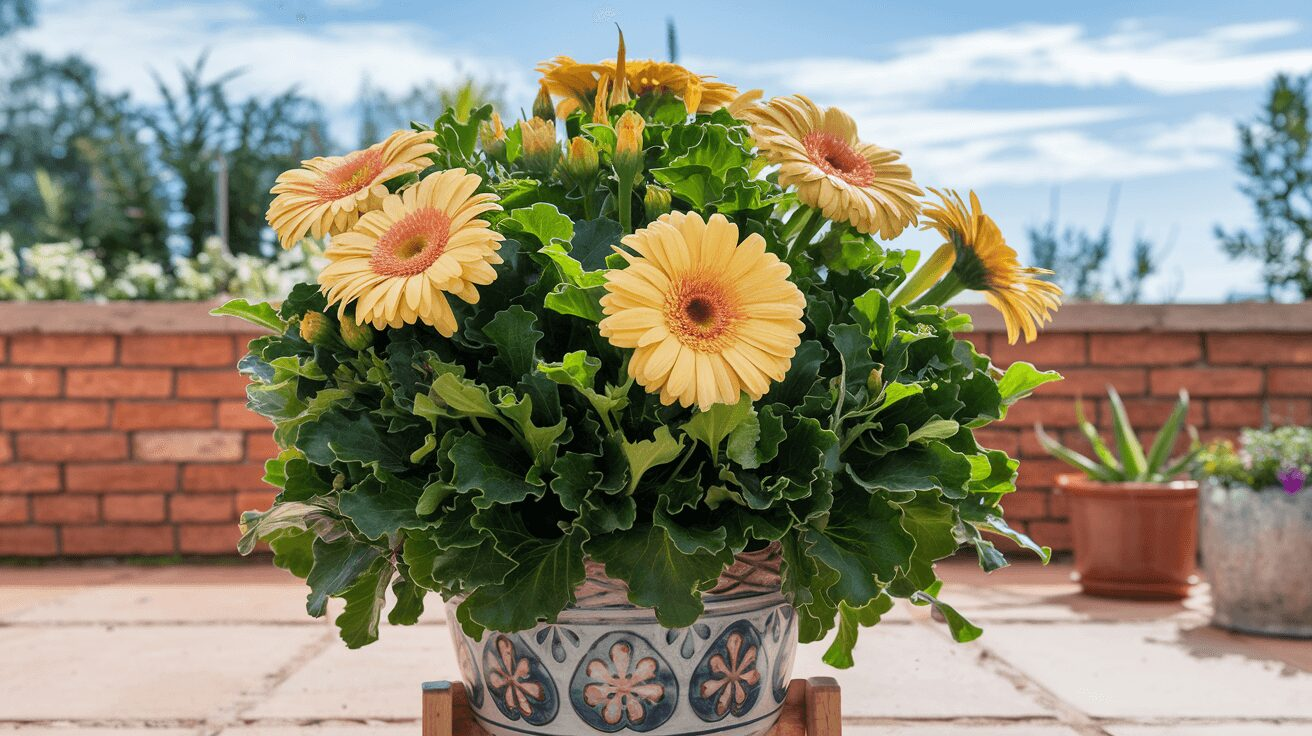
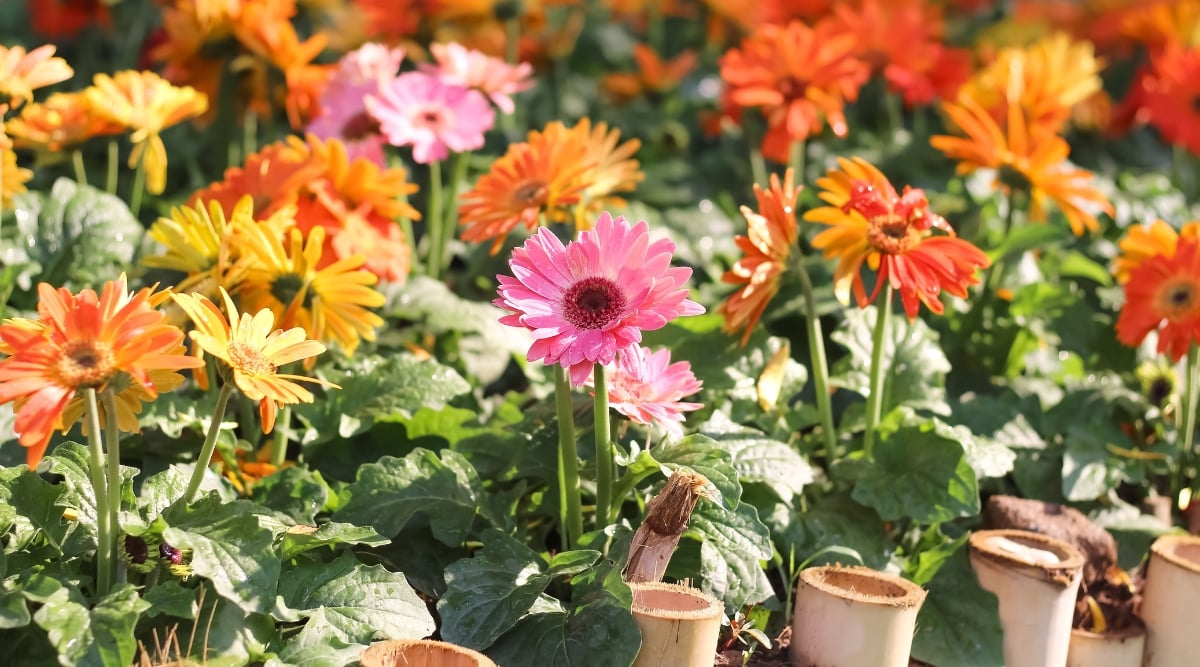
Gerbera daisies form a tidy rosette of softly hairy, toothed leaves, then send up leafless stems topped with 5–15 cm (2–6 in) daisies in vivid whites, yellows, oranges, pinks, and reds. With bright light, evenly moist (never soggy) soil, and plenty of fresh air, they bloom from spring through autumn outdoors and off and on indoors much of the year. Most potted plants stay 20–45 cm (8–18 in) tall and are container naturals for sunny windows, balconies, and patios.
A brief note on “flower language”
Gerberas are widely gifted as symbols of cheer, warmth, and admiration—colors carry popular meanings (red for love, yellow for joy, pink for gentle admiration, white for purity, orange for enthusiasm). These associations grew from modern floristry and cultural storytelling rather than ancient codices; still, the symbolism feels right when a pot of bold, upbeat blooms lights up a room.
Your no-repeat-outbreak checklist
- Bright light, morning sun; gentle afternoon shade in high heat.
- Soil-only watering at dawn; keep the rosette dry.
- Open crown: deadhead to the base, remove aging leaves.
- Free-draining, slightly acidic mix; crown at/above soil level.
- Fresh air and spacing; indoor fan on low.
- Weekly scouting: sticky cards + white paper tap.
- Quarantine new plants 2–3 weeks.
- Go after the first pest you see—small problems are the easiest to fix.
Get these fundamentals right, and Gerbera jamesonii will spend far more time smiling than sulking—and you’ll spend far less time firefighting Botrytis, rot, and bugs.