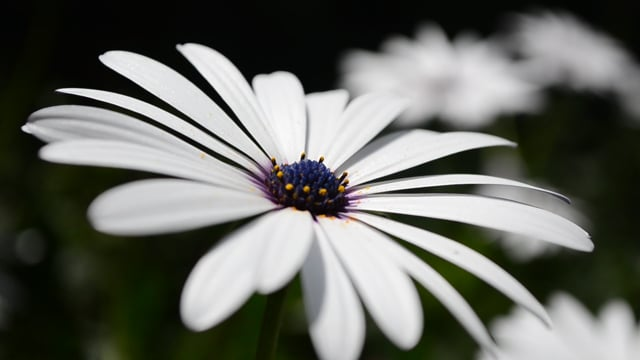
Gerbera jamesonii is a feel-good flower with a precision care routine. Nail three things—light, watering, and airflow—and you’ll keep those sunburst blooms coming from spring through fall. Here’s your crisp, step-by-step playbook.
The Light Playbook: How much sun (and when)
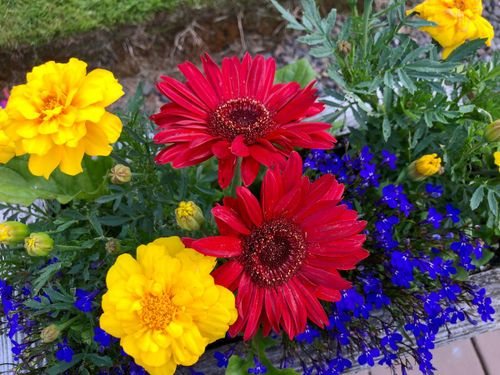
Gerberas love strong light, but they dislike being cooked. Aim for at least 6 hours of bright light daily.
- Outdoors (temperate to warm climates)
- Best: 3–5 hours of direct morning sun (roughly sunrise to late morning), then bright, dappled light or light shade through the hottest part of the day.
- In hot summers: Shield from harsh midday/early afternoon sun, especially during heat waves or against reflective walls.
- In cool, breezy coastal or high-altitude spots: They can often handle more direct sun, provided soil stays evenly moist and drains well.
- Indoors
- Place in the brightest window you have—south or west exposure is ideal.
- Behind glass in midsummer, strong noon sun can overheat the crown; give sheer-curtain filtration during peak hours.
- If you can’t deliver bright sun, add a grow light 6–12 inches above the plant for 12–14 hours/day.
- Quick light diagnostics
- Too little light: Long, floppy stems; small or sparse blooms; dull leaf color.
- Too much heat/light: Leaf edge scorch, wilting midday despite moist soil. Provide mid-day shade and add airflow.
Tip: Containers often outperform in-ground plantings because you can fine-tune light exposure by moving the pot as the season shifts.
The Watering Playbook: The exact dry-down (and how to hit it)
Gerberas want consistent moisture in a fast-draining mix. The enemy is sogginess—especially in the crown.
- Your dry-down target
- Let the top 2–5 cm (1–2 inches) of the mix dry before watering again.
- Three quick ways to confirm:
1) Finger test: Top knuckle comes out mostly clean/dry.
2) Pot weight: Feels noticeably lighter than “just-watered.”
3) Moisture meter: Aim around 3–4 in the top third of the pot.
- In warm, bright conditions, this may mean watering several times a week; in cool, low light, it can be far less.
- How to water (and keep the crown dry)
- Always water the soil, not the center rosette. Never pour into the crown.
- Water early in the day so any splash on leaves dries fast.
- Bottom-watering is excellent for pots: Set the nursery pot in a tray of water for 10–20 minutes, then drain thoroughly. Don’t leave it standing in water.
- After rain or overhead irrigation outdoors, gently shake or blow off water lingering in the rosette.
- Amount to apply
- Water thoroughly until a bit runs from drainage holes, then let excess drain completely.
- If the potting mix stays wet for more than 48 hours, improve drainage (see Soil & Potting below) and increase airflow.
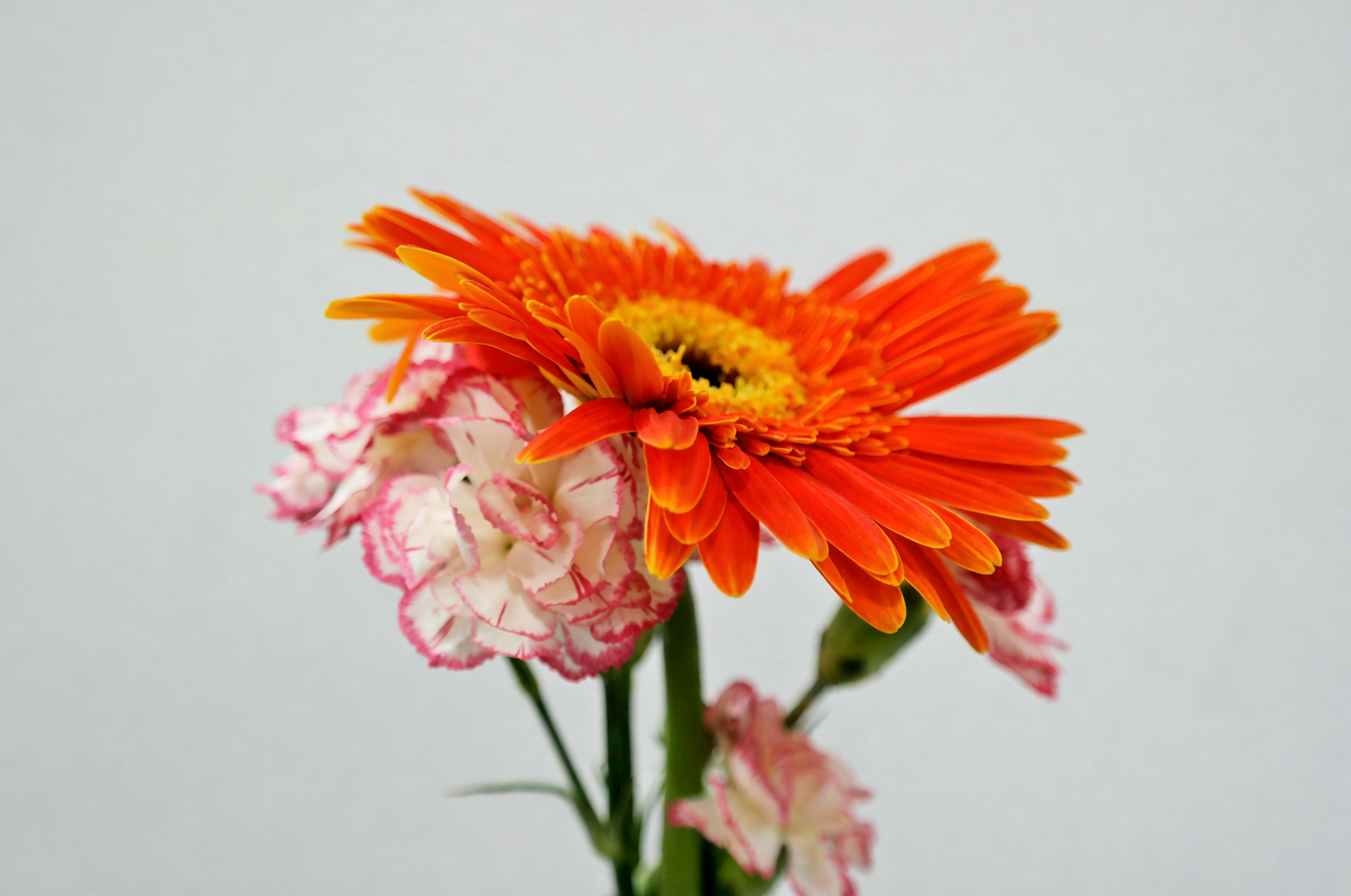
Airflow: The quiet hero against rot and mildew
Fresh, moving air keeps leaves dry and the crown healthy.
- Indoors: Run a small circulating fan nearby (not blasting directly at the plant). Avoid stuffy corners.
- Outdoors: Space plants so leaves don’t overlap; avoid tucking pots into windless alcoves.
- Grooming for airflow: Remove yellowing or crowded interior leaves to open the rosette and reduce gray mold (Botrytis) and powdery mildew risk.
Soil & Potting: Set the stage for steady moisture without sogginess
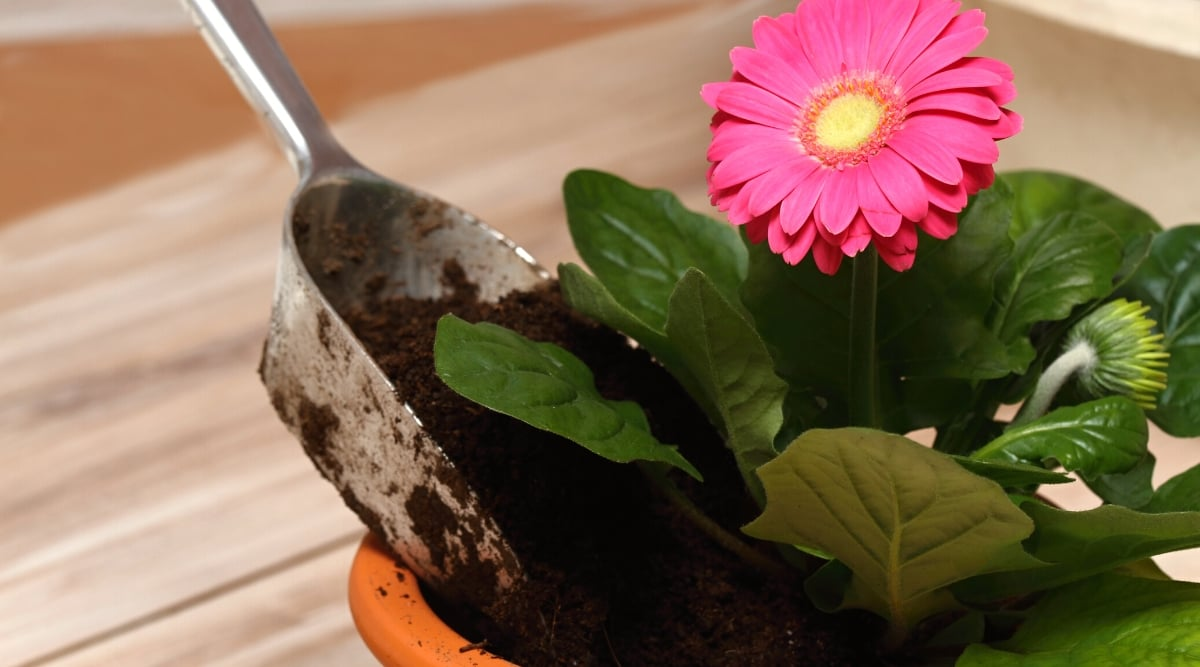
- Potting mix
- Use a rich but free-draining blend—aim near pH 5.5–6.5.
- Example recipe: 50–60% high-quality peat/coir, 20–30% perlite or pumice, 10–20% fine bark or grit. Avoid heavy, water-holding soils.
- Pot choice
- Use a pot with large drainage holes; unglazed terracotta helps moisture move.
- Size: A snug 12.5–15 cm (5–6 in) pot suits a single plant. Upsize only one step when root-bound.
- Planting depth
- Keep the crown at or slightly above the soil surface. Never bury it and don’t mulch over it—buried crowns rot.
- Repotting
- Best in spring. Refresh mix annually if growth slows, and be gentle with roots.
Feeding For Nonstop Color
- Feed lightly every 2 weeks in active growth (spring through late summer) with a balanced liquid fertilizer at label rates.
- If you’re getting lots of leaves but few buds, switch to—or alternate with—a bloom-leaning formula (lower nitrogen, relatively higher phosphorus/potassium).
- Ease off feeding in late autumn/winter when growth slows.
Deadheading & Grooming: Where to cut matters
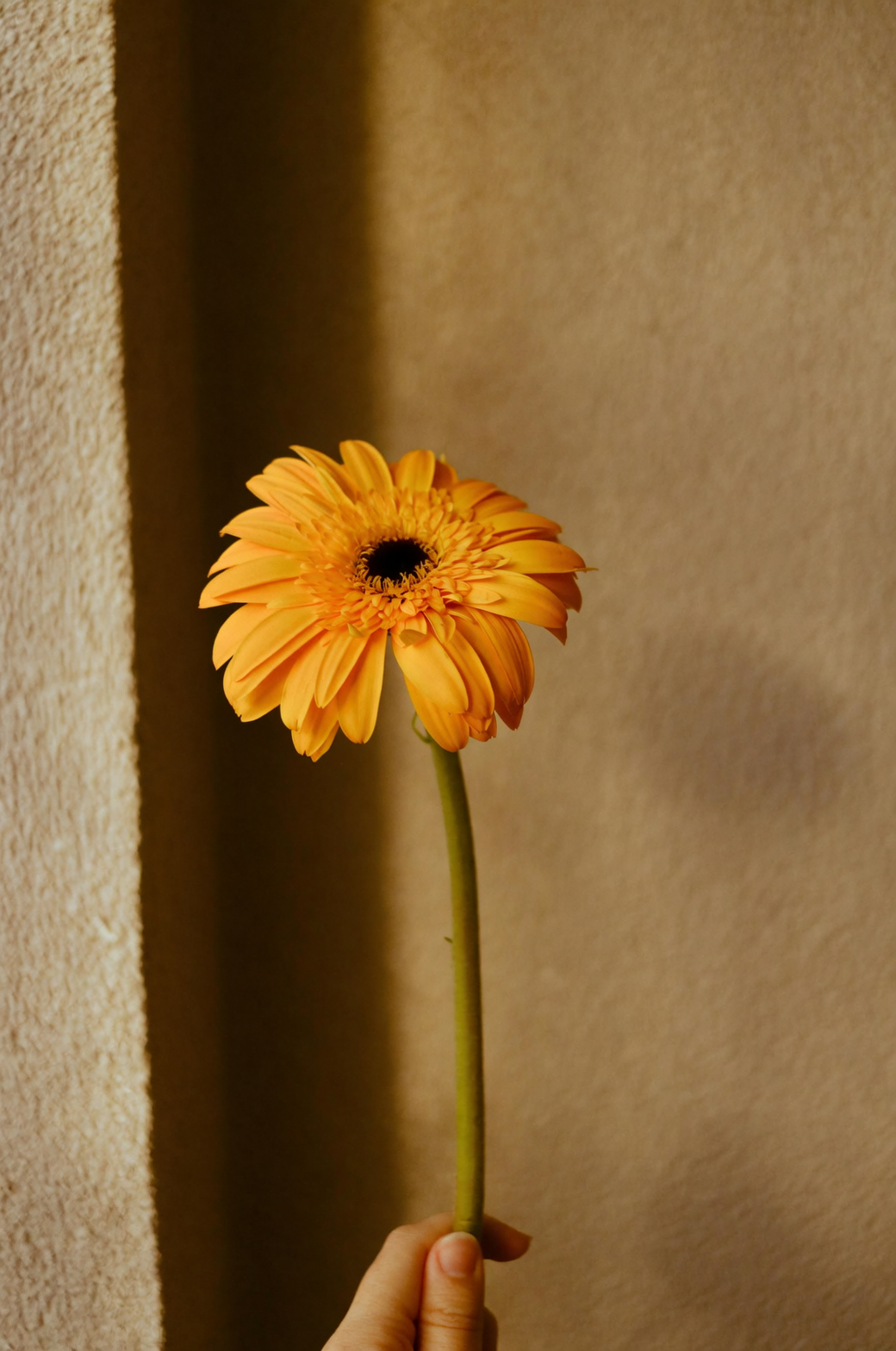
- Remove spent blooms all the way down at the base—don’t leave a stub. Deep deadheading signals the plant to push fresh buds.
- Trim off tired, yellowing, or crowded leaves to keep the crown open and airy.
Seasonal Tweaks: Keep blooms rolling from spring to fall
- Spring (gear-up and first flush)
- Increase light gradually if coming from low-light winter quarters.
- Resume regular feeding and watering to the 2–5 cm dry-down target.
- Divide crowded clumps and repot with the crown slightly proud of the soil.
- Ideal temps for bud set and flower longevity: 18–24°C (64–75°F).
- Summer (heat management)
- Protect from harsh midday/afternoon sun in hot spells, especially behind glass.
- Water more frequently, but never let the pot sit in water.
- Maximize airflow to prevent Botrytis and crown rot; keep foliage dry.
- Brief shade cloth at solar noon can maintain flowering through heat waves.
- Autumn (second wind)
- As nights cool, many plants rebloom strongly. Maintain bright morning sun.
- Keep feeding until late autumn, then taper.
- Continue deep deadheading to extend the run of flowers.
- Winter (rest and reset)
- Keep above about 10°C (50°F). No frost—these are frost-tender.
- Reduce watering; still follow the 2–5 cm surface dry-down, but it will take longer between drinks.
- Stop or greatly reduce feeding; keep leaves and crown dry and air moving.
- Indoors with very bright light and mild temperatures, sporadic winter blooms may occur.
Indoors vs. Outdoors: Small adjustments that pay off
- Indoors
- Light: Bright window plus a fan. Filter midday summer sun to avoid heat stress.
- Water: Bottom-watering or careful soil-level watering helps keep the rosette dry.
- Hygiene: Remove spent blooms promptly; watch for spider mites, thrips, and whiteflies.
- Outdoors
- Placement: Morning sun, afternoon bright shade in hot climates.
- Drainage: Raised beds or containers beat heavy clay. Avoid low spots where cold, damp air lingers.
- Overwintering in cold regions: Treat as an annual or bring containers inside to a bright, cool room above 10°C (50°F).
Troubleshooting by Symptom
- Buds or flowers rotting
- Likely causes: Water in the crown, soggy soil, heat stress, stagnant air.
- Fix: Water only the soil; improve drainage; add airflow; provide midday shade in heat.
- Yellowing leaves
- Common causes: Over/underwatering, low light, cold stress, or nutrient imbalance.
- Fix: Return to the 2–5 cm dry-down; brighten light; keep temps mild; feed lightly in active growth.
- If your mix is alkaline, consider adjusting toward slightly acidic to improve iron uptake.
- Sparse blooms
- Check light (increase morning sun or add grow light), feeding (switch to bloom-leaning), and temperature (best flowering around 18–24°C).
Quick Health & Safety Notes
- Pests to watch: Aphids, thrips, whiteflies, spider mites, leafminers—especially indoors. Manage early with strong airflow, leaf hygiene, and targeted controls if needed.
- Diseases: Powdery mildew, leaf spots, Botrytis, crown/root rot. Prevention beats cure: bright light, excellent drainage, dry crown, and good ventilation.
- Pet-friendly: Generally listed as non-toxic to cats and dogs. Discourage nibbling to avoid tummy upsets.
Cut-Flower Bonus: Make stems last (and stand tall)
- Use a very clean vase with shallow water; change water daily or use floral preservative.
- Keep arrangements cool and out of direct sun.
- If stems bend, a supportive collar/tube or tighter arrangement helps maintain posture.
A Note on Meaning: Why gerberas feel so happy
Gerbera daisies have become icons of cheerfulness, warmth, and admiration—associations popularized by modern floristry and color psychology rather than ancient lore. Colors often carry a message: red for love, yellow for joy and friendship, pink for gentle admiration, white for purity, orange for energy. It’s contemporary symbolism, but it fits the plant’s exuberant look.
Fast Facts to Remember
- Light: At least 6 hours of bright light; morning sun is gold.
- Water: Thorough soak, then let the top 2–5 cm dry; keep the crown dry; water early in the day.
- Air: Fresh, moving air prevents rot and mildew.
- Soil: Rich, free-draining, slightly acidic (pH 5.5–6.5); never bury the crown.
- Temps: Mild is best—roughly 15–28°C (59–82°F), with peak flowering near 18–24°C.
- Hardiness: Frost-tender; best outdoors in mild climates or as a container plant you can protect.
Follow this light-water-airflow trio, and your Gerbera jamesonii will reward you with a bright, rolling parade of blooms from spring right into fall.