

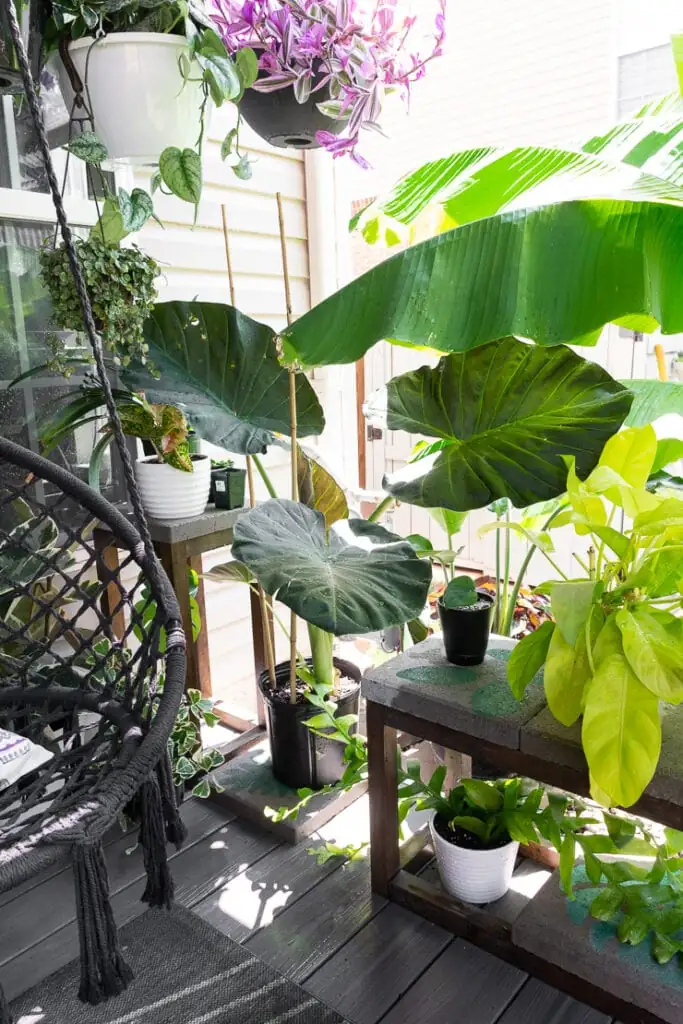
If you’ve ever wished your patio could feel like the edge of a rainforest, Alocasia (Elephant’s Ear) delivers instant jungle drama. Those sculptural, arrow- or shield-shaped leaves seem to stand at attention—bold, veined, and a little bit wild. Outdoors in warm climates (USDA Zones 10–12) and in summer containers almost anywhere, Alocasia can thrive—if you garden with climate-savvy finesse. Think: gentle light acclimation, smart shade cloth, wind breaks, heat-wise watering, and a smooth winter exit strategy.
Here’s your friendly, field-tested guide.
Meet Alocasia outdoors: what to expect
- Identity check: Alocasia spp. (Araceae), commonly called Elephant’s Ear or African Mask Plant. Native to tropical and subtropical Asia, Southeast Asia, and eastern Australia.
- Look and growth: Upright clumps from rhizomes or tubers, with leathery leaves often etched in white or silvery veins. In warm, humid weather they can grow fast—sometimes a new leaf weekly.
- Hardiness: Best outdoors year-round in USDA Zones 10–12; not frost tolerant.
- Light: Bright, indirect light to partial shade—the “rainforest understory” vibe. Aim for 3–5 hours of bright, filtered light daily; harsh midday sun can scorch.
- Heat and humidity: Sweet spot is 60–85°F (15–29°C) with humidity 65%+. Below ~60°F, growth stalls and stress rises.
Light done right: acclimation and shade strategy
Bright light fuels those glossy sails—but blast them with midday sun and they’ll scorch. Win the light game with a plan.

Acclimate like a pro
- Week 1: Full bright shade outdoors (north side of a house, under a canopy, or behind sheer shade cloth).
- Week 2: Introduce soft sun—early morning or late afternoon for 30–60 minutes, filtered through a tree or 30–50% shade cloth.
- Week 3–4: Gradually extend filtered sun time if desired, always avoiding high-noon scorch. In hot, arid regions, stick with high, bright shade all summer.
Watch the leaves:
- Too much sun: Silvery or bleached patches, crispy edges, rapid yellowing on the newest leaves.
- Too little light: Long petioles, smaller leaves, “reaching” toward the light. Step up brightness, not scorch.
Shade cloth that actually helps
- Density: 30–40% suits most patios; bump to 50–60% during heat waves or in high-elevation/reflective sites.
- Color: Black or green reduces glare; white reflects heat well in very hot climates.
- Placement: Suspend 6–12 inches above the canopy to keep airflow; tension it so it doesn’t flap and bruise leaves.
- Bonus: Shade cloth mimics dappled understory light and softens leaf temps dramatically.
Wind-wise placement and support
Those big leaves are natural sails—magnificent, but tear-prone.
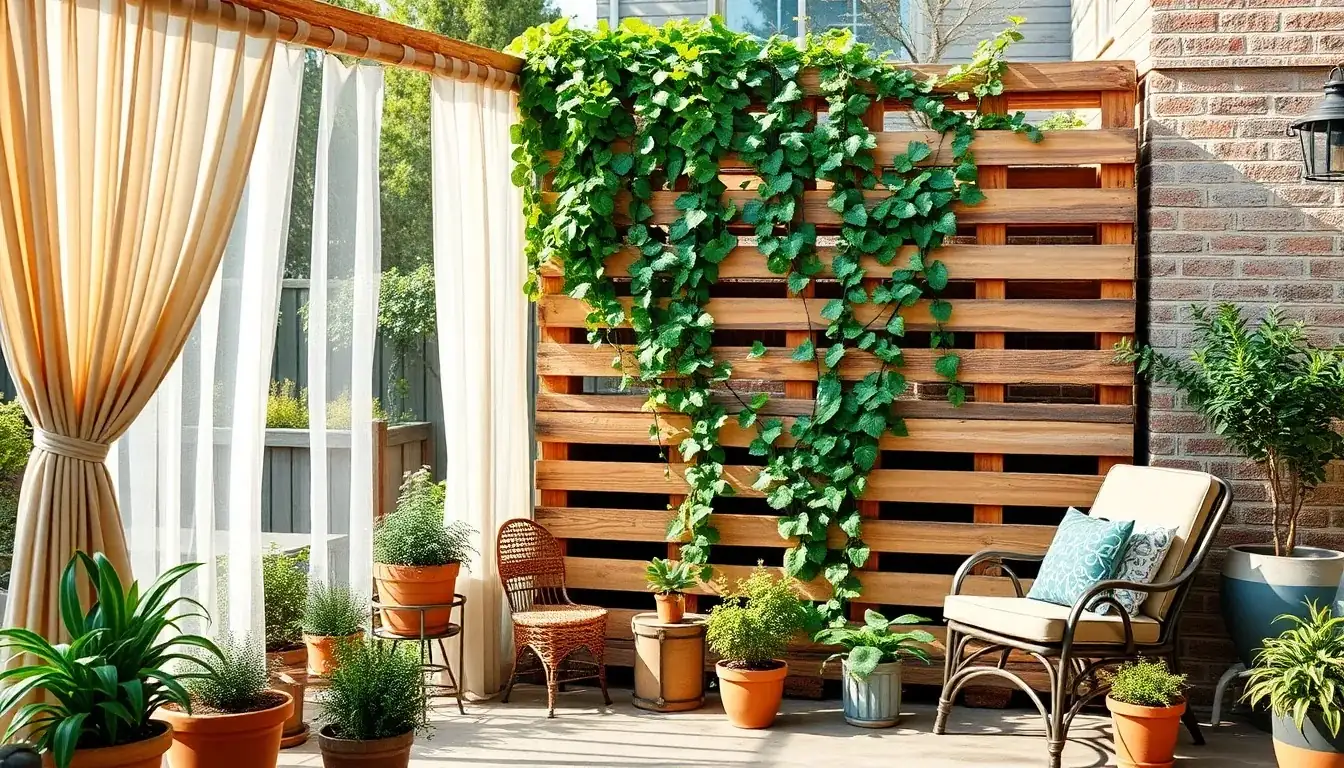
- Site selection: Tuck plants behind fences, hedges, or lattice; cluster near walls that block prevailing winds (but avoid reflective scorch off pale stucco).
- Gentle airflow, not gusts: Open breezes help deter fungal spots and mites; harsh gusts shred leaves.
- Supports: For tall types, discreet ring stakes or bamboo stakes prevent petiole snap in storm bursts.
- Salt and seaside: Rinse salt spray from leaves with fresh water in the morning and provide extra wind protection.
Watering in heat: cool heads and even moisture
Alocasia likes “evenly moist, never soggy.” In summer heat, that balance is everything.
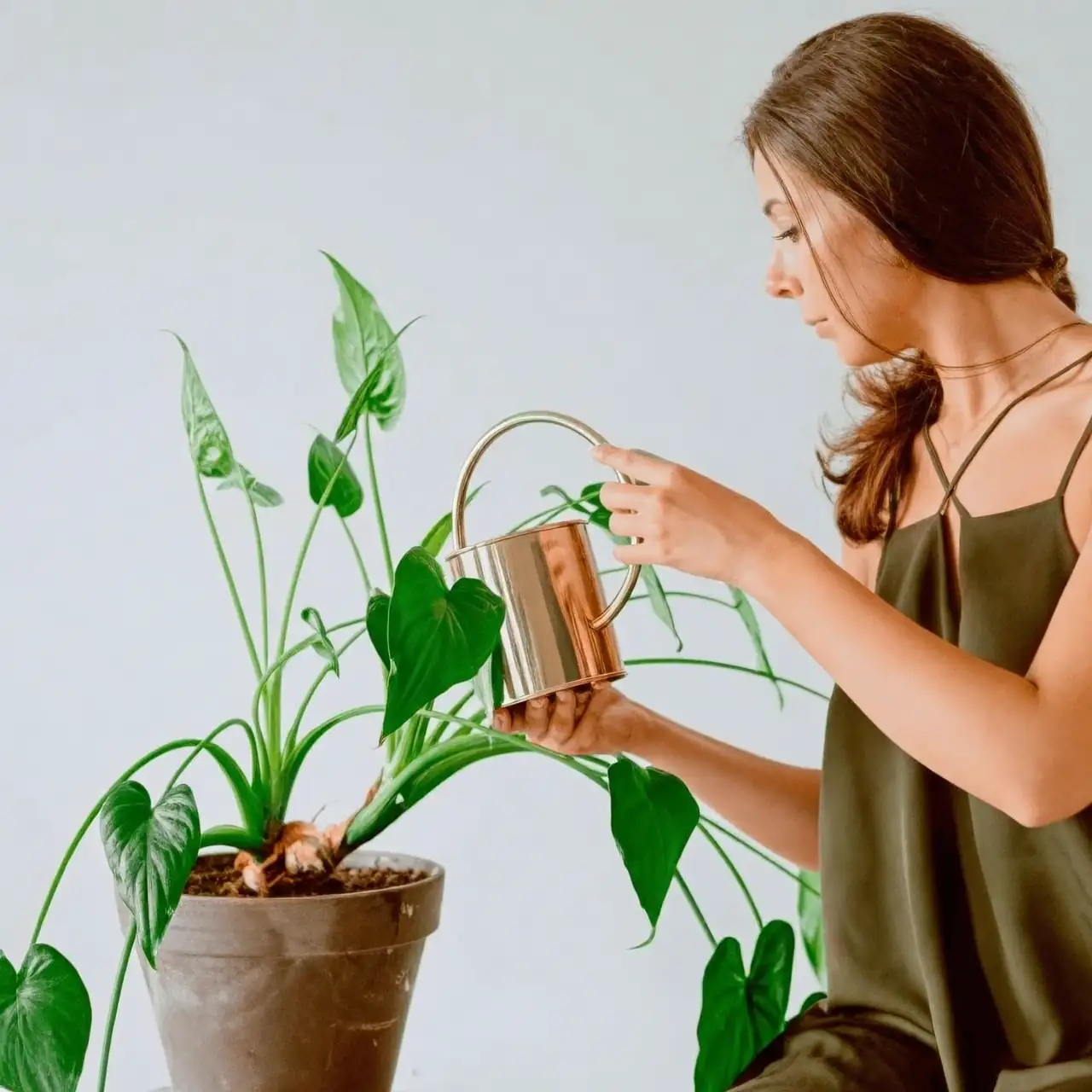
- Check the top 2–3 inches: Water when this layer feels dry, then drench thoroughly until excess drains. Empty saucers within ~30 minutes.
- Best time: Morning watering primes leaves for the day and reduces fungal risk.
- Containers vs. in-ground:
- Containers dry faster—check daily during heat waves. Larger pots buffer moisture swings.
- In-ground beds need excellent drainage; consider a slight mound in heavy soils.
- Mix matters: Use an airy aroid blend—peat/coco coir base plus chunky orchid bark and perlite. Slightly acidic pH 5.5–6.5 is ideal.
- Mulch smartly: Top-dress with chunky bark or coconut chips to moderate soil temps; keep mulch off petiole bases to prevent rot.
- Arid climates: Group pots to create a humid microclimate. Skip frequent overhead spritzing—constantly wet foliage invites spots.
- Sensitive to water quality? If your plant sulks with tap water, use distilled or let tap water sit 24 hours before use.
Container choices that make a difference
- Pot material: Clay breathes and reduces rot risk; plastic/glazed pots hold moisture longer—great in very hot, dry zones.
- Drainage: Multiple holes, pot feet, and fast-draining mix are nonnegotiable.
- Right size: Move up just one pot size when roots fill out (spring or summer). Overpotting invites soggy soil.
Feeding for bold leaves (without overdoing it)
- During active growth (spring–summer): Fertilize 1–2 times per month with a balanced liquid (e.g., 20-20-20) at half strength, or use a slow-release fertilizer every 6–8 weeks.
- Fall–winter: Pause feeding as growth slows and some plants enter dormancy.
- Leaf care: Dust-free leaves photosynthesize better—wipe with a damp cloth; avoid oily leaf-shine products.
Pests and leaf health outdoors
- Usual suspects: Spider mites (a big one), mealybugs, scale, and aphids.
- Routine: Inspect undersides and petiole junctions weekly. Treat early with insecticidal soap or neem oil, repeating as needed. Improve airflow and avoid habitual overhead watering.
- Disease watch: Soggy soil = root rot. Fungal leaf spots thrive on constantly wet leaves—water at soil level and time irrigation for quick drying.
A seasonal game plan for Zones 10–12
- Spring: Growth wakes up. Repot/divide if needed; start light feeding; acclimate to brighter outdoor positions.
- Summer: Peak leaf production. Maintain shade cloth, steady moisture, and high humidity; protect from harsh sun and wind.
- Fall: Gradually reduce feeding; ease off watering as nights cool.
- Winter: Keep above 60°F. Many types slow down or drop leaves—water sparingly to keep the mix just lightly moist.
Overwintering strategies for cooler zones (container growers)
When nights dip toward 60°F (15°C), plan the move.
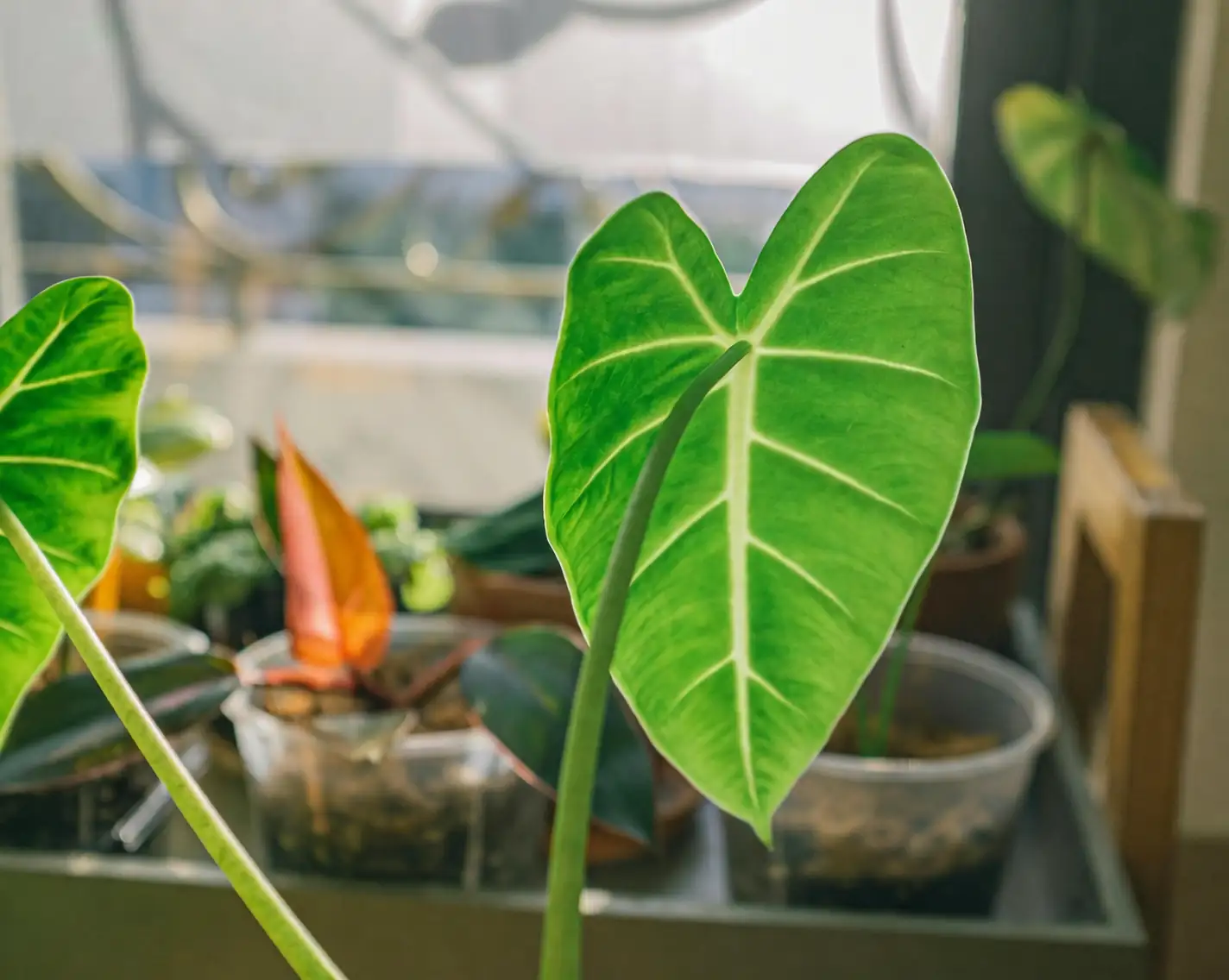
1) Bring it indoors as a houseplant
- Timing: Before nights consistently fall below ~60°F.
- Transition: Reverse-acclimate—move to bright shade for a week, then indoors near an east- or bright west-facing window.
- Care: Warmth, bright indirect light, and humidity 50–65%+ (use a humidifier or pebble tray). Water less—keep the mix lightly moist, not wet.
2) Warm, semi-resting mode
- If space is bright but cooler, keep temps above 60°F and reduce watering further. Some leaf drop is normal; avoid fertilizing until spring.
3) Spring reboot
- As days lengthen, resume feeding, up-pot if roots are tight, and divide offsets. Re-acclimate outdoors slowly when nights are reliably warm again.
Pro tip before the move: Rinse foliage, inspect thoroughly, and treat any pests. Quarantine new or outdoor-returning plants for 10–14 days indoors.
Quick troubleshooting
- Yellowing leaves: Usually watering trouble (too wet or too dry). Can also be low light, cool temps, low humidity, or a nutrient gap. If it’s just the oldest leaf as a new one emerges, that can be normal.
- Drooping or wilting: Check moisture first. Soggy roots or drought both cause droop. Confirm drainage; sniff for sour soil (rot).
- Brown, crispy edges: Heat, low humidity, or sun scorch. Increase filtered light, add shade cloth, and steady the watering rhythm.
- Tiny speckles/webbing: Likely spider mites—boost humidity, increase airflow, and treat promptly.
Safety first
Alocasia is toxic to people and pets (calcium oxalate crystals). Keep out of nibbling range, wear gloves when pruning, and avoid touching your eyes after handling.
A note on symbolism (and why it sticks)
Those upright, bold leaves have long felt like living emblems of resilience and growth—stand tall, keep pushing new foliage. In Feng Shui, Alocasia is sometimes linked with prosperity and career momentum. While “flower language” traditions vary by culture and era, the plant’s enduring appeal likely springs from its graphic confidence and the steady cadence of new leaves unfurling—nature’s way of saying there’s always another chapter.
—
Alocasia rewards thoughtful gardeners: give it dappled light, shelter it from wind, water with care in the heat, and offer a warm winter retreat. Do that, and those elephant ears won’t just survive your climate—they’ll headline your garden’s tropical story.


