Think of Alocasia—aka Elephant’s Ear—as a glossy-leafed athlete from the rainforest understory. It doesn’t want drama; it wants stable conditions. That’s why humidity, water quality, and root comfort make or break your plant. Let’s cut through common myths with a lab-lite approach you can try at home—no white coats required.
Meet Alocasia, Quickly
- Origin and vibe: Tropical and subtropical Asia to eastern Australia—warm, bright, and humid with dappled light.
- Light: Bright, indirect (3–5 hours of filtered light daily); avoid harsh sun.
- Temperature: 60–85°F (15–29°C), steady and draft-free.
- Humidity: Loves 65%+ (aim for a minimum of ~50%).
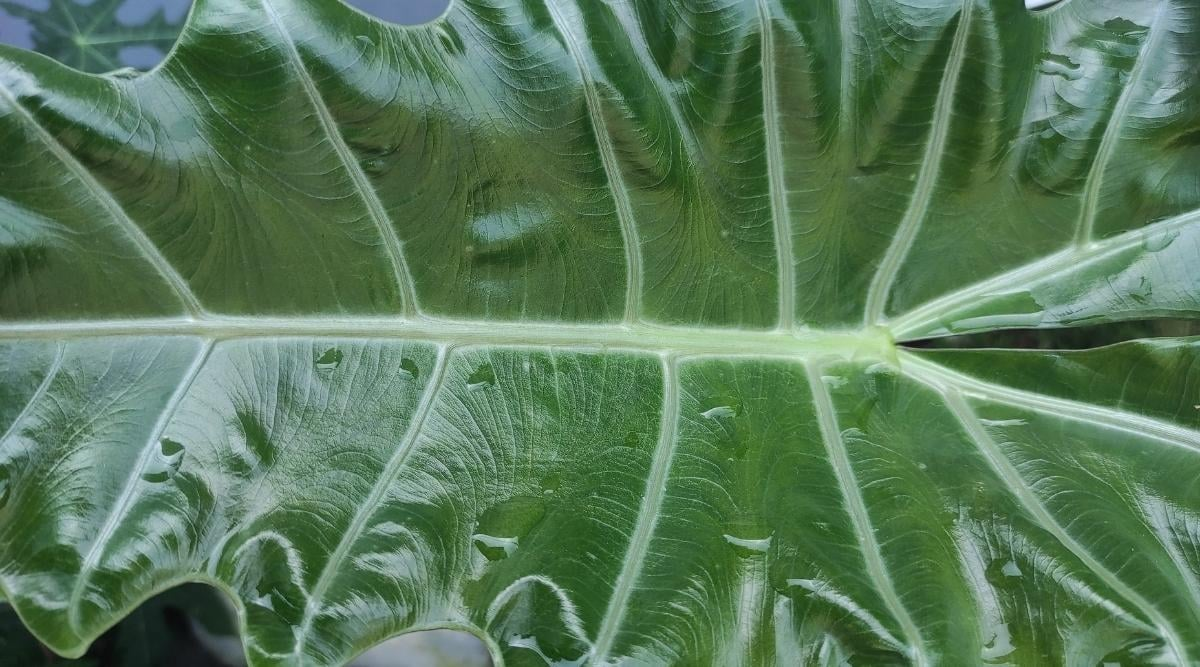
- Roots and leaves: Fleshy rhizomes/tubers feed those large, heart/arrow-shaped leaves with striking veins.
- Safety: Toxic to people and pets (calcium oxalate). Wear gloves when pruning; keep away from nibblers.
Humidifier vs. Pebble Tray: What Actually Works (and How Much)
The short answer
- Humidifier: The most reliable way to raise room humidity to Alocasia’s happy zone. Great for consistent 10–20% RH boosts in a typical room.
- Pebble tray: Helpful, but localized. Expect a small, near-canopy boost (often 2–5% RH right above the tray), not a room-wide change.
Both can help; they just operate on different scales.
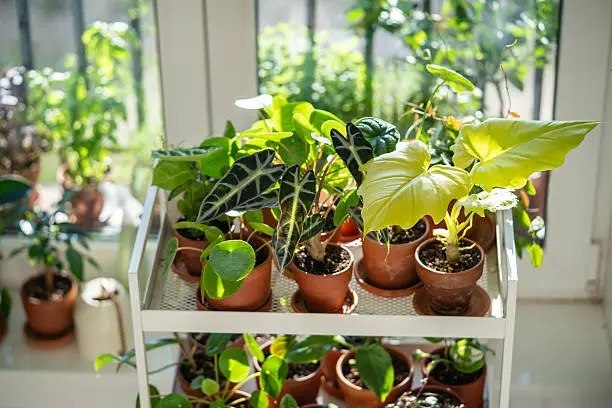
Try this one-week home test (lab-lite)
You’ll need a small digital hygrometer.
- Baseline: Place the hygrometer at leaf height, 6–12 inches from the plant. Record RH morning/evening for two days.
- Pebble tray: Fill a shallow tray with rinsed pebbles and water just below the pebble tops; set your pot on top. Record RH for 2–3 days.
- Humidifier: Place a cool-mist unit 2–4 feet away, angled past the leaves (not blasting them). Set to 60–70% RH. Record for 2–3 days.
What you’ll likely see:
- Pebble tray: Small uptick around the plant, most noticeable when HVAC is off.
- Humidifier: A clear, stable rise across the room—often the difference between crispy edges and lush leaves.
When a pebble tray shines
- As a safe barrier that keeps the pot above standing water.
- In tight spaces (shelves, desktops) where a micro-boost at leaf level helps.
- Paired with grouping plants (transpiration teamwork).
Using a humidifier the smart way
- Target: 60–70% RH for Elephants’ Ear comfort; avoid >75% long-term without airflow.
- Placement: 2–4 feet away, never fogging the leaves constantly (wet foliage invites spots).
- Water choice: Use distilled/RO in ultrasonic humidifiers to prevent “white dust” mineral deposits on leaves and furniture.
- Cleanliness: Rinse tank often; deep-clean weekly to avoid biofilm.
How to Measure Relative Humidity (RH) Like a Pro
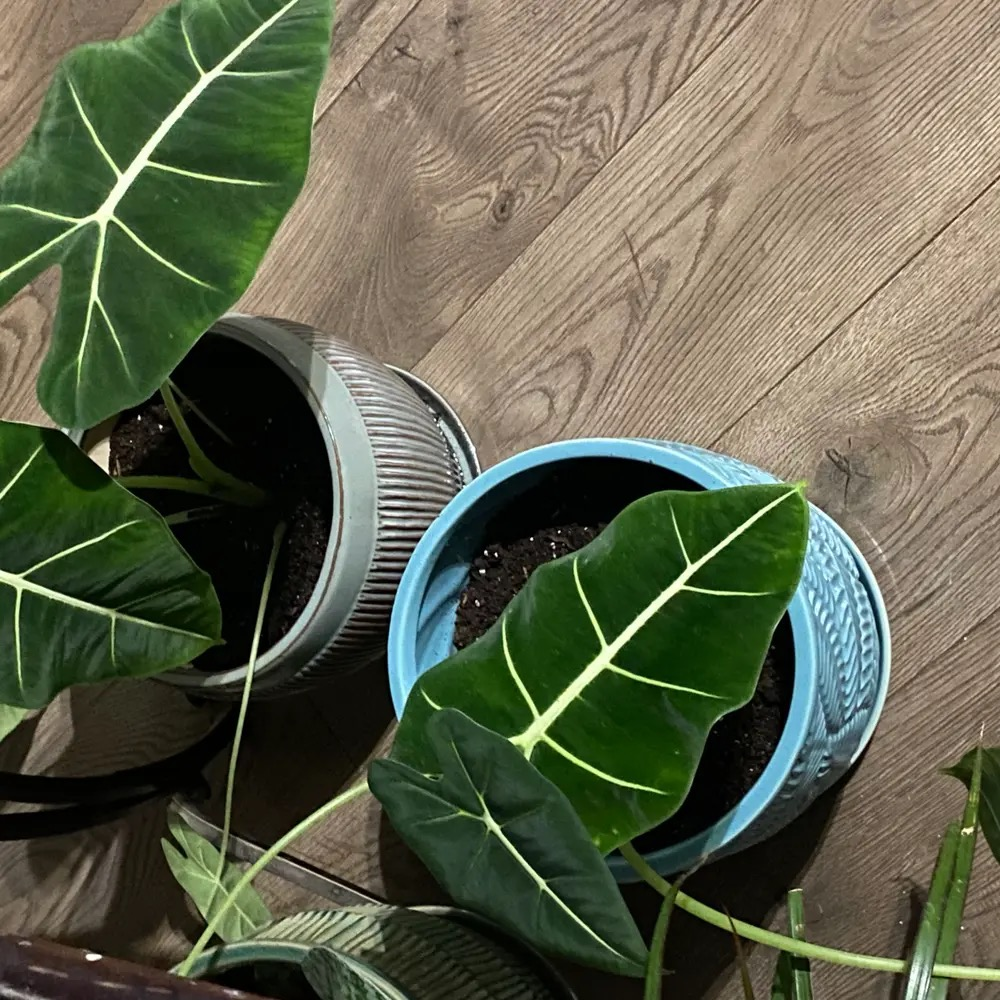
- Tool: A basic digital hygrometer/thermo-hygro combo is perfect.
- Placement: Read at leaf height. Take a second reading across the room for context.
- Timing: Check morning/evening and when your HVAC runs—indoor RH often swings 10–20%.
- Quick calibration check: Seal the hygrometer in a bag with a bottle-cap of damp table salt for 6–8 hours. It should read ~75% RH. If not, note the offset mentally.
Water Quality 101: Tap, Distilled, or Rain? Meet TDS.
Alocasia leaves are beautiful but easily marred by mineral deposits. Roots, meanwhile, dislike salty soil. Water quality matters.
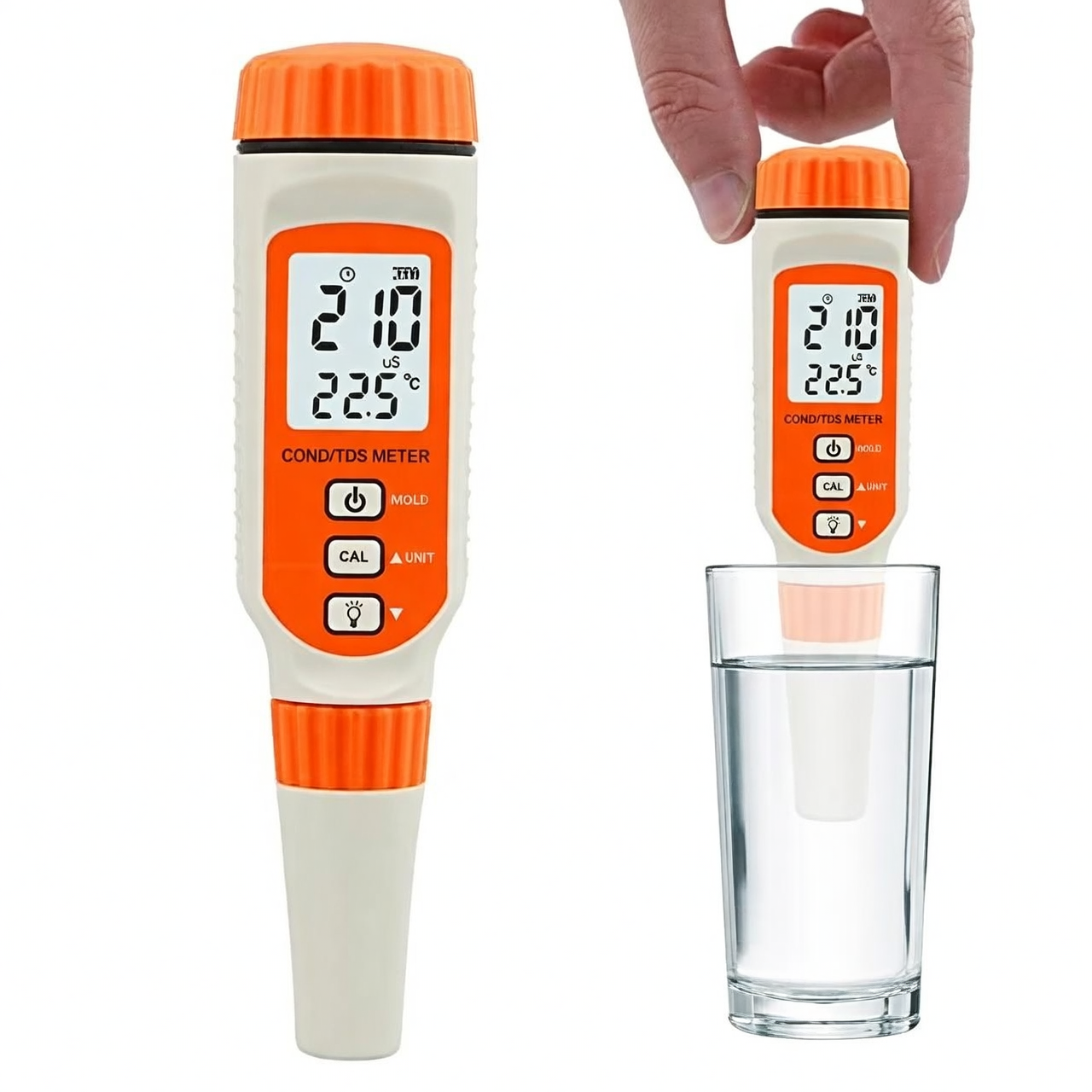
What is TDS—and why it matters
- TDS (Total Dissolved Solids) is the dissolved mineral/salt content in water, measured in ppm (mg/L).
- Higher TDS and heavily mineralized or softened water can:
- Leave white crusts on leaves and soil.
- Build up salts in the potting mix, stressing roots (osmotic stress).
- Show up as browned edges, stalled growth, or leaf drop.
How to measure TDS (easy)
- Get a pocket TDS meter.
- Test your source water (tap, filtered, distilled, rain).
- Also test the runoff after a thorough watering—if runoff TDS climbs to 2–3× your input, salts are accumulating.
General ballpark:
- 0–75 ppm = very soft
- 75–150 ppm = soft
- 150–300 ppm = moderately hard
- >300 ppm = hard
For sensitive foliage like Alocasia, many growers get better results with water under ~150–200 ppm.
Tap water variables you should know
- Chlorine vs. chloramine:
- Chlorine often dissipates if water sits 24 hours—an easy first step if your plant seems fussy.
- Chloramine doesn’t dissipate readily. If your city uses it, use a carbon filter or a water conditioner (aquarium-style) to neutralize.
- Hardness (Ca/Mg): Leaves mineral spots; drives salt buildup and “white dust” in humidifiers.
- Water softeners (sodium-based): Can raise sodium—tough on roots. Avoid if possible for houseplants.
Distilled, RO, and rainwater—pros and cons
- Distilled/RO: Near-zero TDS, great for sensitive leaves and humidifiers (no dust). Pair with a balanced fertilizer during active growth.
- Rainwater: Usually low TDS, but filter debris, avoid collection right after dusty events, and store cleanly. Local air quality matters.
- Practical tip: If your tap is hard (>300 ppm), mix 50/50 with distilled—or switch fully for watering and leaf cleaning.
A note on fertilizer strength (lab-lite sanity check)
- If you use distilled/RO, your fertilizer provides the minerals. For gentle, steady growth:
- Mix to add roughly 200–300 ppm TDS above your water baseline (half-strength balanced liquid is often close).
- Feed during spring/summer; pause in winter dormancy.
Preventing Mineral Leaf Spots and Root Stress
Keep foliage pristine
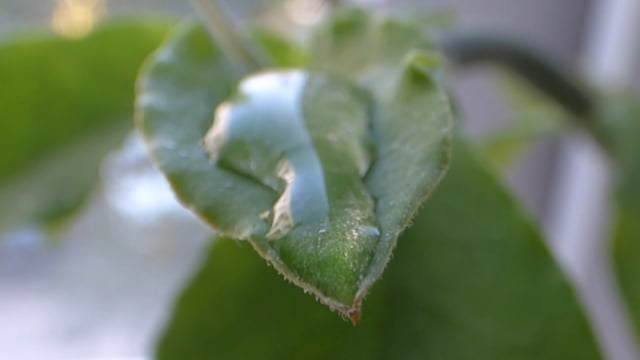
- Avoid misting with hard tap water—use distilled/RO for any leaf spritzing or cleaning.
- Wipe leaves monthly with a soft, damp cloth (distilled water) to remove dust and deter spider mites.
- Improve airflow and avoid frequent overhead soaking; constantly wet leaves invite fungal/bacterial spots.
- If you use an ultrasonic humidifier, avoid tap water to prevent mineral “white dust” on leaves.
Root comfort = steady growth
- Potting mix: Light, airy, and slightly acidic (pH ~5.5–6.5). An aroid-style blend of peat/coco, orchid bark, and perlite prevents soggy roots while holding gentle moisture.
- Watering rhythm: Keep evenly moist, never waterlogged.
- Water when the top 2–3 inches (5–8 cm) feel dry.
- Then water thoroughly until excess drains; empty the saucer within ~30 minutes.
- Reduce watering in fall/winter as growth slows; keep mix just lightly moist.
- Salt management:
- Flush with plain water monthly (2–3× pot volume) to leach built-up salts, especially if your source water is >150–200 ppm or you feed regularly.
- Compare runoff TDS to your input. If it’s consistently 2–3× higher and tips are browning, flush and consider softer water.
- Fertilizer: Feed during active growth 1–2× per month at half-strength. Skip winter.
- Temperature and drafts: Keep above 60°F (15°C). Sudden chills can mimic “thirst” droop and stress roots.
Light, Placement, and Humidity Synergy
- Light: Bright, indirect light powers recovery and new growth without scorching.
- Placement: Near an east or bright west window; sheer-curtain a south window.
- Humidity sweet spot: Maintain 60–70% RH if you can; many plants remain happy at 50–60% with stable warmth and good watering.
- Rooms that help: Bright bathrooms/kitchens often offer naturally higher humidity.
Quick Troubleshooting
- Crispy edges, stalled growth: Likely low humidity and/or salts. Check RH and TDS; flush substrate; switch to softer water; raise humidity.
- Yellowing leaves: Most often watering trouble (too wet or too dry). Also check light, temperature, and nutrition. If only the oldest leaf yellows as a new one appears, that can be normal aging.
- Drooping/wilting: First check moisture. Soggy roots or drought both cause droop. If roots smell sour or look mushy/dark, repot into a better-draining mix and trim rot.
- Speckles/webbing: Spider mites love dry, dusty leaves. Wipe down foliage and treat with insecticidal soap or neem, repeating as needed.
Safety Note
Alocasia is toxic if chewed or swallowed and sap can irritate skin/eyes. Keep away from pets and children; wear gloves when pruning or dividing.
A Simple, Science-Backed Care Snapshot
- Light: Bright, indirect; avoid harsh direct sun.
- Water: Evenly moist; water when the top 2–3 inches are dry. Drain well.
- Humidity: Aim 65%+ (50% minimum). Humidifier > pebble tray for room-wide results; pebble trays help locally.
- Water quality: Prefer distilled/RO or soft rainwater, especially for humidifiers and leaf cleaning. Track TDS; flush salts monthly.
- Soil: Airy aroid mix, slightly acidic (pH 5.5–6.5).
- Feeding: Half-strength balanced fertilizer 1–2×/month in spring–summer; pause in winter.
- Temperature: 60–85°F (15–29°C), steady and draft-free.
- Repot/divide: Spring–summer, one size up with excellent drainage.
Dial in humidity and water quality, and your Elephant’s Ear will repay you with sculptural, high-gloss foliage that looks straight out of the rainforest—no myths, just good measurements.