Alocasia brings a slice of rainforest architecture indoors—bold, sculptural leaves on poised stalks, veining that catches the light, and silhouettes that instantly elevate a room. This design-forward guide pairs three favorite varieties—Black Velvet, Zebrina, and Polly—with the right rooms, lighting angles, pots, and styling moves. You’ll also find smart ways to group for humidity and keep these beauties out of reach from curious pets.
Meet the plant
- Botanical: Alocasia spp. (Araceae)
- Common names: Elephant’s Ear, African Mask Plant (for certain hybrids)
- Native range: Tropical and subtropical Asia to eastern Australia
- Indoor vibe: Upright, clumping foliage with heart-, arrow-, or shield-shaped leaves; dramatic veins; sometimes velvety or subtly metallic
- Difficulty: Moderate—thrives with bright, filtered light, steady warmth, and higher humidity
Designing room by room: which Alocasia goes where
Living room showpiece: Alocasia zebrina
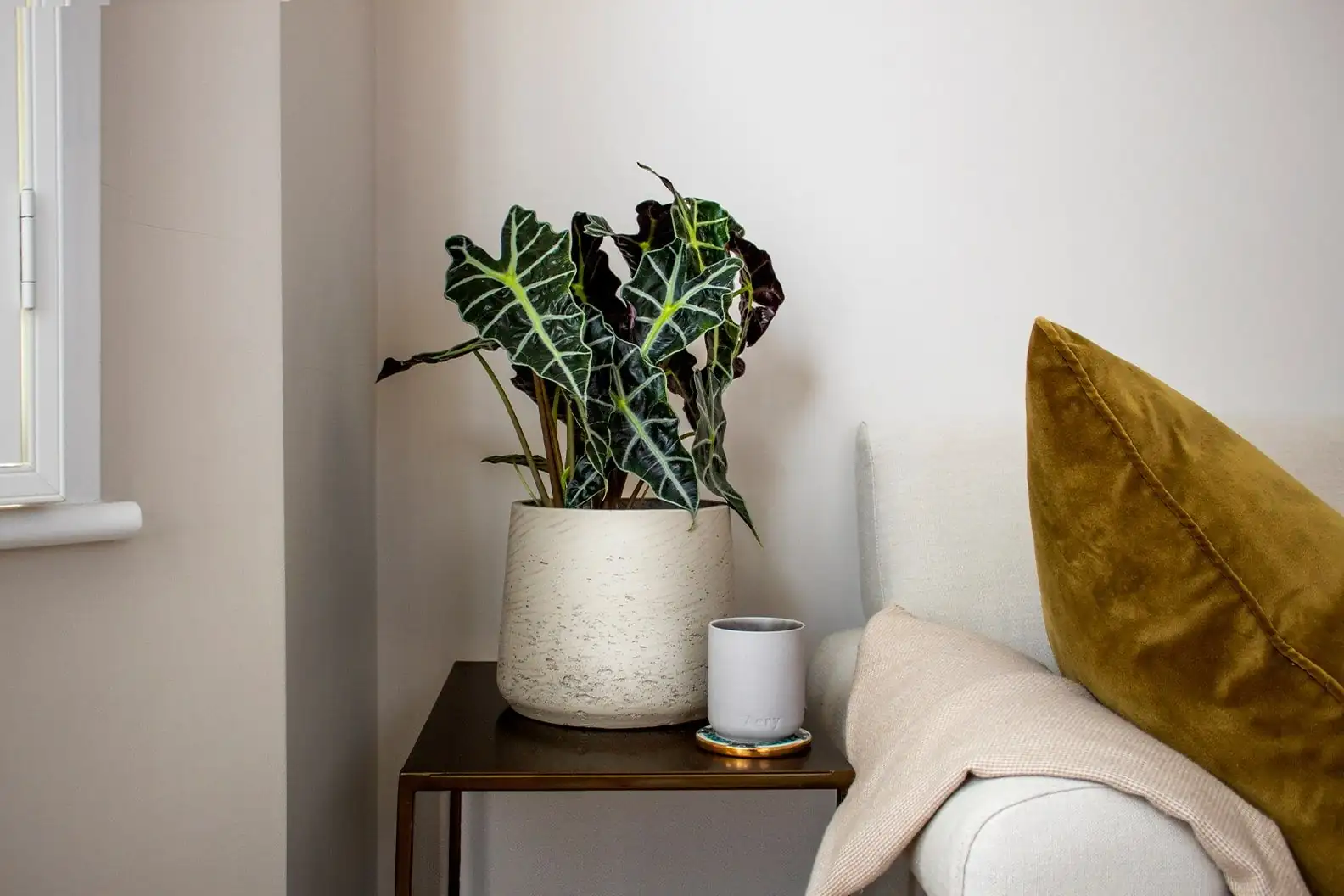
- Why it works: Those graphic, zebra-striped petioles beg to be seen. Zebrina is a conversation starter and loves the brighter light living rooms often offer.
- Light placement:
- East window: 0.5–1.5 m (1.5–5 ft) from glass for gentle morning sun.
- South or west window: 1–2 m (3–6 ft) back, filtered through sheer curtains to avoid scorch; aim for 3–5 hours of bright, indirect light.
- Pot pairing:
- A tall, footed planter or pedestal to spotlight the striped stems.
- Glazed ceramic or plastic if your room is dry (they hold moisture a bit longer).
- Styling tip: Group with broad-leaf allies (e.g., ferns, prayer plants) a short distance away to raise humidity without crowding the leaves.
- Pet-safe idea: Place on a sturdy plant stand within a low cabinet’s footprint—doors open for display, doors shut when you’re out.
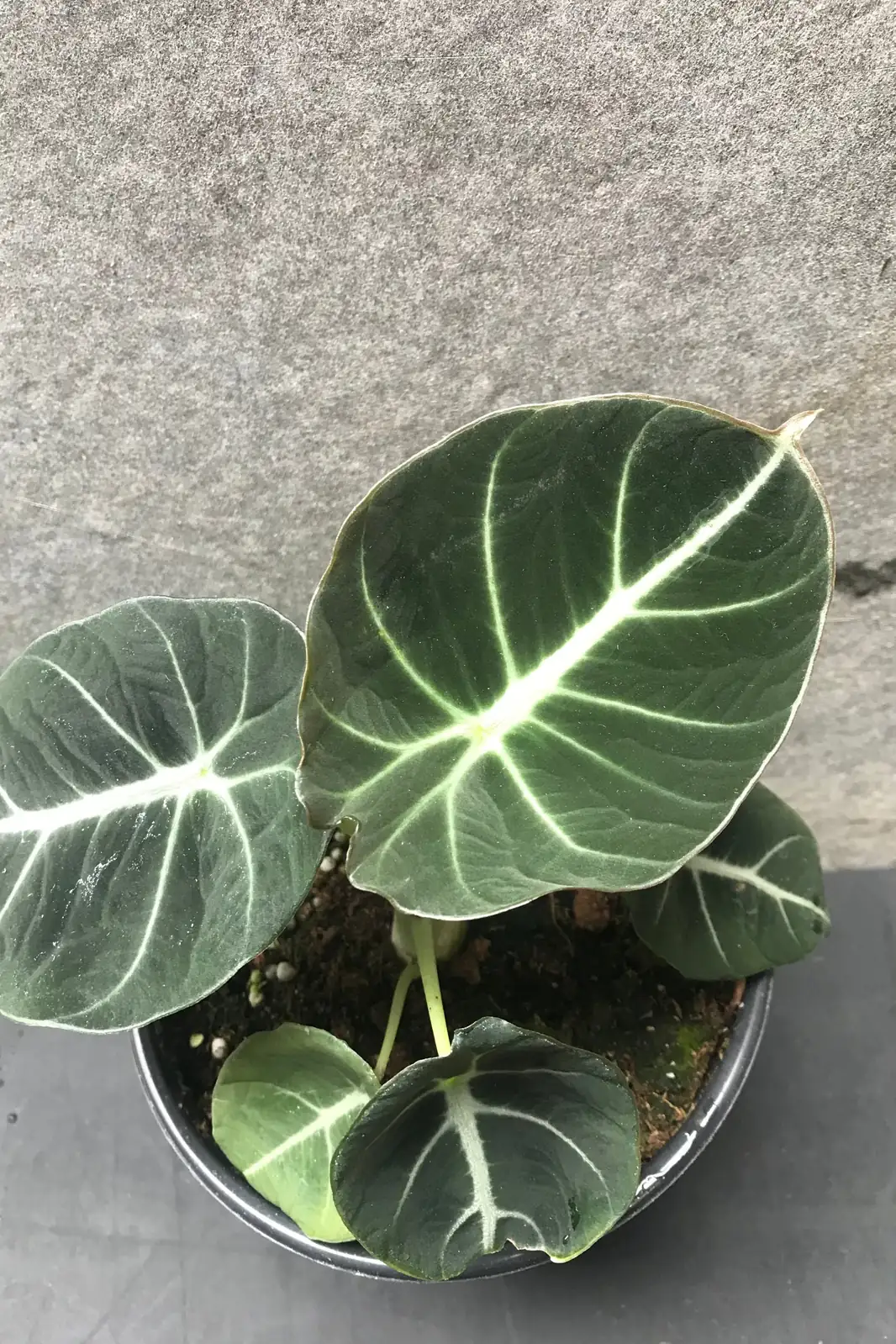
Bedroom mood-booster: Alocasia ‘Black Velvet’ (A. reginula)
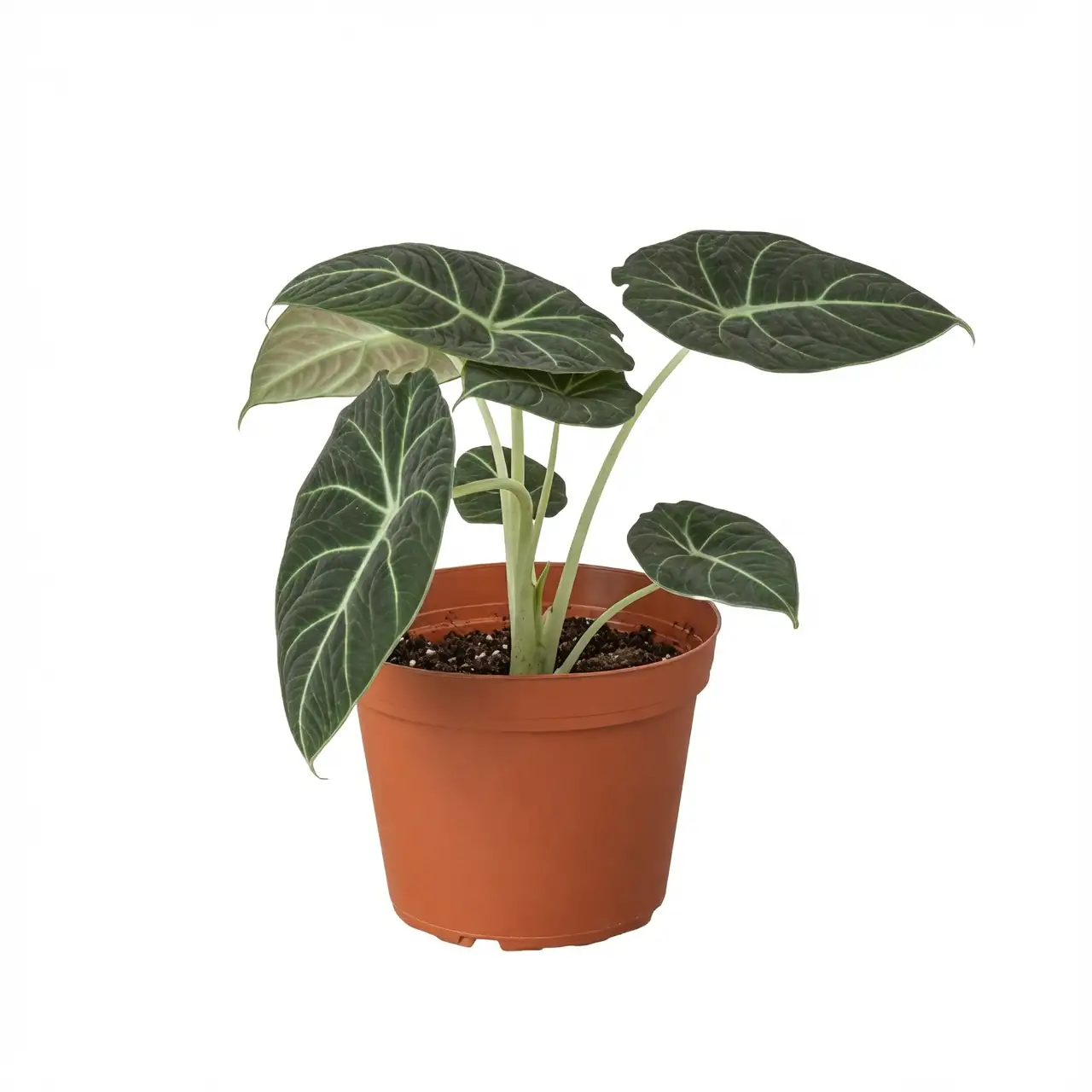
- Why it works: Compact scale, velvety near-black leaves with silver veins—perfect for a serene, moody palette without dominating the room.
- Light placement:
- Bright, indirect light near an east-facing window or a bright north window.
- If the window is weak, supplement with a small, warm-white grow bulb for 3–5 hours daily.
- Pot pairing:
- Matte, textured ceramics or dark-stained wood stands echo the leaf velvet.
- Terra-cotta improves airflow to roots, great if you tend to water on the heavy side.
- Styling tip: Keep it on a dresser or shelf at chest height for a gallery view of the leaf surface.
- Pet-safe idea: A wall-mounted shelf 1–1.5 m (3–5 ft) off the floor, or inside a ventilated glass-front plant cabinet.
Bathroom spa moment: Alocasia ‘Polly’ (often sold as A. x amazonica ‘Polly’)
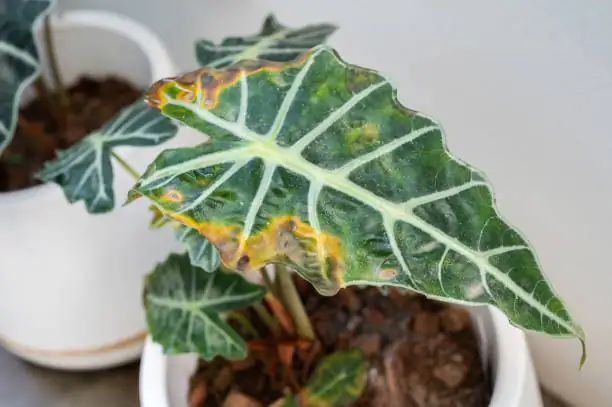
- Why it works: Bathrooms are naturally humid—exactly what Polly wants—provided there’s bright, indirect light.
- Light placement:
- Near a frosted window or behind a sheer; avoid blasting midday sun.
- If the bathroom is dim, clip a small grow light to a shelf for a daily 3–5-hour boost.
- Pot pairing:
- A sleek, water-safe cachepot (double-potting) so you can lift the nursery pot to drain fully in the sink.
- Styling tip: Perch Polly on a slim stool or corner stand; let its crisp, graphic veins offset tile or stone textures.
- Pet-safe idea: Most pets don’t lounge in bathrooms—keep the door closed for extra safety.
Kitchen companion: Polly or Zebrina (if space allows)
- Why it works: Kitchens can be bright and warm with easy sink access. Steam helps humidity; just keep plants away from hot cooktops.
- Light placement: Off to the side of east/west windows, behind sheers, or 1–2 m (3–6 ft) from bright south light.
- Pot pairing: Glazed ceramic or plastic pots to buffer moisture swings from cooking heat.
- Pet-safe idea: Secure window shelves with brackets; ensure no leaf edges overhang where pets can leap.
Home office set piece: Black Velvet (desk) or Zebrina (background)
- Light placement: A desk-side grow lamp angled slightly above the canopy prevents leaning; rotate the pot a quarter turn weekly.
- Pot pairing: Minimal, modern planters—matte black for Black Velvet; pedestal white for Zebrina.
- Pet-safe idea: Closed office door or a plant cabinet with internal fans for airflow.
Entryway greeting: Zebrina or Polly (if your foyer is bright)
- Light placement: Bright, indirect within a couple of meters of a window—avoid cold drafts when doors open.
- Pot pairing: Weighted, stable planters (Alocasias are leaf-heavy; you don’t want a tip-over).
- Pet-safe idea: Use a tall console table or niche shelf out of traffic.
Light like a stylist: angles and filters that flatter
- East windows: The sweet spot. Morning sun is gentle. Position 0.5–1.5 m (1.5–5 ft) from glass.
- West windows: Afternoon sun can scorch. Keep 1–2 m (3–6 ft) back and use sheers.
- South windows: Brightest. Set plants off to the side of the window or 1–2 m (3–6 ft) back behind sheers for filtered light.
- North windows: Often dim. Place very close to the glass or add a grow light for 3–5 hours.
- Pro touches:
- Use sheer curtains to diffuse rays and prevent hot leaf patches.
- Side-lighting (lamp or grow bulb) helps maintain symmetrical leaves; rotate plants weekly.
- Keep leaves clean with a damp cloth so veins pop and photosynthesis stays efficient.
Potting and soil: performance meets polish
- Soil recipe (aroid-style, slightly acidic pH ~5.5–6.5):
- 40% peat or coco coir
- 30% fine orchid bark
- 20% perlite or pumice
- 10% compost or worm castings for a touch of nutrition
- Pot materials and why they matter:
- Terra-cotta/clay: Breathable; great if you overwater or keep high humidity.
- Plastic/glazed ceramic: Hold moisture longer; good in dry homes or if you underwater.
- Shape and size:
- Choose a pot just 2.5–5 cm (1–2 in) wider for smaller plants; 5–10 cm (2–4 in) for larger ones.
- Alocasia forms clumps from rhizomes/tubers—use a stable, not-too-deep pot with excellent drainage.
- Styling hack: Double-potting (a nursery pot inside a decorative cachepot) lets you water thoroughly and empty excess easily.
Water, humidity, and feeding (the pretty and the practical)
- Watering rhythm:
- Water when the top 5–8 cm (2–3 in) of mix is dry, then saturate until water drains out; empty saucers within ~30 minutes.
- In fall/winter, growth can slow or pause—water less, keeping the mix lightly moist but never soggy.
- Humidity goals:
- Loves 65%+ (aim for at least 50%).
- Create “humidity islands”: cluster 3–5 plants, add pebble trays, or run a room humidifier.
- Feeding:
- Spring–summer: balanced liquid fertilizer 1–2× monthly at half strength, or slow-release every 6–8 weeks.
- Pause feeding in winter dormancy.
Grouping for humidity without crowding
- Group by height tiers: a pedestal Zebrina, mid-height Polly, and a compact Black Velvet on a nearby shelf—leaves not touching, air still moving.
- Add a pebble tray that spans the ensemble; the water evaporates and raises local humidity.
- If using a glass-front cabinet, include a small fan for airflow and a hygrometer for 50–70% targets.
Pet-safe placement ideas that look intentional
- Elevate: wall-mounted shelves, tall consoles, or fireplace mantels.
- Enclose: a ventilated glass plant cabinet turns care into display.
- Suspend: hanging cachepots near bright windows (ensure adequate headspace—Alocasia is upright, not trailing).
- Manage access: closed doors for bedrooms/offices; training and barriers for high-traffic zones.
- Safety note: Alocasia is toxic to people and pets if chewed (calcium oxalate). Wear gloves when pruning; keep out of reach.
Variety-by-variety styling and care nuance
- Black Velvet
- Scale: Compact; ideal for shelves and desks.
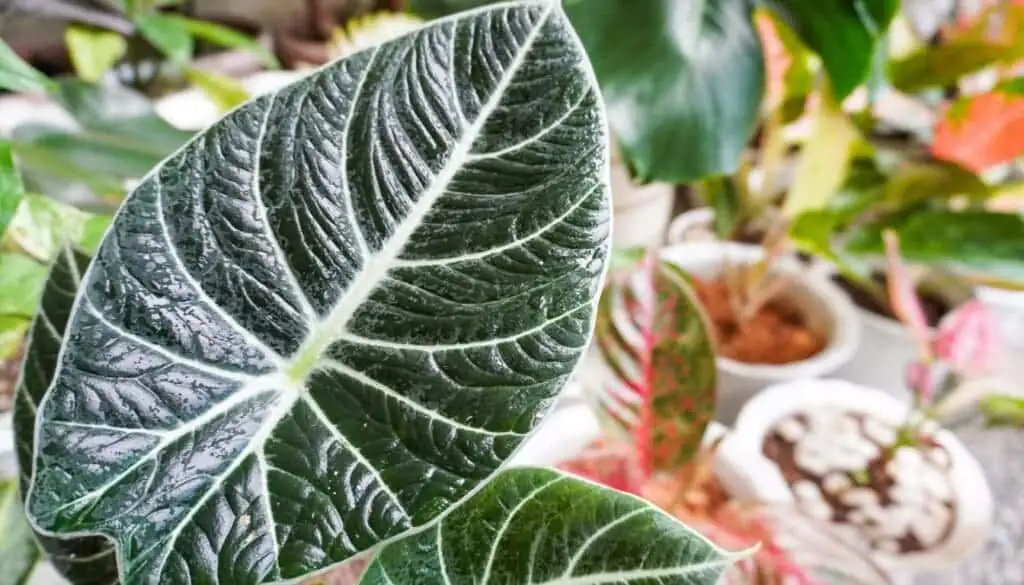
- Look: Deep, velvety leaves with silver veins—pairs well with matte or stoneware pots.
- Care nuance: Sensitive to overwatering—let the top layer dry thoroughly between waterings while keeping the overall mix evenly moist over time.
- Zebrina
- Scale: Taller; a natural floor or pedestal piece.
- Look: Arrow-shaped leaves on boldly striped petioles—give it space to strut.
- Care nuance: Thrives with brighter, filtered light; rotate weekly to prevent leaning. Stake lightly if necessary during rapid summer growth.
- Polly
- Scale: Medium; versatile in bathrooms, kitchens, and bright nooks.
- Look: Glossy, dark leaves with pronounced, pale veins—crisp and graphic.
- Care nuance: Appreciates steady humidity; it’s normal for an old leaf to yellow as a new one unfurls.
A weekly 10-minute ritual
- Check moisture at 5–8 cm (2–3 in) depth; water if needed.
- Wipe leaves with a damp cloth to keep them camera-ready and dust-free.
- Rotate the pot a quarter turn for balanced growth.
- Quick pest scan (especially for spider mites on leaf undersides); treat early with insecticidal soap or neem if needed.
Seasonal style calendar
- Spring: Repot or divide; refresh soil; resume regular feeding. Expect faster growth—sometimes a new leaf every week in ideal warmth and humidity.
- Summer: Peak growth. Shield from harsh direct sun; maintain high humidity; water consistently.
- Fall: Gradually reduce feeding; let the top layer dry a bit more between waterings.
- Winter: Many Alocasias slow down or partially go dormant. Keep above 15°C (60°F), stop fertilizing, and water sparingly—some leaf drop can be normal.
Troubleshooting, design-first
- Yellowing leaves:
- Most common: water issues (too wet or too dry). Adjust frequency and check drainage.
- Dim light or cool temps can contribute—move closer to bright, filtered light.
- Note: The oldest leaf yellowing as a new one emerges can be normal turnover.
- Drooping or wilting:
- Check moisture first; then inspect roots if the pot stays wet (remove damaged roots; improve airflow and drainage).
- Brown patches/scorch:
- Light is too harsh or humidity is too low. Filter sun with sheers and boost humidity.
- Rare blooms:
- Alocasia can produce a spathe-and-spadix inflorescence, but indoors it’s uncommon. Enjoy the leaves—the real show.
A note on “flower language” and symbolism
- While Alocasia rarely blooms indoors, its cultural symbolism leans into resilience and momentum: upright, strong leaves that seem to reach for opportunity. In some Feng Shui practices, it’s placed to encourage prosperity and career energy. Consider these meanings as design poetry rather than botany—choose placements that make your space feel focused, calm, and confident.
Shopping smarter
- Choose plants with firm stems and crisp leaves; avoid widespread yellowing or soft, mushy bases.
- Inspect undersides for pests before bringing your plant home.
Quick specs recap for thriving style
- Light: Bright, indirect (3–5 hours of filtered light daily); avoid harsh direct sun.
- Temperature: 15–29°C (60–85°F); no cold drafts.
- Humidity: Loves 65%+ (minimum ~50%+).
- Soil: Loose, airy aroid mix; slightly acidic.
- Hardiness: USDA 10–12; treat as indoor-only in colder climates.
Curate your rooms like a greenhouse-gallery: place Zebrina where it can strut, Black Velvet where it can whisper, and Polly where it can bask in everyday humidity. With the right angles, pots, and a touch of theater, your home becomes a living design story—lush, modern, and unmistakably yours.