

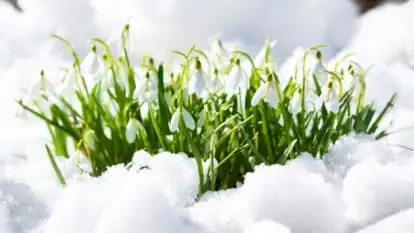
The first flower to brave winter’s last gasp is also tied to one of modern medicine’s key tools for easing Alzheimer’s symptoms. Meet the snowdrop—Galanthus nivalis—a diminutive bulb that pushes pearly bells through frozen soil and, in the process, helped inspire the development of galantamine, a prescription drug used to treat cognitive symptoms. Here’s how a plant famous for hope and renewal became a quiet ally in neurology—and how to enjoy it responsibly in your garden.
Meet Galanthus nivalis, the Common Snowdrop
- Family and genus: Amaryllidaceae; Galanthus
- Also known as: Snowdrop, Common Snowdrop, February Fairmaids
- Native range: From the Pyrenees across much of continental Europe into western and northern Turkey; naturalized widely, including Britain, the Netherlands, and parts of North America
- Size and habit: Typically 7–15 cm (3–6 in) tall; perennial, bulb-forming clumps that slowly spread by offsets and sometimes seed
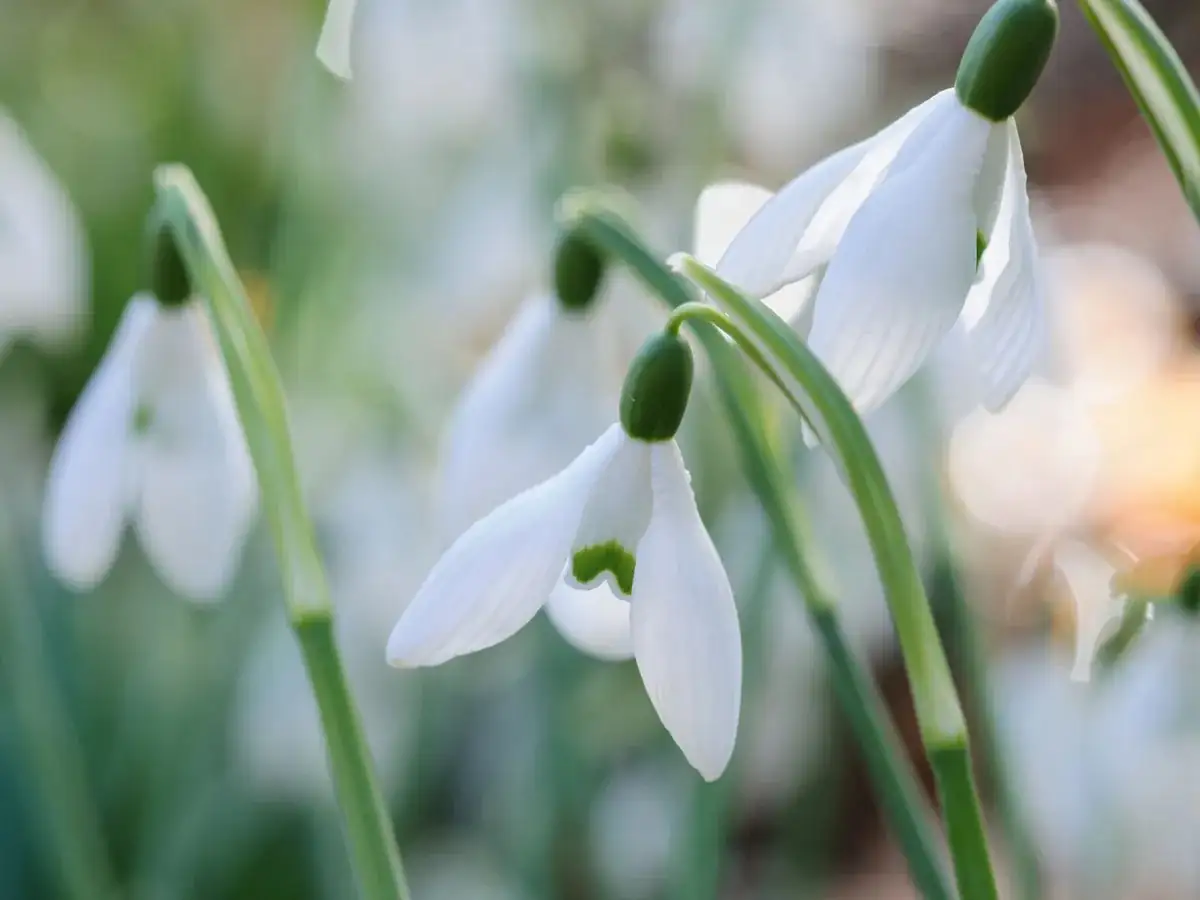
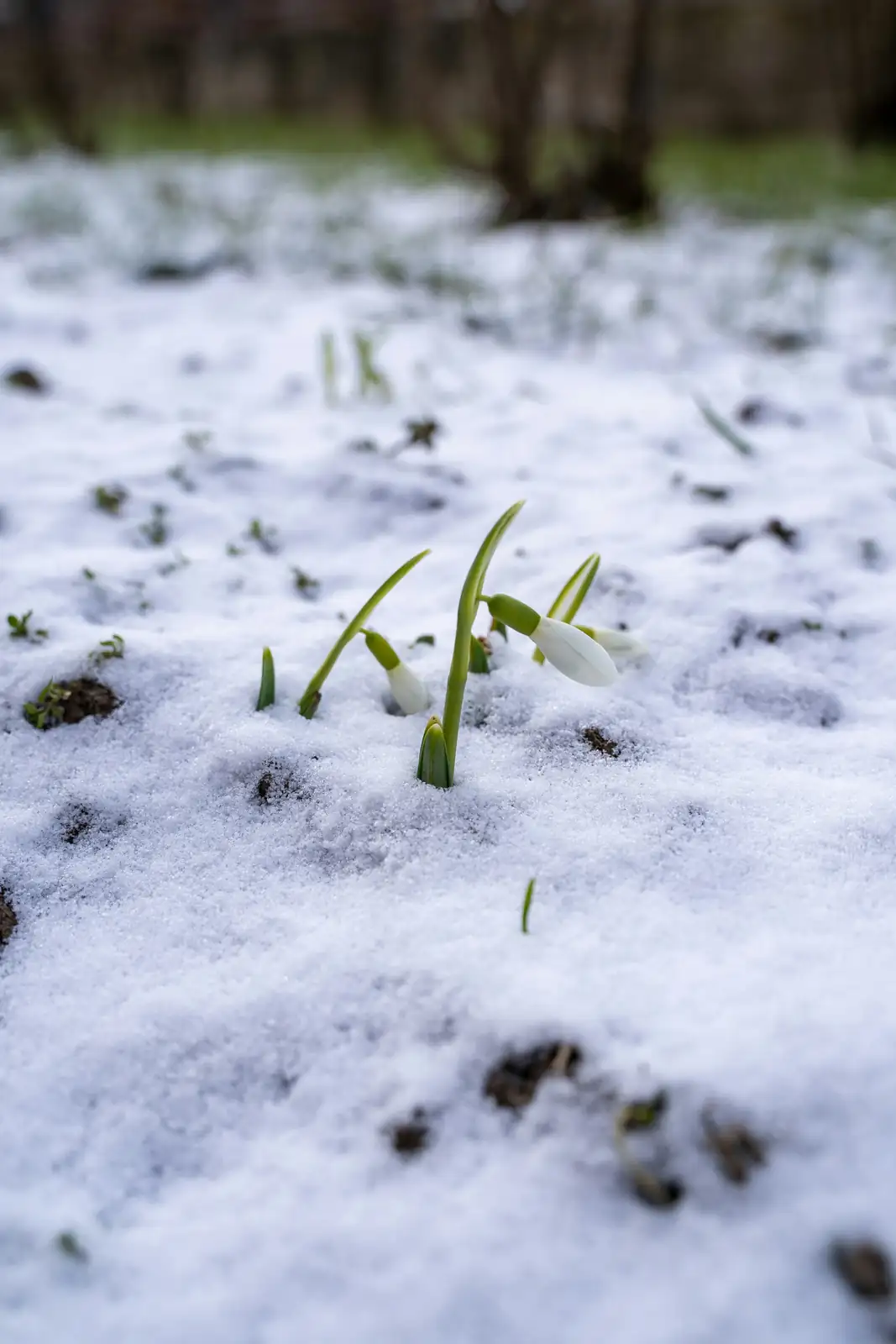
- Bloom: Late winter to early spring (often January–March), with a single nodding, bell-shaped white flower per stem—three long outer tepals and three shorter inner ones marked with a neat green chevron or dots
- Foliage: Two to three glaucous, gray-green, strap-like leaves with tough tips designed to punch through crusted snow
A plant built for winter
Snowdrops are engineered for cold: their leaves are waxy and resilient, their tissues adapted to freezing, and their timing impeccable. In many gardens they’re the first nectar source for pollinators. They shrug off deep cold—typically to about -26°C to -29°C (-15°F to -20°F)—and return year after year, often multiplying into sparkling drifts.
From woodland charm to medicine: the galantamine story
The snowdrop and its Amaryllid cousins harbor a suite of alkaloids. Among them is galantamine (historically also spelled galanthamine), a compound that became an important prescription medication for Alzheimer’s symptom management.
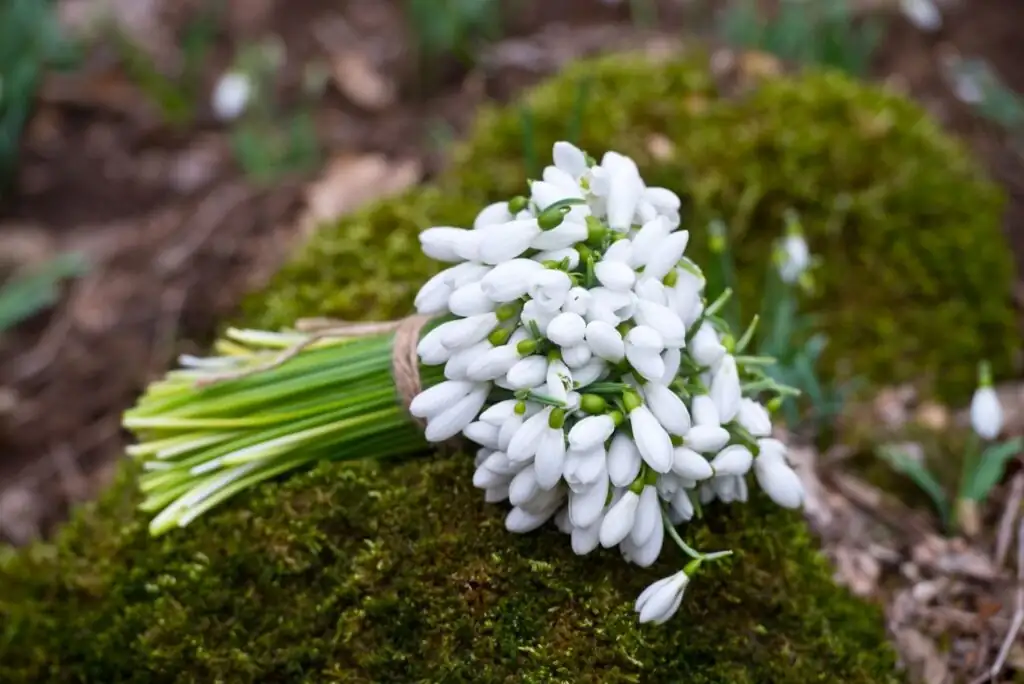
- Discovery and development: Galantamine was first isolated from snowdrops (notably Galanthus species such as G. woronowii) and related Amaryllidaceae. Early insights were rooted in local knowledge from the Caucasus and later clinical development in Eastern Europe. Today, galantamine used in medicine is produced by modern pharmaceutical processes—via synthesis and/or extraction from cultivated Amaryllids such as Narcissus and Leucojum species—rather than garden snowdrops.
- Why it matters: Galantamine is one of the established acetylcholinesterase inhibitors prescribed to help manage cognitive symptoms in Alzheimer’s disease.
How galantamine works—in plain English
- The brain messenger acetylcholine supports memory, attention, and learning.
- In Alzheimer’s, acetylcholine signaling is reduced. Galantamine works by inhibiting the enzyme (acetylcholinesterase) that breaks down acetylcholine, effectively boosting its availability.
- What patients and caregivers may notice: modest improvements or stabilization in memory, attention, and day-to-day functioning in some individuals. It is not a cure and does not halt underlying disease progression.
This is a prescription-only medication. Dosing, potential side effects (such as nausea or appetite loss), and drug interactions are carefully managed by clinicians.
Why you should never DIY galantamine from snowdrops
The appeal of “natural” can be strong—but this is a hard no for several reasons:
- Unpredictable chemistry: Garden snowdrops contain a mix of alkaloids; concentrations vary by species, plant, season, and growing conditions.
- Toxicity risk: All snowdrop parts are toxic if ingested (alkaloids such as lycorine can cause nausea, vomiting, diarrhea, and abdominal pain). Home extraction can be dangerous.
- Medical regulation: Galantamine is a regulated, prescription-only drug in many countries, supplied as standardized tablets or capsules with known doses and safety profiles. Self-extraction or self-medication is unsafe.
Safe, responsible use and ethical sourcing
- For treatment: Use galantamine only under medical supervision. If you have questions about whether it’s appropriate, speak with a qualified healthcare professional.
- For gardeners: Enjoy snowdrops as ornamentals, not as medicine.
- Buy from reputable, cultivated sources. The entire genus Galanthus is listed in CITES Appendix II, meaning international trade is strictly regulated to protect wild populations. Avoid wild-dug plants.
- Tip for success: Plant “in the green” (freshly lifted plants with leaves and roots) in late winter to early spring; dry bulbs planted in fall can succeed but establish more slowly.
Growing snowdrops for joy (not medicine)
Snowdrops shine in cool climates and woodland-style settings.
Light, soil, and climate
- Sunlight: Full sun in early spring or part shade; ideal under deciduous trees and shrubs (bright light before leaf-out, gentle shade afterward)
- Soil: Humus-rich, fertile, well-drained; often happy in alkaline or limestone soils with ample organic matter
- Water: Keep evenly moist during growth and bloom; avoid waterlogging. During summer dormancy, drier is better.
- Hardiness: USDA Zones 3–7 (some selections can edge into Zone 8)
Planting and care
- Planting windows:
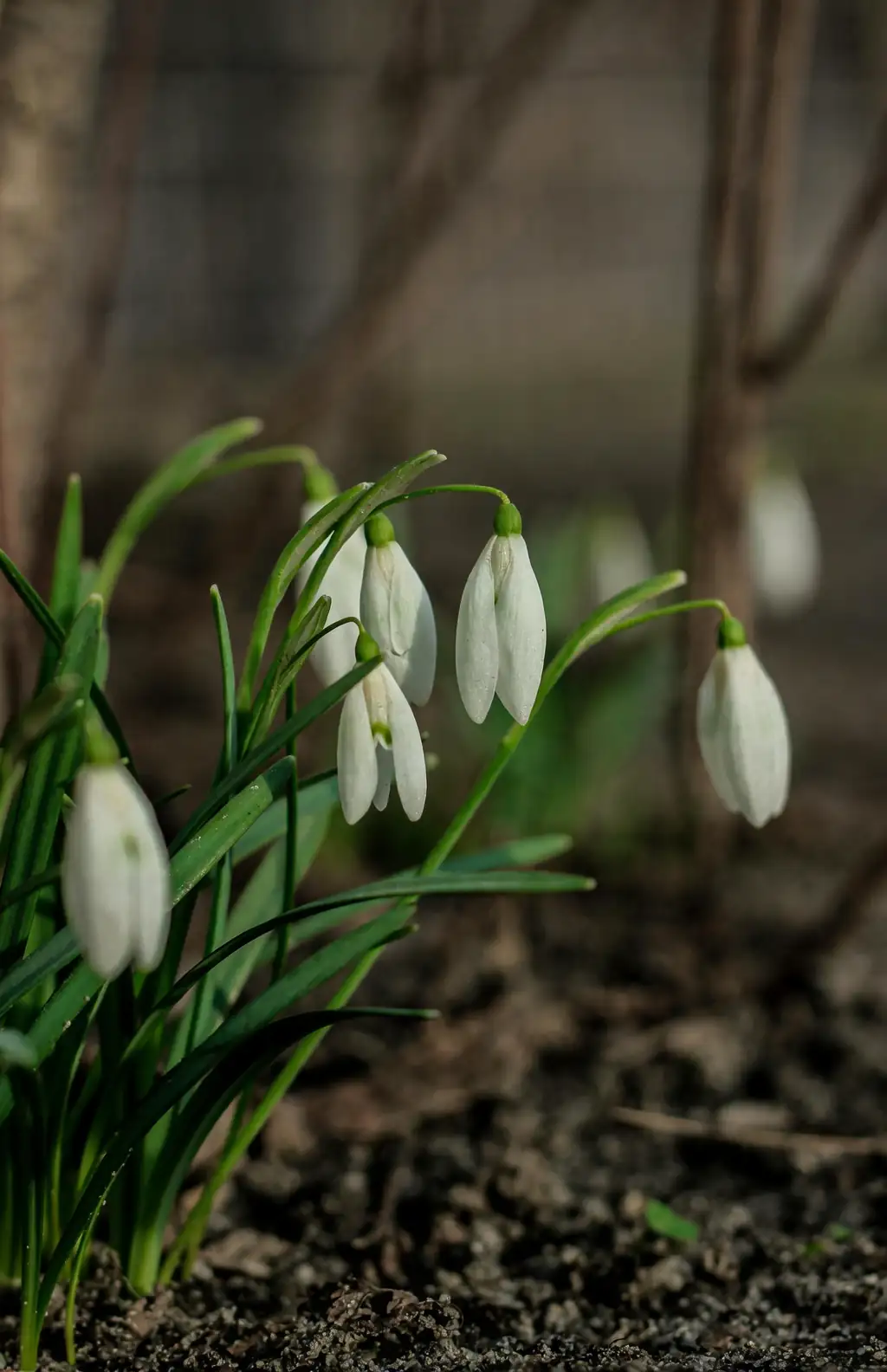
- In the green: Late winter to early spring (often Feb–Mar) just after flowering—most reliable
- Dry bulbs: Fall (Oct–Nov), about 7–8 cm (3 in) deep
- Feeding: Light-touch fertilizer for bulbs in early spring or after flowering helps build next year’s blooms
- Aftercare: Let leaves die back naturally; they recharge the bulb. Deadheading is optional tidying.
- Propagation: Divide crowded clumps right after flowering while still in leaf; replant immediately. Seedlings may take several years to flower.
Where they look magical
- At the feet of deciduous trees, in woodland gardens
- Along paths and in rock gardens
- Naturalized in lawns (delay mowing until foliage yellows)
- Front-of-border accents and containers
Safety in the garden
- Toxicity: All parts are toxic to humans and pets. Keep bulbs and plants away from curious mouths; supervise children and pets.
- Wildlife notes: Often resistant to deer, rabbits, and rodents. Squirrels may dig bulbs out of mischief rather than hunger.
Symbolism, folklore, and the “language of flowers”
Snowdrops are cultural shorthand for hope, renewal, purity, consolation, and new beginnings—fitting for a flower that pierces late-winter gloom. In Christian tradition, they’re linked with the Virgin Mary and sometimes called “St. Agnes’ flower.” Victorian lore could be contradictory: a single bloom brought inside was thought unlucky, while drifts were seen as comfort.
About “flower language” (花语): Many modern lists of meanings are retrospective or romanticized. The enduring core for snowdrops likely springs from lived experience—seeing delicate white bells appear when gardens are bleak. Their symbolism isn’t fixed doctrine but a poetic reflection of timing, color, and tenacity.
Fast answers to common questions
- When should I plant? In the green in late winter/early spring is easiest. Dry bulbs go in during fall but can be slower to establish.
- Do they return each year? Yes—perennial bulbs that often clump up and naturalize over time.
- Why didn’t mine flower? Common reasons include insufficient winter chill, bulbs that dried before planting, wrong depth (aim for ~7–8 cm / 3 in for dry bulbs), overcrowding (divide after bloom), or a site that’s too warm.
- Can I use my snowdrops to make medicine? No. Snowdrops are toxic, and galantamine therapy requires standardized, prescription-grade medication managed by a clinician.
A final word: hope, grounded in care
Galanthus nivalis is a botanical emblem of resilience—small, bright, and stubbornly optimistic. Its connection to galantamine adds a thoughtful layer: from a winter flower to a modern tool that can help support memory and daily life for some people living with Alzheimer’s. Honor both sides responsibly—enjoy snowdrops for their beauty, source plants ethically, and leave the medicine to the professionals.


