

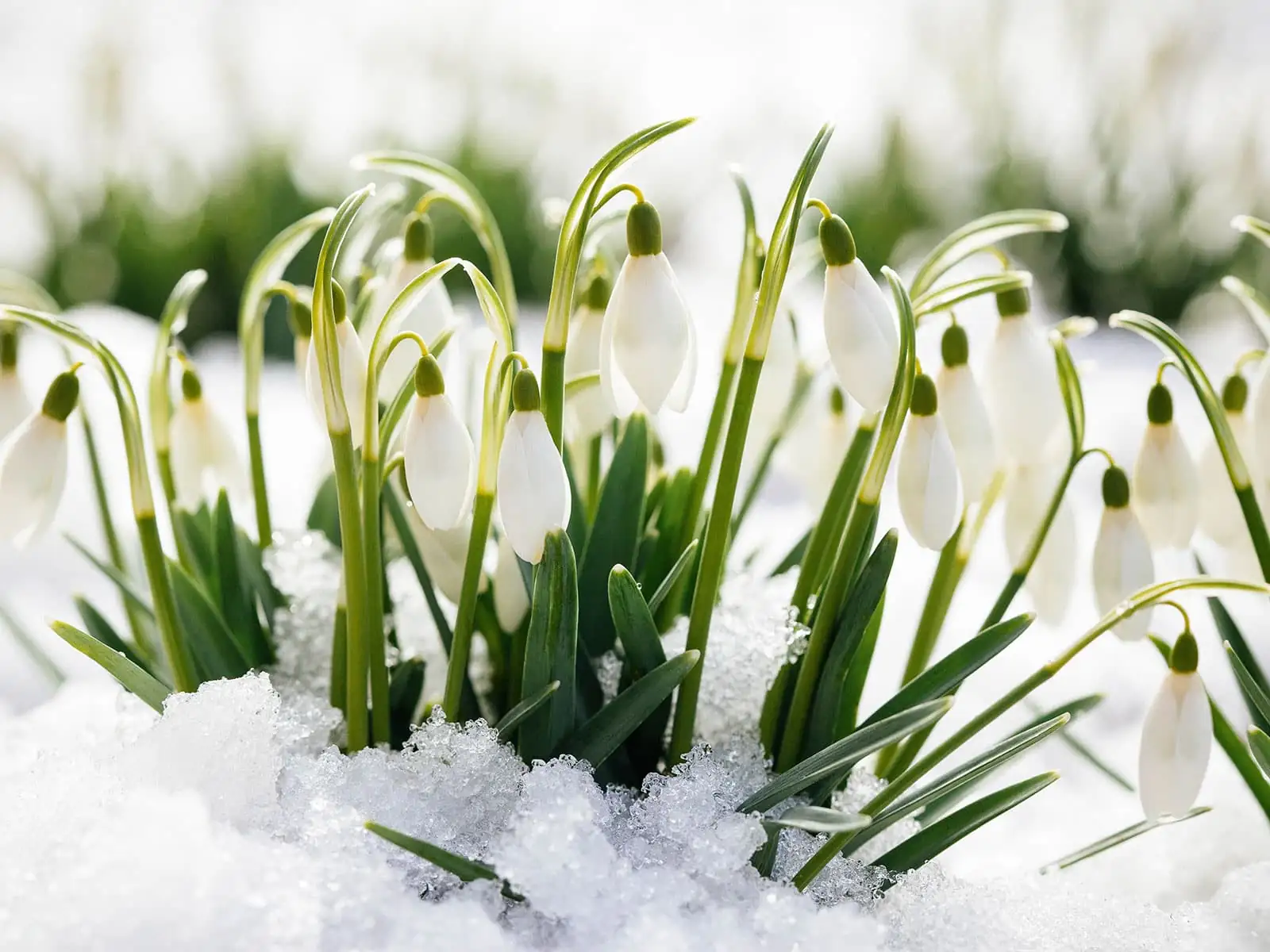
Even the bravest winter bloomer can go on strike. If your clumps of Galanthus nivalis (snowdrops) are producing leaves but no bells, don’t despair—this is a solvable mystery. Think of each non-blooming patch as a little case file. With a few smart checks—chill, depth, bulb quality, crowding, site temperature, drainage, and a quick look for mischief from squirrels or birds—you can coax those pearly flowers back.
Meet the plant you’re coaxing
- Botanical name: Galanthus nivalis (snowdrop), Amaryllidaceae
- Native range: Much of Europe; widely naturalized elsewhere
- Habit: Perennial, bulb-forming clumper that spreads by offsets (and sometimes seed)
- Size: Typically 7–15 cm (3–6 in) tall
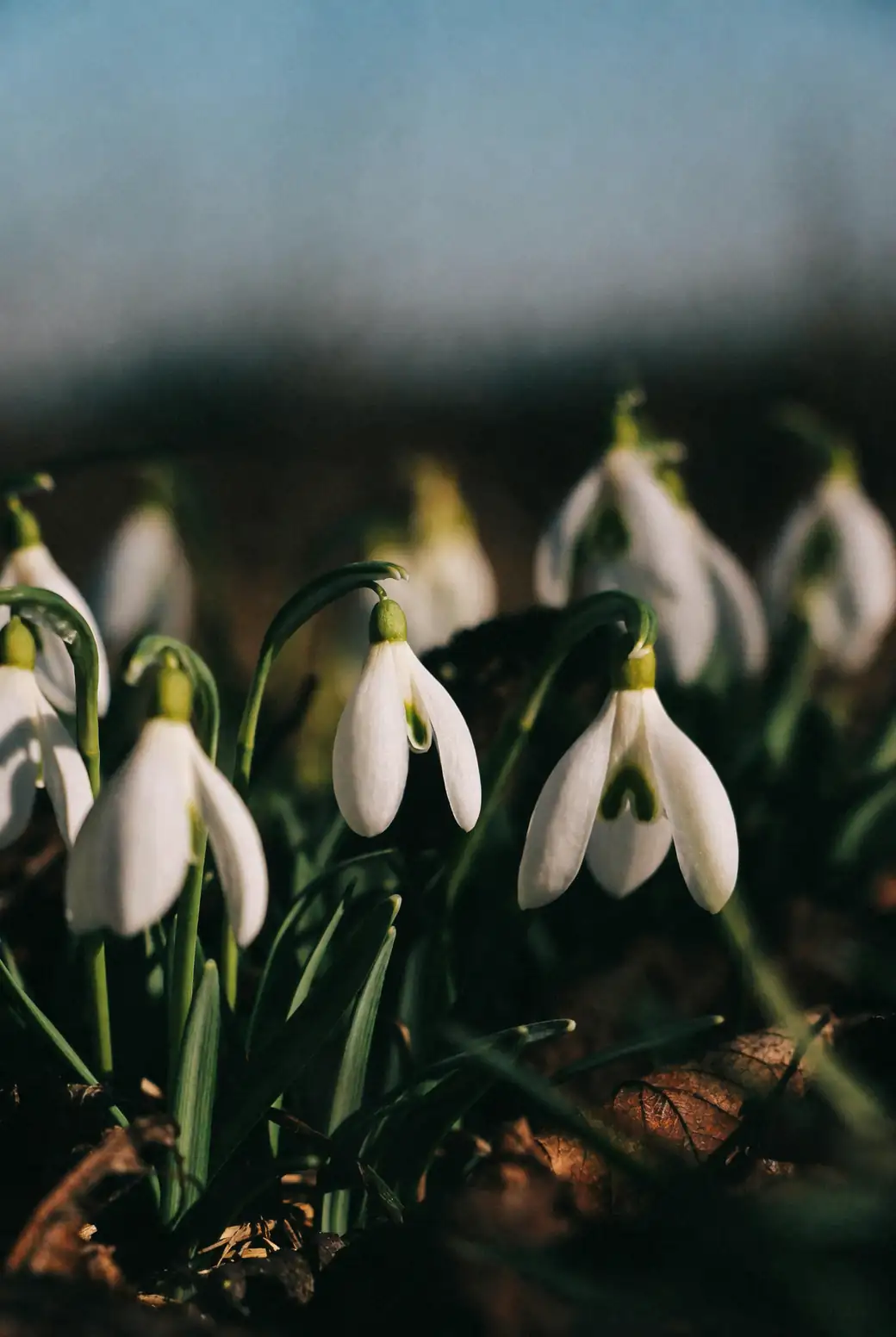
- Signature: One nodding, bell-shaped white flower per stem; three large outer tepals and three shorter inner ones tipped with small green markings
- Season: Late winter to early spring
Symptom spotter: what’s your clump telling you?
- Lots of leaves, no flowers: Often chill stress, overcrowding, incorrect depth, bulbs dried before planting, or a site that warms too fast.
- Buds appear but abort: Spring drought, potting mix too dry, or root stress from poor drainage.
- Declining clump over time: Overcrowding or persistent waterlogging.
- Bite marks or snapped blooms: Likely bird pecking; shallow, disturbed soil hints at squirrel/mole digging.
The seven usual suspects—and how to fix them
1) Winter chill shortfall
Snowdrops are cold-hardy and generally happiest with a proper winter. Warm winters or urban heat islands can blunt bloom.
How to diagnose
- You garden in a mild-winter area or near heat-reflecting hardscape/walls.
- Long, leafy clumps with few flowers, year after year.
How to fix
- Site for cool roots: under deciduous trees/shrubs where spring light is bright but summers are shaded.
- Favor north or east exposures over baking south walls.
- In genuinely warm regions, choose the coolest microclimates you have; snowdrops are best in USDA Zones 3–7 (some manage into 8), where reliable chill supports flowering.
2) Planting depth problems
Planting too shallow invites heaving and desiccation; too deep can delay or suppress flowering.
How to diagnose
- Bulbs were set almost at the surface or deeply buried “to be safe.”
- Plants wobble in spring or show reduced/late bloom the first year.
How to fix
- For dry bulbs in fall, aim for about 7–8 cm (3 in) deep.
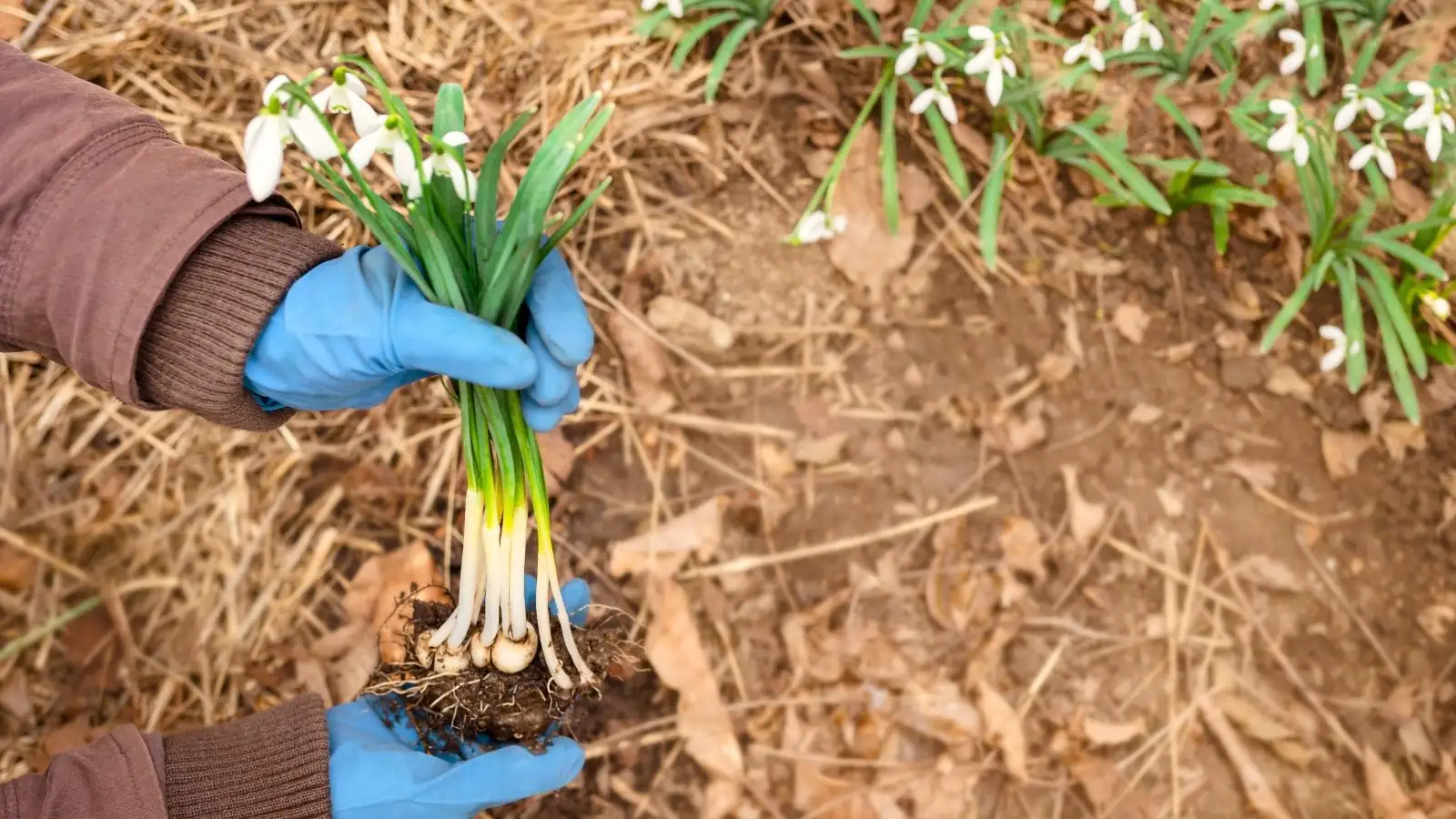
- Plant “in the green” (late winter–spring) at the same depth they were growing—look for the soil mark on the stems.
- Firm the soil so roots have good contact.
3) Dried-out bulbs at planting
Snowdrop bulbs dehydrate quickly when sold dry; shriveled bulbs struggle or skip flowering the first season.
How to diagnose
- Bulbs felt soft, papery, or hollow out of the bag.
- Patchy emergence or all leaves, no flowers in year one.
How to fix
- Best practice: buy and plant “in the green” (Feb–Apr) so roots never dry out.
- If using dry bulbs (Oct–Nov), plant immediately on purchase; choose firm, healthy bulbs.
- Keep soil lightly moist through autumn and early spring growth—never waterlogged.
4) Overcrowded clumps
As clumps knit tightly, bulbs compete for food and light, and flowers dwindle.
How to diagnose
- Dense mats of leaves with fewer blooms each year.
- Small bulbs when you gently lift a few.
How to fix
- Divide right after flowering while plants are still “in the green” (often March–April).
- Tease apart offsets and replant immediately, keeping roots intact and at the same depth.
- Water in and keep evenly moist until foliage yellows.
5) A site that warms too fast
Snowdrops adore bright spring light but despise hot, early exposure that cuts short their cool growing window.
How to diagnose
- Planted against a south-facing wall or on heat-reflective gravel.
- Early leaf flop and scant bloom.
How to fix
- Shift to dappled spring light beneath deciduous canopies; full sun in late winter to early spring is ideal, with shade returning after leaf-out.
- Avoid heat traps (pavement edges, bare south slopes).
- Use light organic mulches to buffer soil temperature—but apply after bulbs have had adequate winter chill.
6) Drainage and watering woes
These bulbs like moisture during active growth but sulk in stagnant, wet soil.
How to diagnose
- Yellowing or disappearing clumps on heavy, puddled ground.
- In pots, either bone-dry mix by March or sodden compost with a swampy smell.
How to fix
- Soil: incorporate organic matter to create humus-rich, well-drained earth; raised beds or berms help on clay.
- Water: keep soil evenly moist during growth/flowering, then modestly moist until foliage yellows; much drier in summer dormancy.
- Containers: use free-draining mix and pots with generous holes; never let pots sit in saucers of water.
7) Wildlife disturbances (the mischief-makers)
Snowdrops contain alkaloids that deter many pests and are generally unappealing to deer, rabbits, and rodents. Still, squirrels (or moles) may dig, and birds sometimes peck at flowers out of curiosity.
How to diagnose
- Disturbed plantings, bulbs tossed aside, or snapped/pecked blooms.
How to fix
- Over-bulb protection: lay chicken wire 2–3 cm below the soil surface at planting; bulbs grow through it, squirrels don’t enjoy digging through it.
- Topdress with gritty gravel or sharp sand to discourage digging.
- During peak bloom, lightweight mesh or discreet twiggy brash can deter birds.
- Firm soil after planting; avoid leaving enticing gaps.
- Label discreetly (bright tags can attract attention).
Good habits that bank next year’s blooms
- Let the leaves finish their job: don’t cut foliage early—wait until it yellows and withers naturally to recharge the bulb.
- Feed lightly: a modest bulb fertilizer or balanced low-dose feed as shoots emerge or just after flowering can support bloom set.
- Water wisely: if spring is dry, irrigate to keep soil lightly moist through the green-leaf phase.
- Minimize disturbance: snowdrops thrive on being left alone; divide only when clumps are congested.
- Time your mow: in lawns, delay mowing until leaves have yellowed.
Container and lawn specifics
- Containers
- Choose a cool, bright spring position and shift to summer shade.
- Use well-drained, humus-rich compost; check moisture frequently in late winter/early spring.
- Repot and refresh mix periodically—potted snowdrops can suffer if summer-dry.
- Lawns and meadow edges
- Plant where you can pause mowing until foliage dies back.
- Group in natural-looking drifts; they’ll knit into bigger shows over time.
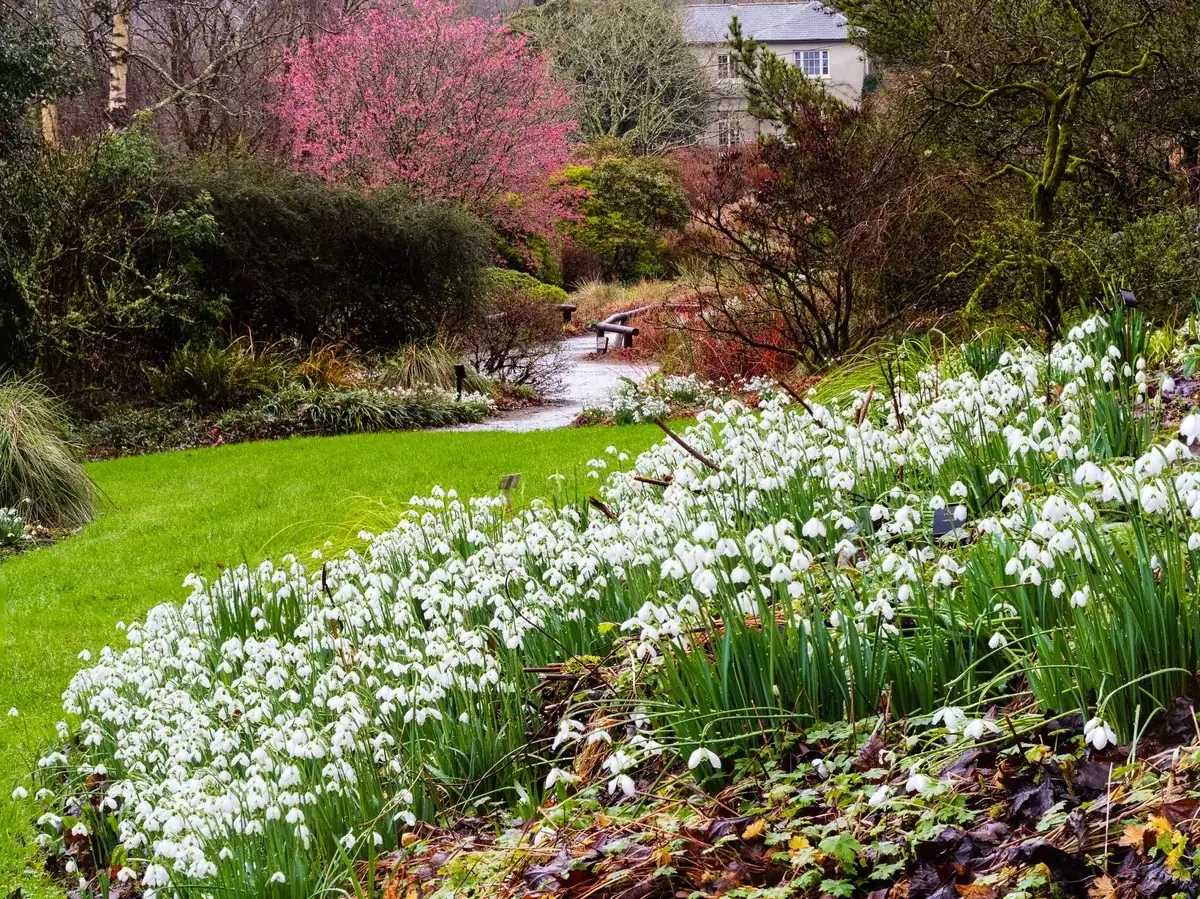
Quick planting refresher
- Dry bulbs (fall, Oct–Nov): plant promptly, 7–8 cm (3 in) deep in fertile, well-drained, humus-rich soil. Water in and keep lightly moist.
- In the green (late winter–spring, often Feb–Apr): plant immediately at the same depth they were growing and water well. This is the most reliable route for establishment.
Safety note
All parts are toxic to humans and pets due to alkaloids (including lycorine). Ingestion can cause nausea, vomiting, and diarrhea. Handle sensibly, wash hands after planting or dividing, and keep bulbs away from children and animals.
Flower language: why snowdrops mean “hope”
That little white bell has carried centuries of symbolism: hope, renewal, consolation, and purity. The meaning didn’t arise from myth alone—it’s rooted in ecology. Snowdrops flower when gardens are otherwise bare, punching through frozen soil with tough, pointed leaves and offering nectar to early pollinators. In folklore, a single picked bloom once leaned unlucky, but broad swathes were read as comfort after hardship. Today, most gardeners simply see them as the year’s first promise that winter won’t last forever.
One last checklist before spring
- Did your clump get enough winter chill and a cool siting?
- Are bulbs at the right depth and planted promptly (ideally “in the green”)?
- Is the soil humus-rich, fertile, and well-drained?
- Are clumps overdue for division after flowering?
- Are you protecting against casual wildlife disturbance?
- Are you letting foliage yellow naturally and providing light spring moisture?
Answer “yes” down this list and your Galanthus nivalis should repay you with those pristine, green-tipped bells right on cue—an early, cheering chorus when you need it most.


