


If you’ve ever spotted a nodding white bell pushing up through frost and thought, “Spring is coming,” you’ve likely met Galanthus nivalis—the snowdrop. Small in stature, mighty in spirit, these bulbs are the garden’s earliest optimists. Here’s your practical, month-by-month guide to getting the light, watering, soil, and seasonal rhythms just right—plus exactly when to plant in the green, how deep to set dry bulbs, and the golden rule you should never break.
H2: Get to Know Snowdrops (Galanthus nivalis)
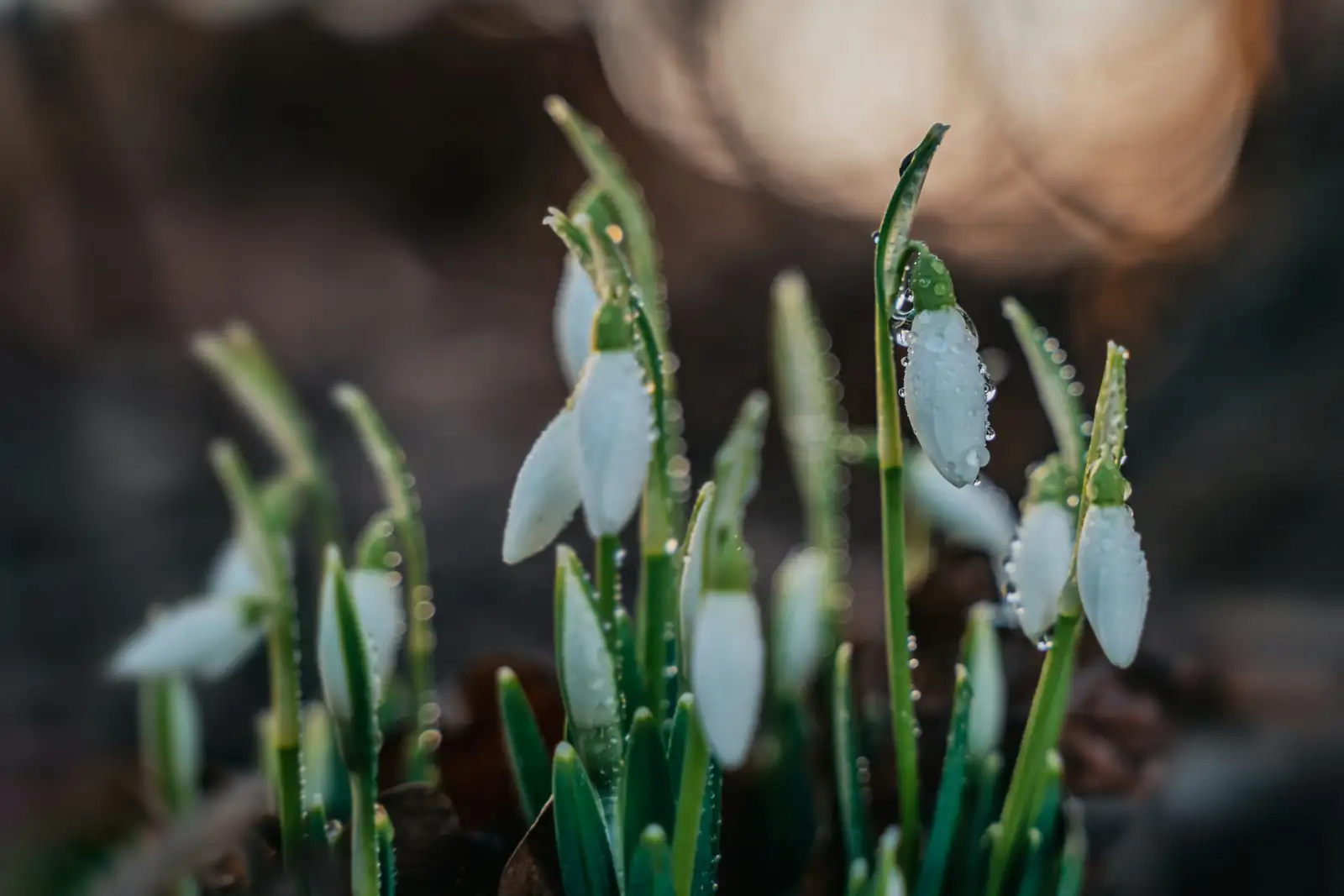
- What they look like: Slender, glaucous gray-green leaves (usually two per bulb) and one elegant, bell-shaped flower per stem. Each bloom has three large, pure white outer tepals and three shorter inner ones, typically tipped with a neat green mark.
- Size: Typically 7–15 cm (3–6 in) tall.
- Bloom time: Late winter to early spring—often January through March.
- Habit: Perennial, bulb-forming, clump-making, and happy to naturalize in the right spot.
H2: The Golden Rule
Never cut snowdrop leaves early. Allow the foliage to yellow and wither naturally. Those leaves are your bulb’s solar panels—premature cutting steals next year’s flowers.
H2: Site, Light, and Soil—Set the Stage
- Light: Full sun in spring is ideal, with part shade later. Under deciduous trees and shrubs is perfect—bright, open light while they grow and bloom, then leafy shade for their summer dormancy.
- Soil: Humus-rich, fertile, and well-drained. Snowdrops appreciate organic matter and often thrive in limestone/alkaline soils when drainage is good.
- Climate and hardiness: USDA Zones 3–7 (some selections can edge into Zone 8). Very cold hardy, and they bloom best with real winter chill.
H2: Planting—Two Proven Paths
H3: Planting “in the green” (most reliable)
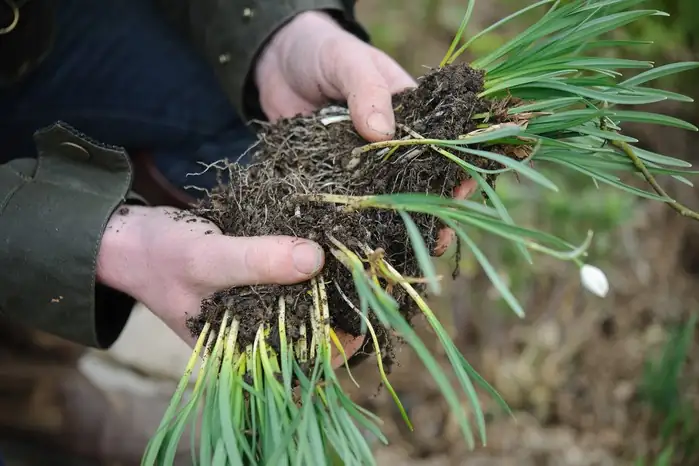
- When: Late winter to early spring, just after flowering (often February–March).
- How: Split clumps or plant freshly lifted, leafy plants immediately. Keep roots intact and moist; replant at the same depth they were growing (the white leaf bases just below soil level). Water in gently.
- Why it works: Bulbs haven’t dried out, and they transplant with momentum.
H3: Planting dry bulbs (also effective)
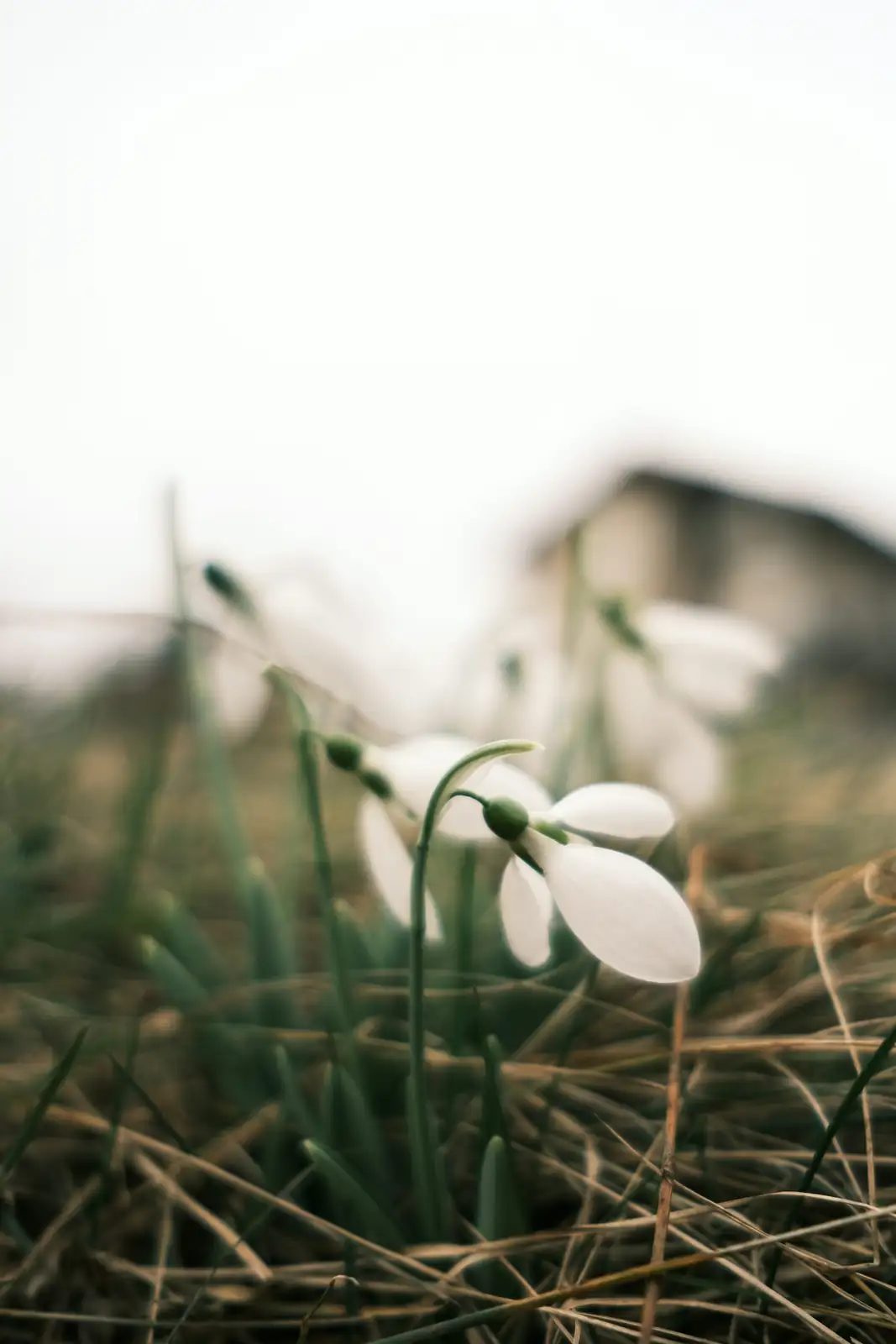
- When: Fall (October–November).
- Depth: Set bulbs about 7–8 cm deep (around 3 inches), pointy end (the “nose”) up.
- Spacing: Plant in generous groups for a naturalized effect; close spacing creates quicker drifts.
- Water: Water once after planting to settle the soil, then let winter rains take over.
H2: Month-by-Month Care Calendar
Northern Hemisphere, cool-temperate timing; shift 4–6 weeks earlier in mild zones or later in very cold regions.
H3: September
- Prep beds with leaf mold or compost to build humus and improve drainage.
- Plan drifts under deciduous canopies, along paths, or at border fronts where winter interest shines.
H3: October–November
- Plant dry bulbs 7–8 cm (3 in) deep. Tuck them in groups for a natural look.
- Water to settle; avoid soggy soil. Mulch lightly with shredded leaves if your soil dries fast.
H3: December
- Dormant. Do nothing except ensure beds don’t stay waterlogged. Good drainage now prevents rot.
H3: January
- First noses appear where winters are moderate. Light is your friend—no need to shade early growth.
- If it’s a very dry winter, provide a light drink; otherwise, let weather do the work.
H3: February
- Peak bloom in many regions. Enjoy! Keep soil evenly moist but never boggy.
- Plant “in the green” starts now in some climates—replant promptly at the same depth.
H3: March
- Still flowering or just finishing in cooler spots.
- The best month for dividing mature clumps “in the green.” Replant immediately, keeping roots intact.
- Optional: deadhead spent flowers to tidy, but leave foliage to feed bulbs.
- Light feeding: A low-dose bulb fertilizer or balanced, gentle feed now or right after flowering supports next year’s blooms.
H3: April
- Leaves are photosynthesizing hard—this is the recharge phase.
- Maintain lightly moist soil; top-dress with a bit of compost if needed.
- Division can continue early this month in cooler regions.
H3: May
- Foliage yellows and collapses. Golden rule: don’t cut early. Wait until leaves are fully withered.
- Watering can taper off to natural rainfall as plants prepare for dormancy.
H3: June–July
- Dormant. Keep soil on the drier side; avoid irrigation schedules that soak empty beds.
- In lawns: delay mowing until leaves have fully died back earlier in spring. After that, normal mowing resumes.
H3: August
- Still dormant. Plan fall planting if you’re adding dry bulbs. Check drainage—summer storms shouldn’t leave standing water.
H2: Watering Rhythm (Simple and Seasonal)
- Active growth and bloom (late winter to mid-spring): Keep soil lightly and evenly moist.
- Post-bloom to foliage die-back: Maintain modest moisture until leaves yellow.
- Summer dormancy: Err on the dry side; never waterlog.
H2: Feeding, Mulch, and Maintenance
- Feeding: Snowdrops aren’t heavy feeders. A light bulb fertilizer in early spring, just after flowering, or at fall planting is enough.
- Mulch: A thin layer of leaf mold or compost improves soil and conserves spring moisture. Avoid heavy, soggy mulches in summer.
- Disturbance: Minimal. Leave clumps undisturbed unless flowering wanes—then divide right after bloom, “in the green.”
H2: Naturalizing, Dividing, and Propagating
- Naturalizing: Perfect for woodland edges, under deciduous shrubs, rock gardens, border fronts, and even lawns (with delayed mowing).
- Division: The fastest way to expand. Split and replant immediately after flowering while leaves are still green.
- Seed: Possible but slow—expect 2–3 years (or more) to first bloom. Plants may self-seed where happy.
H2: Growing in Pots
- Use a free-draining, humus-rich mix. Ensure excellent drainage—terracotta or pots with multiple holes help.
- Water for even moisture in growth; lighten up after flowering; keep on the dry side in summer dormancy.
- Resist frequent repotting. If overcrowded, divide and reset “in the green.”
H2: Placement Ideas
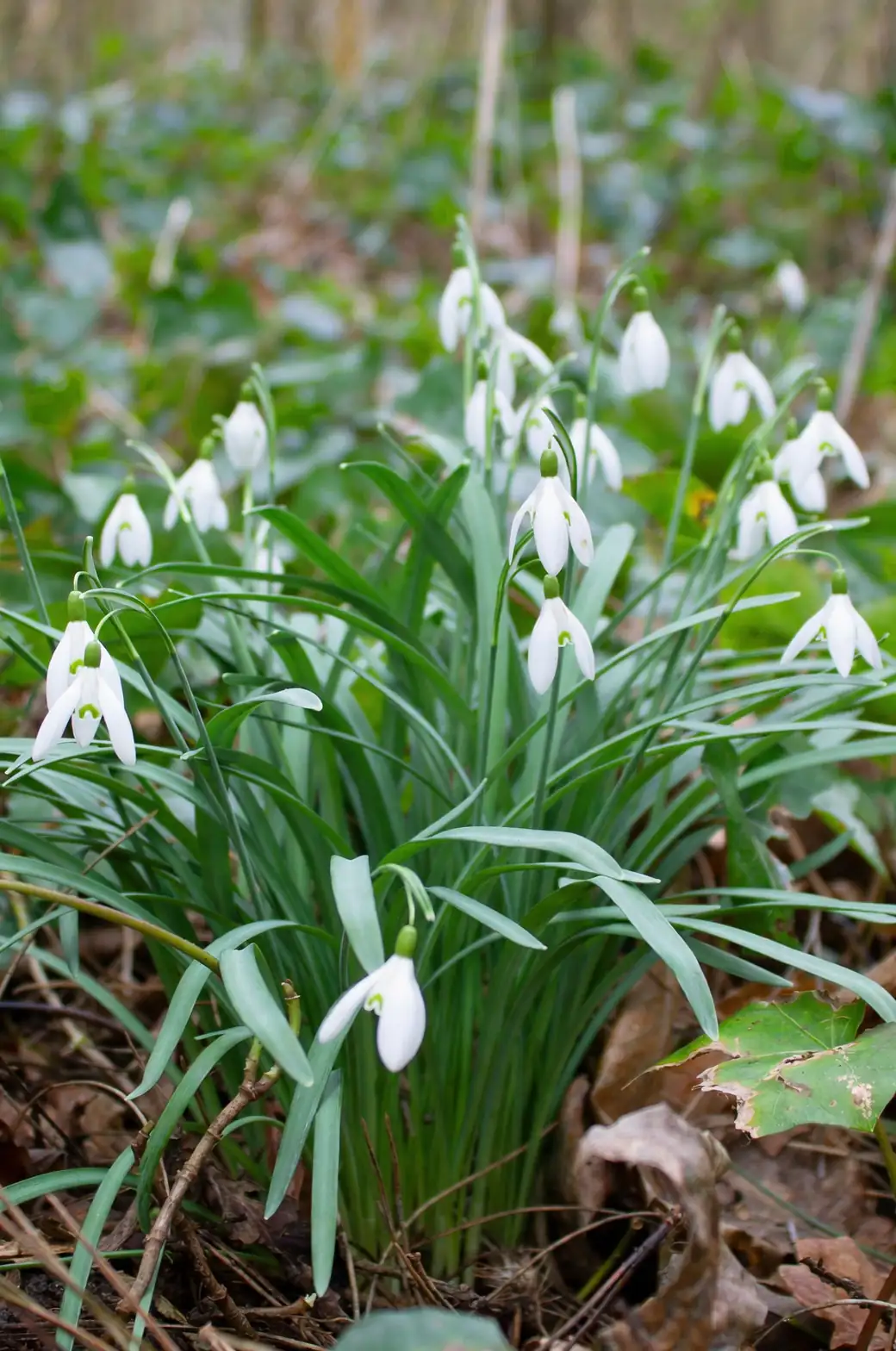
- Thread them along paths and front-of-border edges so blooms greet you up close.
- Drift them under deciduous trees for that magical “milk-white” woodland carpet.
- Pair with winter aconite (Eranthis), hellebores, and early crocuses for a layered late-winter show.
H2: Hardiness, Pests, and Troubleshooting
- Hardiness: USDA Zones 3–7 (some into 8). Cold winters promote strong flowering.
- Pests: Generally trouble-free. Toxic alkaloids deter deer, rabbits, and many rodents. Squirrels sometimes dig bulbs, and birds may peck flowers—more mischief than menace. Good drainage discourages disease.
- If flowers falter: Common causes include bulbs planted too shallow or too deep, bulbs that dried out before planting (with dry bulbs), insufficient winter chill, overcrowding (divide after flowering), or a site that’s too warm.
H2: Safety Note
All parts are toxic to humans and pets if ingested, containing alkaloids such as lycorine. Symptoms can include nausea, vomiting, and diarrhea. Handle sensibly, keep out of reach of children and pets. Snowdrops are also linked to galantamine, a compound used in modern medicine for cognitive symptoms in Alzheimer’s disease.
H2: Ethics and Sourcing
Snowdrops are beloved—and regulated. The Galanthus genus is listed in CITES Appendix II, so international trade is strictly controlled. Buy from reputable, nursery-propagated sources rather than wild-dug stock.
H2: Quick ID Checklist
- Two to three strap-like, glaucous leaves
- One nodding, bell-shaped white flower per stem
- Three large outer tepals; three shorter inner tepals with green markings
H2: Folklore, Flower Language, and Meaning
Snowdrops have long symbolized hope, renewal, purity, and consolation. Why? Timing. When their white bells appear through snow, they read like a handwritten promise that winter won’t last. In some Victorian tales, a single snowdrop in the house was considered unlucky—perhaps a reminder of winter’s hardships—yet sweeping drifts were thought to bring comfort and courage. That duality runs deep: purity and perseverance paired with the bittersweet honesty of the late-winter landscape. Today, most gardeners embrace them as messengers of new beginnings.
H2: At-a-Glance Essentials
- Best time to plant: “In the green” right after flowering (Feb–Mar) for near-guaranteed success; plant dry bulbs in fall (Oct–Nov).
- Depth for dry bulbs: About 7–8 cm (3 inches) deep.
- Light: Full spring sun to part shade; happiest under deciduous canopies.
- Soil: Humus-rich, well-drained, often fine in alkaline conditions.
- Water: Evenly moist in growth; lighter after bloom; relatively dry in summer dormancy.
- Absolute must: Never cut leaves early—wait for full yellowing and natural collapse.
Give snowdrops these simple conditions, and they’ll reward you with courage in miniature: little green spears, white bells in the chill, and the annual thrill of the first true sign of spring.


