
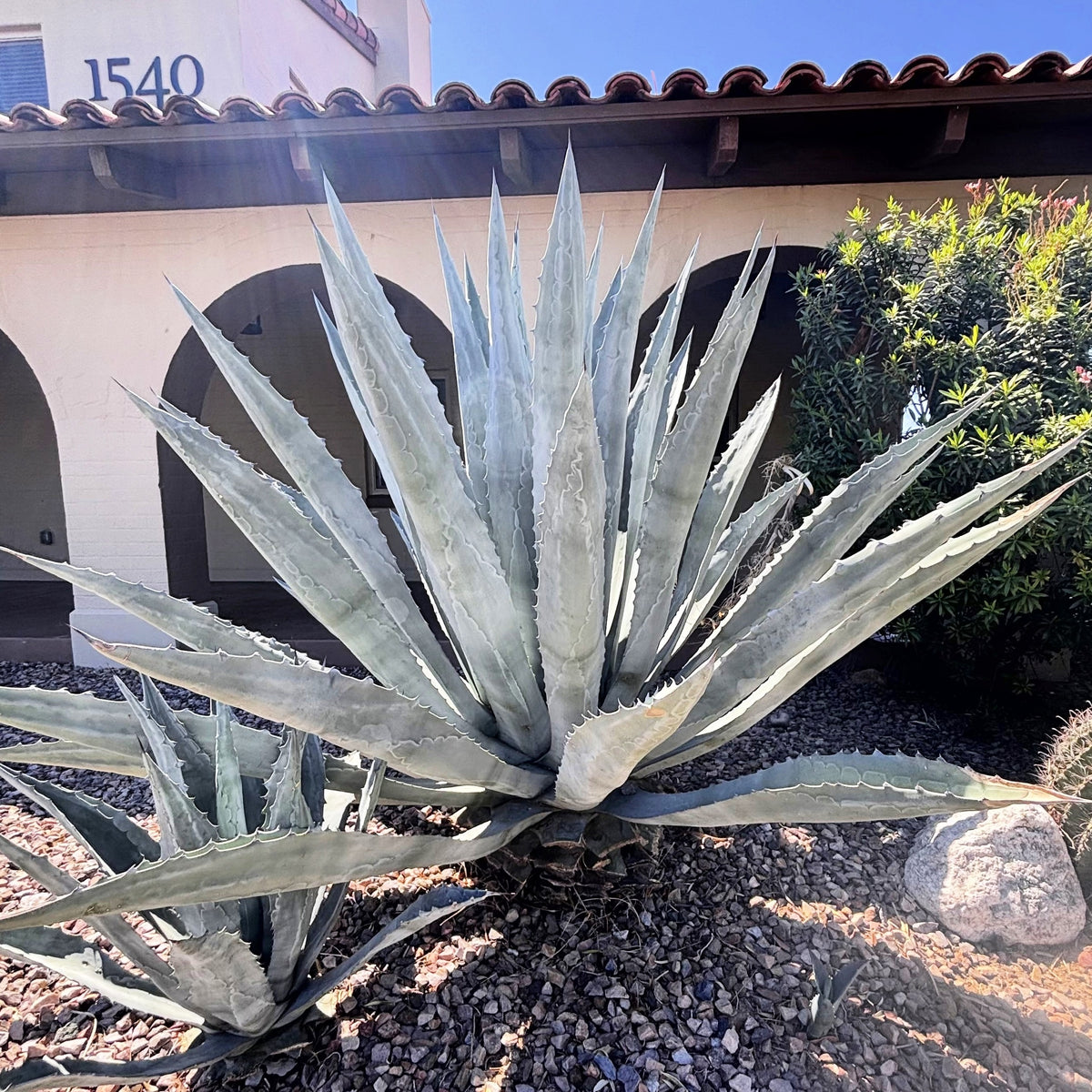
If you garden long enough, you learn that even the brawniest sculpture of a plant can have a glass jaw. Case in point: Agave americana—the Century Plant. It looks like a blue‑gray battle tank, all sword leaves and terminal spikes, yet one stealthy beetle or a week of soggy soil can turn it into agave applesauce. Here’s your fast, field-tested troubleshooting guide—urgent, a little cheeky, and very practical—for spotting trouble early, preventing the worst, and rescuing what can still be saved (especially those precious pups).
Meet your patient: Agave americana in a nutshell
- Architectural, evergreen rosette with thick, gray‑green to blue‑gray, spiny leaves.
- Loves full sun, fast-draining soil, and deep-but-infrequent watering.
- Monocarpic: blooms once after many years (often 10–25), sends up a 7–8 m flower spike, then the flowering rosette dies—but usually leaves offsets (“pups”) to continue the dynasty.
- Native to Mexico; widely naturalized in warm, dry regions worldwide.
Now let’s keep yours alive long enough to enjoy that final fireworks show.
Early red flags: sprint, don’t stroll
Act when you see any of these. Delay = mush.
Agave snout weevil (the catastrophic one)
- Lower leaves start to wrinkle, wilt, or slump despite dry weather—often noticeable in late spring/early summer in warm regions.
- Tiny, pencil‑sized holes or punctures near the plant’s base or where a leaf meets the core.
- The crown feels loose if you gently rock the plant (don’t yank; spines!).
- Sudden collapse of the whole rosette. Larvae (fat, legless, pale grubs) may be in the crown or upper roots.
Root or crown rot (the soggy one)
- Yellowing, then browning from the base outward; leaf bases turn soft or blackened.
- A sour or swampy smell when you unpot.
- Roots look brown, mushy, or hollow instead of firm and white.
- Water found sitting in the rosette or in a saucer; soil stays wet for days.
Mealybugs and scale (the sticky, slow-drain ones)
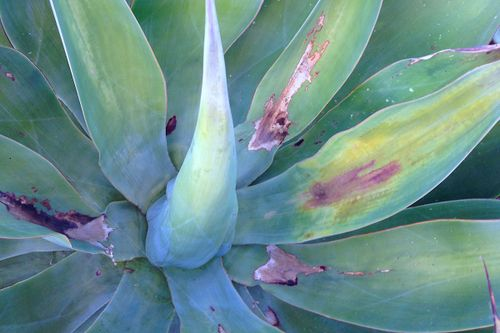
- Cottony tufts tucked in leaf axils, undersides, and along the midrib (mealybugs).
- Little brown/gray bumps that don’t rub off easily (scale).
- Leaves may look dull; honeydew and sooty mold can appear.
Not a problem (but often misread): post‑bloom decline
- After a towering flower stalk appears, the blooming rosette will naturally decline and die. If your agave collapses without ever blooming, suspect weevil or rot first.
—
Agave snout weevil: the enemy within
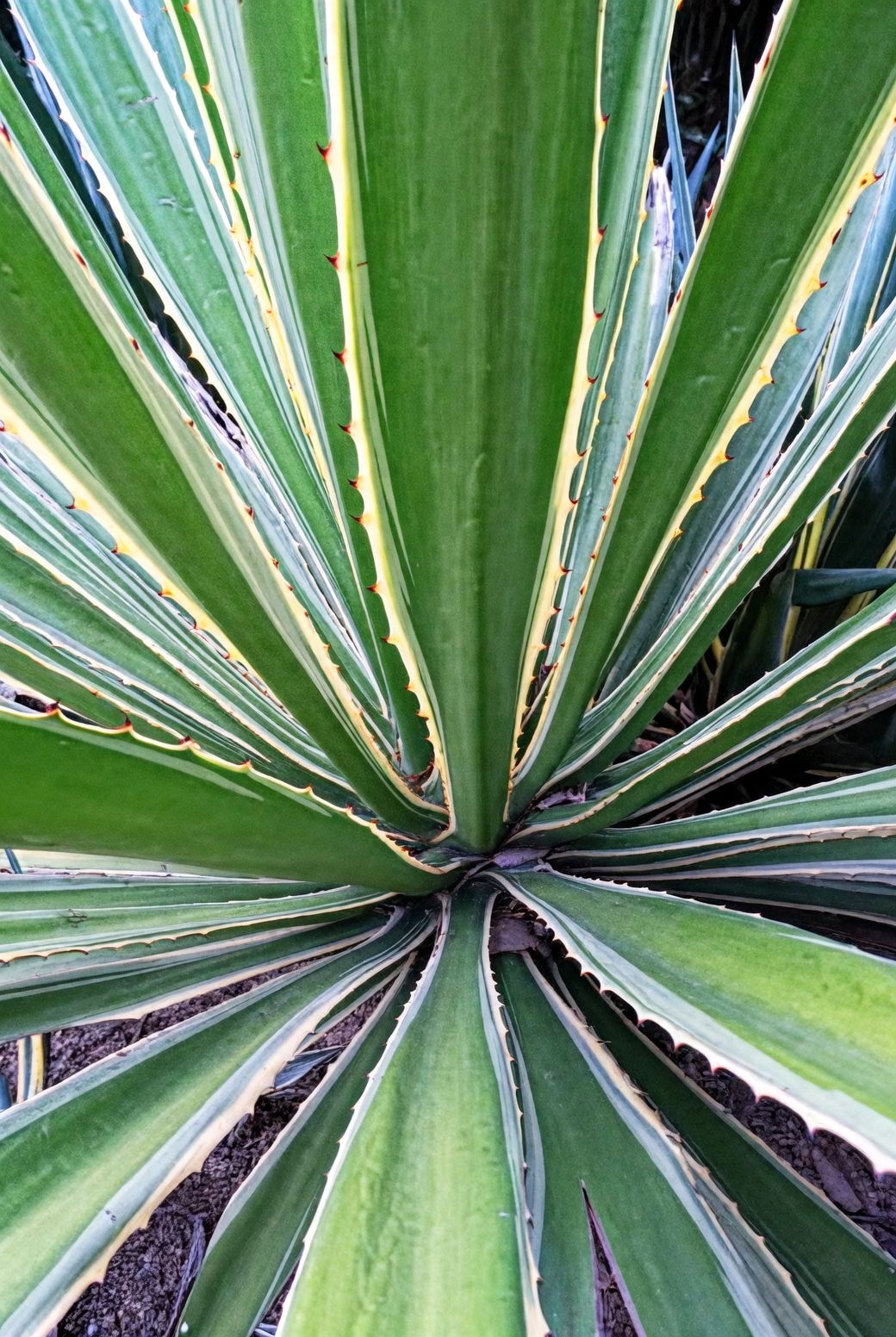
Big, black, and sneaky, Scyphophorus acupunctatus targets large, broad‑leafed, blue‑gray agaves—Century Plant is prime real estate. Adults nibble leaves (cosmetic), but the larvae are the wrecking crew, tunneling into the crown and upper roots and inviting decay organisms along for the party.
What to do the minute you suspect it
- Gear up: thick gloves, eye protection, long sleeves. Those spines and irritating sap are no joke.
- Inspect the crown and leaf bases for holes, rot, or grubs. If the center is mushy or riddled with larvae, prepare to remove the plant.
- If the crown is still firm and you caught just a small area of damage, you can attempt “agave surgery”:
- Lift the plant from the soil/pot.
- With a sterile, sharp knife/saw, cut away all affected tissue back to clean, firm, pale flesh.
- Dust cut surfaces with powdered sulfur and let the plant dry and callus several days in bright, airy shade.
- Repot into a gritty, fast-draining mix and water lightly only after the callus has set.
Reality check: Once the meristem is hollowed out, the main rosette usually can’t be saved. Don’t lose time on the unsalvageable—go protect the pups and the rest of your collection.
Remove and sanitize like you mean it
- Bag and trash the infested plant—do not compost.
- Scrape and discard 5–8 cm (2–3 in) of surrounding topsoil, where larvae/pupae can hide.
- Clean tools with alcohol or a 10% bleach solution.
Prevention that actually helps
- Culture first: full sun, excellent drainage, and little to no irrigation once established. Keep water out of the rosette and don’t pile mulch against the crown.
- Quarantine new agaves. Bare‑root purchases reduce hitchhikers. Inspect leaf bases for pinholes or soft spots before planting.
- Space plants for airflow; avoid wounding the crown when weeding or staking.
- Know your neighborhood pressure: if snout weevil is common locally, consider diversifying with narrower‑leaf agaves, which are less frequently attacked.
Chemical options (use carefully, legally, and per label)
- In some regions, systemic and contact insecticides are used preventively during peak activity (often spring into early summer).
- Where allowed, homeowners sometimes use systemics; in places like California, certain neonicotinoids (e.g., imidacloprid) are restricted for non‑agricultural outdoor ornamentals unless applied by licensed professionals. Check current local regulations.
- Alternatives used by professionals include combining a systemic (e.g., acephate) to target larvae inside tissues with a contact barrier (e.g., bifenthrin) around the base to intercept adults. Apply strictly per label instructions, and repeat as labels and local schedules advise.
Pro tip: Even with treatments, inspection and cultural prevention are your best defense. Direct control after larvae are deep in the crown is notoriously difficult—catch it early or stay ahead of it.
—
Root and crown rot: diagnose fast, cut faster
Agave americana wants fast-draining soil and deep-but-infrequent watering. Rot happens when roots suffocate and decay organisms thrive.
How to confirm
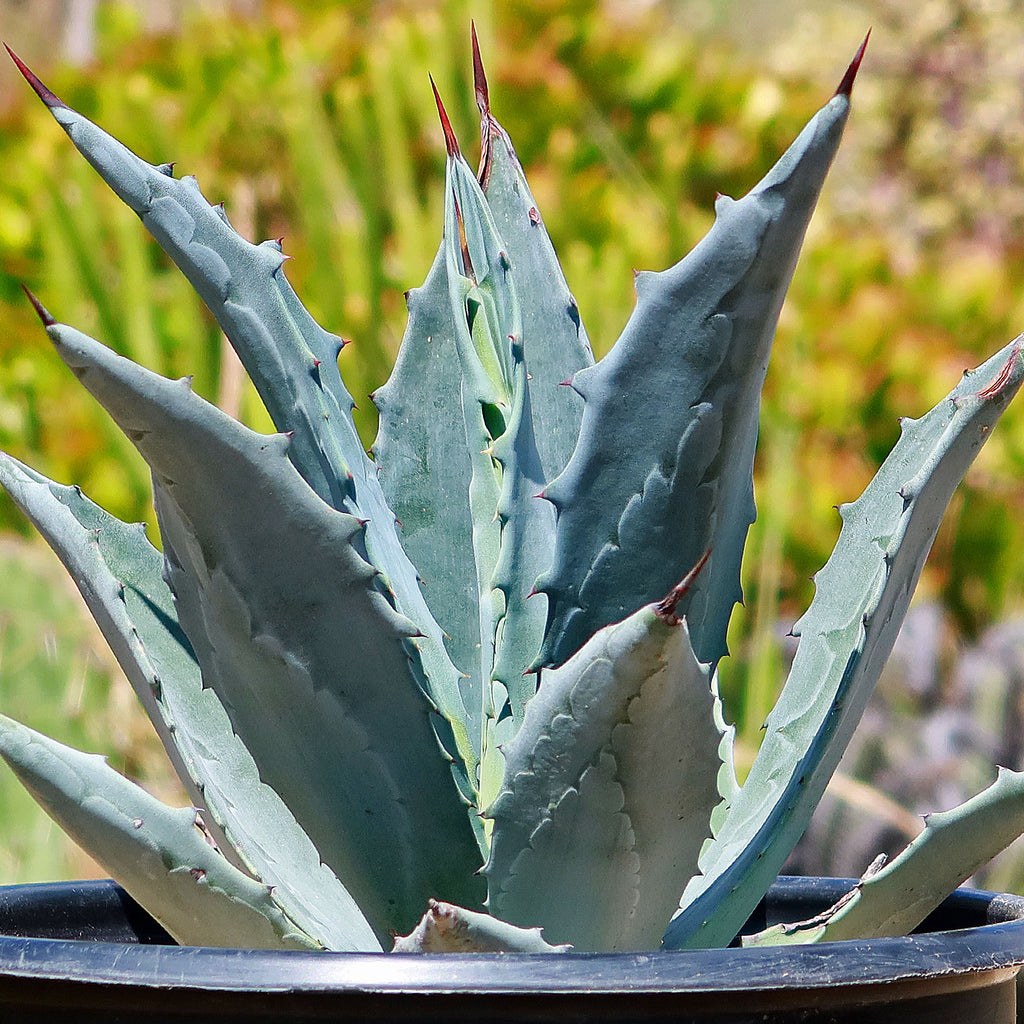
- Unpot gently. Healthy roots are firm and white to pale tan. Rotting roots are brown/black, mushy, or smell sour.
- The crown/base may be soft, dark, and wet; leaves detach easily with a tug.
Rescue protocol
- Unpot and remove all wet, decomposed media.
- With sterile tools, cut away all mushy tissue until only firm, clean flesh remains.
- Dust wounds with powdered sulfur. Air‑dry several days in bright shade to callus.
- Repot in a gritty succulent mix (think cactus mix heavily amended with coarse sand/pumice/perlite).
- Water sparingly after callusing—then resume a pattern of deep watering only after the mix dries completely.
- Improve conditions: more sun, more airflow, and absolutely no standing water in saucers or rosettes.
If rot has consumed the core, salvage any firm pups and discard the main plant.
—
Mealybugs and scale: sticky villains, simple takedown
These sap‑suckers weaken plants over time and can vector sooty mold via honeydew.
Spot and stop
- Inspect leaf axils and undersides regularly.
- Physically remove mealybugs with cotton swabs dipped in isopropyl alcohol.
- Treat light to moderate infestations with horticultural soap or oil, coating pests thoroughly. Repeat every 7–10 days for 2–3 cycles to catch hatchlings.
- Improve airflow and light; reduce excess nitrogen feeding.
- Control ants that farm honeydew; they protect pests and undo your hard work.
Quarantine new plants and any infested specimens to prevent spread.
—
Cultural prevention playbook (the boring stuff that saves your agave)
- Sun: 6–8 hours of direct light for best vigor and color; in extreme heat, light afternoon shade can prevent scorch.
- Soil: gritty and fast-draining; never heavy or water‑retentive.
- Water: deep, then wait for a full dry‑down. In winter, keep it mostly dry.
- Potting: use a sturdy container with generous drainage. Don’t over‑pot; refresh mix every 1–3 years.
- Airflow: space plants; avoid crowded, humid corners.
- Hygiene: keep leaf axils free of debris; sanitize tools; don’t let water sit in the rosette.
- Buying: choose firm, evenly colored leaves; no blackening at the base; no wobbly crown; inspect for mealybugs/scale. Avoid plants sitting in soggy media.
Calendar cue: Spring–summer is prime time to watch for snout weevil outdoors.
—
What to save, what to toss, and how to protect the pups
Save it if…
- The crown is mostly firm and you can cut back to clean tissue.
- Roots are largely sound after trimming rot.
- Pest pressure is light and controllable with manual removal and follow‑up sprays.
Toss it (bag + trash) if…
- The meristem (center) is hollowed or liquefied (classic weevil collapse).
- Rot extends so far that cuts cannot reach firm, clean tissue.
- You find multiple weevil larvae in the crown/upper roots.
Pup protection plan
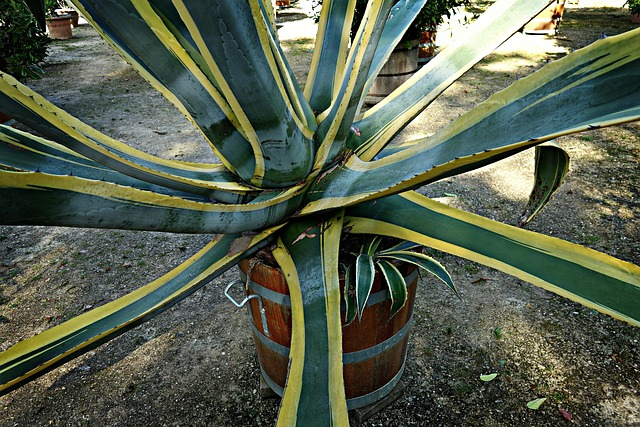
- Detach healthy pups with a clean cut, taking a sliver of the rhizome if possible.
- Let cuts callus for several days in airy shade.
- Pot into a gritty succulent mix; stabilize with top‑dressing gravel.
- First drink: wait about a week post‑potting, then water lightly; repeat only after a full dry‑down.
- Quarantine 4–6 weeks. Inspect axils for pests and the base for softening.
- If the mother plant had weevil or severe rot, remove and discard a few centimeters of surrounding soil where larvae/pupae might lurk before replanting in that spot.
—
Safety first (your skin will thank you)
- Wear thick gloves and eye protection when handling or pruning. Terminal spines puncture; marginal teeth slice.
- Sap can irritate or blister skin in sensitive people; wash off promptly.
- Keep away from kids and curious pets; ingestion may cause GI upset.
—
A quick myth-buster before you go
Does the “Century Plant” really take 100 years to bloom? Not quite. Most bloom once after many years—typically 10–25 depending on conditions—then the flowering rosette bows out. With good care (and a little pest paranoia), yours will live long enough to stage that dramatic last act—and leave a ring of pups to carry the torch.
Bottom line: For Agave americana, prevention is king, quick response is queen, and pups are the royal heirs. Keep it sunny, keep it gritty, keep it dry—and keep an eye out for tiny holes that spell big trouble.