

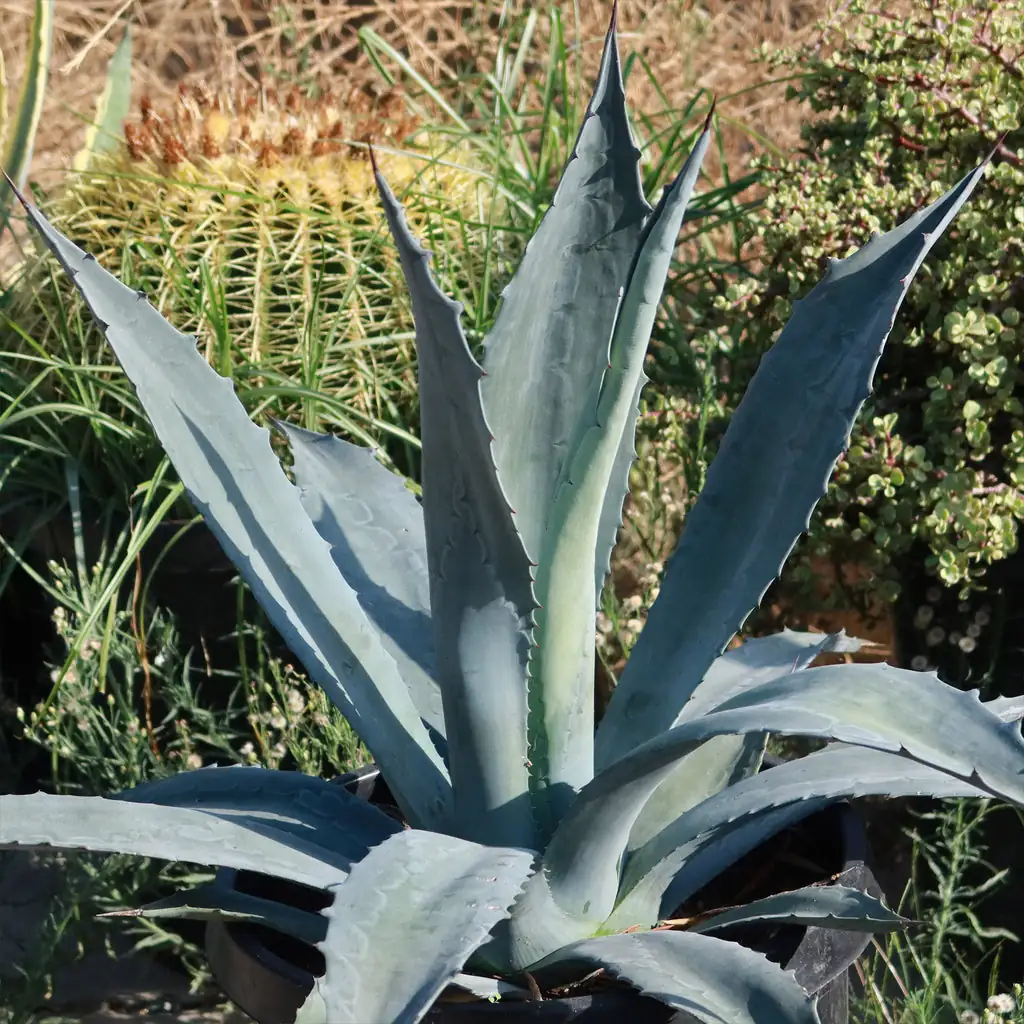
If you like your plants bold, sculptural, and blissfully low-maintenance, Agave americana—the Century Plant—was built for you. Imagine a living sundial of blue‑gray swords, each leaf edged with tiny teeth and tipped with a serious needle. Treat it right and it rewards you with decades of drama, then a towering, once‑in‑a‑lifetime bloom. Here’s the no‑guesswork guide to keep it thriving—sun hours, soak‑and‑dry watering, gritty soil you can mix in minutes, seasonal tweaks, winter’s “almost‑dry,” and how to handle those weaponized spines without the drama.
Meet the Century Plant (Agave americana)
- Origin: Native to Mexico; widely naturalized anywhere warm and dry worldwide.
- Look: A bold, evergreen rosette of thick, gray‑green to blue‑gray leaves, armed with sharp marginal teeth and a stiff terminal spine. Many forms show a paler central stripe.
- Size: In-ground rosettes often 1–2 m (3.3–6.6 ft) across; containers stay smaller, roughly 90 × 90 cm (35 × 35 in).
- Bloom: Monocarpic. After 10–25 years (give or take), a branching flower spike rockets to about 7–8 m (23–26 ft). The flowering rosette then declines and dies, but offsets (“pups”) carry on.
Light: Aim for desert sunshine
- Target: 6–8 hours of direct sun daily for best color and stout growth.
- Outdoors: Full sun is ideal; in extreme heat, a whisper of afternoon shade prevents leaf scorch.
- Indoors: Park it at the brightest window you’ve got—south or west is best. “Hug the glass” bright.
- Acclimation: Moving from shade to sun? Ramp up over 1–2 weeks to avoid sunburn.
Soil that never lingers: fast, gritty, breathable
Your agave wants water to pass through like a quick desert thunderstorm.
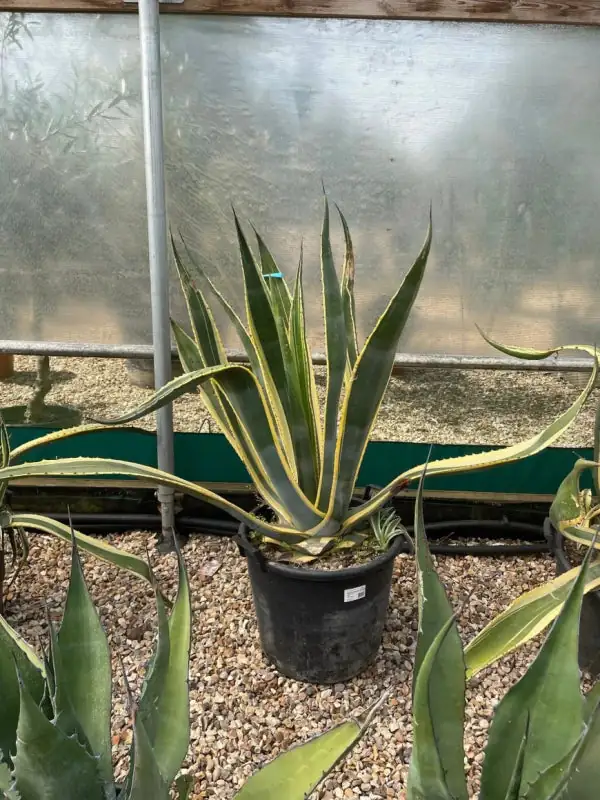
- What it needs: Very fast‑draining, cactus‑style soil with lots of mineral grit.
- Two easy recipes:
- Upgrade-a-bag: 1 part commercial cactus/succulent mix + 1 part mineral (equal parts pumice or lava + coarse sand/grit + perlite).
- DIY desert: 1 part coarse sand/grit + 1 part pumice/lava + 1 part lean potting mix. Optional: a handful of perlite for extra lift.
- Pot matters: Use a heavy, stable pot with generous drainage holes (wide and low is harder to tip). Add pot feet so water can escape fast.
- Never: Let water sit in a saucer or pool inside the rosette.
Watering without guesswork: soak-and-dry, step by step
Think “big drink, long drought.”
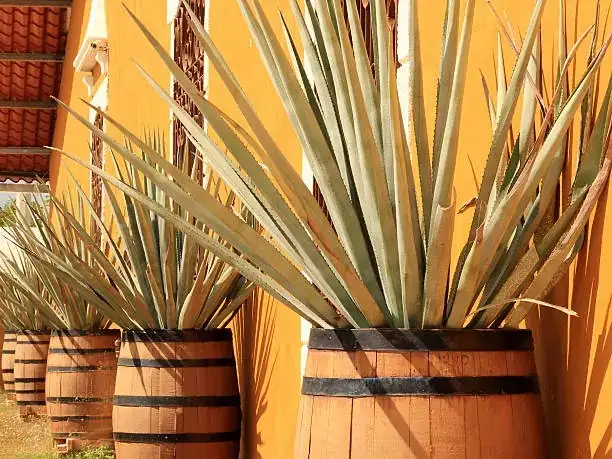
1) Check dryness deep:
- Probe with a wooden skewer or chopstick near the pot edge; it should come up dry.
- Lift test: the pot should feel noticeably lighter than right after a watering.
2) Water around the perimeter of the soil (not into the rosette) until water runs freely from the drainage holes.
3) Let it drain completely; dump the saucer.
4) Wait to repeat until the mix is fully dry again.
- Typical rhythm: In warm, bright seasons, established container plants often want water every 1–2 weeks. In cooler or lower light, much less.
- New offsets: Water only after cut surfaces have callused and the mix dries; early on, they may dry faster—but always wait for dryness between sips.
- Red flags:
- Too much water/poor drainage: Yellowing leaves, a wobbly crown, or soft tissue—act fast.
- Too little for too long: Pronounced wrinkling; give a deep drink, then resume normal soak‑and‑dry.
Seasonal tweaks (the easy calendar)
- Spring: Resume deeper watering as growth picks up; start light feeding.
- Summer: Full sun, deep‑but‑infrequent watering; tiny bit of afternoon shade in extreme heat.
- Fall: Shorter days = slower drying. Space out waterings; stop feeding as nights cool.
- Winter “almost‑dry” strategy: Keep bright and cool‑to‑mild, water sparingly—just enough to prevent extreme shriveling. Absolutely no standing water or wet crowns in cold weather.
Temperature, humidity, and airflow
- Sweet spot: 15–25°C (59–77°F); tolerates ~10–30°C (50–86°F).
- Cold care: Protect from frost; container plants should be sheltered as temps approach 0°C (32°F).
- Humidity: Dry to average with good airflow. High humidity + wet soil = rot risk.
Feeding: a light hand wins
- When: Spring through summer/early autumn.
- What: Either a low‑nitrogen cactus fertilizer every 4–6 weeks, or a balanced liquid at half strength about every 2 weeks.
- Stop in winter. Overfeeding leads to floppy, stressed growth.
Pots, repotting, and root‑pruning
- Repot every 1–3 years, or when the mix breaks down.
- Size up slowly (or root‑prune to keep the same pot). Fresh, gritty mix beats a big, moist pot.
- Choose sturdy containers—agaves get top‑heavy. Weight is your friend here.
Handling those weaponized spines—safely
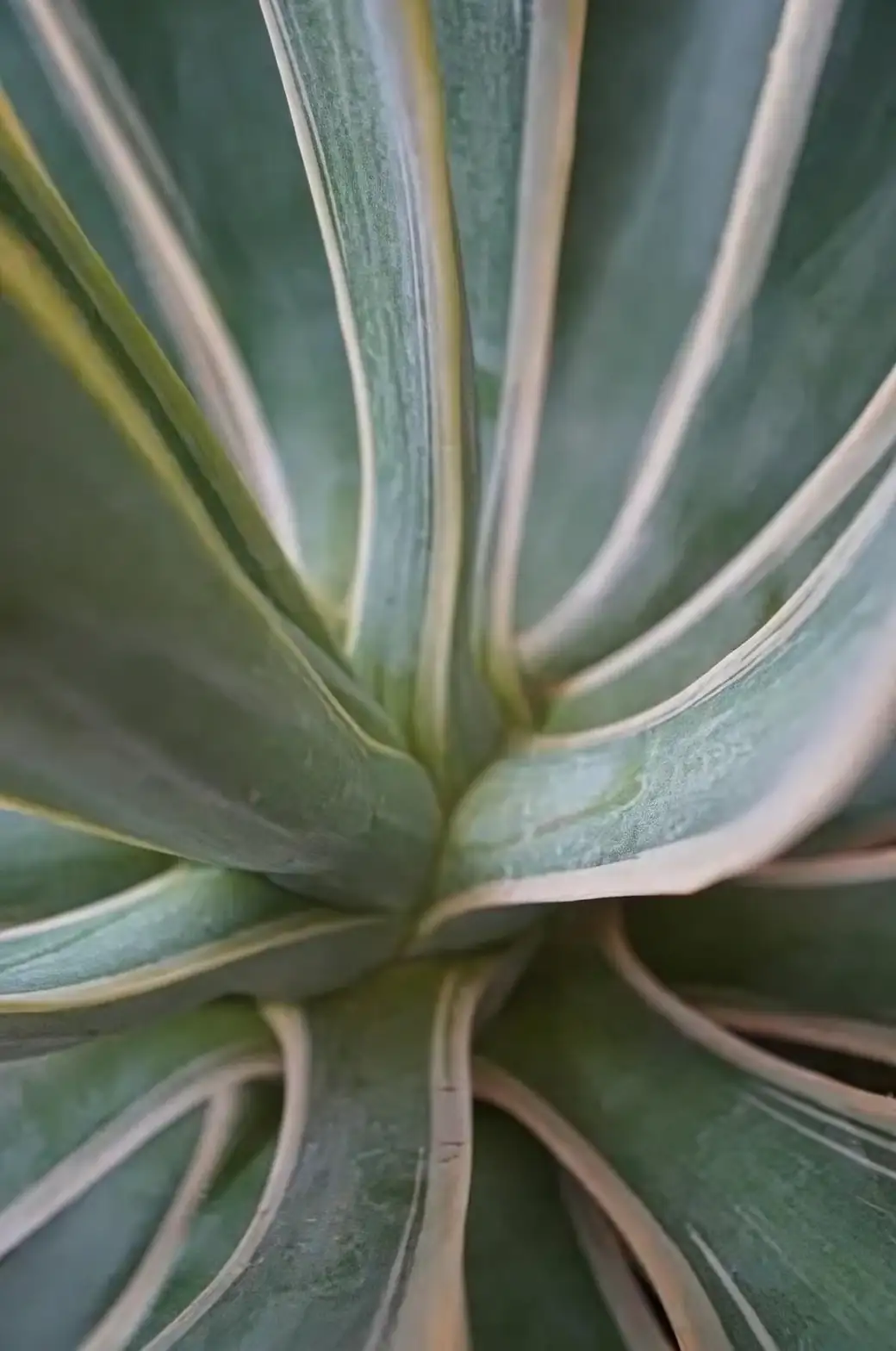
- Gear up: Thick leather gloves, long sleeves, and eye protection.
- Move smart: Use a folded moving blanket or cardboard wrap around the rosette; secure with soft rope. Two people for big plants.
- De‑fang temporarily: Press wine corks/foam bits onto tip spines during moves.
- Workspace: Clear a wide zone; never place in narrow walkways or near kids/pets.
- Sap alert: The sap can irritate or blister sensitive skin. If exposed, wash promptly with soap and water. Keep away from curious pets (mild to moderate toxicity).
Placement that works
- Outdoors: Sunny patio, balcony, or a xeric bed with room to spread and superb drainage.
- Indoors: The brightest south or west window. Rotate every few weeks for even symmetry.
- Give it space: Those spines demand respectful clearance.
Pruning and the post‑bloom truth
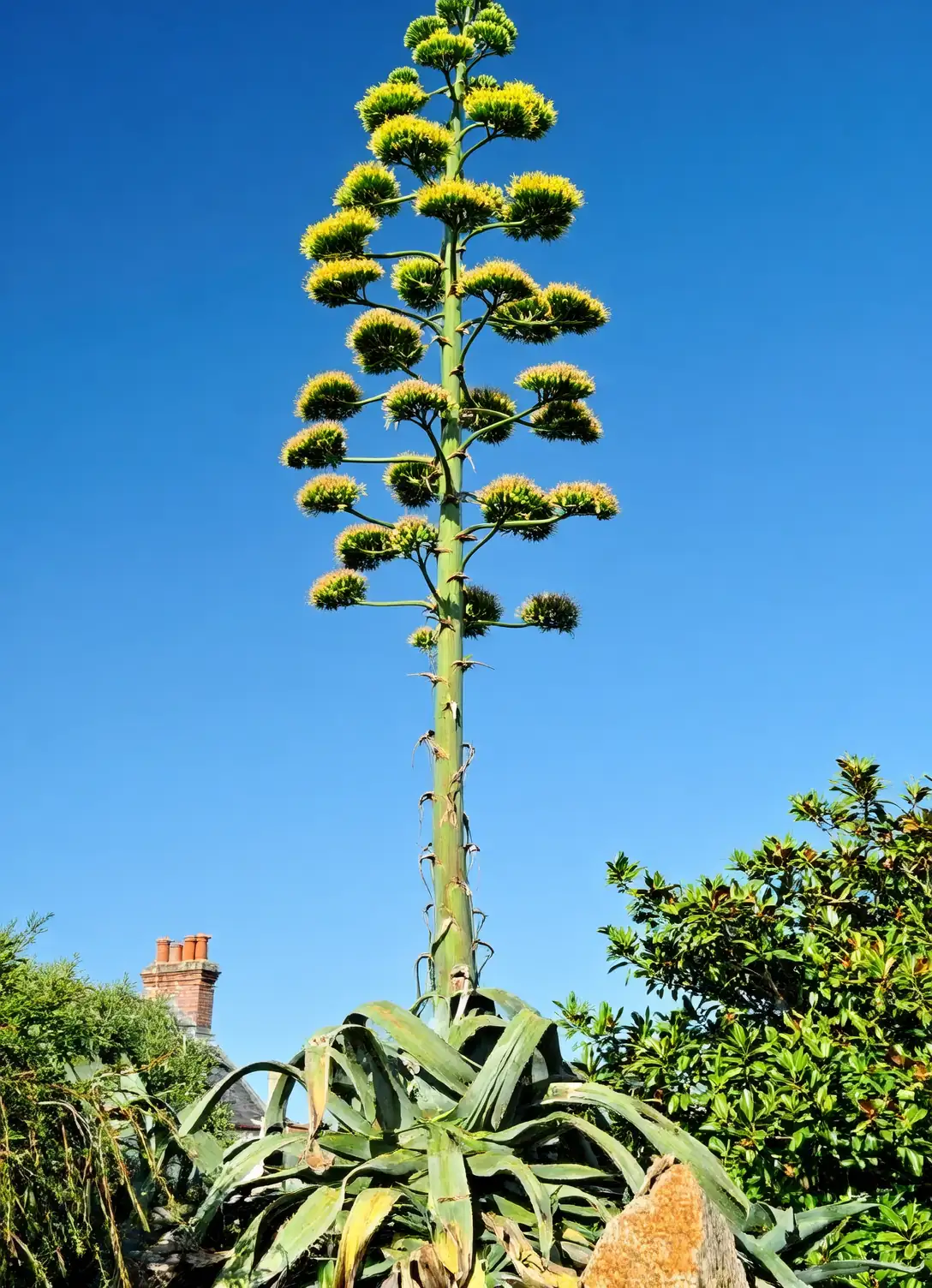
- Minimal pruning: Remove only dead or damaged outer leaves. Cut carefully and avoid nicking the crown.
- After the big bloom: You can cut the dry flower stalk, but the flowering rosette will naturally decline. Offsets often persist and take over.
Propagation: painless pups
- Best method: Offsets (“pups”).
1) Choose a pup with its own roots or a sturdy base.
2) Detach cleanly; let cut surfaces callus for several days.
3) Pot into a gritty mix. Wait to water lightly until the mix is dry and the plant has settled; then follow soak‑and‑dry with slightly closer attention at first.
- Also possible: Seed (slow) or bulbils that sometimes form on the flower stalk.
Common issues and fixes
- Yellowing leaves: Usually too much water, especially in cool conditions—or low light. Improve drainage and increase sun.
- Brown tips: Irregular watering, low light, or salt buildup. Strengthen light, deep‑but‑infrequent water, occasionally flush the pot with clean water.
- Pests: Mealybugs and scale hide in leaf axils; aphids may swarm flower stalks. Outdoors, watch for agave snout weevil (sudden collapse risk). Treat with manual removal and horticultural soap/oil, boost airflow, and keep the crown dry.
- Rot: The number‑one killer. Cut out affected tissue, keep dry, repot into fresh gritty mix, and correct watering/drainage.
Quick specs at a glance
- Sun: 6–8 hours direct sun; brightest window indoors.
- Soil: Very fast‑draining cactus/succulent mix with coarse grit.
- Water: Soak thoroughly; let dry completely. Winter: almost dry.
- Hardiness: Typically USDA Zones 8–11; protect from prolonged freezes.
A year with your Century Plant (cheat sheet)
- Spring: Repot/propagate, resume watering, begin light feeding.
- Summer: Sun, soak‑and‑dry, slight afternoon shade in extreme heat; keep airflow strong.
- Fall: Reduce water, stop feeding, tidy any dead leaves.
- Winter: Bright, cool, and nearly dry; shield from frost and cold, wet weather.
FAQs
- Does it really take a century to bloom?
- No. Most flower once after many years—commonly 10–25—then the blooming rosette declines. Pups live on.
- Can I grow it indoors?
- Yes—if you have very bright light (ideally several hours of direct sun) and a fast‑draining mix. Water conservatively and give it space.
- Why are my agave’s leaves yellowing?
- Most often overwatering or low light. Let the soil dry fully, improve drainage, and move it sunnier.
- Are the spines and sap dangerous?
- The spines can puncture skin, and sap may irritate or blister. Wear protection and place away from high‑traffic spots.
Symbolism, story, and that “last flourish”
Agave’s form and lifestyle have shaped its symbolism: endurance and resilience (a survivor of sun and drought), protection (armed leaves in a defensive circle), and patience or devotion (decades of quiet strength before a spectacular, final bloom). In Mesoamerican tradition, agaves are entwined with themes of nourishment and ingenuity—linked to the goddess Mayahuel and long valued for fibers and sweet sap. The nickname “Century Plant” grew from legends about its slow path to flowering. Not a hundred years, true—but long enough that when it finally lifts a 7–8 m spire of yellow‑green blossoms, the moment feels mythic.
Treat your Century Plant like the desert aristocrat it is—sun‑drenched, well‑drained, and mostly ignored—and it will repay you with years of sculptural presence and the promise of one unforgettable finale.


