

Open the kitchen door of old Europe and you’ll find a sprig of sage tucked somewhere between the bread and the hearth, standing for far more than supper. Garden sage (Salvia officinalis) carries a centuries-deep reputation for wisdom, longevity, good health, and the well-kept home—a living proverb in soft, silvery green.
The plant behind the proverb
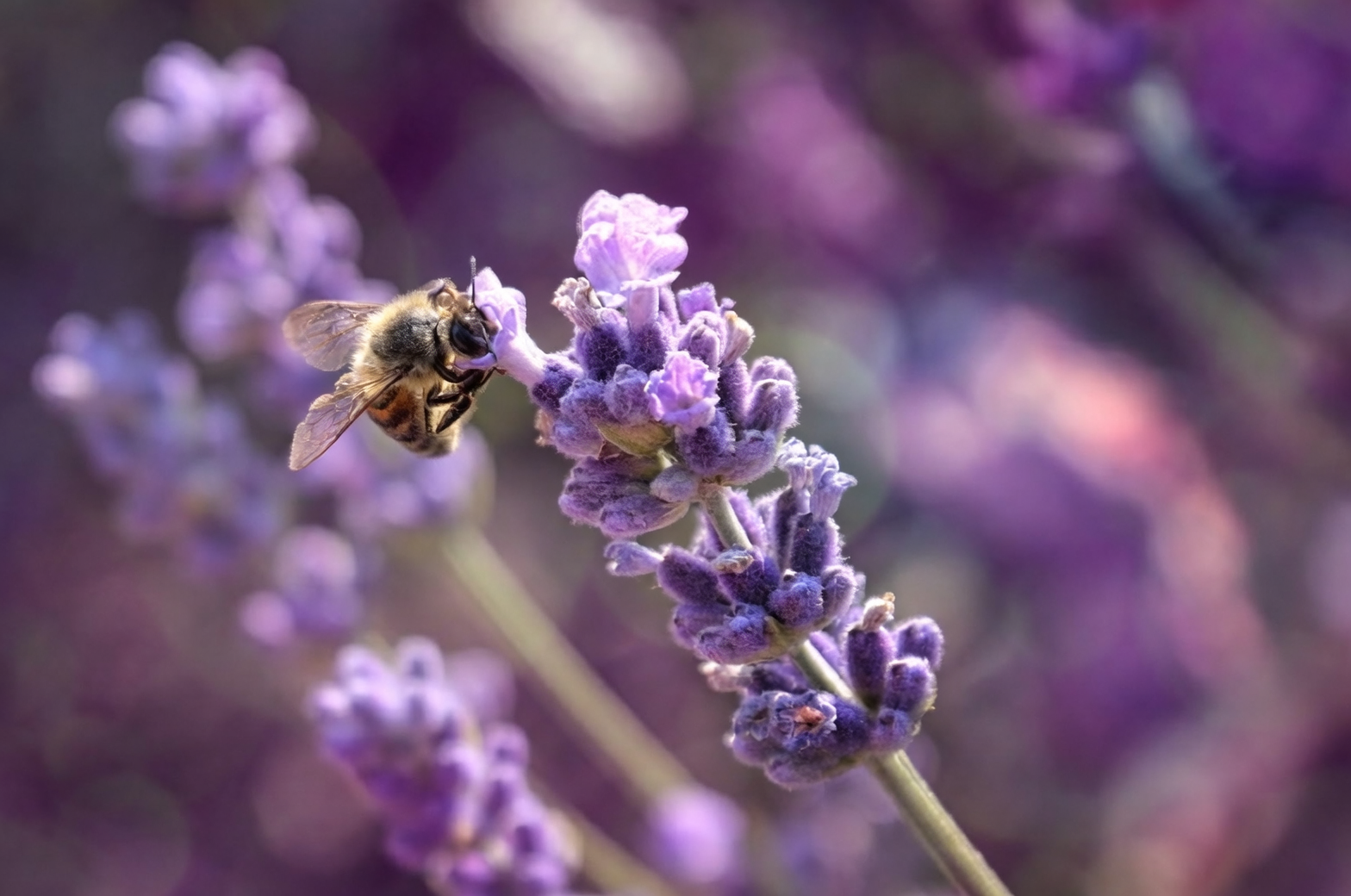
Before the symbolism, meet the herb. Sage is a classic Mediterranean evergreen subshrub with plush, grey‑green leaves that release a savory, peppery aroma at the lightest touch. In early to mid‑summer, it sends up upright spikes of two‑lipped blue‑to‑purple blossoms (sometimes pink or white) that bees and butterflies adore. Its sturdy, drought‑tolerant nature kept it thriving in cottage plots and cloister gardens alike—close to the door, close to the cook, close to the family.
No wonder people called it the “herb of the wise.”
Where sage’s meanings begin: salvere and the medieval mind
Sage’s very name points to its role in the European imagination. Salvia derives from Latin salvere—“to save” or “to heal.” Romans treated the plant with reverence in early medicine, and by the Middle Ages, it had become the household standby for ailments and longevity lore.
Three oft-repeated sayings trace that reputation:
- “Why should a man die while sage grows in his garden?” (the enduring medieval sentiment)
- “He who has sage in his garden does not need a doctor.”
- “He that would live for aye, must eat sage in May.”
Whether taken literally or not, these lines distilled a cultural truth: sage stood for resilience and well-being. Its evergreen habit suggested endurance; its medicinal and culinary uses promised a long, steady life.
That esteem reached the halls of power. In 812 CE, Charlemagne famously ordered sage planted on imperial estates, an imperial endorsement of a plant already beloved in monastery physic gardens and village plots.
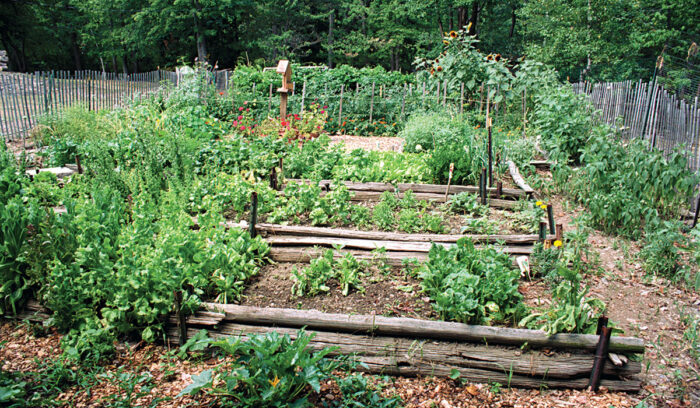
And as European trade widened, sage’s value traveled with it. Folklore preserves a striking tale: Chinese traders once prized French sage tea highly enough to exchange multiple pounds of Chinese tea for a smaller quantity of sage. Whether every detail was universal practice or not, the story echoes a historical reality—this humble herb carried prestige across cultures.
From proverb to floriography: how “wisdom” and “domestic virtue” were codified
By the nineteenth century, Europe had a passion for floriography—the “language of flowers”—a playful, sometimes secret code that assigned meanings to plants and their colors. Flower dictionaries gathered the scattered threads of folklore, botany, medicine, and old proverbs, turning everyday herbs into messages one could send in a bouquet.
Sage slipped easily into this code. Drawn from its history and habit, the entries typically read:
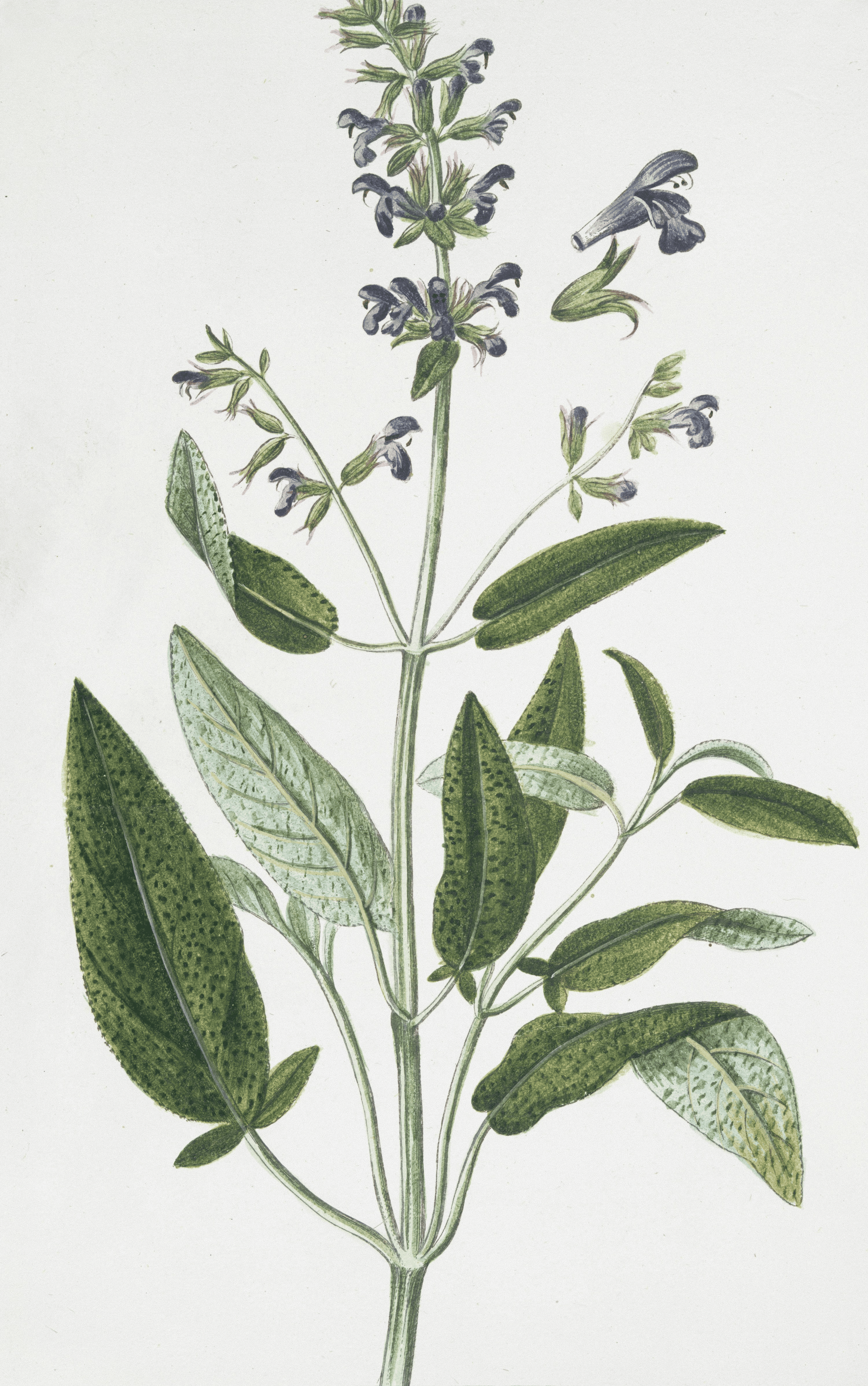
- Wisdom and good judgment (the “sage” pun reinforced an already ancient association)
- Longevity and good health (the salvere etymology and medical reputation)
- Domestic virtue and esteem (the herb of the hearth, the competent home)
Some lists even added “immortality,” a poetic flourish born from those longevity proverbs and sage’s evergreen leaves.
Why these meanings stuck
- Evergreen endurance: Year-round leaves signaled constancy and long life.
- A healer’s tool: Generations relied on sage teas and tonics; “saving” plants grant “saving” meanings.
- The kitchen as sanctuary: Sage flavors roasts, stuffings, and winter fare; it became shorthand for a well-run, welcoming home.
- Bees at the door: The plant’s pollinator-magnet flowers evoked industry and order—domestic virtues in botanical form.
Across cultures: how sage entered Chinese and Japanese flower-language lists
Garden sage is Mediterranean by origin, but its fame traveled. Encounters through trade, missionaries, and later printed compendia helped the herb appear in translated flower-language lists in East Asia. In modern Chinese- and Japanese-language floristry, sage is often glossed with meanings that echo Western tradition—longevity, respect/esteem, and household peace.
A few clarifying notes keep the story honest:
- Sage’s symbolic set in East Asia largely arrived via translation and modern floristry, not from ancient local myth for this particular species.
- The resonance is real: longevity and household harmony are deeply valued across East Asian cultures, so the adopted meanings felt instantly at home.
- The old tale of Chinese tea traded for sage tea amplified the herb’s prestige and helped the symbolism stick.
Blessing the threshold: sage in home life, weddings, and the seasons
Sage’s meanings were never just words on a page; they seeped into rites of passage and the rhythm of the year.
- Home blessings and housewarmings
- A potted sage by the kitchen door nods to good health and steady meals.
- Wreaths with sage, rosemary (remembrance), and thyme (courage) make an old-world benediction for a new home.
- Note: Culinary garden sage (Salvia officinalis) is distinct from white sage (Salvia apiana), which holds specific ceremonial significance in Indigenous North American traditions.
- Weddings and betrothals
- Victorian herb bouquets often tucked in sage for prudence and wise partnership.
- Pairings hint at a hoped-for household: sage (domestic virtue) with lavender (devotion), rosemary (remembrance), and olive foliage (peace).
- The folk memory of “parsley, sage, rosemary, and thyme” still flavors wedding tables and bridal florals, a lyrical shorthand for seasoned love.
- Seasonal traditions
- May proverbs celebrating sage echo wishes for vigor through the year.
- Early summer bloom spikes bring a flourish to solstice garlands.
- In Anglo-European kitchens, sage and onion at autumn feasts and winter holidays keep the herb close to family gatherings—the domestic virtue made delicious.
For the folklorists at heart, Midsummer lore even records nighttime love divinations using red sage sprigs and rosewater—an example of how herbcraft blurred into seasonal magic.
A quick botanical cameo in your designs
If you want to “speak sage” in a bouquet or tablescape:
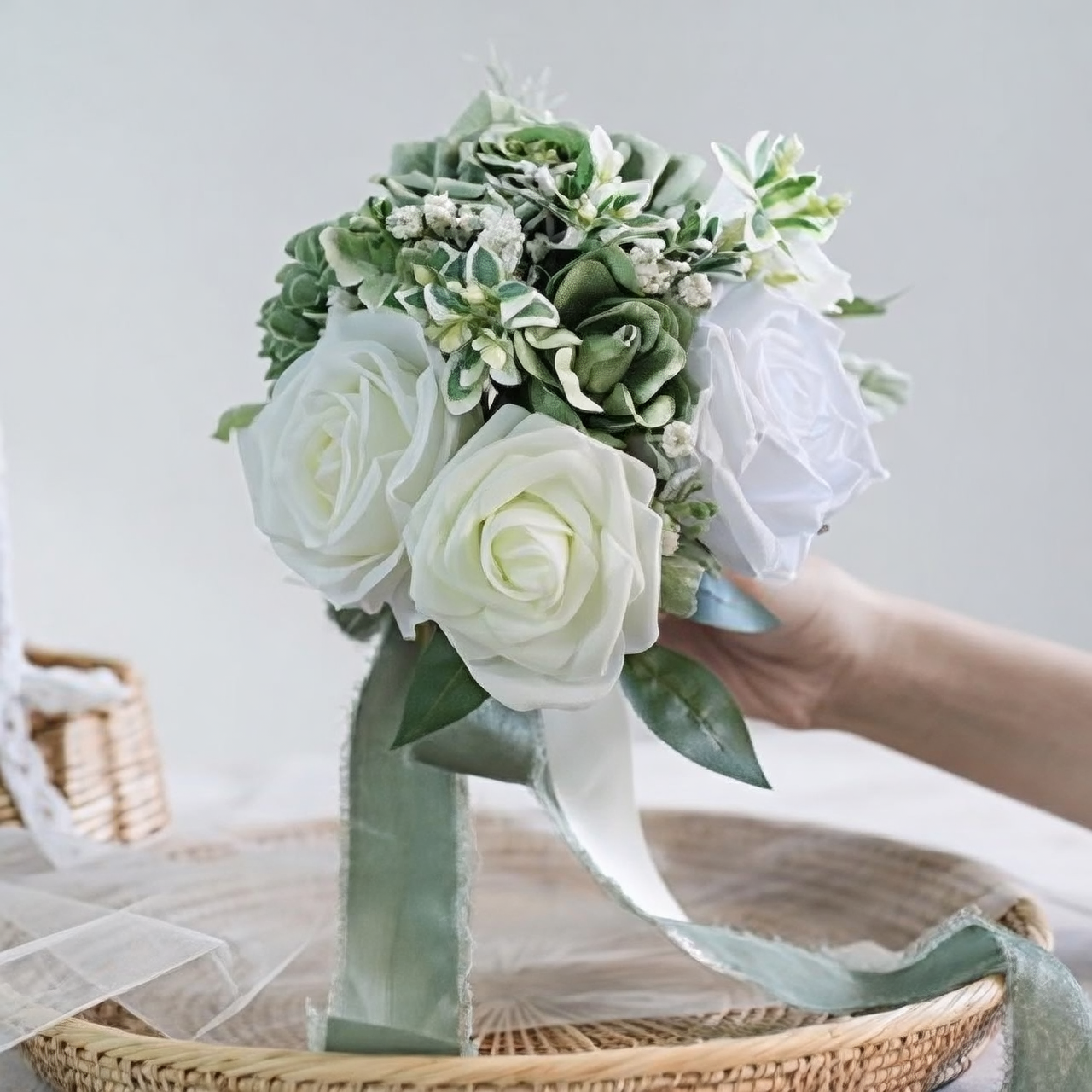
- Choose textural contrast: soft, silvery leaves beside smooth rose petals or airy grasses.
- Color harmonies: sage’s gray‑green pairs beautifully with blues and mauves (echoing its own flowers), creams, and russets for autumn.
- Meaningful pairings:
- With rosemary for remembrance and fidelity
- With thyme for courage and steadfastness
- With bay or olive for honor and peace
- With lavender for calm devotion
These combinations read like a wish for a wise, healthy, harmonious life—exactly the message sage has carried for centuries.
Names, roots, and reach
- Scientific name: Salvia officinalis (mint family, Lamiaceae)
- Common names: Sage, Common Sage, Culinary/Garden/Kitchen/True Sage
- Native range: The Mediterranean, especially southern Europe and coastal regions
- Habit: A compact, evergreen, drought‑tolerant subshrub with nectar-rich blue‑purple flowers—beloved by bees and butterflies
The plant’s durability and usefulness explain the symbolism as well as the etymology: a herb that “saves” becomes a herb that signifies wisdom, long life, and a home in good order.
The lasting message of Salvia officinalis
Sage’s flower language isn’t a Victorian whimsy painted onto bare leaves; it’s the distilled memory of kitchens, cloisters, and gardens where people lived by their herbs. From salvere to solstice garlands; from courtly floriography to modern bouquets in Boston or Kyoto; from housewarmings to weddings—the same message threads through: May your days be wise, your body sound, and your home blessed.