

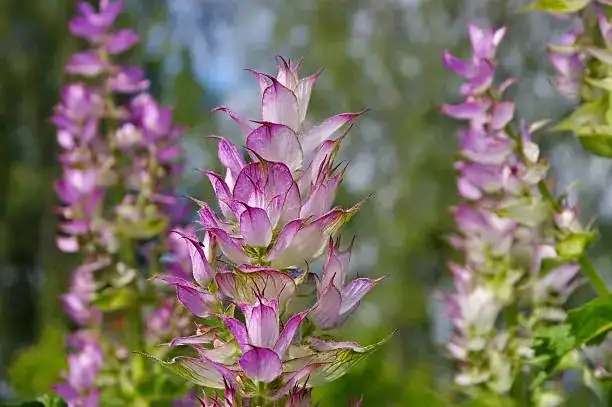
Sage may be the hardy, no-fuss hero of the herb garden, but even this Mediterranean stalwart has a few bullies to fend off. If your Salvia officinalis is looking dusty, droopy, speckled, or chewed, don’t panic. Here’s how to diagnose the usual suspects fast—and fix them just as quickly—so your plant keeps pumping out those aromatic, grey-green leaves.
Quick diagnosis: what’s wrong with my sage?
- White, floury coating on leaves, especially in humid weather: Powdery mildew
- Plant wilting even though soil is wet; stems/roots dark and mushy: Root rot
- Metallic green-and-purple striped beetles or grey larvae chewing leaves: Rosemary beetle
- Fine speckling, bronzing, and delicate webbing under leaves, mostly in hot, dry spots: Spider mites
- Tiny, wedge-shaped insects that hop when disturbed; pale stippling and curled leaf edges: Leafhoppers
Tip: Always start by checking your plant’s basics—full sun (6+ hours), fast-draining soil, and good airflow. Sage thrives on light, lean soil and hates soggy feet and stagnant air.
—
Powdery mildew
How to spot it
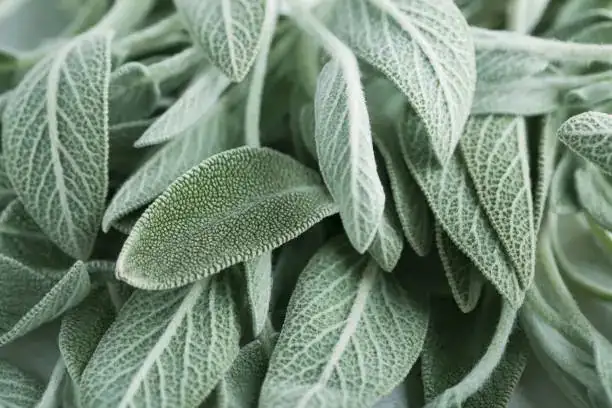
- A white, talc-like film on upper leaf surfaces
- Leaves may curl, yellow, or drop early
- Worst in warm days/cool nights and humid, still air
Why it happens
- High humidity and tight spacing
- Too much shade and leaf-wetting irrigation
- Overfeeding (especially high nitrogen) that pushes soft, mildew-prone growth
Quick cures
- Thin and lightly prune to improve airflow; remove the worst-affected leaves.
- Water at soil level in the morning; avoid wetting foliage.
- Apply a fungistatic spray weekly for 2–3 weeks:
- Potassium bicarbonate or baking soda (e.g., 1 tsp baking soda + a few drops of gentle soap in 1 quart/liter water) as a leaf-protectant film
- Neem oil or horticultural oil can help suppress spores—spray in the evening and avoid hot, bright sun.
- Keep sprays off open flowers to protect pollinators.
Prevention
- Full sun and space plants so air can move between them.
- Keep humidity on the drier side; avoid crowding with thirsty plants.
- Go easy on fertilizer; sage prefers lean conditions.
—
Root rot
How to spot it
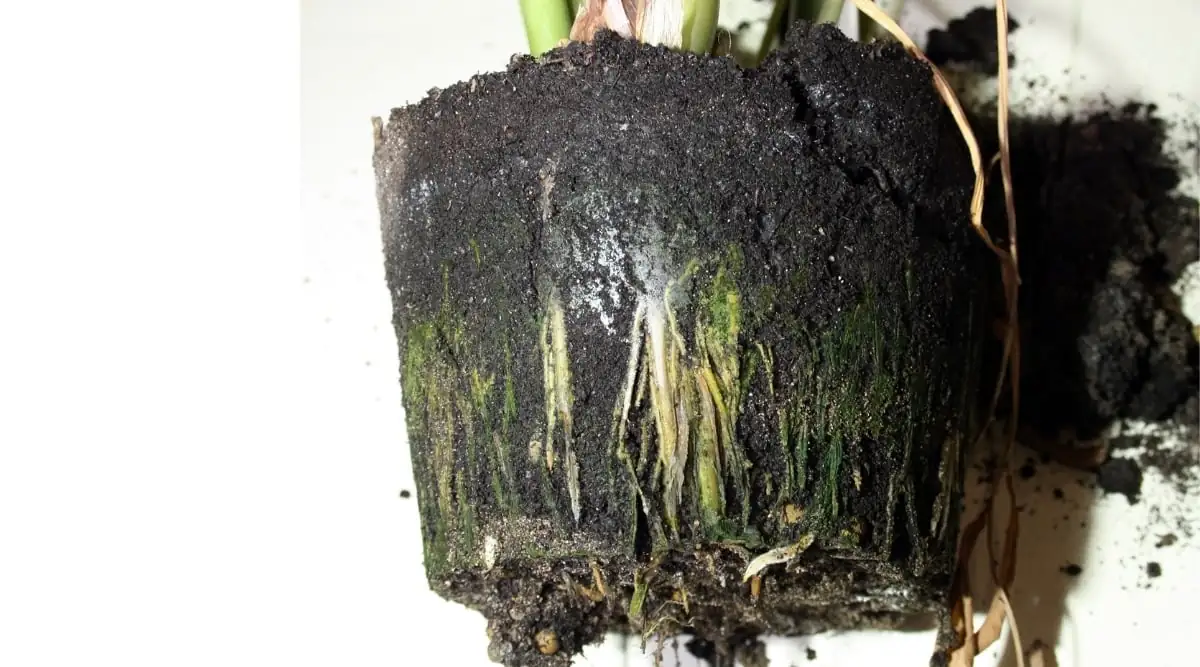
- Persistent wilt even in wet soil
- Sour smell, blackened or mushy roots, and stems darkening at the base
- In pots, water lingers and the mix feels heavy/cold
Why it happens
- Poor drainage, overwatering, and winter wet
- Heavy soils with no grit; pots without generous drainage holes
Quick saves
- For containers: Unpot, rinse, and trim away all brown, mushy roots; keep only firm, pale ones.
- Repot into a very free-draining mix (add up to ~25% coarse grit or sand). Use a pot at least 12 inches wide with large drainage holes; keep the crown just above the soil line.
- Cut back top growth lightly to match the reduced root system. Water once to settle, then let the top 1 inch dry between waterings. Never leave pots sitting in saucers of water.
- For in-ground plants: Lift and replant on a slight mound or in a raised bed amended with grit. If decline is advanced, take softwood cuttings from healthy tips and start a fresh plant.
Prevention
- “Sage hates wet feet”: prioritize drainage over frequent watering.
- Water deeply but infrequently, especially in cool seasons; reduce watering in winter.
- In heavy soils, plant on mounds or in raised beds.
—
Rosemary beetle (Chrysolina americana)
How to spot it
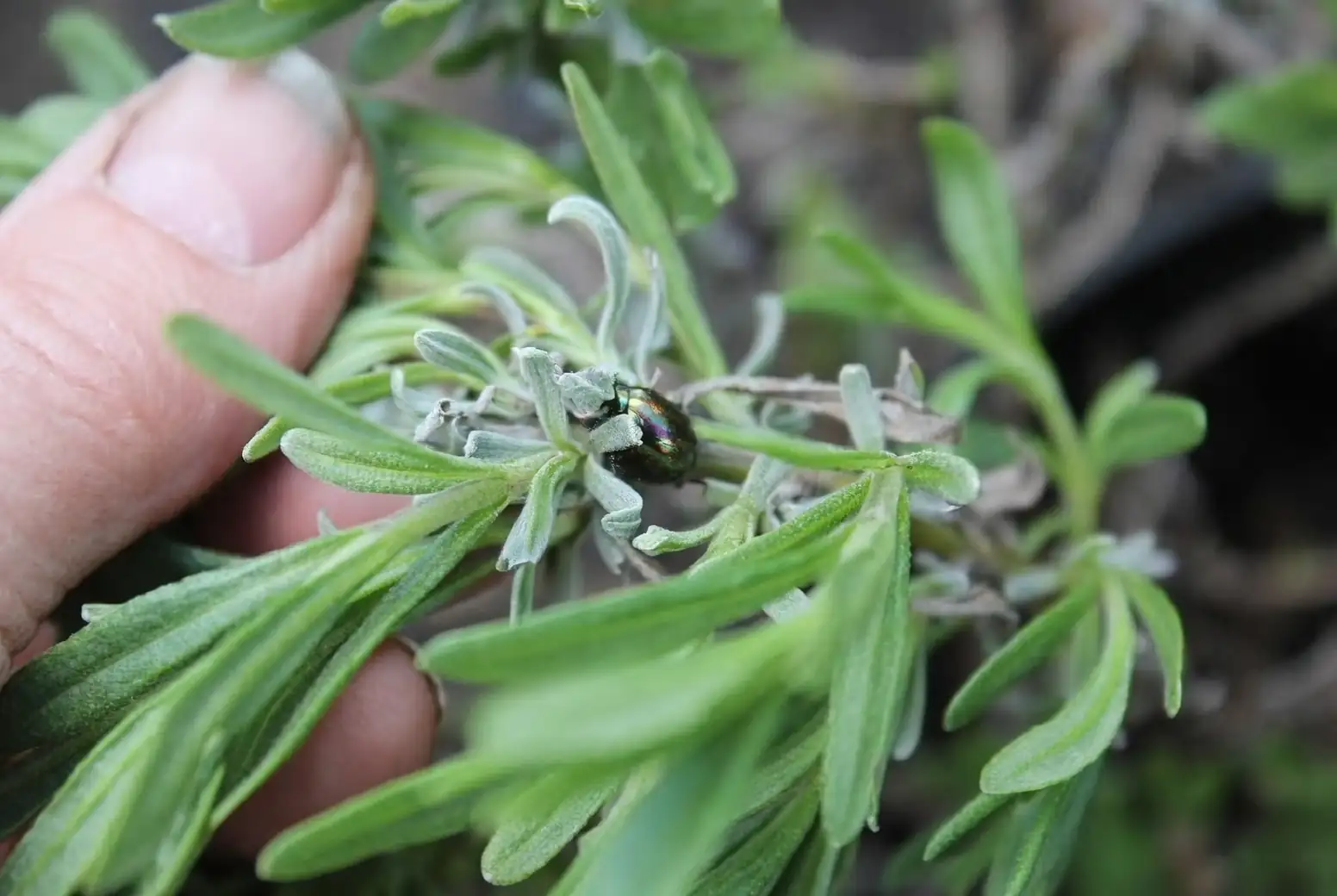
- Striking metallic beetles with green and purple stripes
- Grey, slug-like larvae with dark stripes feeding on leaves
- Ragged chewing damage, often clustering near stem tips
Quick action
- Hand-pick beetles and larvae—morning and evening are easiest. Shake stems over a tray or sheet and dispatch.
- Prune small, infested tips if populations are heavy, then bag and bin (do not compost).
- Inspect regularly from late summer through spring; winter checks often catch larvae.
Prevention and gentle controls
- Keep plants healthy with full sun and airflow; stressed plants are more attractive to pests.
- Encourage garden allies (birds and ground beetles) with diverse planting and minimal pesticides.
- If absolutely necessary, spot-treat only the pest clusters with a short-residual product labeled for edible herbs, applied at dusk and away from blooms. Hand-picking is usually sufficient.
—
Spider mites
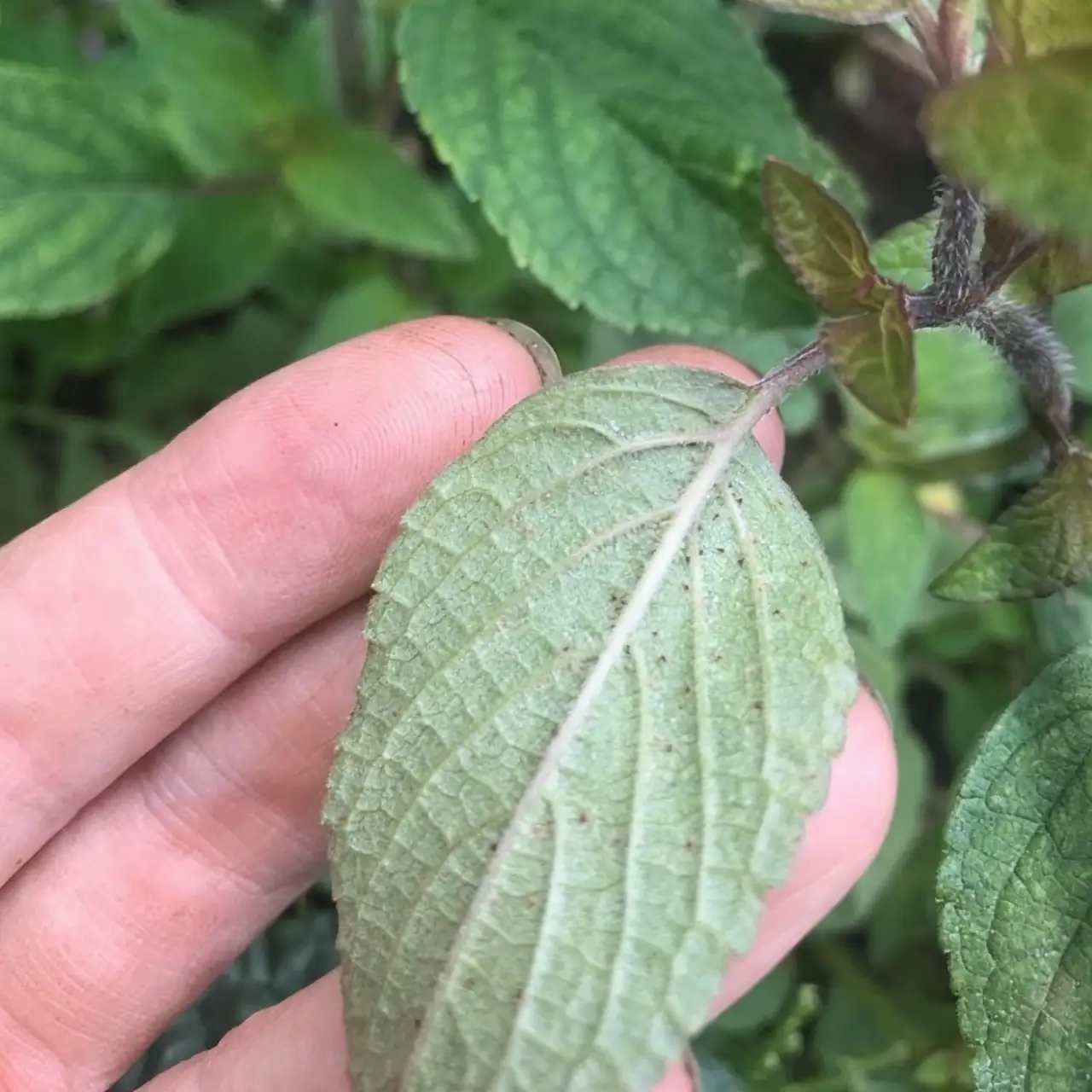
How to spot it
- Fine, pale stippling, bronzing, and a dusty look to leaves
- Tiny webbing on undersides and between nodes
- Common in hot, dry conditions—especially indoors or on sunny patios
Quick control
- Rinse leaves (especially undersides) with a firm, targeted stream of water; allow foliage to dry quickly afterward.
- Follow with insecticidal soap or neem oil, focusing on the undersides. Repeat every 5–7 days for 2–3 cycles to catch new hatchlings.
- Increase airflow (small fan outdoors on a patio, or reposition plants for better breeze). Avoid keeping leaves chronically wet.
Prevention
- Full sun and steady, moderate watering—don’t let container plants become parched for long stretches.
- Avoid overly dry indoor air; if growing inside, provide bright light and gentle airflow rather than constant misting (which can invite mildew).
—
Leafhoppers
How to spot it
- Tiny, wedge-shaped insects that flit sideways or hop when touched
- Pale speckling, slight curling, and sometimes scorched-looking edges (“hopper burn”)
- Most damage occurs on young, tender growth
Quick control
- Dislodge with a strong water spray and repeat weekly until pressure drops.
- Use insecticidal soap aimed at leaf undersides, where nymphs linger. Repeat 2–3 times at 5–7 day intervals.
- Remove nearby weeds and tall grasses that harbor populations.
Prevention
- Float row covers over young plants early in the season (remove during bloom to allow pollinators).
- Keep growth sturdy (full sun, minimal nitrogen) so leaves are less enticing.
- Space plants for good airflow and quick drying.
—
Your sage’s built-in defenses (and how to boost them)
- Sun is medicine: Aim for 6+ hours of direct light. Flavor is richer and foliage is tougher and more pest-resistant in full sun.
- Airflow matters: Give plants space; lightly prune in mid-to-late spring to keep them compact and airy. Avoid cutting into old, leafless wood.
- Water wisely: In the ground, established sage needs little supplemental water; in containers, water thoroughly, then allow the top 1 inch to dry before watering again. Reduce watering in winter.
- Soil and drainage: Use lean, well-draining soil with grit; avoid rich, soggy mixes. Slightly acidic to neutral pH (around 6.5–7.0) suits sage well.
- Minimal feeding: Too much nitrogen fuels soft growth that pests and mildew love. Container plants can take a light feed once in late spring/early summer.
- Seasonal check-ins:
- Spring: Light prune, refresh pots with gritty mix, start cuttings.
- Summer: Scout weekly for mildew, mites, and leafhoppers; harvest regularly.
- Autumn: Tidy lightly; consider layering for backups.
- Winter: Guard against waterlogging; inspect for rosemary beetle larvae.
—
Harvesting safely when you’ve sprayed
- Prefer non-residual controls (soap, oils, bicarbonate). Always follow product labels for edible herbs.
- Spray in the evening, avoid open flowers, and spot-treat rather than blanket-spraying.
- Rinse harvested leaves well. When in doubt, give the plant a few days and one good rain or rinse before picking again.
—
When to cut losses—and how to bounce back fast
- If root rot or severe pest damage leaves the plant weak and woody, rescue the genetics:
- Take softwood cuttings from healthy tips in late spring/early summer.
- Root them in a sharp-draining mix and keep just barely moist.
- Sage naturally gets woody with age; many gardeners refresh plants every 6–7 years (or earlier in wet climates). A refreshed plant is more productive—and prettier.
—
A 60-second troubleshooting kit
Keep these on hand and you’re ready for almost anything:
- Narrow bypass pruners (for airflow pruning and removing infested tips)
- A hand lens (to confirm mites or leafhopper nymphs)
- Insecticidal soap and neem/horticultural oil
- Potassium bicarbonate or a baking soda mix for mildew
- A watering wand with a firm, targeted jet
- Coarse grit for improving pot/bed drainage
- A tray or sheet for easy rosemary beetle shake-and-catch
Give sage what it loves—sun, space, and sharp drainage—and most problems never get a foothold. When they do, you’ve got the playbook to send them packing and keep those fragrant, flavorful leaves coming.


