Sage that thrives, every season. If you’ve ever watched Salvia officinalis (aka common or culinary sage) go from spring-fresh sprigs to a woody, leggy clump, this guide is for you. Here’s a punchy, step-by-step plan for perfect watering, sun, airflow, drainage, pruning, and a foolproof calendar—so your sage shines in pots or beds.
Quick snapshot
- Type: Evergreen Mediterranean subshrub (Lamiaceae)
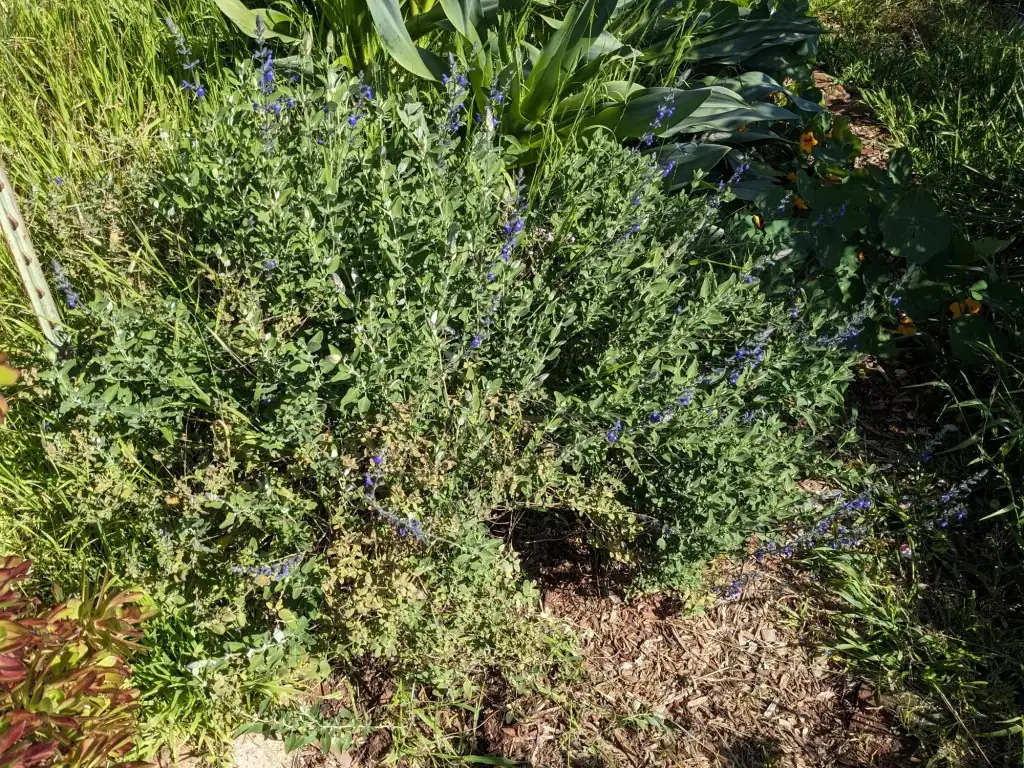
- Size: 30–90 cm tall and wide, often 40–60 cm in gardens
- Flavor & flowers: Aromatic grey-green leaves; bee-magnet flower spikes in blue-purple tones June–September
- Best use: Herbs beds, borders, and patio containers; indoors only in very bright light
How to set up Salvia officinalis for success
Sunlight: dial in the flavor and form

- Aim for: Full sun, 6+ hours of direct light daily.
- In very hot climates: Offer light afternoon shade to reduce stress—but avoid deep shade.
- Indoors: A south-facing window with strong, direct light. Rotate the pot weekly so growth stays even.
Airflow: your best defense against mildew
- Space plants 45–60 cm apart so leaves dry quickly after dew or rain.
- Position pots where breezes move—open patios, not tight corners.
- Avoid overhead watering late in the day.
- Lightly thin congested stems in spring to let air through the center.
Soil and drainage: keep roots airy, never soggy
- In beds:
- Soil: Free-draining, slightly acidic to neutral (pH ~6.5–7.0).
- Improve heavy ground with coarse grit or sharp sand; plant on a slight mound if winter wet is an issue.
- In containers:
- Pot: At least 30 cm wide and deep with multiple drainage holes.
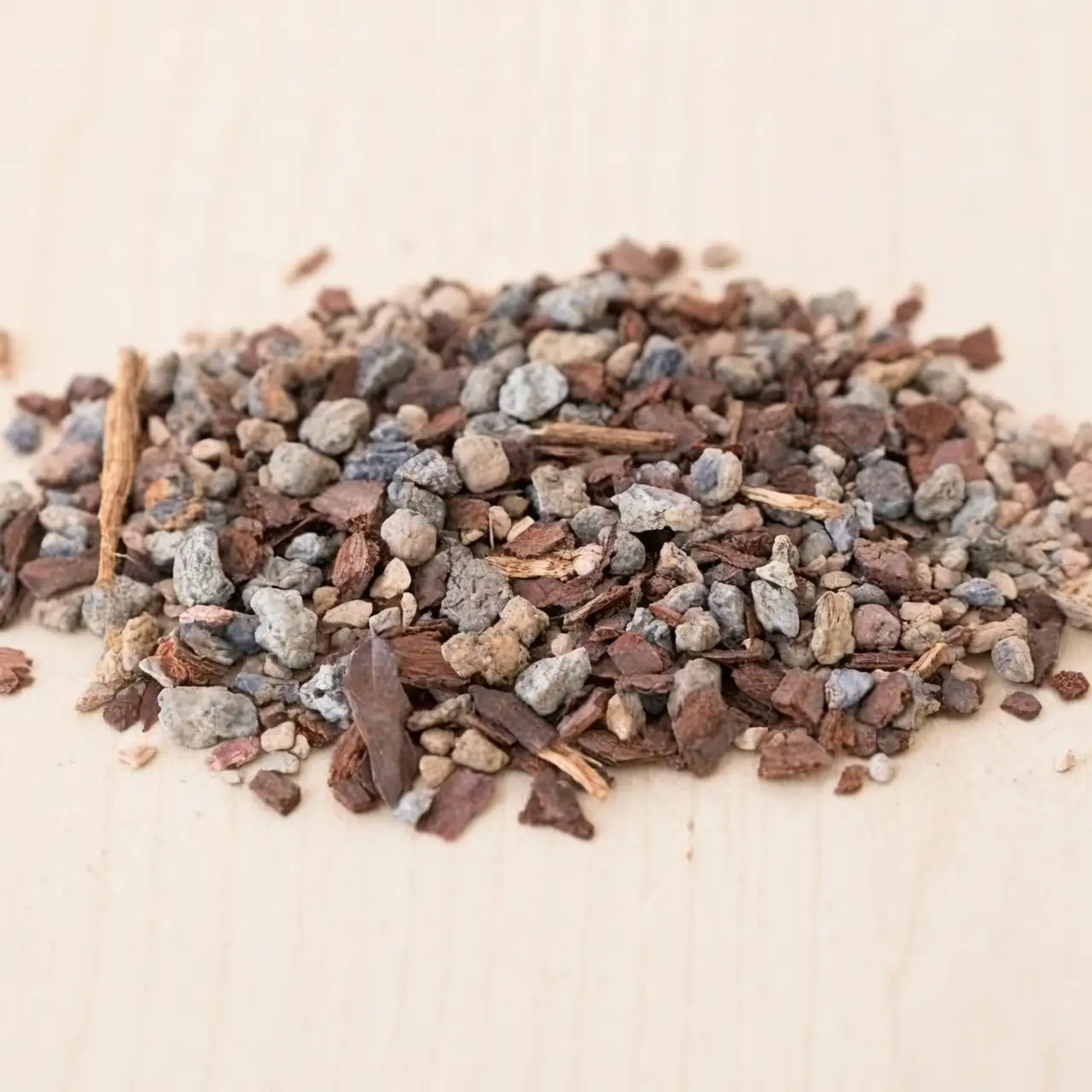
- Mix: A peat-free, well-draining potting medium amended with coarse grit (up to ~25% by volume) to keep roots oxygenated.
- Pro tip: Top-dress with a thin layer of horticultural grit to keep the stem base dry.
Watering: sage prefers “sips,” not baths
- Golden rule: Let the top 2–3 cm (about 1 in) of soil dry before watering again.
- Young plants (first season): Water during dry spells to establish.
- Established in-ground plants: Generally drought-tolerant; water only in prolonged dry periods.
- Containers: Water thoroughly until it drains, then wait for that top layer to dry. Never leave pots sitting in a saucer of water.
- Winter: Reduce watering drastically. Cool + wet equals root rot.
Feeding: less is more
- In-ground: Typically skip fertilizer—too much nitrogen means floppy growth and weaker flavor.
- Containers: A light, balanced feed once in late spring/early summer is plenty, especially after the first year.
Pruning and shaping: keep it compact, harvest-ready
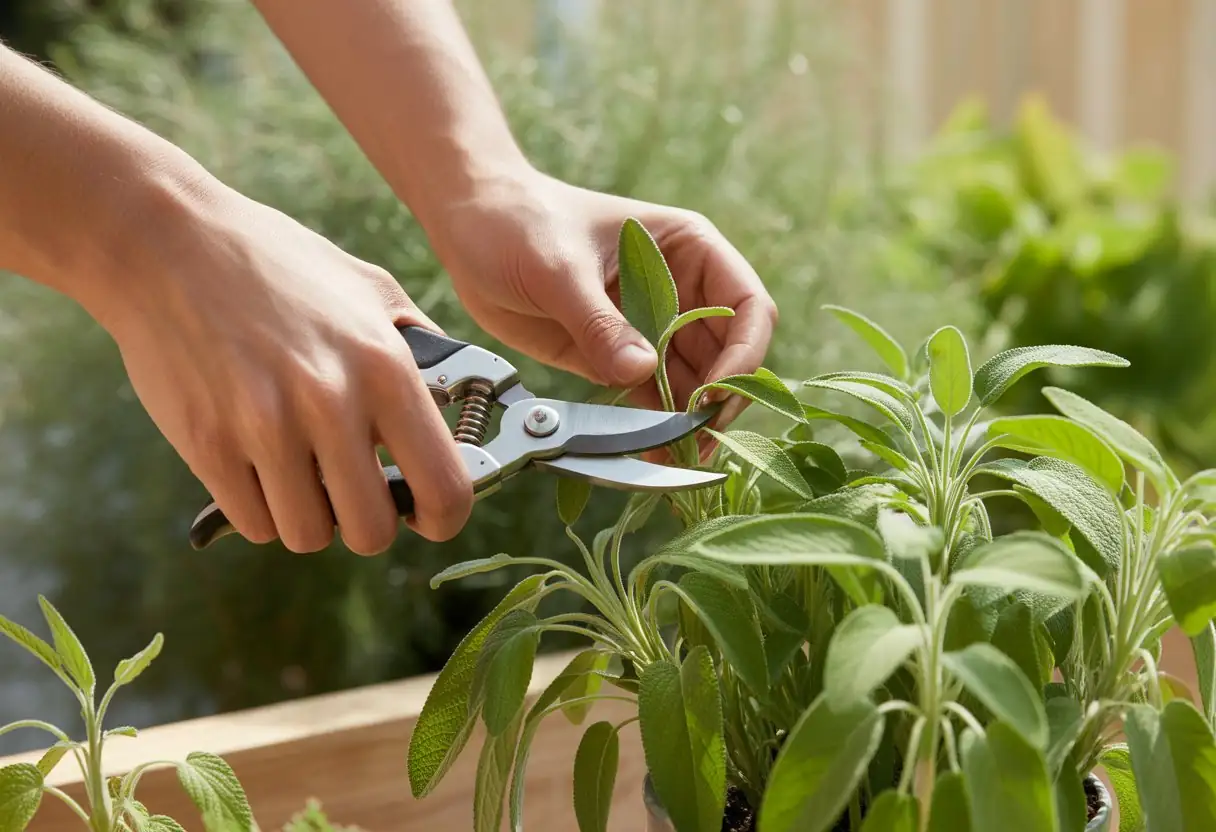
- Spring refresh (mid-to-late spring):
- Step 1: Wait for new growth to show.
- Step 2: Lightly prune back tips by 1/3 to create a dense, bushy mound.
- Step 3: Avoid cutting hard into old, leafless wood; regrowth can be slow or fail.
- After flowering (late summer):
- Snip off spent flower spikes to tidy and encourage fresh leafy growth.
- Long-term renewal:
- Plants get woody over time; many gardeners replace every 6–7 years or refresh stock from cuttings.
Planting step-by-step
In beds
1) Choose a sunny site with excellent drainage.
2) Amend heavy soil with coarse grit/sand; aim for a lean, well-aerated texture.
3) Plant slightly high so the crown sits just above soil level.
4) Water in, then let the top layer dry before the next drink.
5) Space 45–60 cm apart to promote airflow.
In containers
1) Select a 30 cm+ pot with generous drainage holes.
2) Fill with a peat-free, free-draining mix plus up to 25% grit.
3) Set the plant so the crown is at or just above the media surface.
4) Water thoroughly once, then only when the top 2–3 cm dry.
5) Place in full sun; rotate weekly.
Season-by-season care calendar
Spring (March–May)
- Lightly prune once you see fresh growth.
- Start seeds or, better yet, take softwood cuttings late spring for quick, reliable clones.
- Repot if roots circle the pot; refresh with gritty mix.
- For containers only: Apply a light, balanced feed once late spring/early summer.
Summer (June–September)
- Sunbathe: Keep in full sun for peak flavor and bloom.
- Water containers when the surface dries; in-ground plants only in long dry spells.
- Harvest regularly for cooking—morning, after dew dries.
- Deadhead spent flower spikes to tidy and focus energy on leaves.
- Watch airflow in humid spells to prevent powdery mildew.
Autumn (October–November)
- Tidy lightly; avoid hard pruning as cold approaches.
- Reduce watering; let soil dry a bit more between sips.
- Consider layering stems or taking last cuttings to renew aging plants.
- Improve drainage ahead of winter—raise pots on feet, check bed grading.
Winter (December–February)
- Protect from severe freezes and, especially, winter wet.
- Overwinter pots in a bright, sheltered spot; water sparingly.
- Don’t fertilize. Keep foliage dry and airy.
Propagation shortcuts (foolproof ways to multiply your best plant)
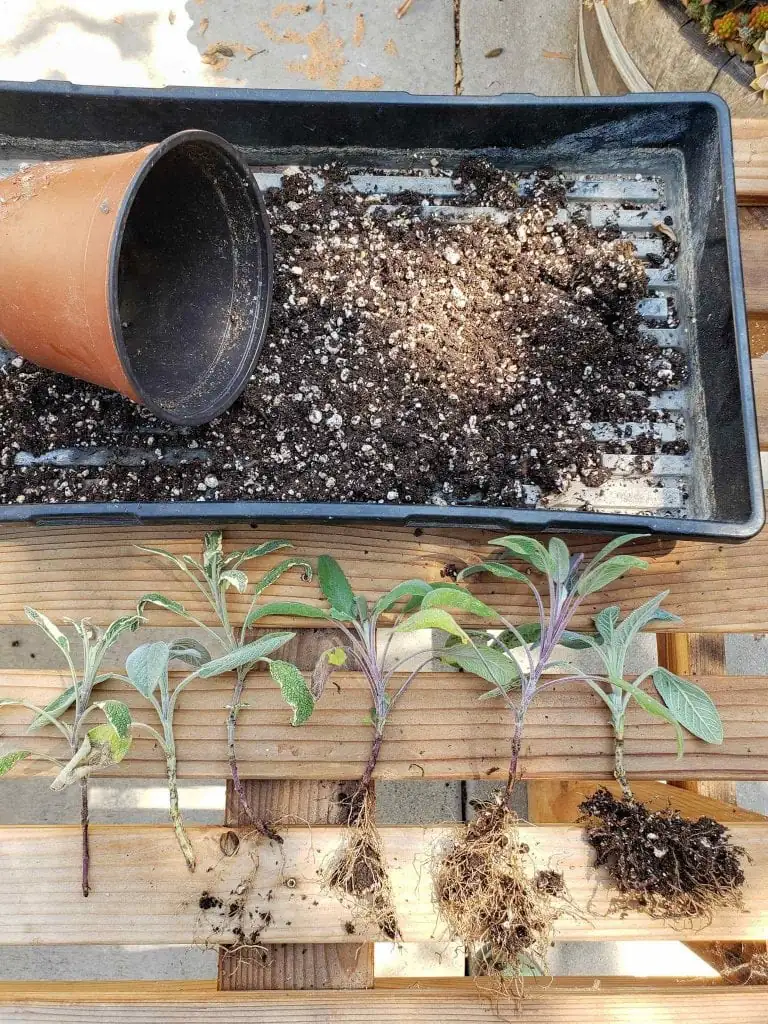
- Softwood cuttings (late spring/early summer): The most reliable. Root in a free-draining medium; keep bright and lightly moist.
- Layering (spring or autumn): Pin a low, flexible stem to the soil; sever and pot once rooted.
- Division: Possible with mature clumps that have multiple shoots.
- Seed: Works but slower and cultivars may not come true.
Troubleshooting: fast fixes
- Yellowing leaves? Usually overwatering or poor drainage. Let soil dry, improve airflow, and ensure quick-draining media.
- Not flowering? Check for lack of sun (needs 6+ hours), excess nitrogen, or chronic overwatering.
- Powdery mildew? Improve sun and airflow; water at soil level; thin lightly in spring.
- Leggy growth? Give more light and perform the spring tip prune.
- Pests to watch: Rosemary beetle, leafhoppers, capsid bugs, slugs, spider mites (especially indoors). Healthy, sun-bathed, airy plants shrug most pests off.
Indoors-only essentials
- Light: South-facing window with direct sun; aim for 6+ hours.
- Air: Dry to average humidity; avoid crowded shelves with stagnant air.
- Water: Sparing—wait for the top 2–3 cm to dry. Use a gritty, sharply draining mix and a pot with big drainage holes.
- Rotate weekly to prevent leaning.
Safety note
- Culinary sage is generally safe in normal food amounts. Sage contains thujone; very large medicinal doses or essential oil ingestion can be harmful, especially for sensitive individuals. Avoid ingesting essential oil and seek professional guidance during pregnancy or nursing.
A note on symbolism and lore
- Sage carries the symbolism of wisdom, longevity, good health, and domestic virtue—hence its reputation as the “herb of the wise.” The name Salvia traces to Latin “salvere,” meaning “to heal” or “to save,” reflecting centuries of medicinal use from Roman times onward. In gardens, that symbolism continues: a sturdy, evergreen presence that flavors food, feeds pollinators, and roots tradition in everyday life.
Why this regimen works
- Full sun concentrates essential oils for richer flavor; lean, fast-draining soils prevent root rot; drying cycles mimic its Mediterranean origins; light spring pruning renews growth without shocking woody stems; and steady airflow keeps leaves healthy in humid spells.
Follow these steps, and your Salvia officinalis will reward you with dense, silvery foliage, summer flower spires buzzing with bees, and more fragrant sprigs than your kitchen can handle.