

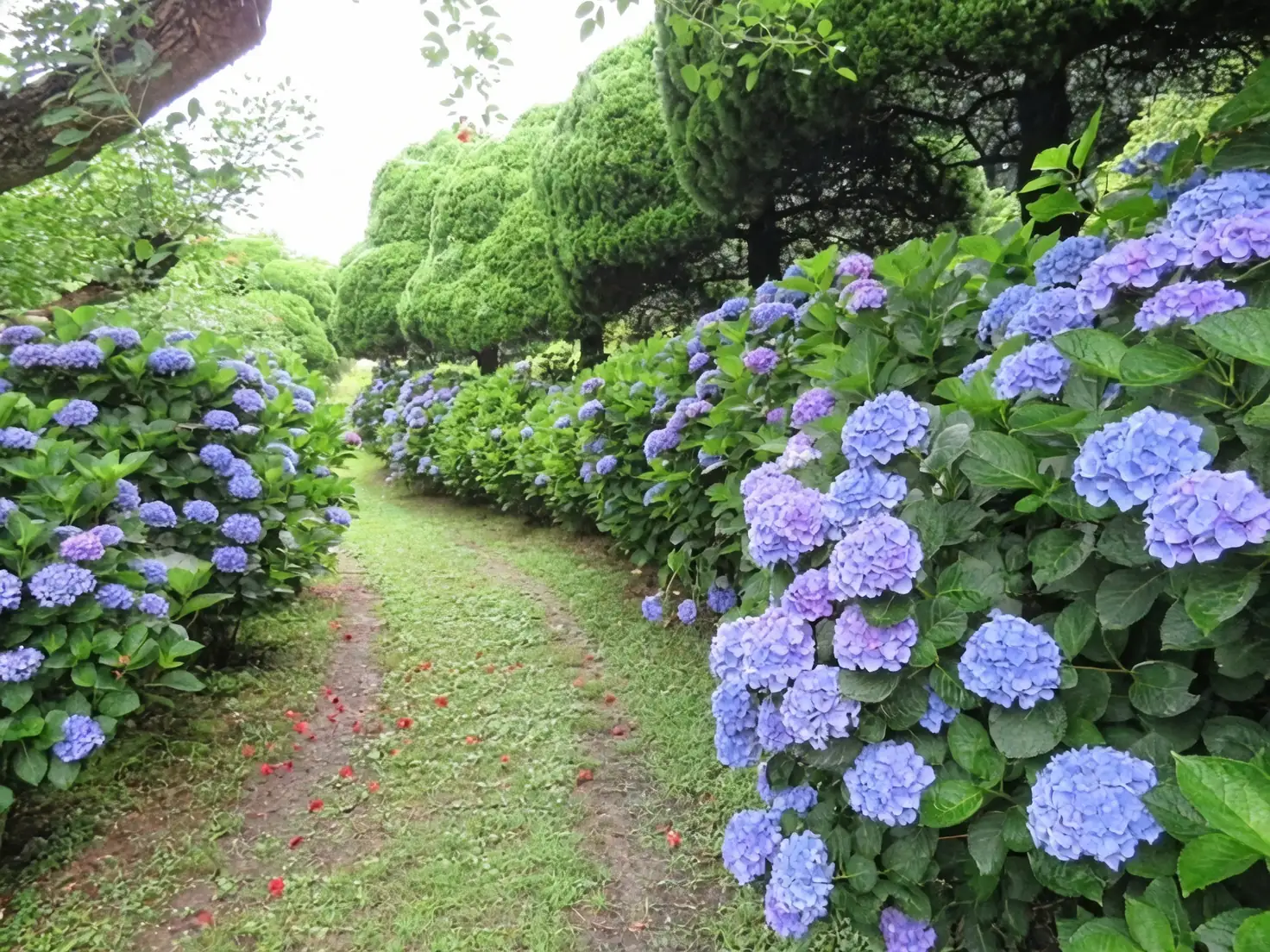
Step into a June garden in Japan and you’ll find clouds of ajisai—bigleaf hydrangea—glistening in the soft rain. Few shrubs carry so much story in their petals: an emperor’s apology, Victorian side‑eye, and in China, the auspicious name 八仙花 (Eight Immortals Flower). This is Hydrangea macrophylla, a plant whose blooms don’t just change color with the soil—they shift meaning across cultures.
Meet Hydrangea macrophylla up close
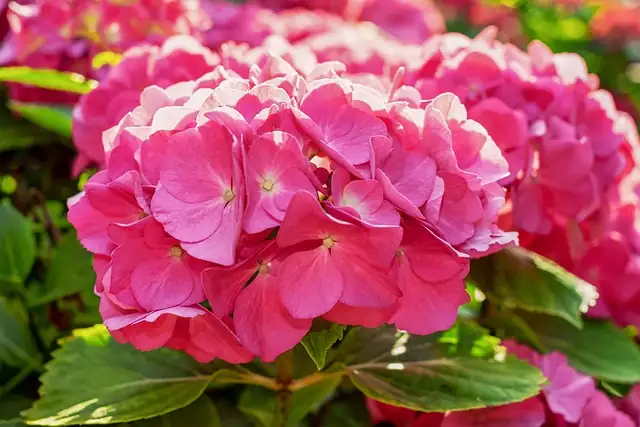
Bigleaf hydrangea is the classic garden hydrangea: a deciduous shrub with glossy, mid‑ to deep‑green leaves and generous flower heads from late spring through summer. Two show-stopping styles steal the scene:
- Mopheads: rounded “pom‑pom” clusters
- Lacecaps: a flattened center of tiny fertile flowers framed by showy florets
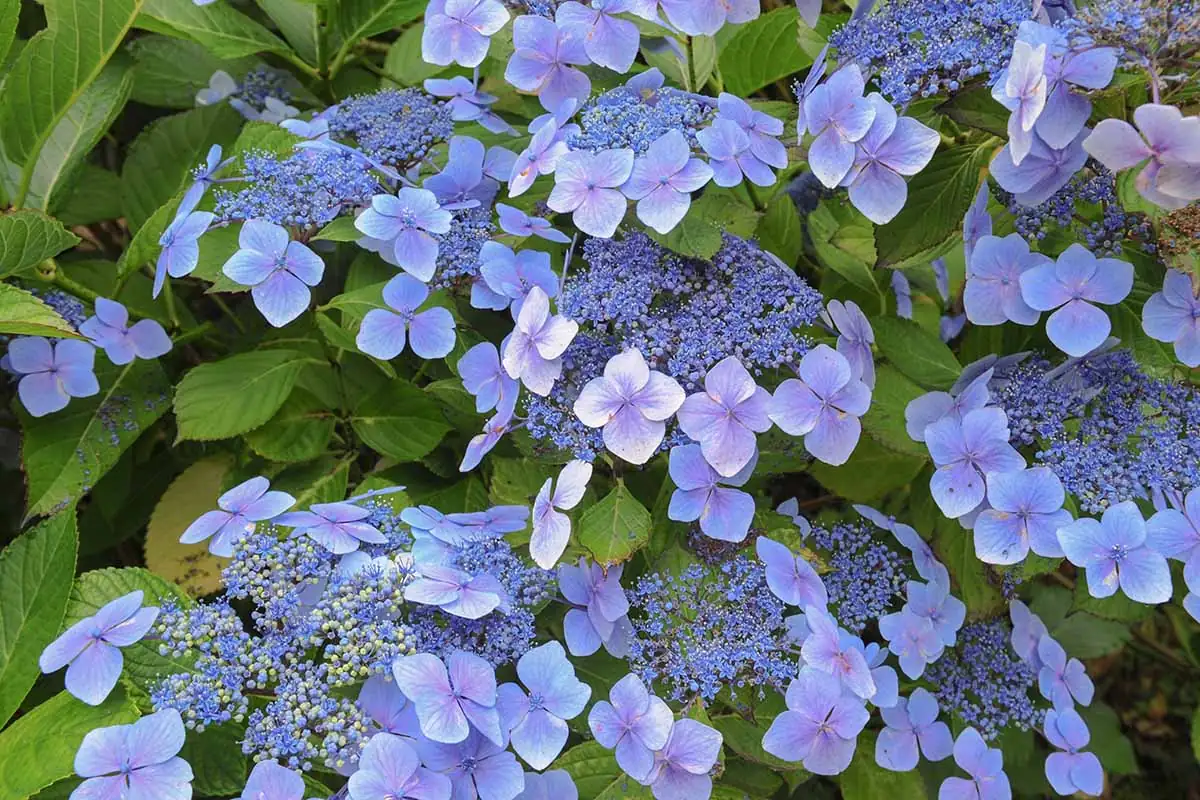
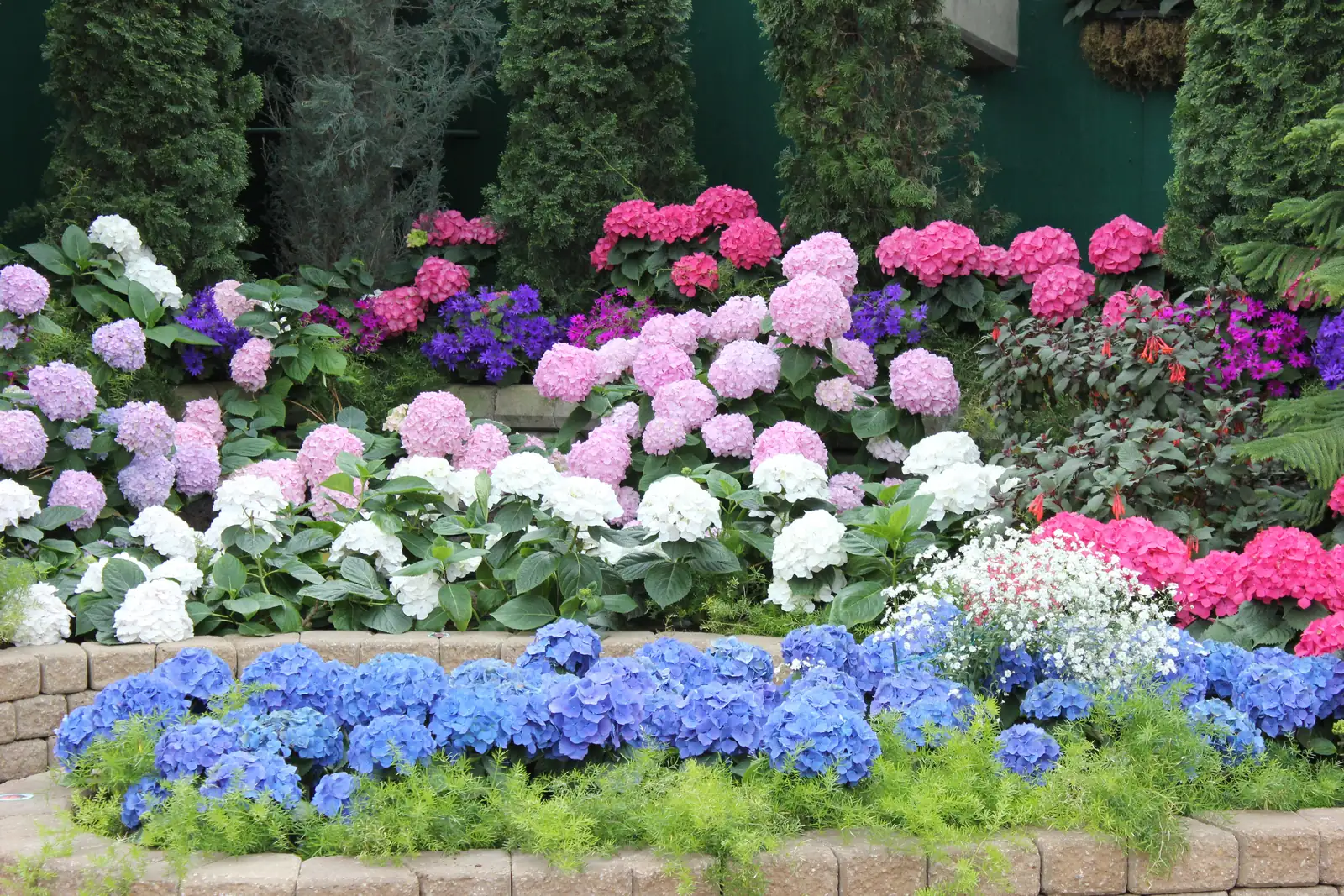
Colors range from white, pink, red‑rose, blue, and purple to dreamy blends—often shifting with soil chemistry. More acidic soils (with available aluminum) push blooms bluer; more alkaline conditions nudge them pinker. White forms typically stay white.
Originating in East Asia—especially Japan and also China—bigleaf hydrangea thrives with morning sun and afternoon shade, in rich, evenly moist, well‑drained soil. Most cultivars mature around 1–2 m (3–6.5 ft) tall and wide, though older, sheltered specimens can grow larger.
Japan: apology, gratitude, and the rainy‑season flower
The emperor’s gift
In Japan, hydrangea (ajisai, 紫陽花) blooms during the rainy season (June–July). A beloved legend tells of a Japanese emperor who, remorseful for neglecting his beloved, presented blue hydrangeas as an apology and a vow of devotion. From this story grew the language of hydrangea as a flower of remorse, gratitude, and understanding—an elegant way to say, “I’m sorry, and I care.”
Changeable color, layered meaning
Historically, some samurai viewed the plant with caution because of its “seven transformations” (nanahenge)—a nod to its shifting hues. That changeability became part of its symbolism: feelings are complex; sincerity is proven in action. Blue hydrangeas in particular came to embody apology and deep understanding.
Victorian Europe: when abundance reads as boastfulness
When hydrangeas crossed to Europe in the 1700s, they soon entered Victorian floriography. Their lavish heads—made largely of showy sterile florets with relatively few fertile seeds—were sometimes read as empty extravagance. Dictionaries of the era occasionally labeled hydrangea with a tart meaning: boastfulness or vain display. It’s a striking counterpoint to Japan’s tender associations, reminding us that “flower language” is cultural, not universal.
China: 八仙花 and the power of many as one
In Chinese, Hydrangea macrophylla is known as 八仙花—Eight Immortals Flower. The name evokes the Eight Immortals of folklore, each with distinct gifts, joining strengths for a greater good. One hydrangea head is exactly that metaphor: many small florets gathered into a single, generous sphere. The number eight itself is widely considered auspicious, so 八仙花 carries resonances of harmony, abundance, and unity—beautiful symbolism for families, teams, and communities.
Color meanings (and why they change)
Bigleaf hydrangea’s color play is part botany, part poetry. In many cultivars:
- Blue: apology, understanding, and heartfelt sincerity; favored in acidic soils with available aluminum
- Pink: sincere emotion and affection; more likely in neutral to alkaline conditions
- White: purity and grace; white cultivars typically remain white regardless of soil pH
- Purple: a wish for deeper understanding and connection; often appears in mid‑range pH or blended soils
Tip: Color adjustments are gradual. Aluminum sulfate can encourage bluer tones (where appropriate); garden lime can shift toward pink. White forms generally won’t change.
Feng shui with hydrangeas: where beauty meets intention
Treat hydrangea as a symbolic accent that also needs its horticultural comforts.
Ideal growing conditions
- Light: morning sun, afternoon shade; bright dappled light works beautifully
- Moisture: steady, never bone‑dry or waterlogged
- Placement: sheltered borders, patios, balconies, containers
- Indoors: best as a short‑term display near a bright window; long‑term, grow outdoors
Symbolic placements by color (Bagua‑inspired, gentle guidelines)
- Blue (understanding, apology): East (Family/Health) or Southeast (Abundance) to emphasize harmony after conflict
- Pink (affection): Southwest (Love/Partnership) for tenderness and closeness
- Purple (deeper understanding): Southeast (Wealth/Wisdom) for thoughtful growth
- White (purity): West or Northwest (Creativity/Helpful People) for clarity and grace
Practical note: Where symbolism and plant comfort disagree, prioritize the plant. A flourishing shrub transmits better energy than a stressed one.
Gift‑giving etiquette: read the room, choose the hue
When hydrangea shines
- Apologies and reconciliations: a blue bouquet or plant with a handwritten note acknowledges remorse and gratitude—echoing the Japanese legend.
- Thank‑yous and mentorship: purple or blue expresses deep appreciation and understanding.
- Weddings and anniversaries: white for purity; pink for affection. In Chinese contexts, 八仙花’s unity symbolism is especially fitting.
- Housewarmings: a potted hydrangea for patios or balconies is a summery, generous welcome.
How to be thoughtful across cultures
- Mind the Victorian echo: in some Western circles, hydrangea can still be read as showy or proud. A note clarifying your intent (“for your generosity and grace”) keeps the meaning clear.
- Pick potted vs. cut wisely: cut heads are stunning; potted shrubs delight gardeners. Include a care tag for potted gifts: “Morning sun, afternoon shade; keep soil evenly moist.”
- Color matters:
- Blue for apology/understanding
- Pink for affection and warm feelings
- White for purity/new beginnings
- Purple for a deeper bond and mutual respect
- Safety and setting: hydrangea is mildly toxic if ingested; keep away from curious children and pets. For hospital visits, cut flowers are easier to manage than a large shrub.
A quick care primer so your sentiment lasts
- Watering: keep evenly moist in spring–summer; water in the morning. In heat, containers may need more frequent watering.
- Light: 3–6 hours of sun is a good target; morning sun is ideal.
- Feeding: use a balanced or acid‑forming fertilizer in spring and early summer; ease off by late summer.
- Pruning: many bigleaf hydrangeas bloom on old wood. Deadhead and lightly shape right after flowering; avoid hard winter cuts that remove next year’s buds.
- Color‑tuning: aluminum sulfate for bluer tones; garden lime for pink—slow and steady changes.
- Containers: repot in spring with an organic‑rich, well‑drained mix; move up just one pot size.
Why hydrangea “flower language” endures
Hydrangea macrophylla holds a rare mirror to the heart: it’s abundant yet delicate, changeable yet dependable. In Japan, it speaks apology and gratitude; in Victorian Europe, it warned against vanity; in China, it gathers many strengths into one harmonious whole. Perhaps that’s the true magic of hydrangea: like a conversation between friends, its meaning deepens with context—petal by petal, year after year.
Fun to know
- The name Hydrangea comes from Greek for “water vessel,” a nod to its thirst and its little cup‑like seed capsules.
- Those bold “petals” are actually colorful sepals; the tiny florets inside are the true flowers.
- With good care, a bigleaf hydrangea can become a decades‑long companion in the garden—growing more generous every season.


