

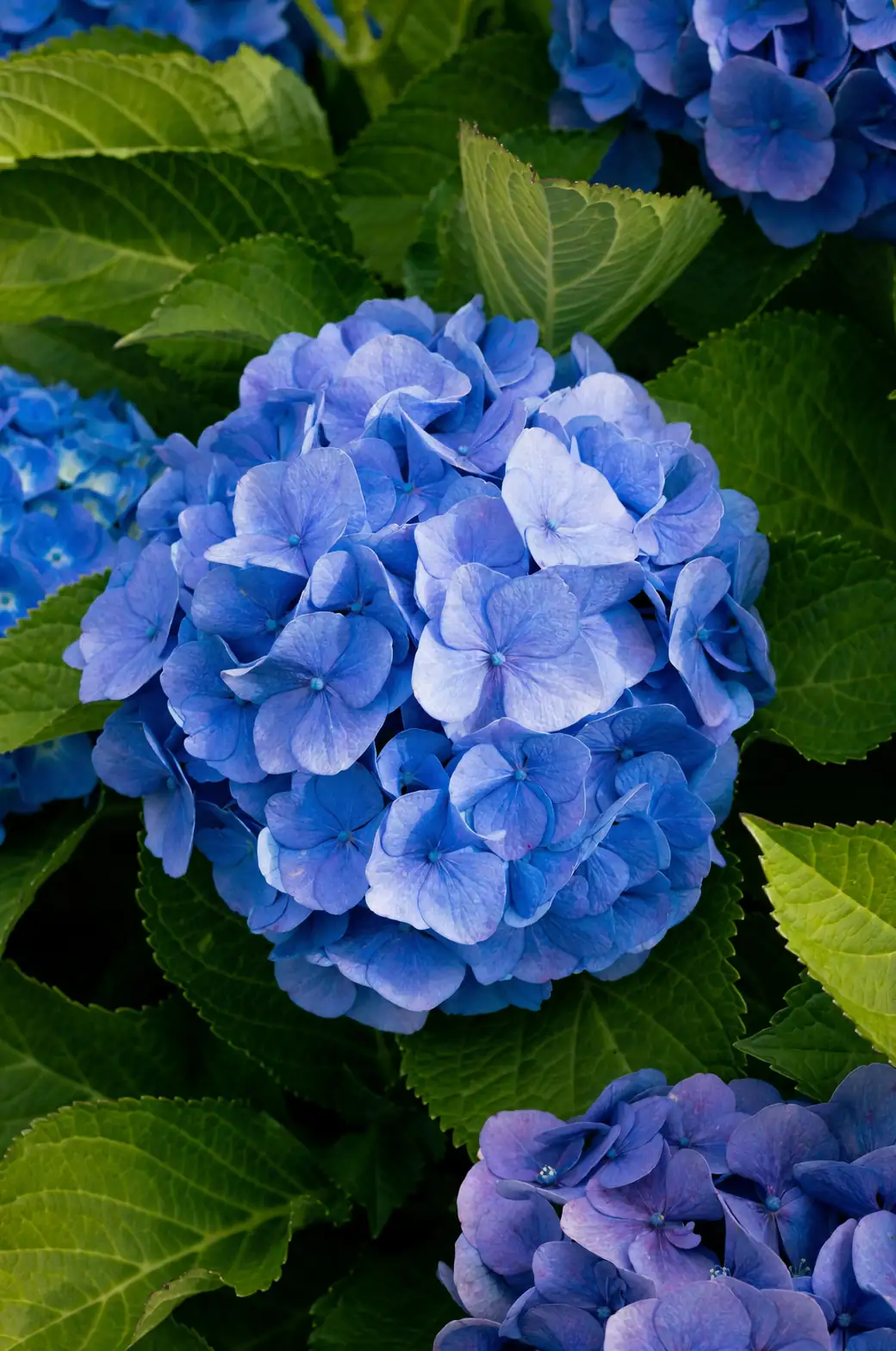
Bigleaf hydrangea (Hydrangea macrophylla) is famous for its lush leaves and color-shifting blooms—blue in acidic soils, pink in alkaline—yet even this garden darling can hit a rough patch. If you’re seeing powdery coatings, freckled leaves, bronzing, or skeletonized foliage, don’t panic. Use this clear, gentle-to-targeted IPM (Integrated Pest Management) playbook to diagnose the problem and restore your shrub to peak health—without nuking the garden’s good bugs or your hydrangea’s next flower show.
H2: The IPM mindset: start soft, escalate only if needed
- Scout first: Flip leaves, check stems, and look for patterns weekly from spring through summer.
- Diagnose before treating: White powder? Tiny webs? Sticky leaves? Matching symptoms saves time and unnecessary sprays.
- Fix growing conditions: Most hydrangea ailments trace back to stressed roots, low airflow, and leaf-wetness.
- Use layered controls: Cultural and mechanical methods first; then biological; then least-toxic; and finally targeted products only if the problem persists.
- Protect flowers and friends: Spray at dusk, avoid open blooms, and follow labels precisely.
H2: Quick symptom decoder
- White/gray powder on leaves, sometimes with yellow or purple blotches: Powdery mildew
- Small tan to brown spots with purple margins; or water-soaked, angular lesions: Leaf spots (bacterial or fungal)
- Large tan lesions that expand along veins; blighting of leaves and blooms: Anthracnose
- Clusters of soft-bodied insects on tender shoots; sticky honeydew and sooty mold: Aphids
- Fine stippling/bronzing, tiny moving dots under leaves, delicate webbing in hot dry spells: Spider mites
- Leaves skeletonized between veins; metallic green/bronze beetles present: Japanese beetles
- Wilting and yellowing despite moist soil; blackened, mushy roots; plant stalls: Root rot
H2: Root-cause fixes that prevent most problems
- Light: Morning sun with afternoon shade or bright dappled light (about 3–6 hours of sun). Too deep shade boosts mildew; too much hot sun scorches leaves.
- Water: Deep, steady moisture—never bone-dry, never swampy. Water early so foliage dries by evening.
- Soil and drainage: Organic-rich, well-drained soil or potting mix. Elevate or amend heavy clay; ensure containers have free drainage.
- Airflow: Space plants so leaves don’t constantly touch; thin stems right after flowering (many bigleaf types bloom on old wood).
- Cleanliness: Remove fallen leaves and spent blooms; dispose of infected foliage in the trash.
- Fertilizer: Balanced feeding in spring/early summer only. Overdoing nitrogen invites soft growth, mildew, and pests.
H2: Issue-by-issue troubleshooting
H3: Powdery mildew
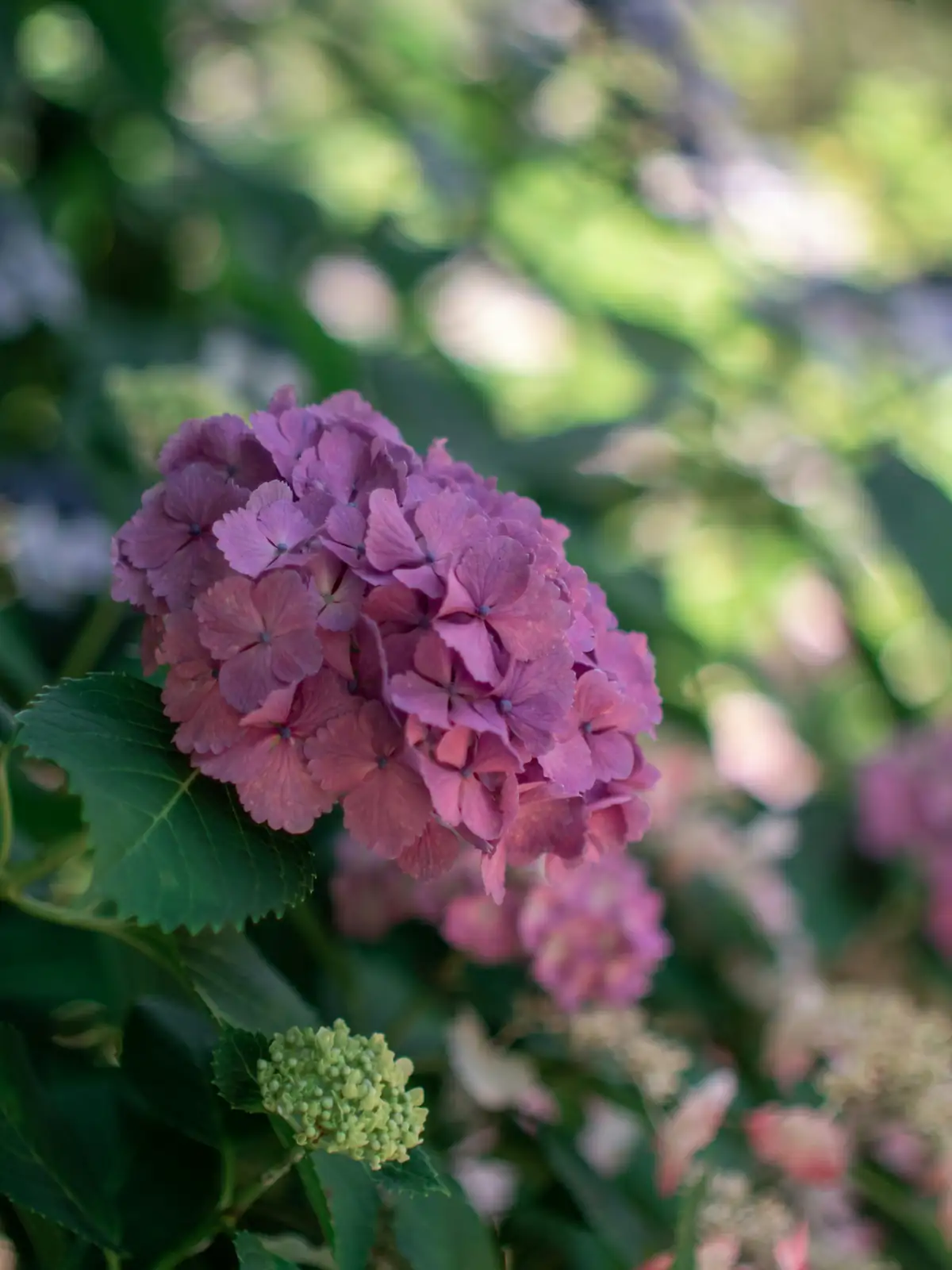
What you’ll see
- White or gray powder on upper or lower leaf surfaces; leaves may show yellow or purple blotches. Unsightly but usually not life-threatening.
Stepwise IPM
1) Cultural
- Increase light (morning sun) and airflow; avoid crowding.
- Water at the base; avoid frequent light overhead sprinkles.
- Prune to open the canopy right after bloom (to protect next year’s buds).
2) Mechanical
- Remove heavily infected leaves and any leaf litter beneath the shrub.
3) Biological/least-toxic
- Spray options (rotate modes weekly until new growth stays clean):
- Potassium bicarbonate
- Horticultural oil or neem oil (coat both leaf surfaces)
- Biofungicides with Bacillus species
- Tip: Don’t apply oils within 2 weeks of sulfur, and avoid high-heat applications.
4) Targeted fungicides (if severe and label allows for hydrangea)
- Triazoles (e.g., myclobutanil) or strobilurins (e.g., trifloxystrobin) can protect new growth. Follow labels, and spray at dusk to spare pollinators.
H3: Bacterial leaf spots
What you’ll see
- Water-soaked, angular to irregular spots that may coalesce; often worst in wet, warm periods. No powdery growth on the lesion surface.
Stepwise IPM
1) Cultural
- Eliminate overhead irrigation; water in the morning at soil level.
- Increase spacing/airflow; remove and trash infected leaves.
- Disinfect pruners between cuts (70% alcohol).
2) Mechanical
- Strip badly spotted foliage that shades lower leaves and traps humidity.
3) Least-toxic/targeted
- Copper-based bactericides can help protect new leaves in wet spells; use sparingly and strictly per label to avoid phytotoxicity and soil accumulation.
- Prioritize prevention—no product “cures” existing bacterial lesions.
H3: Anthracnose
What you’ll see
- Larger tan to brown blotches that can follow veins; leaf blight and flower browning in humid weather. Can be more damaging than common leaf spots.
Stepwise IPM
1) Cultural
- Keep foliage dry; prune for airflow after bloom.
- Remove blighted leaves and spent blooms; clean up litter promptly.
2) Biological/least-toxic
- Biofungicides (Bacillus or Trichoderma-based) as protectants on new growth.
3) Targeted fungicides (if persistent and label-appropriate)
- Protective sprays such as chlorothalonil or mancozeb can reduce new infections. Rotate modes of action; treat at dusk and avoid open blooms.
H3: Aphids
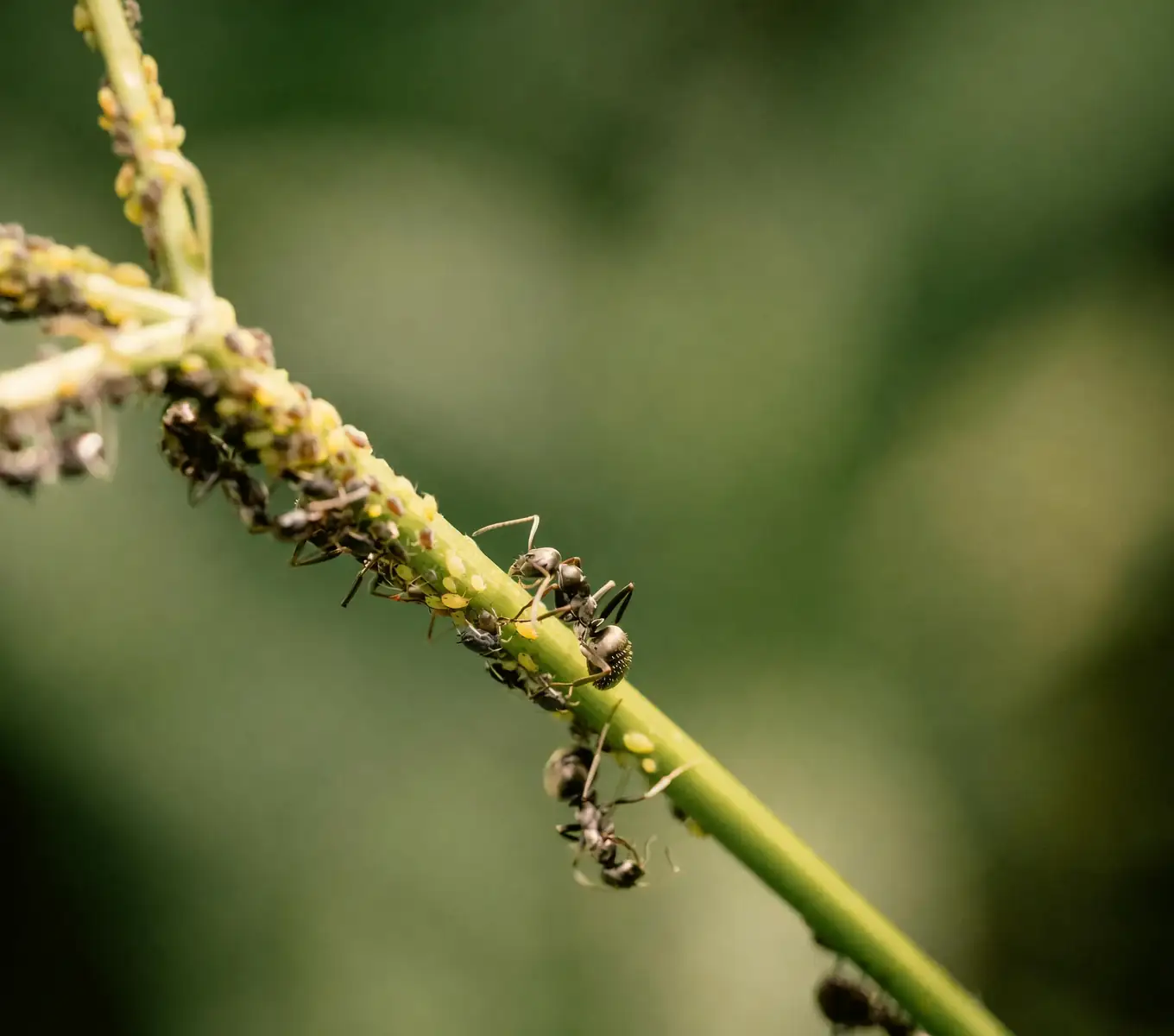
What you’ll see
- Crowds on tender tips and undersides; curled or distorted new leaves; sticky honeydew with sooty mold.
Stepwise IPM
1) Cultural
- Avoid high-nitrogen spurts that create tender, aphid-magnet growth.
- Encourage beneficials: plant nearby herbs/flowers to attract lady beetles, lacewings, hoverflies.
2) Mechanical
- Blast colonies off with a strong jet of water every few days.
3) Biological/least-toxic
- Insecticidal soap or horticultural oil; ensure thorough coverage under leaves.
- Neem/azadirachtin can reduce reproduction.
4) Targeted (if heavy pressure)
- Use selective options first and spot-treat. Broad-spectrum pyrethroids may kill beneficials and cause mite flare-ups—reserve as a last resort.
H3: Spider mites
What you’ll see
- Fine stippling turning leaves bronze, plus delicate webbing in heat and drought. Look for tiny moving dots with a hand lens.
Stepwise IPM
1) Cultural
- Keep plants evenly moist; drought stress fuels mites.
- Increase humidity and airflow; avoid blasting the shrub with afternoon heat.
2) Mechanical
- Rinse undersides of leaves regularly to disrupt populations.
3) Biological/least-toxic
- Release predatory mites (e.g., Neoseiulus fallacis) where available.
- Horticultural oil or insecticidal soap, repeated at 5–7 day intervals, targeting leaf undersides.
4) Targeted miticides (if needed, rotate modes)
- Bifenazate, spiromesifen, or abamectin as labeled for ornamentals. Avoid routine pyrethroids, which often worsen mite outbreaks.
H3: Japanese beetles
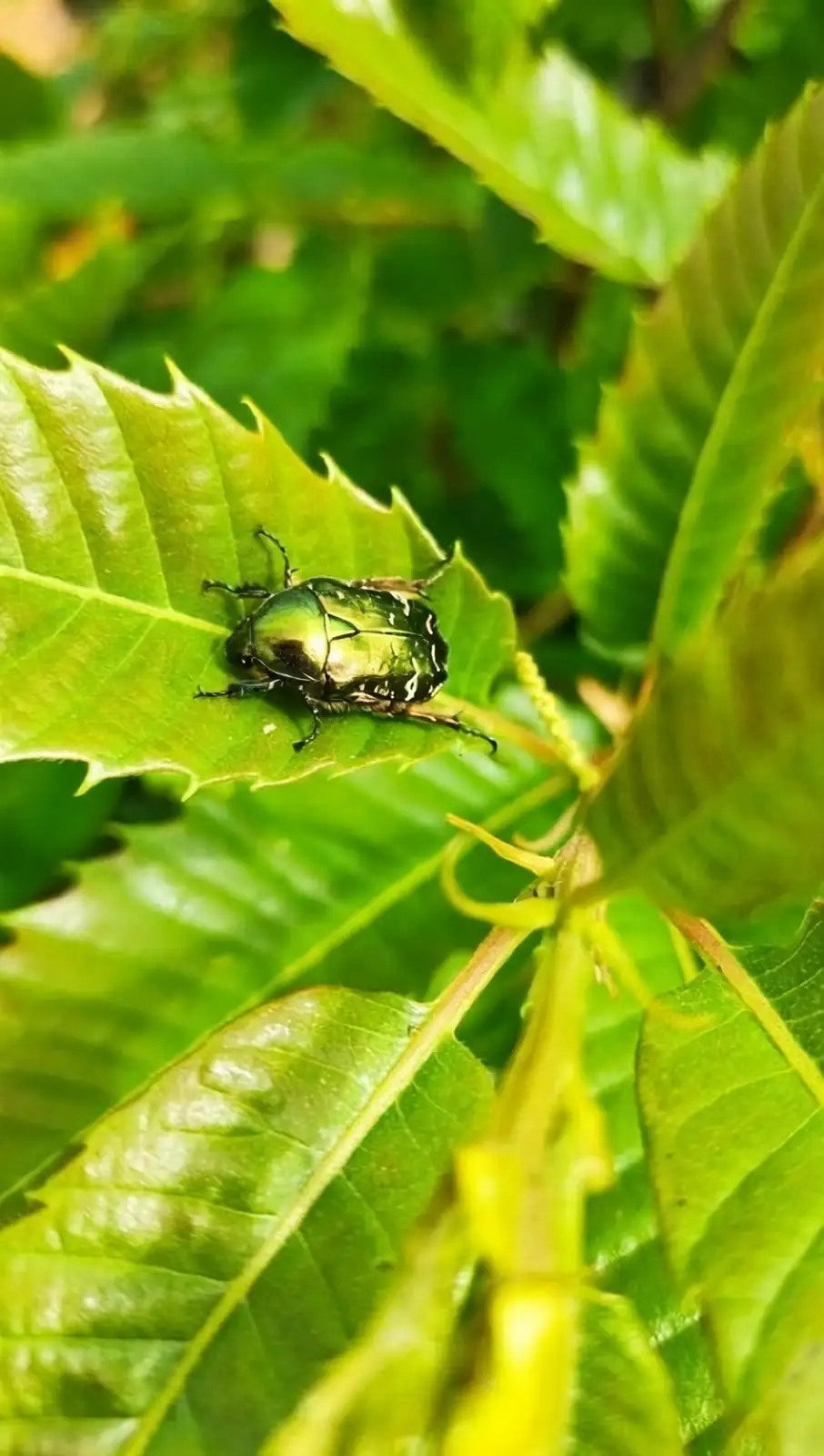
What you’ll see
- Adults chew tissue between leaf veins, leaving a lace-like skeleton; feeding peaks in mid-summer.
Stepwise IPM
1) Cultural
- Reduce nearby grub sources in turf over time to lower local adult numbers.
2) Mechanical
- Handpick or shake beetles into soapy water in early morning when they’re sluggish.
- Avoid pheromone traps near hydrangeas—they attract more beetles than they catch.
3) Biological
- In lawns, apply beneficial nematodes (Heterorhabditis bacteriophora) or milky spore to target grubs; this is a long-game reduction strategy.
4) Least-toxic/targeted on shrubs
- Neem/azadirachtin can act as an anti-feedant on foliage.
- If defoliation is severe, short-residual products (e.g., pyrethrin) applied at dusk can help; protect pollinators by avoiding blooms and following labels closely.
H3: Root rot
What you’ll see
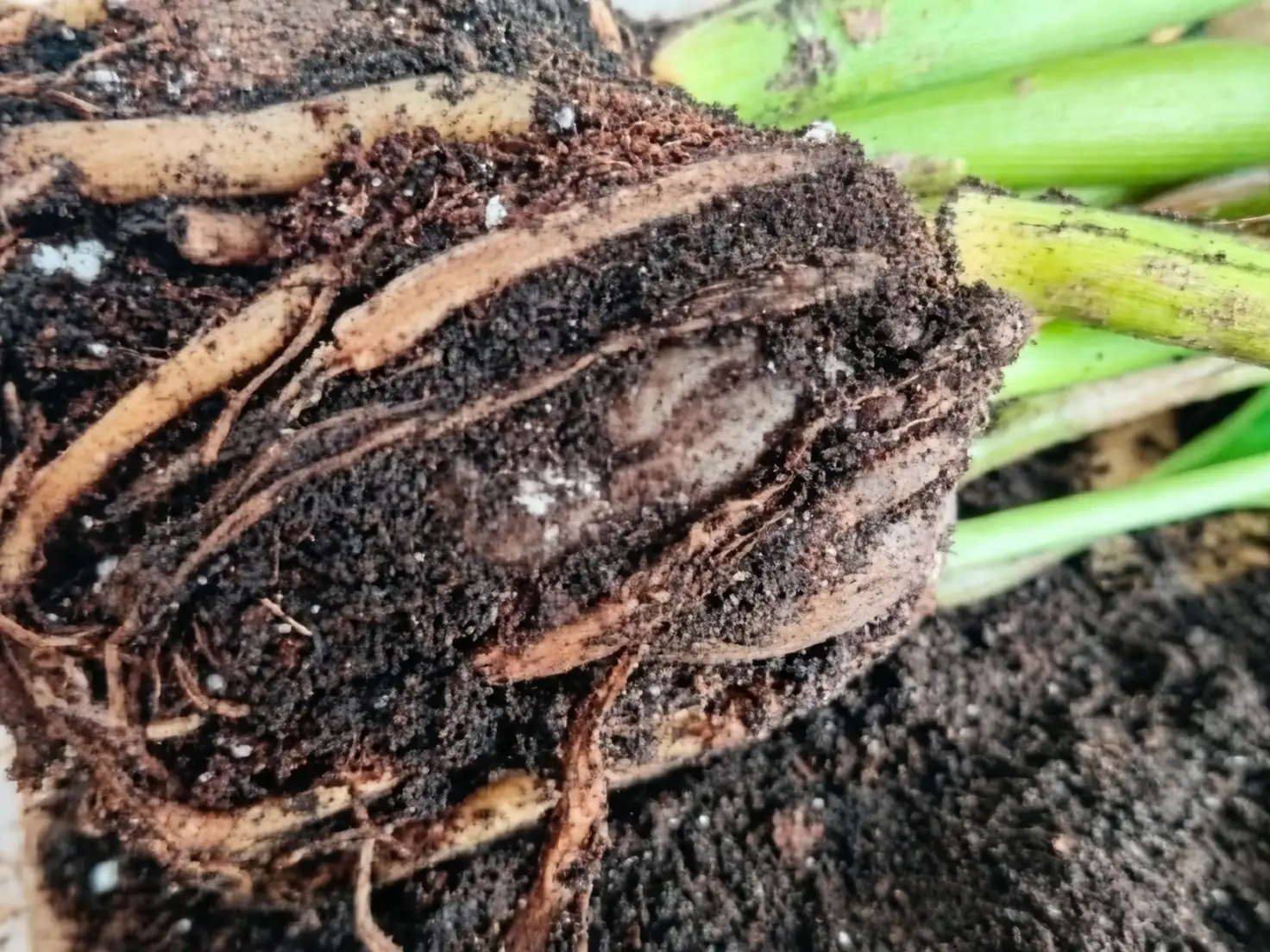
- Chronic wilt, yellowing, stunted growth despite wet soil; roots turn brown/black and mushy. Often triggered by waterlogging.
Stepwise IPM
1) Cultural
- Fix drainage first: raised beds, amended soil, or a coarser, well-drained potting mix.
- Water deeply but allow the top layer to dry slightly between waterings; never let containers sit in saucers of runoff.
- Mulch 5–7 cm (2–3 in) to moderate moisture and temperature, keeping mulch off the stems.
2) Mechanical
- For potted plants, unpot and trim away black, mushy roots; repot into fresh, well-drained mix and a container with ample drainage holes.
3) Targeted (if Phytophthora/Pythium suspected and label allows)
- Phosphorous acid (phosphite) drenches can suppress oomycete rots; apply strictly per label. The real cure is drainage—chemistry alone won’t save roots in soggy soil.
H2: A quick care rhythm that keeps Bigleaf Hydrangea resilient
- Spring: Feed lightly with a balanced fertilizer; resume deep watering; watch for aphids and early leaf spots.
- Summer: Morning sun, afternoon shade; keep soil evenly moist; scout weekly; deadhead for tidiness; thin lightly after flowering for airflow.
- Late summer–autumn: Ease off fertilizer; continue even moisture; clean up fallen leaves to reduce disease carryover.
- Winter: Protect buds from harsh freezes, especially in containers; water sparingly but don’t let pots go dust-dry.
H2: Your gentle-to-targeted hydrangea “first-aid kit”
- Hand lens, gloves, pruning shears (plus disinfectant)
- Strong-spray hose nozzle
- Mulch and compost for soil health
- Insecticidal soap and horticultural oil
- Potassium bicarbonate; a biofungicide (Bacillus-based)
- Neem/azadirachtin
- One targeted option each for fungus and mites, labeled for ornamental shrubs/hydrangea
- Sticky notes for dates and rotations (to prevent resistance)
H2: A note on symbolism (花语) and meaning
Bigleaf hydrangea’s generous clusters have long symbolized gratitude, grace, and abundance. In Japan, blue hydrangeas famously served as an imperial apology gift, associating blue blooms with remorse and understanding; pink tones often convey heartfelt emotion; white with purity; purple with a wish for deeper understanding. Remember, these meanings grew from stories, culture, and color psychology—not botany—so feel free to choose the hue that speaks to your intention. The real magic is how many “voices” one shrub can offer, echoing its Chinese name 八仙花—many strengths gathered in one bouquet.
H2: Final reminders for success
- Right place, right moisture, right timing on pruning. Bigleaf hydrangeas reward steady care and good airflow more than they do strong chemicals.
- Identify before you treat, and start with the gentlest fix. Most problems are manageable—and many are cosmetic.
- Protect people, pets, and pollinators. Hydrangea is mildly toxic if ingested; and any spray should be used carefully, off flowers, and strictly per label.
Solve the root cause, and your hydrangea will go right back to what it does best: throwing those unforgettable pom-poms and lacecaps all summer long.


