

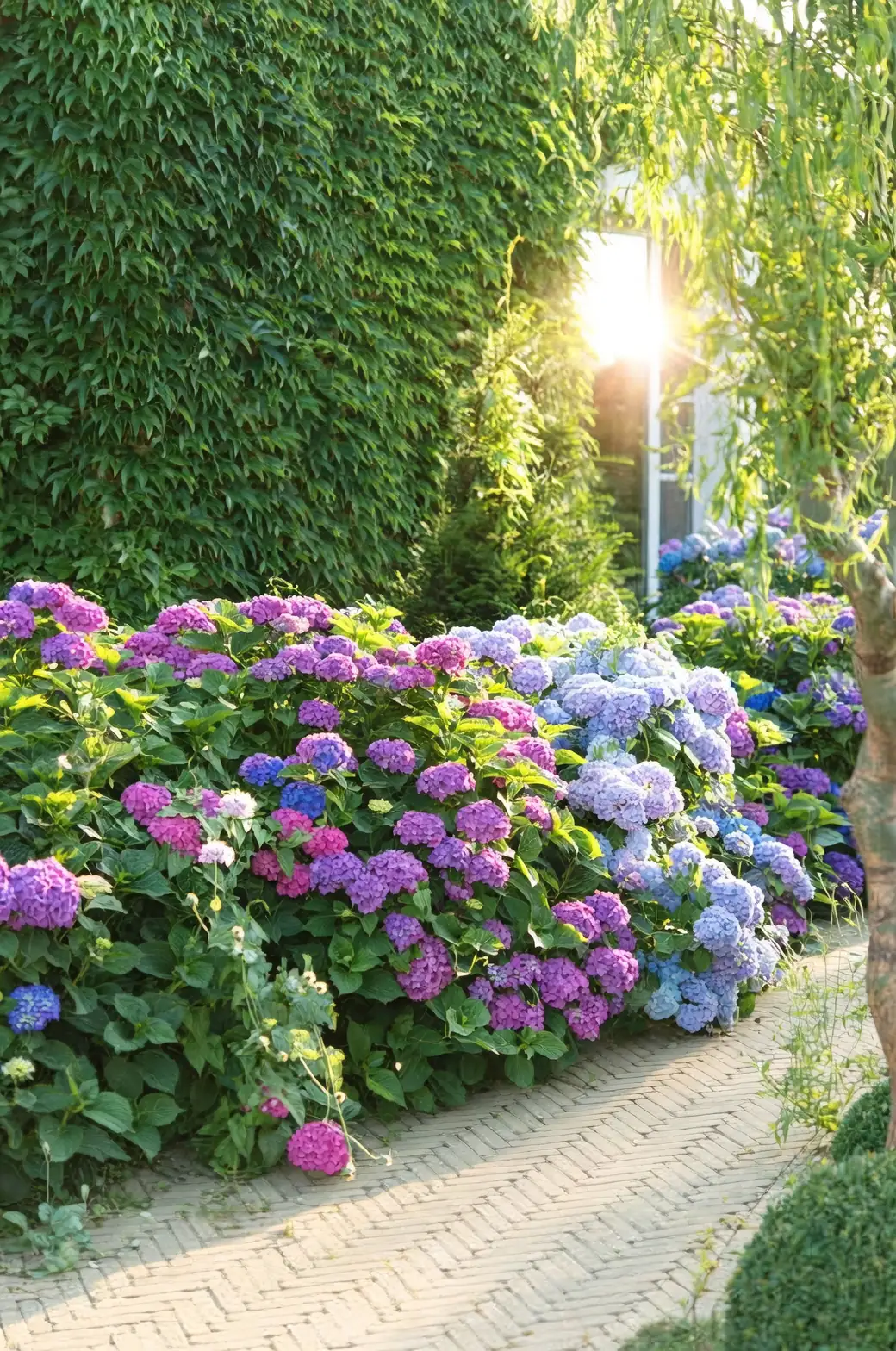
If you’ve ever wished you could “dial in” the blues or coax out the pinks on your hydrangeas, you’re in luck: Bigleaf hydrangea (Hydrangea macrophylla) is a forgiving, generous shrub and a perfect partner for hands-on garden color science. With a pH test, a few safe amendments, and realistic expectations, you can guide your blooms toward cerulean, lavender, or rosy tones—while understanding exactly why white cultivars don’t play along.
Meet Hydrangea macrophylla, the original garden color‑changer
- Also called bigleaf, French, mophead, or lacecap hydrangea, this East Asian native is a deciduous shrub with glossy leaves and showy summer flower heads.
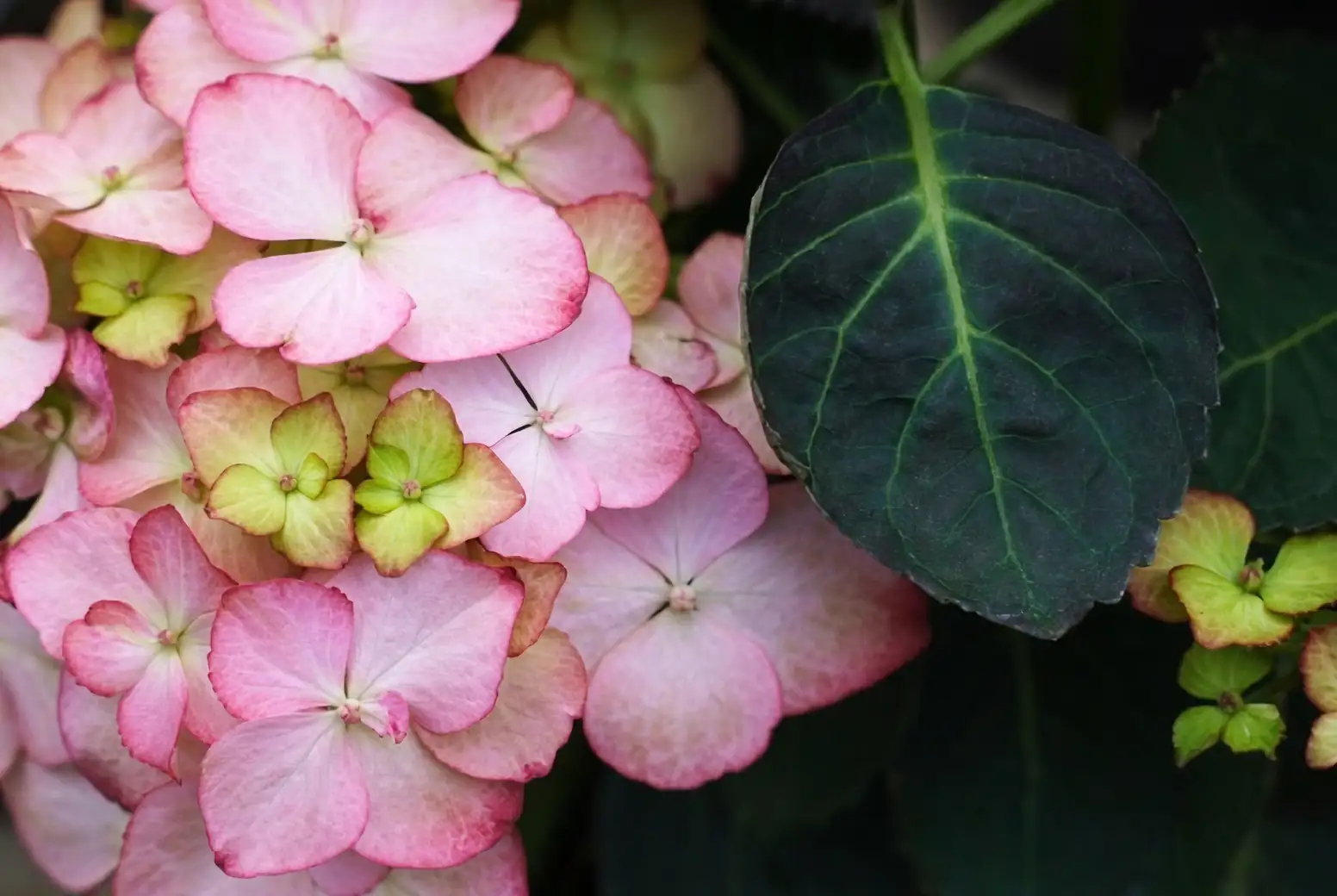
- Many cultivars shift color based on soil chemistry: acidic conditions with available aluminum tend to yield blue; neutral to alkaline conditions push pink/red; white forms generally stay white.
- Best performance: morning sun with afternoon shade, evenly moist, organic‑rich soil, and steady care. Typical size is 3–6.5 ft tall and wide; blooms late spring through summer, with some reblooming into fall.
The simple science: pH, aluminum, and those famous blues and pinks
Think of pH as the “gatekeeper” and aluminum as the “pigment partner.”
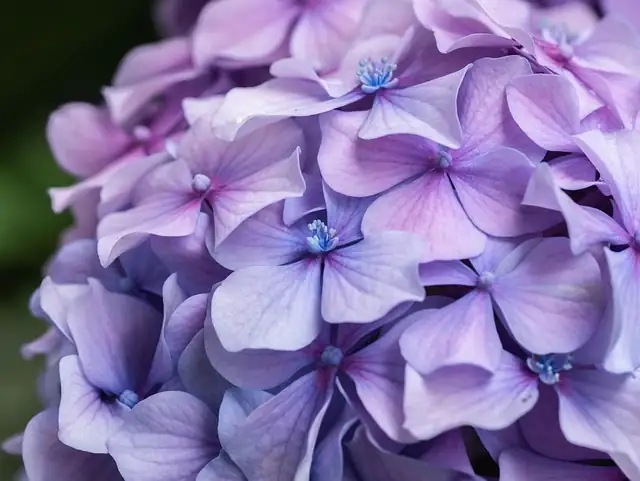
- When soil is more acidic (often below about pH 6), aluminum becomes more available to roots. If the plant’s genetics allow it, aluminum teams up with pigments in the sepals to create blue tones.
- As soil swings toward neutral and alkaline (often above about pH 7), aluminum is tied up and harder to take in, so flowers shift pink to red.
- Purple or blended heads often occur in the in‑between zone (roughly pH 6–7) or when aluminum is present in modest amounts.
- White bigleaf hydrangeas don’t change significantly because their sepals lack the pigments that react with aluminum.
Important nuance: genetics set the boundaries. Some pink or red cultivars resist turning truly blue; many still shift within their own color range (for example, from warm pink to cool pink‑lavender).
Before you tweak: test, time, and choose your tools
- Test first. Use a simple pH kit or, better yet, a local lab test. Re‑test after any major adjustment (about 8–12 weeks for containers; 3–6 months in the ground).
- Timing matters. Many bigleaf hydrangeas form next year’s flower buds on “old wood” in late summer. Color adjustments made this season often show most clearly on the following season’s blooms.
- Set expectations. In containers, you can see meaningful shifts within a single growing season. In the ground, expect gradual change over months—often a season or two for a full transformation.
- Choose safe, proven amendments:
- To push blue: aluminum sulfate (adds aluminum and gently acidifies), plus acid‑forming fertilizers.
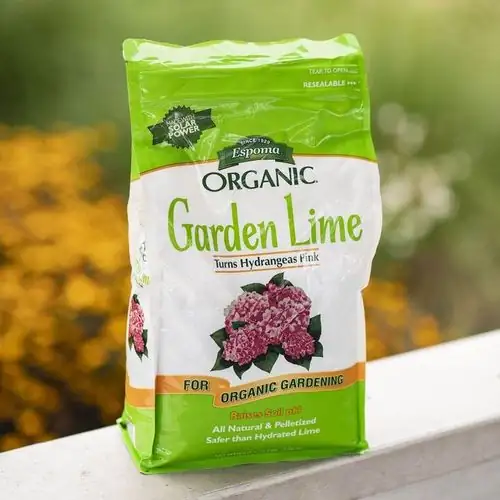
- To push pink: garden (dolomitic) lime to raise pH and reduce aluminum availability.
- Support players: elemental sulfur (for longer‑term acidifying), peat/coco‑based organic matter (acid‑leaning), and balanced fertilizers. Avoid very high‑phosphorus fertilizers when aiming for blue because phosphorus can tie up aluminum.
- Safety gear and good habits: wear gloves, avoid dust inhalation, keep products off leaves, water amendments into the soil, and keep kids and pets away while you work. Hydrangea is mildly toxic if ingested—treat the whole plant and your amendments with care.
Turn your hydrangeas bluer — an easy, safe program
Target: pH near 5.5–5.8 (below about 6 encourages blue) with available aluminum.

1) Test and prep
- If your soil is already acidic, you may only need modest aluminum sulfate.
- If pH is 6.5 or higher, plan a gradual acidifying step (elemental sulfur per label rates for your soil type) alongside aluminum sulfate.
2) Add aluminum safely
- Liquid drench plan: dissolve 1 tablespoon aluminum sulfate per gallon of water. Apply evenly around the dripline, keeping it off stems/leaves. Repeat 2–3 times in spring (for example, March–May), then reassess mid‑summer.
- Granular plan: apply aluminum sulfate at labeled rates for shrubs, spread gently around the root zone, and water in deeply. Split into two lighter applications a few weeks apart rather than one heavy dose.
3) Keep the chemistry favorable
- Use an acid‑forming fertilizer during active growth (follow label rates). Aim for balanced nutrition rather than high phosphorus.
- Maintain moisture: never bone‑dry, never swampy. Even moisture keeps nutrient uptake steady.
- Mulch with composted bark/leaves (not fresh wood chips mixed into the root zone), 2–3 inches deep, keeping mulch off stems.
4) Containers
- Use a peat/coco‑rich, well‑drained mix. Monthly light drench (as above) in spring can be enough; monitor pH and flush the pot with clear water once or twice midseason to prevent salt buildup.
Watch for overdoing it: pale, scorched leaf edges or sudden wilt after applications can indicate too much salt or acidity at the root zone. Back off, water deeply, and re‑test pH.
Turn your hydrangeas pinker — pH rise and aluminum lock‑up
Target: pH 6.5–7.0+ (above about pH 7 pushes pink/red) while minimizing aluminum availability.
1) Test and go gently
- If your soil is already near neutral, you may only need light maintenance.
2) Lime to lift pH
- In‑ground baseline: broadcast about 1 cup dolomitic lime per 10 square feet and water in. This is a conservative, widely used starting point; re‑test in 3 months and repeat lightly if needed rather than making one large jump.
- Containers: top‑dress 1–2 teaspoons dolomitic lime per gallon of potting mix, scratch in lightly, and water. Re‑test in 6–8 weeks.
3) Faster—but use with caution
- A hydrated lime drench (1 tablespoon per gallon of water) applied once monthly in March, April, and May can nudge pH more quickly. It’s caustic, so wear protection, keep it off foliage, and don’t overuse. Many gardeners prefer dolomitic lime for safety and steadier results.
4) Keep aluminum scarce
- Do not add aluminum sulfate. Balanced fertilizers are fine; if you’ve been using acid‑forming products, pause or reduce them.
- Maintain good drainage and steady moisture.
Signs you’ve gone too far: interveinal yellowing on young leaves can indicate micronutrient lockout from excessive liming. Flush, stop liming, and let pH drift back down.
How long does it take?
- Containers: noticeable shifts can appear in 8–12 weeks, but full effect often aligns with the next bloom cycle.
- In the ground: expect 3–12 months for stable change; you’ll see the clearest results on the next season’s flowers (especially for cultivars that bloom on old wood).
- Maintenance: soil tends to rebound toward its native pH. Plan on light, periodic adjustments rather than a one‑time fix.
Why white hydrangeas won’t turn blue or pink
White bigleaf hydrangeas typically remain white because their sepals don’t produce the pigments that react with aluminum. You may see gentle aging tones—soft green, parchment, or a faint blush as blooms mature—but not a true aluminum‑driven blue or pink transformation.
Common pitfalls and pro tips
- Don’t mix directions. Never apply aluminum sulfate and lime in the same window; allow several weeks (ideally a season) between switching from “blue” to “pink” programs.
- Avoid heavy, one‑time doses. Split applications reduce the risk of root burn and keep pH change more predictable.
- Mind pruning timing. Many bigleaf hydrangeas bloom mostly on old wood. Prune right after flowering; hard winter/spring pruning can remove next year’s buds.
- Protect buds from hard freezes and scorching sun. Morning sun with afternoon shade keeps blooms lush and lasting.
- Keep soil evenly moist and well‑drained to prevent root rot and nutrient lockouts. Water at the soil line; avoid soaking leaves late in the day.
- Know your hydrangea. Panicle, smooth, and oakleaf hydrangeas don’t change color with pH the way bigleaf does.
Quick color reference
- More acidic (often below about pH 6) with available aluminum: bluer tones.
- Middle ground (around pH 6–7): purples or mixes.
- More alkaline (often above about pH 7): pink to red.
A note on meaning and myth: the “language” of hydrangeas
Cultural flower meanings grew from Japanese tradition and Victorian floriography. In Japan, a famous story tells of an emperor offering blue hydrangeas in apology—one reason blue blooms are linked with remorse and understanding. Elsewhere, pink suggests sincere emotion and affection; white is often read as purity; purple as a wish for deeper understanding. These meanings are poetic, not botanical—but they add a lovely layer to the science you’re working with in the soil.
Care basics that make your color work shine
- Light: morning sun, afternoon shade (3–6 hours of sun is a good target). More shade in hot climates helps prevent scorch.
- Water: keep evenly moist during active growth; water deeply 1–2 times per week, more in heat waves or small pots. Avoid waterlogging.
- Feeding: use a balanced or acid‑forming fertilizer in spring and early summer; ease up by mid‑ to late summer so stems mature before winter.
- Hardiness: dependable flowering is most common in USDA Zones 6–9; buds are more cold‑sensitive than stems.
- Pests/diseases: watch for aphids, mites, and leaf spots. Prioritize airflow, clean watering habits, and prompt removal of infected leaves.
- Safety: mildly toxic if ingested. Keep plants and soil amendments away from curious children and pets.
Bring your inner scientist to the garden, and Hydrangea macrophylla will meet you more than halfway. Test, tweak, and give it a season—the color magic comes into focus, one bloom at a time.


