

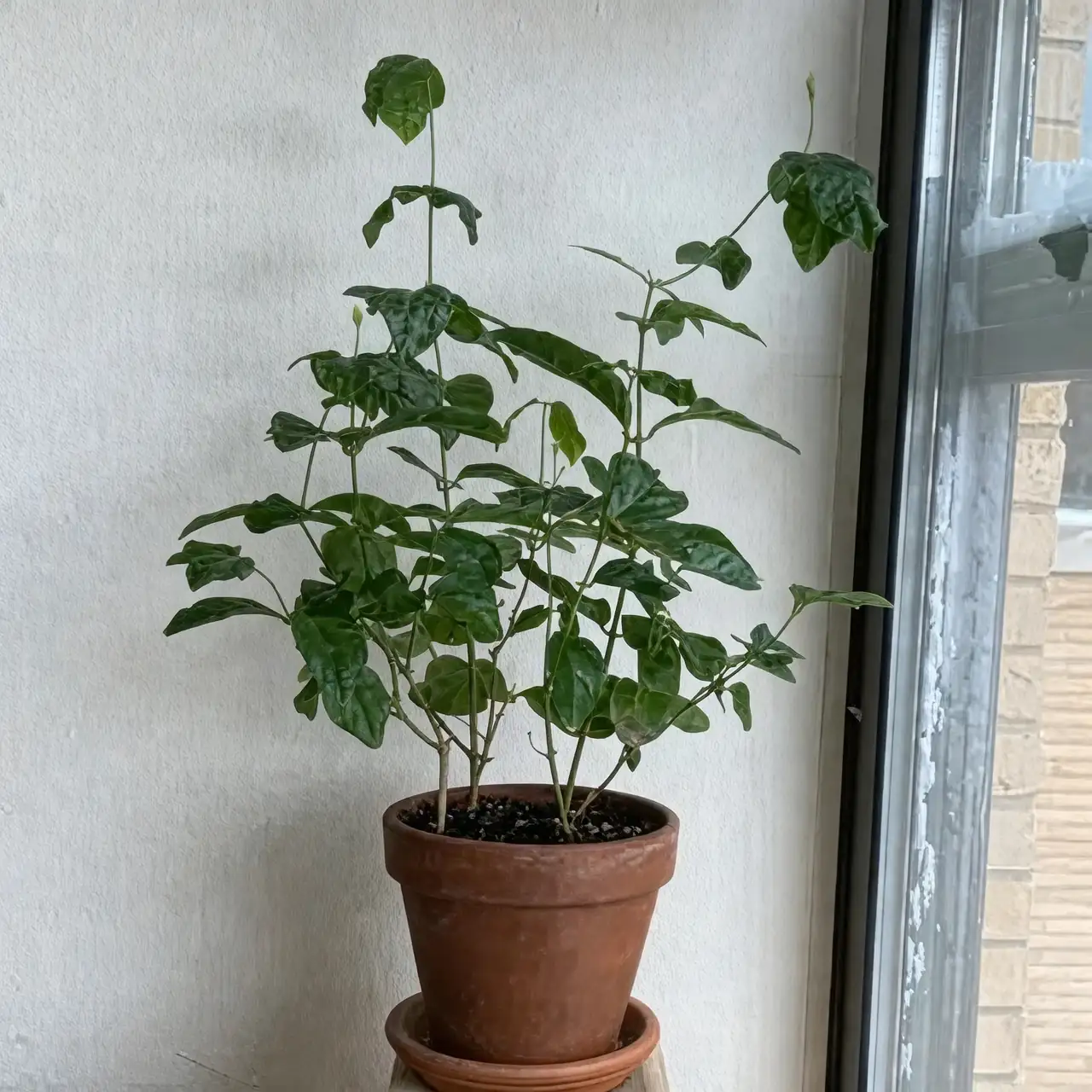
On summer nights, Arabian jasmine (Jasminum sambac) perfumes the air like a whisper of honeyed stars. To keep that magic alive through winter, treat it like what it is: a sun-loving, frost-tender evergreen from tropical Asia. Here’s your clear, confidence-boosting blueprint to move it indoors at the right moment, keep leaves on, buds forming, and spider mites out.
Know your plant, know your winter
- Identity snapshot: Evergreen to semi-evergreen shrub in the olive family (Oleaceae), glossy leaves, intensely fragrant white blooms (often rosette‑double or starry single). Container-friendly and very responsive to pruning.
- Sun-hungry: The more direct light, the more buds and fragrance (aim for 6–8+ hours).
- Cold-sensitive: Protect at 10°C/50°F and above for reliable overwintering. Brief dips near 5°C/41°F can trigger leaf drop; around 0°C/32°F can cause severe dieback or death.
- Humidity-lover: Prefers 50%+ relative humidity.
- Soil: Rich but free-draining, slightly acidic to near-neutral.
The Winter Survival Blueprint
Step 1 — Move-in timing: don’t wait for a shiver
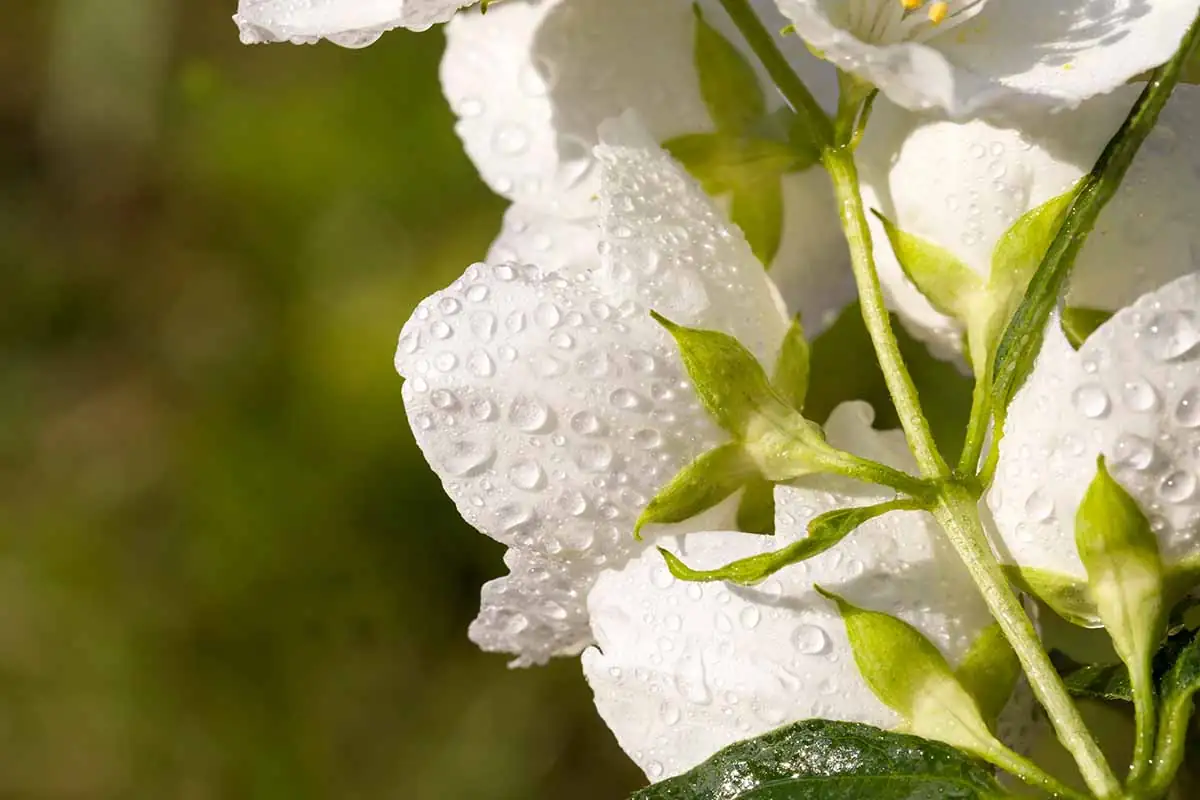
- Bring plants indoors before night temperatures dip below 10°C/50°F.
- Prep week (outdoors, shaded spot):
- Rinse foliage thoroughly (top and underside) to dislodge pests and dust.
- Inspect for mites, aphids, whiteflies, and scale; treat early.
- Remove faded blooms and weak/tangled tips.
- Once indoors, place immediately in the brightest window (south or west) or under quality grow lights. Avoid repotting now; save that for spring or post-bloom.
Step 2 — Light like the tropics
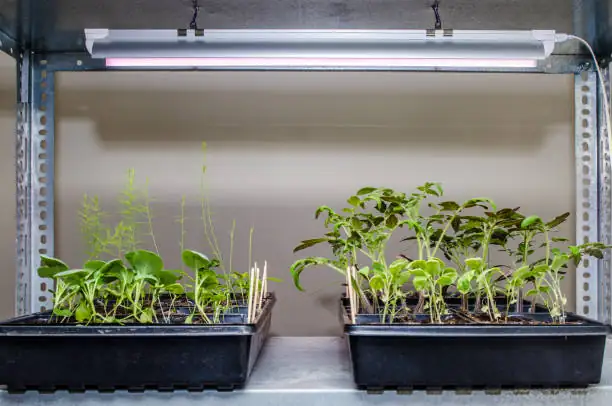
- Windows: South- or west-facing is best; pull the plant as close to the glass as possible without touching cold panes.
- Grow lights: Run bright full-spectrum LEDs for about 12–14 hours/day if sunlight is limited. Keep foliage a safe distance so leaves don’t heat up; rotate the pot weekly for even growth.
- Tip: Clean leaves monthly; dust cuts light intensity and invites mites.
Step 3 — Humidity: aim for 50%+
- Practical boosts:
- Humidifier near the plant (most reliable).
- Pebble tray with water (pot above—not in—the water).
- Group plants to create a local humidity bubble.
- Ventilation matters: Gentle airflow reduces disease and mite pressure. Avoid cold drafts from doors or leaky windows.
Step 4 — Watering without the winter wobble (and leaf drop)
Right-size watering is the linchpin of winter success.
- Rule of thumb: Water thoroughly when the top 2–3 cm (about 1 in) of mix is dry. In winter, the goal is lightly moist—never soggy.
- Technique:
- Water until excess drains; empty the saucer.
- Use room‑temperature water.
- In brighter, warmer rooms you’ll water more often; in cooler, dimmer rooms, much less. Avoid “calendar watering.”
- Why it matters: Both drought and waterlogging trigger leaf yellowing and drop. Consistent, moderate moisture supports buds and keeps foliage glossy.
Step 5 — Spider-mite prevention and rapid response
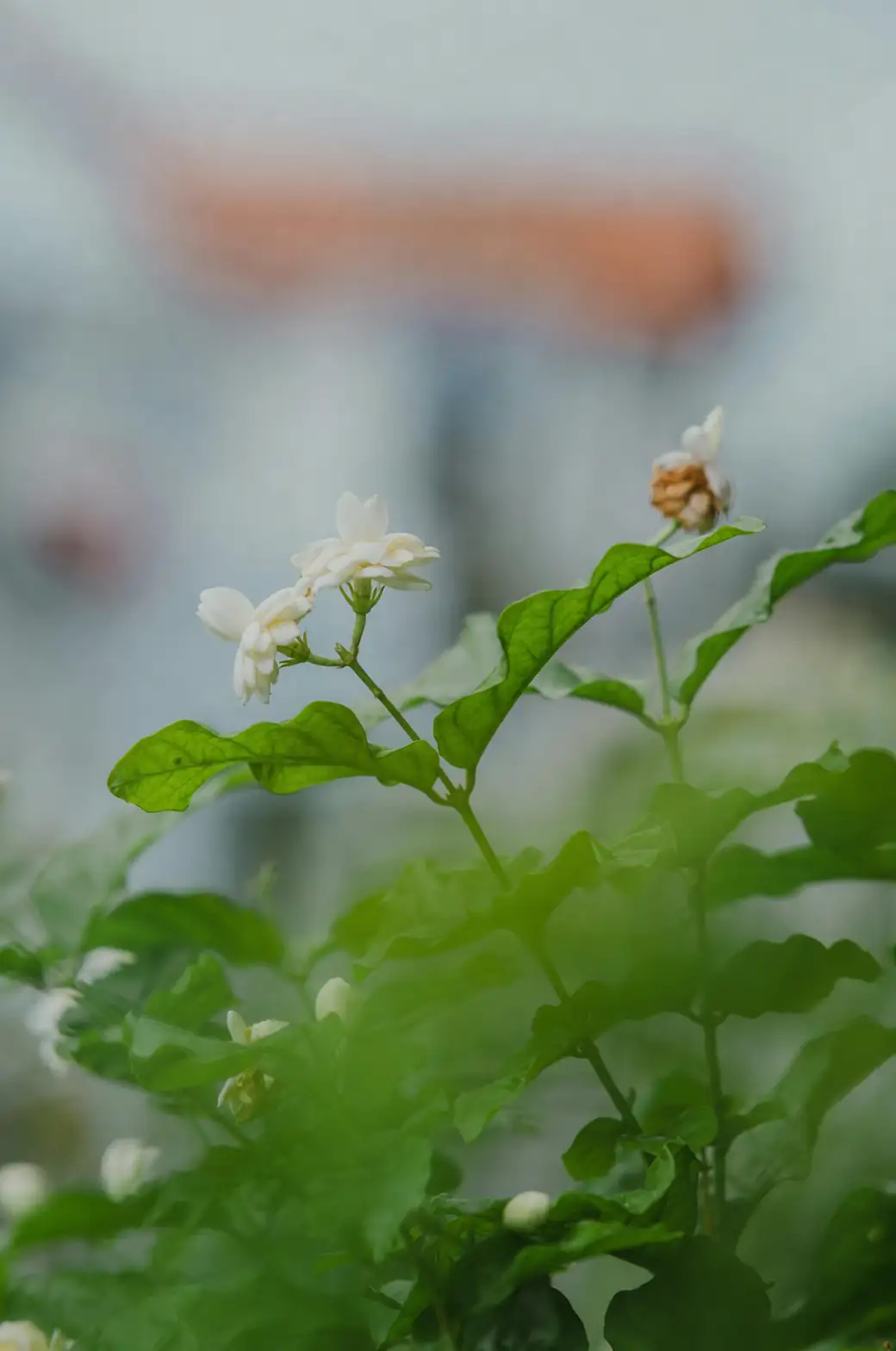
Arabian jasmine is mite candy when indoor air runs dry.
- Prevention:
- Keep RH 50%+ and avoid drought stress.
- Rinse foliage periodically in the morning; allow to dry quickly.
- Quarantine any new plants 2–3 weeks.
- Early detection:
- Look for stippling (tiny pale specks), bronzing, or fine webbing.
- Tap a leaf over white paper; moving specks = mites.
- Treatment:
- Start with a lukewarm shower or leaf wipe (both sides).
- Follow with insecticidal soap or horticultural oil; cover leaf undersides meticulously.
- Repeat every 5–7 days for 3 cycles to break the hatch cycle.
- Keep plant isolated until no new signs appear.
- Pro tip: Don’t spray oils under hot lights or full sun; let the plant dry in bright, indirect light after treatment.
Step 6 — Temperature and drafts
- Sweet spot: 15–24°C (59–75°F) indoors with strong light; growth loves warmer conditions, but stay above 10°C (50°F).
- Shield from cold windowsills: Use an insulating mat or pull the pot a few centimeters back from frosty glass at night.
Step 7 — Feeding, pruning, and repotting (winter edition)
- Feeding: Pause or greatly reduce in winter. Resume regular feeding in spring.
- Pruning: Light tidying only. Save firm shaping for after a main bloom flush or early spring to stimulate new flowering shoots.
- Repotting: Wait until spring or right after flowering. Step up only 2.5–5 cm (1–2 in) in pot diameter to avoid a mix that stays wet.
Avoiding leaf drop: the four big triggers (and fast fixes)
- Cold snaps and drafts
- Fix: Bring in before 10°C/50°F; buffer from wintery windows and doors.
- Darkness
- Fix: Brighter window or add grow lights; clean leaves; rotate weekly.
- Water stress swings
- Fix: Check the top 2–3 cm of mix; water deeply, then drain. Aim for lightly moist—never sopping or bone-dry.
- Spider mites
- Fix: Raise humidity, rinse foliage, treat early with soap or horticultural oil, repeat on schedule.
The ideal winter setup at a glance
- Light: 6–8+ hours of direct sun or 12–14 hours under bright LEDs.
- Temperature: 15–24°C indoors; never below 10°C. Short dips near 5°C risk leaf drop; around 0°C can kill.
- Humidity: 50%+.
- Soil: Rich, free-draining potting mix—loam-based with perlite/vermiculite (and optional fine bark). pH about 6.5–7.5.
- Pot: 15–20 cm (6–8 in) with strong drainage; avoid oversized containers in winter.
A simple weekly winter routine
- Light check: Rotate the pot a quarter turn; wipe dust from leaves.
- Moisture check: Finger-test top 2–3 cm; water thoroughly if dry, then empty the saucer.
- Humidity: Confirm RH is ~50%+; refill pebble tray or run humidifier.
- Pest patrol: Inspect undersides of leaves; tap-test for mites.
- Grooming: Remove spent blooms and yellowing leaves; keep airflow open.
Spring re-entry plan (for next season’s bloom bonanza)
- When nights reliably stay above 10°C/50°F, start hardening off outdoors over 7–10 days to avoid sun scorch.
- Resume regular feeding weekly or every 1–2 weeks in active growth.
- After a main flowering flush, prune back firmly to stimulate vigorous new shoots—these will carry the next waves of buds.
- Repot if roots fill the pot; size up modestly and refresh the mix.
Scent, symbolism, and story
Arabian jasmine is inseparable from love and purity in many Asian traditions—its luminous white blooms often woven into wedding garlands and evening rituals. Gardeners also prize its “sunshine toughness”: give it abundant light and a good haircut, and it responds with an even richer cascade of flowers. The fragrance intensifies in warm evenings, a clever evolutionary nudge to attract night-active pollinators—and a nightly gift to anyone lucky enough to sit nearby.
—
With the right move-in timing, a sun-first mindset, 50%+ humidity, and a steady watering hand, your Jasminum sambac won’t just “survive” winter—it will sail through it, keeping its glossy poise and rewarding you with off-season blooms and that unmistakable, soul-soothing perfume.


